The Science Behind Play: How Your Baby’s Brain Develops Through Playful Discovery
Every giggle, every reach for a colorful toy, every moment your baby spends exploring their world isn’t just adorable—it’s essential brain-building work in action. Play serves as nature’s most powerful learning tool for babies, creating neural pathways that form the foundation for lifelong cognitive, social, and emotional development.
Understanding how babies learn through play transforms ordinary moments into extraordinary opportunities for growth. This comprehensive guide reveals the fascinating science behind infant development and provides you with practical strategies to nurture your baby’s potential through purposeful play experiences.
Understanding Your Baby’s Learning Journey Through Play
The Neuroscience of Baby Play
Advances in neuroscience have shown that the first few years of life are critical for brain development, with play serving as the primary mechanism for neural connection formation. When babies engage in play activities, their brains create millions of synaptic connections every second, establishing the foundation for complex thinking, problem-solving, and emotional regulation.

During play, multiple brain regions activate simultaneously. The sensory cortex processes textures, sounds, and visual stimuli, while the motor cortex coordinates movement and coordination. Meanwhile, the prefrontal cortex—responsible for executive function—begins developing through cause-and-effect exploration during play sessions.
The Sensorimotor Stage: Your Baby’s First Learning Phase
In the sensorimotor stage, babies are learning about their environment through their senses. This critical developmental period, spanning from birth to approximately 24 months, represents the foundation of all future learning. During this stage, babies discover their world through touching, tasting, seeing, hearing, and moving.
Sensory and motor development is the gradual process by which a newborn gains use and coordination of the large muscles of the legs, trunk and arms, as well as the smaller muscles of the hands. A baby becomes aware through sight, touch, taste, smell, and sound.

The Six Stages of Play Development in Babies
Stage 1: Unoccupied Play (Birth to 3 months)
At this stage, Baby is just making a lot of movements with their arms, legs, hands, feet, etc. They are learning about and discovering how their bodies move. Though it might appear random, these movements are purposeful explorations of spatial relationships and body awareness.
Key developmental benefits:
- Body awareness and spatial recognition
- Muscle strength and coordination
- Visual tracking and focus development
- Neurological pathway formation
Stage 2: Solitary Play (3 to 18 months)
During solitary play, babies explore independently while developing concentration skills and self-regulation. This stage is crucial for building confidence and fostering creativity without external pressure or direction.
Essential characteristics:
- Extended attention spans on preferred activities
- Repetitive actions that reinforce learning
- Exploration of cause-and-effect relationships
- Development of personal preferences
Stage 3: Onlooker Play (12 to 24 months)
As babies approach toddlerhood, they become fascinated observers of other children’s activities. This observational learning phase builds social awareness and introduces concepts of cooperation and shared experiences.
Developmental milestones:
- Social awareness and imitation skills
- Language development through observation
- Understanding of social rules and expectations
- Preparation for interactive play
Essential Types of Play for Optimal Baby Development
Sensory Play: Building Neural Networks
Sensory play includes hands-on activities that stimulate touch, sight, smell, sound, and taste, as well as movement or balance. These experiences are fundamental for healthy brain development and emotional regulation.
Age-appropriate sensory activities:
0-6 months:
- High-contrast black and white images
- Soft-textured fabrics and materials
- Gentle music and nature sounds
- Tummy time on various surfaces
6-12 months:
- Water play during bath time
- Different textured foods for exploration
- Musical instruments and noise makers
- Sensory bags with safe materials
12-18 months:
- Playdough and modeling clay
- Sand and water exploration
- Finger painting with edible paints
- Nature walks with texture collection
Motor Skill Development Through Movement Play
Play-based learning promotes physical development through activities that involve movement, coordination, and fine motor skills—realizing the full potential of hands-on learning as a powerful tool for brain development. Whether it’s running, climbing, or manipulating small objects, children enhance their physical abilities and overall health.

Gross motor activities:
- Crawling through tunnels and obstacles
- Dancing to music with varied rhythms
- Ball rolling and catching games
- Climbing on safe playground equipment
Fine motor development:
- Stacking blocks and nesting toys
- Shape sorting and puzzle completion
- Finger foods and self-feeding practice
- Art activities with large crayons and brushes
Cognitive Development Through Problem-Solving Play
Through play, children can: Manipulate and understand the physical properties of objects, developing critical thinking skills that form the foundation for academic learning.
Brain-building activities:
- Object permanence games (peek-a-boo variations)
- Simple cause-and-effect toys
- Container play with different-sized objects
- Memory games using familiar songs and rhymes
To further support these cognitive play strategies, explore our curated list of early literacy and numeracy activities that use playful discovery to build foundational learning skills in toddlers.
Creating the Optimal Play Environment
Designing Safe and Stimulating Spaces
Your baby’s play environment significantly impacts their developmental progress. Create spaces that balance safety with exploration opportunities, allowing for both structured and free-play experiences.
Essential elements:
- Adequate floor space for movement
- Varied textures and materials
- Natural lighting when possible
- Easy-to-clean surfaces for messy play
- Storage solutions for toy rotation
The Power of Unstructured Play Time
While structured activities have their place, unstructured play allows babies to follow their natural curiosity and develop self-direction skills. These moments of free exploration often lead to the most profound learning breakthroughs.
Benefits of unstructured play:
- Enhanced creativity and imagination
- Development of self-regulation skills
- Reduced stress and anxiety
- Increased problem-solving abilities
- Stronger sense of autonomy
Age-Specific Play Strategies for Maximum Development
Newborn to 3 Months: Foundation Building
Focus areas: Sensory development, bonding, and basic motor skills
Recommended activities:
- Tummy time with interesting objects at eye level
- Gentle massage and skin-to-skin contact
- Reading with expressive voices and facial expressions
- Simple black and white pattern books
- Soft music and lullabies
3 to 6 Months: Active Exploration
Focus areas: Hand-eye coordination, object exploration, and social interaction
Recommended activities:
- Reaching for suspended toys
- Exploring different textures safely
- Interactive songs with hand movements
- Mirror play for self-recognition
- Rattles and noise-making toys
6 to 12 Months: Mobile Discovery
Focus areas: Problem-solving, cause-and-effect understanding, and independence
Recommended activities:
- Container play with various objects
- Simple puzzle toys and shape sorters
- Water play during supervised bath time
- Musical instruments and rhythm exploration
- Safe household items for investigation
12 to 18 Months: Complex Learning
Focus areas: Language development, fine motor skills, and symbolic thinking
Recommended activities:
- Pretend play with dolls and stuffed animals
- Building with blocks and stacking toys
- Art exploration with safe materials
- Nature walks and outdoor exploration
- Simple pretend play scenarios
The Role of Parents in Play-Based Learning
Becoming Your Baby’s Play Partner
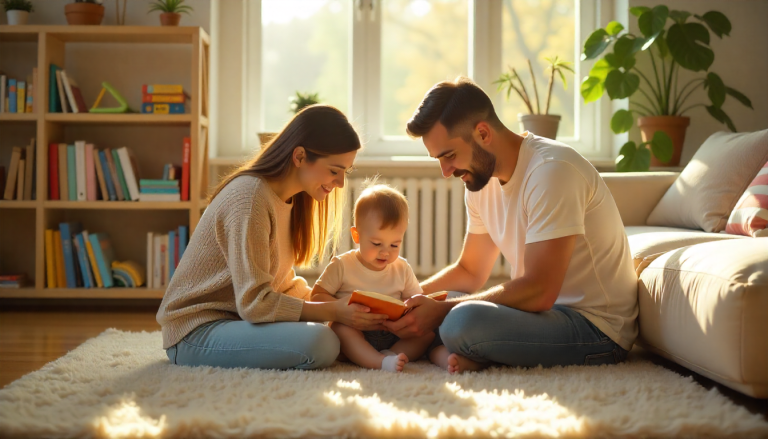
Your involvement in play activities amplifies their developmental benefits exponentially. However, the key lies in following your baby’s lead while providing gentle guidance and encouragement.

Effective strategies:
- Observe before intervening
- Use descriptive language during play
- Allow for repetition and exploration
- Celebrate discoveries and attempts
- Create predictable play routines
Recognizing and Responding to Play Cues
Babies communicate their play preferences and readiness through subtle cues. Learning to read these signals helps you optimize play experiences and avoid overstimulation.
Positive engagement signs:
- Alert, bright facial expressions
- Reaching toward objects or people
- Sustained attention to activities
- Vocalizations and babbling
- Relaxed body posture
Overstimulation warning signs:
- Turning away or avoiding eye contact
- Fussiness or crying
- Arching back or pushing away
- Decreased responsiveness
- Difficulty settling down
Addressing Common Concerns About Baby Play
Screen Time and Digital Media
While technology can offer educational content, physical, hands-on play remains irreplaceable for healthy development. The American Academy of Pediatrics recommends avoiding screen time for babies under 18 months, except for video chatting with family members.
Healthy alternatives:
- Interactive books with textures and sounds
- Music and movement activities
- Real-world exploration and discovery
- Face-to-face social interactions
- Creative art and sensory experiences
Developmental Variations and Individual Differences
Every baby develops at their own pace, and play preferences can vary significantly between children. Some babies prefer quiet, focused activities, while others thrive with more active, stimulating play.
Supporting individual development:
- Follow your baby’s interests and energy levels
- Provide variety without overwhelming choices
- Adjust activities based on daily moods and needs
- Celebrate little progress and achievements
- Consult professionals if concerns arise
Building Long-Term Learning Foundations
The Connection Between Early Play and Academic Success
Research consistently demonstrates that children who experience rich play opportunities during infancy show enhanced academic performance, social skills, and emotional regulation throughout their educational journey.
- Enhanced problem-solving abilities
- Stronger communication skills
- Better emotional regulation
- Increased creativity and innovation
- Improved social competence
Creating a Lifetime Love of Learning
By making play enjoyable and pressure-free, you’re instilling a positive association with learning that will benefit your child throughout their life. The joy and curiosity developed through early play experiences become the driving force behind lifelong learning and personal growth.
Frequently Asked Questions
Embracing the Power of Play
Understanding how babies learn through play transforms your perspective on daily interactions and activities. Every moment of exploration, every giggle during peek-a-boo, and every attempt to grasp a new object represents significant developmental progress.
By providing rich, varied play experiences tailored to your baby’s individual needs and developmental stage, you’re laying the foundation for lifelong learning, creativity, and emotional well-being. Remember that the most crucial element in any play activity is your loving presence and attention.
Trust in your baby’s natural curiosity, celebrate their discoveries, and embrace the joy of learning together. The investment you make in play today will yield dividends in your child’s cognitive, social, and emotional development for years to come.
Start implementing these strategies today, and watch as your baby’s world expands through the magical power of purposeful play. Your baby’s future success begins with the playful moments you create together right now.