
The Essential Role of Parents as the First Teachers in a Child’s Life
Every child’s journey to success begins long before they set foot in a classroom. From the moment a baby opens their eyes to the world, parents become their most influential educators, shaping minds, hearts, and futures in ways that will echo throughout their entire lives. Understanding your role as your child’s first teacher isn’t just about preparing them for school—it’s about laying the groundwork for lifelong learning, emotional intelligence, and personal success.
Why Parents Are the Original Educators: The Science Behind First Teaching
The concept of parents as first teachers isn’t merely a philosophical idea—it’s backed by decades of research in child development and neuroscience. During the critical early years from birth to age five, children undergo remarkable cognitive, motor, and behavioral development that forms the foundation for all future learning.
During their formative years, from birth to age five, children undergo significant cognitive, motor, and behavioral development. As their primary guides and first teachers, parents and guardians play a pivotal role in fostering these crucial aspects of growth.
The Brain Development Window
A child’s brain develops at an astonishing rate during the early years, with 90% of brain growth occurring before age five. During this period, neural pathways form at a rate of 1,000 connections per second. Parents, as the primary caregivers and constant presence in a child’s life, have the most incredible opportunity to influence this critical developmental window.

The quality of early parent-child interactions directly impacts brain architecture, affecting everything from language development to emotional regulation. When parents engage in responsive, nurturing interactions, they’re literally helping to build their child’s brain structure in ways that will benefit them throughout life.
The Multifaceted Role: How Parents Shape Different Areas of Development
Language and Communication Development
Parents serve as their children’s first language teachers through everyday interactions. From the earliest coos and babbling responses to bedtime story reading, parents create rich language environments that foster communication skills.
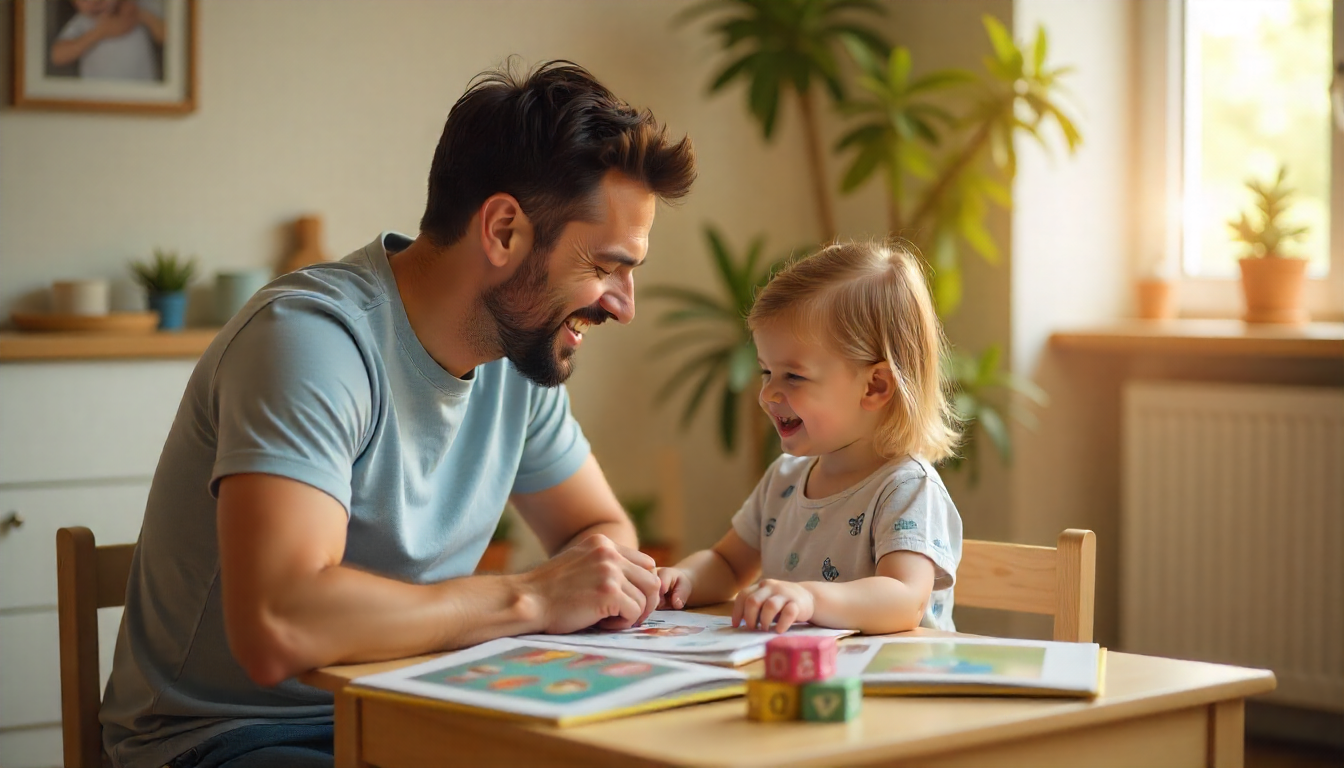
Key ways parents support language development:
- Engaging in back-and-forth conversations, even with infants
- Reading aloud regularly, starting from birth
- Narrating daily activities to expand vocabulary
- Singing songs and reciting nursery rhymes
- Responding enthusiastically to children’s attempts at communication
Research shows that children who experience rich language environments at home develop stronger vocabulary, better reading comprehension, and superior communication skills throughout their academic careers.
Social and Emotional Learning
Beyond academics, parents are their children’s first teachers of emotional intelligence and social skills. Through daily interactions, parents model how to navigate emotions, build relationships, and interact with others respectfully.
Essential social-emotional lessons parents teach:
- Recognizing and naming emotions
- Developing empathy and compassion
- Learning self-regulation strategies
- Building confidence and self-esteem
- Understanding social norms and expectations
- Developing problem-solving skills
When you make little ones feel comforted, safe and loved, they will build self-confidence. Creating stimulating and engaging learning opportunities lets little ones develop a love of learning. When you offer support and praise, your child will be encouraged to try their best. Explore our article on nurturing social-emotional skills in kids for more strategies parents can use to foster empathy, self-regulation, and resilience.
Cognitive and Academic Readiness
Parents naturally introduce early academic concepts through play and daily routines. These informal learning experiences often prove more impactful than formal instruction because they occur in meaningful, contextual situations.
How parents foster cognitive development:
- Counting objects during daily activities
- Identifying colors, shapes, and patterns in the environment
- Encouraging curiosity through questioning and exploration
- Providing hands-on learning experiences
- Supporting problem-solving through guided discovery
- Building memory skills through storytelling and reminiscing
The Home as the First Classroom: Creating Effective Learning Environments
Your home doesn’t need expensive educational materials to be an effective learning environment. The most powerful teaching tools are often the simplest: your attention, engagement, and intentional interaction with your child.

Essential Elements of a Home Learning Environment
Rich Literacy Environment:
- Books accessible at your child’s level
- Print materials are visible throughout the home
- Regular reading routines
- Writing materials are readily available
- Labels on everyday household items
Numeracy-Rich Spaces:
- Counting opportunities in daily routines
- Measuring tools in the kitchen
- Games that involve numbers and patterns
- Calendars and clocks for time concepts
- Sorting and categorizing activities
Creative Expression Areas:
- Art supplies for drawing and crafting
- Musical instruments or noise makers
- Dress-up clothes for imaginative play
- Building materials like blocks or LEGOs
- Open-ended materials that encourage creativity
The Impact: Research-Backed Benefits of Parental Teaching
The benefits of effective parental involvement in early learning extend far beyond the preschool years. Parent involvement in a child’s early education is consistently found to be positively associated with a child’s academic performance, with effects lasting well into elementary school and beyond.
Academic Achievement Outcomes
Studies consistently demonstrate that children whose parents actively engage in their early learning show:
- Higher reading and math scores throughout elementary school
- Better school readiness skills
- Improved problem-solving abilities
- Enhanced critical thinking skills
- Greater motivation to learn
Long-Term Social Benefits
Beyond academics, children who receive quality early teaching from parents demonstrate:
- Better emotional regulation
- Stronger social relationships
- Higher self-confidence
- Greater resilience in facing challenges
- Improved communication skills
Multilevel model analyses showed that home-based family engagement was associated with higher emergent numeracy, emergent literacy, social-emotional functioning, and motor development.

Practical Strategies: Becoming an Effective First Teacher
Age-Appropriate Teaching Approaches
Infants (0-12 months):
- Respond consistently to cries and cues
- Engage in face-to-face conversations
- Read simple board books daily
- Provide sensory exploration opportunities
- Establish predictable routines
Toddlers (1-2 years):
- Expand on their words and sounds
- Introduce simple counting games
- Encourage exploration through play
- Read interactive books together
- Begin basic self-help skill instruction
Preschoolers (3-5 years):
- Engage in complex conversations
- Introduce letter recognition through play
- Practice writing through drawing and tracing
- Solve problems together
- Encourage independence in daily tasks
For parents interested in exploring the benefits of hands-on learning in more detail, check out our article on 7 Powerful Benefits of Hands-On Learning for Kids.
Making the Most of Everyday Moments
The most effective parent-teachers understand that learning opportunities exist in every moment. Cooking becomes a math lesson, grocery shopping turns into a reading exercise, and bedtime stories become language development sessions.
Transform daily routines into learning opportunities:
- Mealtime: Practice counting, colors, textures, and healthy eating habits
- Bath time: Explore concepts like volume, temperature, and cause-and-effect
- Car rides: Play word games, count objects, and discuss surroundings
- Bedtime: Read stories, practice reflection, and establish security routines
- Household chores: Teach responsibility, sequencing, and life skills
Overcoming Common Challenges
“I Don’t Feel Qualified to Teach”
Many parents worry that they lack the expertise to effectively teach their children. The truth is, whether you’ve had training or not, you are your child’s first teacher. Your love, attention, and consistent interaction are more valuable than any formal training.
Time Constraints
Modern parents often struggle with finding time for intentional teaching. The solution isn’t necessarily adding more activities to your schedule—it’s about making existing interactions more purposeful and engaging.
Technology Balance
While technology can be a helpful supplement, relying on hands-on, educational coloring activities—like our Educational Coloring Sheets for Kids—ensures children continue to benefit from tactile learning and imaginative play. Use technology to supplement, not substitute, your role as your child’s primary teacher.
Building Support Networks: Connecting with Other Resources
Effective parent-teachers understand that they do not have to work alone. Building connections with other parents, early childhood educators, and community resources can enhance your effectiveness as a child’s first teacher.
Valuable support resources include:
- Parent-child playgroups
- Library story times and programs
- Early childhood education centers
- Pediatric healthcare providers
- Online parenting communities and resources
Measuring Success: Recognizing Your Impact
Success as a child’s first teacher isn’t measured by how early they read or count, but by their overall development and love of learning. Look for signs that your teaching is making a difference:
- Curiosity and willingness to explore
- Confidence in attempting new challenges
- Joy and engagement during learning activities
- Strong communication skills for their age
- Positive relationships with others
- Emotional regulation and resilience
The Lasting Legacy: Why Your Role Matters
As your child’s first teacher, you’re not just preparing them for kindergarten—you’re shaping the adult they’ll become. The lessons you teach about curiosity, persistence, kindness, and learning will influence their approach to challenges, relationships, and opportunities throughout their entire life.
Parents are their children’s first and most influential teachers. This influence extends far beyond academic skills to encompass values, character, and life perspectives that will guide your child for decades to come.
Your role as a first teacher is both a tremendous opportunity and a responsibility. By embracing this role with intention, creativity, and love, you’re giving your child the most incredible gift possible: a strong foundation for lifelong success and happiness.
The journey of being your child’s first teacher isn’t always easy, but it’s always worthwhile. Every moment you invest in their early learning creates ripple effects that will benefit them—and society—for generations to come. Start where you are, use what you have, and trust in the profound impact of your daily interactions with your child.
Ready to embrace your role as your child’s first teacher? Start today by choosing a straightforward activity—reading a book together, counting items during snack time, or having a conversation about their day. Small, consistent actions create profound impacts on your child’s development and future success.