The Complete Parents’ Guide to Raising Socially and Emotionally Strong Kids
Developing social and emotional skills in young children isn’t just about teaching them to say “please” and “thank you”—it’s about building the foundation for lifelong success, healthy relationships, and emotional well-being. Social-emotional development covers two essential concepts: the development of self or temperament and relationship to others or attachment, making it crucial for parents and caregivers to understand how to nurture these skills effectively.
Research shows that children with strong social-emotional foundations perform better academically, have healthier relationships, and demonstrate greater resilience throughout their lives. This comprehensive guide will equip you with evidence-based strategies, practical activities, and expert insights to support your child’s emotional growth during these critical early years.
Understanding Social-Emotional Development: The Building Blocks of Success
Social-emotional development encompasses a child’s ability to understand and manage emotions, establish positive relationships, and make responsible decisions. These skills include self-regulation, compliance, adaptive functioning, autonomy, affect, social-communication, and interaction with people—all essential for school readiness and future success.
The Seven Core Areas of Social-Emotional Development
Self-Regulation: The ability to manage emotions, attention, and behavior in goal-directed ways. This includes controlling impulses, managing stress, and adapting to changing situations.
Compliance: Following rules and directions while understanding social expectations and boundaries.
Adaptive Functioning: Using communication and daily living skills to meet personal needs and respond to environmental demands.
Autonomy: Developing independence and self-confidence while maintaining appropriate connections to others.
Affect: Expressing and experiencing emotions in ways that facilitate relationships and learning.
Social-Communication: Using verbal and nonverbal communication to interact with others effectively.
Interaction with People: Engaging with others in socially appropriate ways and developing meaningful relationships.
Age-Specific Milestones and What to Expect
Infants and Toddlers (0-24 Months)
During the earliest years, babies begin developing trust through consistent, responsive caregiving. They learn to self-soothe and start showing preferences for familiar people. Key milestones include:
- Responding to their name and showing stranger awareness
- Beginning to show empathy when others are distressed
- Developing attachment relationships with primary caregivers
- Starting to communicate needs through crying, gesturing, and early words
Toddlers (24-36 Months)
Children need practice to learn to share, take turns, resolve conflicts, and experience the joy of friendship. This stage is characterized by:
- Increased independence and assertion of will
- Beginning to engage in parallel play with other children
- Learning basic emotion words and starting to identify feelings
- Developing early empathy and concern for others
Preschoolers (3-5 Years)
Preschool years mark significant growth in social-emotional skills. Children begin to use words to express feelings and needs, engage in cooperative play, and demonstrate problem-solving skills in social situations. Key developments include:
- Better emotional regulation and impulse control
- Increased ability to share and take turns
- Growing understanding of social rules and expectations
- Development of friendships and peer relationships
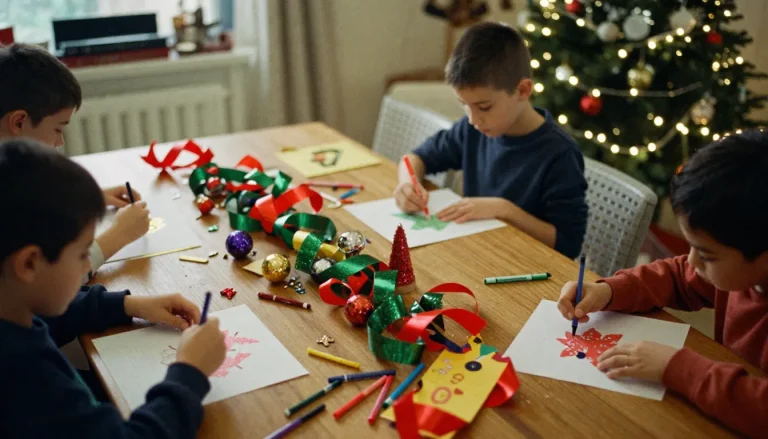
To ease transitions and promote self-confidence during preschool years, try downloadable back-to-school coloring pages for emotional and academic readiness.
Evidence-Based Strategies for Supporting Social-Emotional Growth
Our approach aligns well with the platform’s social-emotional learning coloring resources, which emphasize art as a tool for character development.
1. Create a Nurturing, Responsive Environment
Trusting relationships and intentional teaching improve young children’s social and emotional health. Establish consistent routines, provide emotional safety, and respond sensitively to your child’s needs.
Practical Applications:
- Maintain predictable daily schedules
- Create calm-down spaces for emotional regulation
- Use positive reinforcement to acknowledge good behavior
- Model the emotional responses you want to see
2. Teach Emotional Vocabulary and Recognition
Help children identify, name, and understand emotions through various methods:
- Read books that explore different feelings and situations
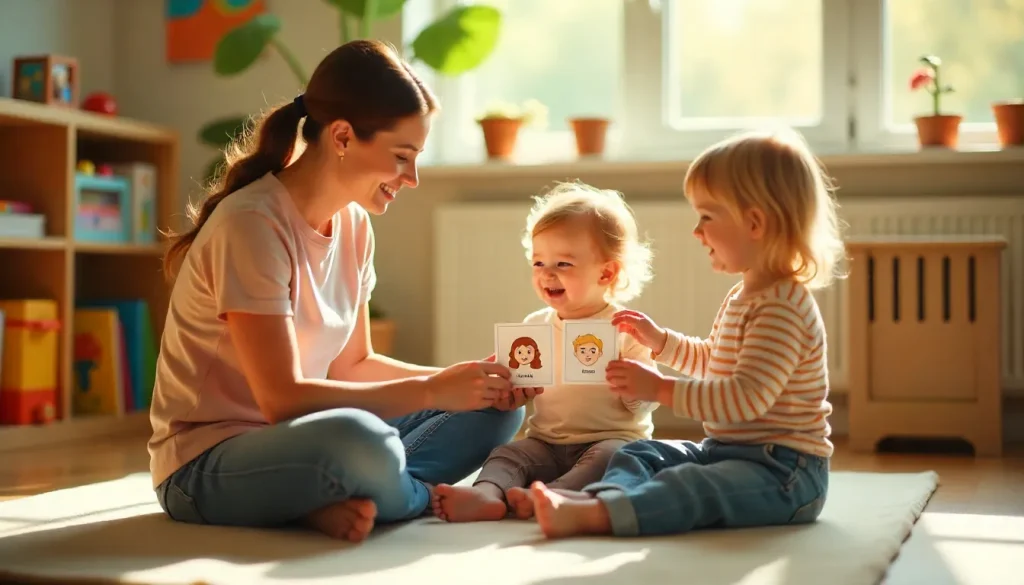
- Use emotion cards or feeling faces to discuss emotions
- Label emotions as they occur: “I see you’re feeling frustrated because your tower fell.”
- Create emotion journals or feeling charts
Using art-based tools like coloring pages that support emotional expression and self-regulation can reinforce emotion vocabulary.
3. Implement Breathing and Relaxation Techniques
Children are never too young to learn emotional regulation strategies, such as breathing and progressive muscle relaxation. Teach simple techniques like:

- Belly breathing exercises
- Progressive muscle relaxation
- Mindfulness activities adapted for young children
- Physical movement to release tension
4. Foster Social Skills Through Play
Art projects, making music, sand or water play are all options that can keep conflicts to a minimum while building social skills. Encourage:
- Cooperative games and activities
- Role-playing different social scenarios
- Group projects that require collaboration
- Structured social interactions with peers
5. Develop Problem-Solving and Conflict Resolution Skills
Teach children powerful words and phrases they can use, such as “Stop“ or ”I don’t do that” when they feel uncomfortable. Additional strategies include:

- Teaching the “STOP“ THINK, ACT” method
- Practicing negotiation skills through everyday situations
- Encouraging children to express their needs clearly
- Guiding them through conflict resolution steps
Practical Activities to Boost Social-Emotional Development
Daily Living Activities
Transform routine activities into learning opportunities:
- Mealtime Conversations: Discuss emotions, share daily experiences, and practice social skills
- Bedtime Routines: Reflect on the day’s emotions and challenges
- Household Chores: Teach responsibility and cooperation through age-appropriate tasks
- Shopping Trips: Practice patience, following directions, and social interaction
Play-Based Learning
Incorporate learning into natural play experiences:
- Dramatic Play: Use dress-up and pretend play to explore different emotions and scenarios
- Board Games: Teach turn-taking, following rules, and managing disappointment
- Building Activities: Encourage cooperation and problem-solving through construction play
- Music and Movement: Express emotions through creative movement and song
Structured Learning Activities
Design specific activities to target social-emotional skills:
- Emotion Charades: Act out different feelings for others to guess
- Feeling Thermometer: Use visual tools to help children rate their emotional intensity
- Social Stories: Create narratives about social situations and appropriate responses
- Kindness Challenges: Establish daily goals for acts of kindness and empathy
Common Challenges and Solutions
Managing Big Emotions
Young children often struggle with intense emotions. Support them by:
- Validating their feelings while setting boundaries on behavior
- Teaching coping strategies before meltdowns occur
- Creating visual cues for emotional regulation techniques
- Remaining calm and patient during emotional storms
Social Difficulties
If your child struggles with peer interactions:
- Arrange structured playdates with clear activities
- Practice social skills through role-playing
- Discuss social situations and appropriate responses
- Seek support from teachers or counselors if needed
Behavioral Challenges
Address challenging behaviors by:
- Identifying underlying needs or emotions
- Implementing consistent consequences
- Teaching replacement behaviors
- Collaborating with childcare providers for consistent approaches
Supporting Social-Emotional Development at Different Settings
At Home
Create a foundation for emotional growth by:
- Establishing family rules and expectations
- Having regular family meetings to discuss challenges
- Celebrating emotional milestones and growth
- Providing one-on-one attention for each child
At School or Childcare
Preschool-age children need daily opportunities to participate in activities that help them learn new social-emotional skills in fun, stimulating, and supportive environments. Work with educators to:

- Share information about your child’s social needs
- Align home and school approaches to social-emotional learning
- Participate in school programs focused on character development
- Support teacher-led social-emotional initiatives
Red Flags: When to Seek Professional Support
While children develop at different rates, sure signs may indicate the need for additional support:
- Persistent difficulty managing emotions despite consistent support
- Inability to form relationships with peers or adults
- Extreme withdrawal or aggression in social situations
- Regression in previously mastered skills
- Chronic anxiety or fearfulness that interferes with daily activities
Comparison of Social-Emotional Development Approaches
Approach | Age Range | Key Focus |
|---|---|---|
Attachment-Based | 0-3 years | Building secure relationships |
Play-Based Learning | 2-6 years | Learning through natural play |
Social Stories | 3+ years | Narrative-based learning |
Mindfulness-Based | 4+ years | Present-moment awareness |
Peer-Mediated | 3+ years | Learning through social interaction |
The Long-Term Impact of Early Social-Emotional Development
Investing in your child’s social-emotional development during the early years pays dividends throughout their lifetime. Children with strong social-emotional skills demonstrate:
- Better academic performance and school engagement
- Healthier relationships with family, friends, and colleagues
- Greater resilience in facing life’s challenges
- Improved mental health and overall well-being
- Enhanced leadership abilities and career success
Frequently Asked Questions
Building Your Child’s Emotional Intelligence Foundation
Developing social and emotional skills in young children requires patience, consistency, and intentional effort. By understanding developmental milestones, implementing evidence-based strategies, and creating supportive environments, you can help your child build the emotional intelligence they need for success.
Remember that every child develops at their own pace, and what works for one may not work for another. Stay flexible, celebrate small victories, and don’t hesitate to seek professional guidance when needed. The investment you make in your child’s social-emotional development today will serve as the foundation for their happiness and success throughout their entire life.
Your role as a parent or caregiver in nurturing these skills cannot be overstated. Through your loving guidance, consistent support, and patient teaching, you’re giving your child the most incredible gift possible: the ability to understand themselves, connect with others, and navigate the world with confidence and resilience.