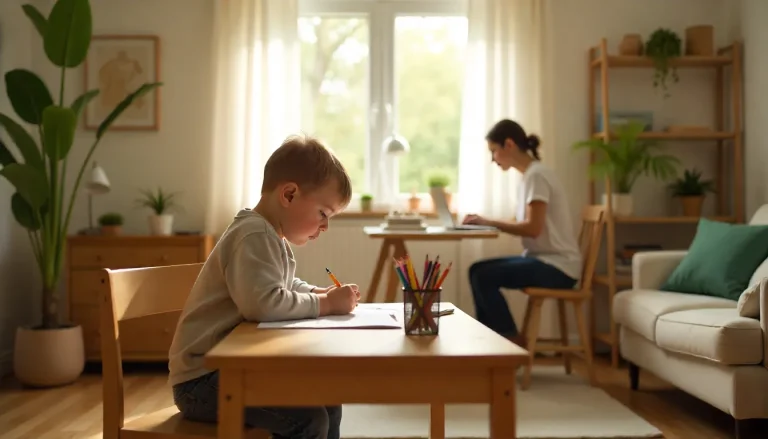
Coloring Pages vs. Screen Time: Why Printables Are Still Important for Kids
In today’s digital-first world, where children are surrounded by tablets, smartphones, and interactive screens from birth, the humble coloring page might seem like a relic of the past. Yet research consistently shows that printable coloring activities remain one of the most potent tools for child development, offering unique benefits that screen time simply cannot replicate.
With the average child spending over seven hours daily on screens, parents are increasingly questioning whether this digital immersion is helping or hindering their children’s growth. The answer lies in understanding how coloring pages vs. screen time impacts developing minds and why maintaining a balance between digital and analog activities is crucial for optimal child development.
This comprehensive guide explores the science behind why printable coloring pages continue to be essential for children’s cognitive, emotional, and physical development, despite living in an increasingly digital world.
The Digital Dilemma: Understanding Modern Screen Time Challenges
Current Screen Time Statistics and Concerns
A landmark National Institutes of Health (NIH) study that began in 2018 found that children who spent more than two hours a day on screen-time activities scored lower on language and thinking tests. Some children with more than seven hours a day of screen time experienced concerning changes in brain structure.
After 1 hour per day of use, more hours of daily screen time were associated with lower psychological well-being, including less curiosity, lower self-control, more distractibility, more difficulty making friends, less emotional stability, being more challenging to care for, and an inability to finish tasks.
These findings highlight a critical concern: while technology offers educational benefits, excessive screen time can negatively impact children’s development in ways that printable activities like coloring pages can help counteract.

The Passive vs. Active Learning Debate
Screen-based activities often promote passive consumption, where children receive information without actively engaging their motor skills or creative thinking. In contrast, coloring pages require active participation, engaging multiple developmental areas simultaneously.
The neurological differences between digital and analog activities are significant. When children color on paper, they activate different brain regions than when they interact with screens, promoting more comprehensive neural development.
The Timeless Power of Coloring Pages: Beyond Simple Entertainment
Fine Motor Skills Development
Between the grip of a coloring utensil (color pencils, crayons, etc.) and the drawing precision a child begins to develop over time, coloring is a great way to help children build fine motor skills and hand strength. In developing these muscles, you set your child up for improved writing skills that form the foundation for academic success.
The physical act of gripping crayons, controlling pressure, and making precise movements within boundaries strengthens the small muscles in the hands and fingers. This development is crucial for later skills like writing, typing, and manipulating small objects.
Cognitive Development Through Color Recognition
The simple act of coloring can help a child learn about lines, shapes, forms, perspective, boundaries and patterns. By learning to recognize all of those things, especially different patterns, kids actually develop pre-reading and pre-math skills, which will undoubtedly help them later in school.
Unlike screen-based activities that often provide instant gratification, coloring pages require children to plan, make decisions, and see projects through to completion. This process builds executive function skills that are essential for academic and life success.
Emotional Regulation and Stress Relief
Coloring pages for kids also promote stress relief, better handwriting, self-expression, patience and perseverance, social skills, and improved academic performance. The meditative nature of coloring helps children process emotions and develop coping strategies.
When children engage with coloring pages, they enter a state similar to mindfulness meditation. This calm, focused state helps regulate emotions and provides a healthy outlet for stress and anxiety.
Screen Time vs. Coloring Pages: A Detailed Comparison
Attention Span and Focus Development
Aspect | Screen Time | Coloring Pages |
|---|---|---|
Attention Duration | Short bursts with instant rewards | Extended focus building gradually |
Concentration Quality | Fragmented, multi-stimuli | Deep, sustained concentration |
Completion Satisfaction | Immediate but temporary | Lasting sense of accomplishment |
Focus Building | Often decreases over time | Progressively improves attention span |
Physical Development Impact
Screen Time Challenges:
- Limited fine motor skill development
- Reduced hand-eye coordination opportunities
- Potential for poor posture and eye strain
- Decreased tactile sensory experiences
Coloring Pages Benefits:
- Activities like children colouring pages and sheets will help them to hold the writing tool the correct way. This will improve your children’s handwriting. The basic coordination skills, like the proper way of holding writing instruments, are developed through regular coloring practice.
- Enhanced bilateral coordination as children use both hands
- Improved spatial awareness and visual perception
- Strengthened finger and wrist muscles
Creativity and Self-Expression
While digital tools offer endless possibilities, they can sometimes overwhelm children with too many options. Coloring pages provide a structured framework that encourages creativity within boundaries, helping children develop decision-making skills and personal artistic expression.
The tactile experience of paper and crayons engages sensory pathways that screens cannot replicate, contributing to more well-rounded neural development.
The Neurological Benefits: What Science Reveals
Brain Development Differences
Research shows that activities involving physical manipulation of objects activate different neural pathways than screen-based interactions. When children color, they engage:
- Motor cortex: Controlling hand movements and grip strength
- Visual cortex: Processing colors, shapes, and spatial relationships
- Prefrontal cortex: Planning and executive function
- Sensory cortex: Processing tactile feedback from paper and crayons

Memory and Learning Enhancement
It enhances their motor skills and hand-eye coordination and stimulates their creativity and cognitive development. Moreover, it can be a great way to introduce toddlers to different colors, shapes, and objects. Coloring can also help toddlers express their feelings and emotions, promoting emotional intelligence and self-awareness.
The multi-sensory nature of coloring creates stronger memory pathways than purely visual screen experiences. Children remember information better when it’s associated with physical actions and tactile experiences.
Age-Appropriate Benefits: From Toddlers to Tweens
Early Childhood (Ages 2-5)
For toddlers and preschoolers, coloring pages offer:
- Color recognition and vocabulary building
- Shape identification and geometric awareness
- Beginning understanding of boundaries and rules
- Emotional expression through color choices
- Pre-writing skill development
School Age (Ages 6-10)
Elementary school children benefit from:
- Improved handwriting readiness
- Enhanced concentration for academic tasks
- Stress relief from school pressures
- Social bonding through shared coloring activities
- Cultural and educational content exploration

Pre-teens (Ages 11-12)
Older children experience:
- Advanced fine motor skill refinement
- Mindfulness and anxiety management
- Creative problem-solving opportunities
- Social connection through collaborative projects
- Academic subject reinforcement through themed pages
Practical Integration: Balancing Digital and Analog Activities
Creating a Balanced Activity Schedule
Daily Structure Recommendations:
- Morning: 30 minutes of coloring before screen time
- After school: Coloring as a transition activity
- Evening: Screen-free coloring time before bed
- Weekend: Extended creative sessions with family
Making Coloring Pages More Engaging
Enhancement Strategies:
- Create themed coloring sessions tied to learning objectives
- Use coloring pages as rewards for completed tasks
- Incorporate storytelling with coloring activities
- Organize family coloring competitions
- Connect coloring to current events or seasons
Technology Integration Without Replacement
Rather than viewing coloring pages and screen time as competing forces, consider hybrid approaches:
- Digital coloring apps for travel convenience
- Printable coloring pages with QR codes linking to related content
- Educational videos that inspire coloring projects
- Online communities sharing coloring achievements
Addressing Common Concerns and Misconceptions
“Coloring is Old-Fashioned”
This misconception ignores the timeless developmental benefits that remain relevant regardless of technological advances. The fundamental ways children’s brains develop haven’t changed, even if their environment has.
“Digital Tools Are More Educational”
While digital tools offer certain advantages, they cannot replace the neurological benefits of physical manipulation and tactile feedback. The most effective approach combines both digital and analog experiences.
“Coloring Takes Too Much Time”
In our fast-paced world, the deliberate pace of coloring is actually a benefit, not a drawback. It teaches patience, perseverance, and the value of slow, mindful activity.
Future-Proofing Child Development
Essential Skills for Tomorrow
As artificial intelligence and automation reshape the workforce, uniquely human skills become more valuable:
- Creativity and artistic expression
- Emotional intelligence and empathy
- Fine motor skills and manual dexterity
- Patience and sustained attention
- Problem-solving and critical thinking
Coloring pages help develop all these skills in ways that screen time alone cannot achieve.
Building Resilience Through Analog Activities
Children who engage regularly with non-digital activities like coloring develop greater resilience and adaptability. They learn to find satisfaction in simple pleasures and develop coping strategies that don’t rely on technology.
Conclusion: The Irreplaceable Value of Printable Coloring Pages
The debate between coloring pages vs. screen time isn’t about choosing one over the other – it’s about recognizing that both have essential roles in child development. However, the unique benefits of printable coloring pages – from fine motor skill development to emotional regulation – cannot be replicated by digital alternatives.
As we navigate an increasingly digital world, maintaining space for analog activities like coloring becomes more critical, not less. These simple sheets of paper offer powerful developmental benefits that help children build the foundation skills they need for academic success, emotional well-being, and creative expression.
The next time you consider whether to hand your child a tablet or a coloring page, remember that both serve essential purposes. But for developing the whole child – mind, body, and spirit – printable coloring pages remain an irreplaceable tool in every parent’s arsenal.
By understanding and embracing the continued importance of coloring pages in our digital age, we can help children develop into well-rounded individuals who are prepared for success in both digital and analog worlds.