The Surprising Benefits of Coloring and Drawing for Mental Health and Development
In our fast-paced digital world, the simple acts of coloring and drawing have emerged as powerful tools for enhancing mental wellness, cognitive development, and creative expression. Far from being mere childhood pastimes, these artistic activities offer scientifically backed benefits that extend across all age groups, making them essential components of a healthy lifestyle and a holistic development approach.
The benefits of coloring and drawing encompass everything from stress reduction and anxiety management to improved motor skills and enhanced creativity. Whether you’re seeking therapeutic relief from daily pressures or looking to boost your cognitive abilities, understanding these remarkable advantages can transform how you view these accessible art forms. This comprehensive guide explores the multifaceted benefits of coloring and drawing as invaluable tools for personal growth and well-being.
The Science Behind Coloring and Drawing Benefits
Neurological Impact on Brain Function
Research reveals that coloring and drawing activities trigger significant changes in brain chemistry and neural pathways. When you engage in these creative pursuits, your brain releases endorphins—natural feel-good chemicals that promote relaxation and reduce stress hormones like cortisol. This neurological response creates a meditative state similar to what’s experienced during mindfulness practices.
The repetitive motions involved in coloring activate the brain’s reward system, promoting the production of dopamine and serotonin. These neurotransmitters play crucial roles in mood regulation, making artistic activities natural antidepressants that can help combat feelings of sadness and anxiety.
Studies have shown that coloring reduces activity in the amygdala, the brain’s fear center that triggers stress responses. This calming effect on the nervous system helps lower heart rate, decrease blood pressure, and promote overall physiological relaxation.

Cognitive Enhancement Through Art
Drawing and coloring serve as comprehensive brain workouts that simultaneously stimulate multiple cognitive functions. These activities enhance visual-spatial intelligence, improve pattern recognition, and strengthen memory consolidation processes. The act of choosing colors, planning compositions, and executing artistic visions creates new neural connections that support overall cognitive flexibility.
The focused attention required for detailed coloring work improves concentration span and mindfulness awareness. This enhanced focus translates to better performance in other areas of life, including work productivity and academic achievement.
Mental Health and Emotional Well-being Benefits
Parents and educators can also refer to our guide on social-emotional skills in kids, which explores how children learn to manage emotions, build relationships, and develop empathy through activities such as coloring and drawing.

Stress Relief and Anxiety Reduction
One of the most well-documented benefits of coloring and drawing is their remarkable ability to reduce stress and anxiety. The Mayo Clinic Health System confirms that coloring provides a healthy outlet for releasing tension while promoting mental clarity and emotional balance.
The meditative qualities of these activities help shift your focus away from worrisome thoughts and anchor your attention in the present moment. This mindful engagement creates a protective buffer against anxiety triggers and helps develop healthier coping mechanisms for managing life’s challenges.
Color therapy research suggests that specific hues can influence emotional states, with blue tones promoting calm and pink shades reducing aggression. By consciously selecting colors during artistic activities, you can actively influence your mood and emotional well-being.
Depression Management and Mood Enhancement
Coloring and drawing offer valuable support for individuals dealing with depression and mood disorders. The creative process provides a sense of accomplishment and purpose, combating feelings of helplessness often associated with depressive episodes.
These activities encourage self-expression without the pressure of verbal communication, making them particularly beneficial for those who struggle to articulate their emotions. The non-judgmental nature of art-making creates a safe space for processing complex feelings and experiences.
Regular engagement in coloring and drawing helps establish positive daily routines, which are crucial for maintaining mental health stability. The anticipation of creative time can provide something to look forward to, helping break cycles of negative thinking.
Building Self-Esteem and Confidence
Artistic activities naturally boost self-esteem by providing tangible evidence of personal capability and creativity. Each completed piece represents an achievement that reinforces feelings of competence and self-worth.
The process-oriented nature of art means that progress and improvement are visible over time, creating positive feedback loops that strengthen confidence in other areas of life. This confidence-building is significant for children and individuals recovering from setbacks or trauma.
Cognitive Development and Learning Enhancement
Fine Motor Skills and Hand-Eye Coordination
Drawing and coloring significantly improve fine motor control and hand-eye coordination through repeated practice of precise movements. These skills are fundamental for numerous daily activities, from writing and typing to performing surgical procedures and playing musical instruments.
For children, developing these motor skills through art activities prepares them for academic success, particularly in writing and mathematics, where precise hand control is essential. Adults can maintain and improve their dexterity through regular artistic practice, potentially preventing age-related decline in motor skills.
Bilateral brain stimulation during drawing helps strengthen neural pathways between the hemispheres, improving overall coordination and cognitive integration.
Memory and Learning Support
The multi-sensory nature of coloring and drawing creates multiple memory pathways that enhance information retention and recall. When you draw something, you engage visual, kinesthetic, and spatial memory systems simultaneously, creating robust mental representations.
Studies demonstrate that students who take notes by drawing concepts retain information significantly better than those who only use text. This “drawing effect” extends to all ages and learning contexts, making artistic activities valuable study tools.
The planning and execution required for artistic projects strengthen executive function skills, including working memory, cognitive flexibility, and inhibitory control—all crucial for academic and professional success.
Problem-Solving and Critical Thinking
Artistic activities naturally develop problem-solving skills, as creators must navigate challenges such as color mixing, compositional balance, and the application of techniques. These creative problem-solving skills transfer to other areas of life, enhancing overall cognitive flexibility.
Drawing from observation requires careful analysis and attention to detail, strengthening critical thinking abilities and observational skills. These enhanced analytical capabilities improve professional performance and daily decision-making.
Physical Health Benefits
Pain Management and Physical Therapy
Coloring and drawing can serve as effective complementary therapies for pain management, providing mental distraction while promoting the release of natural pain-relieving endorphins. This dual action makes artistic activities valuable tools for chronic pain sufferers and individuals undergoing medical treatments.
For rehabilitation patients, drawing exercises help restore fine motor control and hand strength while providing motivation and engagement during recovery processes. The goal-oriented nature of artistic projects creates measurable progress markers that encourage continued therapeutic participation.
Sleep Quality Improvement
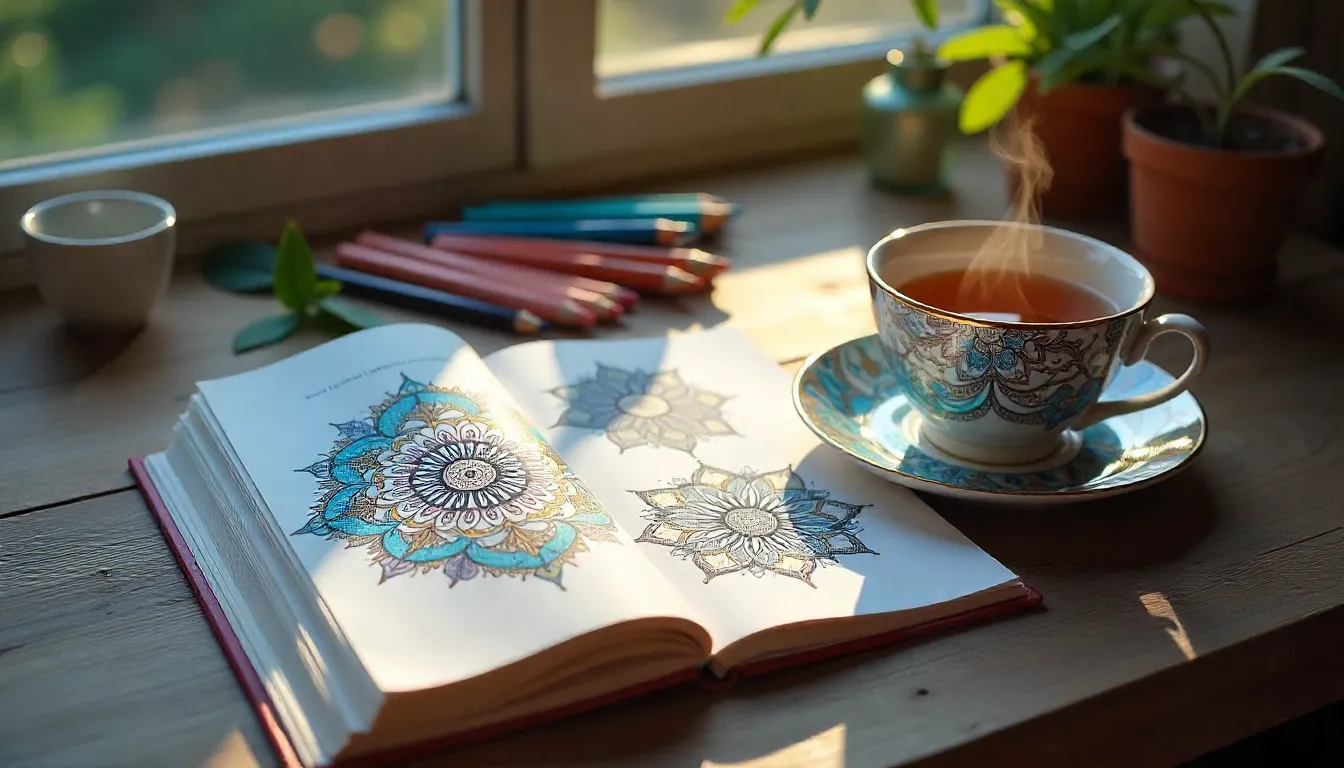
Regular artistic practice contributes to better sleep quality by reducing mental stimulation and promoting relaxation before bedtime. The calming effects of coloring help transition the mind from active daytime thinking to restful evening states.
Establishing evening art routines creates healthy sleep hygiene habits while providing screen-free activities that don’t interfere with natural circadian rhythms. This improved sleep quality supports overall physical and mental health.
Social and Communication Benefits
Enhanced Social Interaction
Coloring and drawing activities provide natural conversation starters and bonding opportunities for individuals of all ages. Group art sessions facilitate social connections while reducing social anxiety by fostering a shared focus on creative tasks.
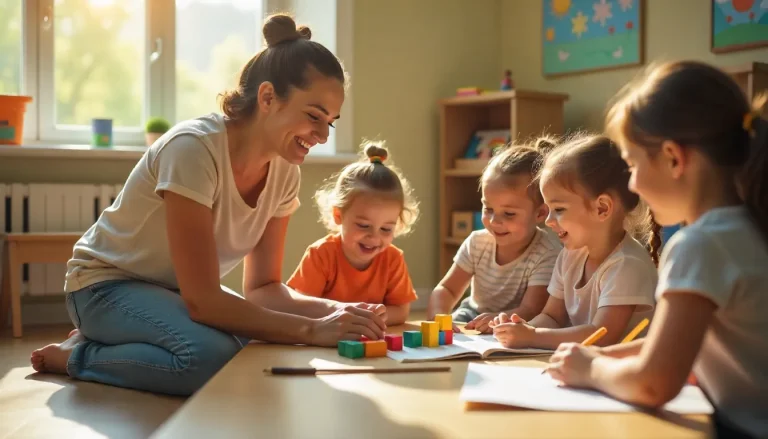
For children, collaborative art projects teach cooperation, sharing, and communication skills in low-pressure environments. These social benefits extend to adults participating in community art programs or family creative time.
Non-Verbal Expression and Communication
Art provides alternative communication channels for individuals who struggle with verbal expression due to trauma, developmental differences, or language barriers. Through colors, shapes, and images, people can communicate complex emotions and experiences that might be difficult to verbalize.
This non-verbal communication ability is particularly valuable in therapeutic settings, educational environments, and cross-cultural interactions where traditional communication methods may be limited.
Age-Specific Benefits
Benefits for Children (Ages 3-12)
- Early Development: Coloring helps toddlers recognize colors, shapes, and patterns while developing pre-writing skills
- Academic Preparation: Drawing activities prepare children for formal education by improving focus, following directions, and completing tasks completion
- Emotional Regulation: Art provides healthy outlets for expressing frustration, excitement, and other intense emotions
- Creativity Enhancement: Regular artistic practice nurtures innovative thinking and creative problem-solving abilities
In fact, as discussed in The Essential Role of Parents as the First Teachers in a Child’s Life, creating a rich home environment—including artistic and coloring activities—lays the foundation for academic readiness, emotional intelligence, and lifelong learning.
Benefits for Teenagers (Ages 13-18)
- Identity Exploration: Art provides safe spaces for exploring personal identity and self-expression during formative years
- Stress Management: Creative activities offer healthy coping mechanisms for academic and social pressures
- Skill Development: Artistic pursuits can develop into valuable technical skills for future career opportunities
- Mental Health Support: Art therapy techniques can address depression, anxiety, and other typical teenage mental health challenges
Benefits for Adults (Ages 18+)
- Work-Life Balance: Artistic hobbies provide necessary breaks from professional responsibilities and digital overwhelm
- Lifelong Learning: Creative pursuits maintain cognitive flexibility and learning capacity throughout adulthood
- Career Enhancement: Improved creativity, problem-solving, and attention to detail benefit professional performance
- Retirement Engagement: Art activities provide meaningful and engaging pursuits for retired individuals
Benefits for Seniors (Ages 65+)
- Cognitive Maintenance: Regular artistic practice helps maintain mental acuity and may delay cognitive decline
- Social Engagement: Community art programs provide social interaction opportunities and combat isolation
- Purpose and Meaning: Creative pursuits offer a sense of purpose and accomplishment during retirement years
- Physical Maintenance: Fine motor practice helps maintain dexterity and hand strength
Therapeutic Applications and Professional Use
Art Therapy Integration
Professional therapists increasingly incorporate coloring and drawing techniques into treatment plans for various mental health conditions. These activities complement traditional therapy approaches by providing alternative expression methods and engagement strategies.
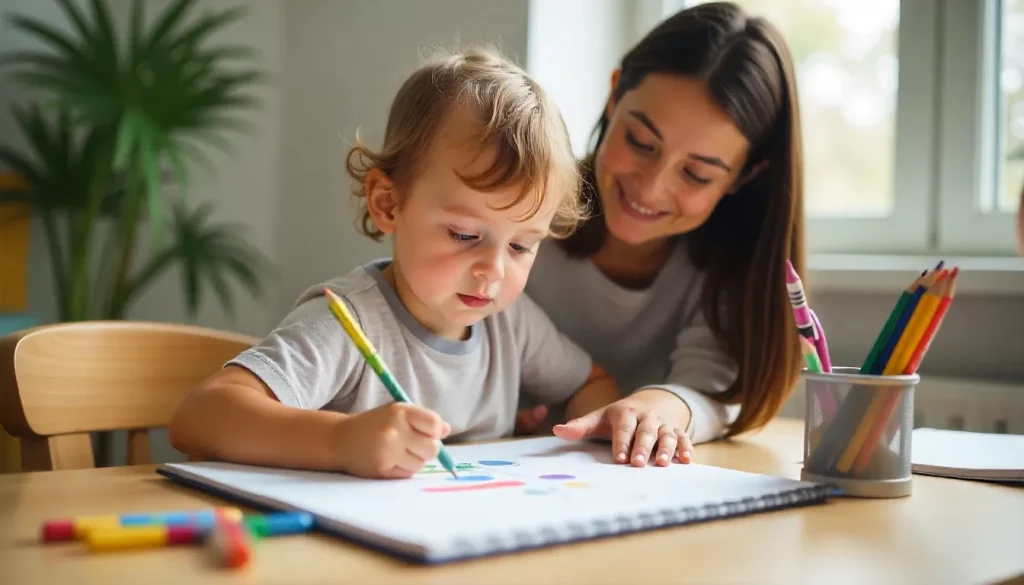
Therapeutic coloring sessions help clients process trauma, manage emotions, and develop coping strategies in supportive environments. The non-threatening nature of simple artistic activities makes them accessible to individuals who might resist other therapeutic interventions.
Educational Settings Implementation
Schools worldwide recognize the academic benefits of integrating art activities into curricula beyond traditional art classes. Cross-curricular applications include using drawing for science observation, visualizing mathematical concepts, and illustrating historical events.
Research supports that students who participate in regular art activities demonstrate improved academic performance, better behavior, and enhanced social skills compared to peers without artistic opportunities.
Workplace Wellness Programs
Progressive employers incorporate coloring and drawing activities into workplace wellness programs, recognizing their stress-reduction benefits and team-building potential. Creative breaks improve employee satisfaction, reduce burnout, and enhance overall productivity.
Lunchtime art sessions, stress-relief coloring corners, and team creative projects contribute to positive workplace cultures while supporting employee mental health.
Getting Started: Practical Implementation Tips
To add playful variety and inspire creativity, explore free ballerina coloring pages and craft ideas that let children express themselves artistically while also strengthening fine motor coordination.
Choosing the Right Materials
- For Beginners: Start with basic colored pencils or markers and simple coloring books
- For Children: Use washable, non-toxic materials and age-appropriate designs.
- For Advanced Practice: Invest in quality supplies, including fine-tip pens, professional colored pencils, and artist-grade paper
- For Convenience: Consider digital coloring apps for on-the-go creative sessions
Creating Optimal Environments
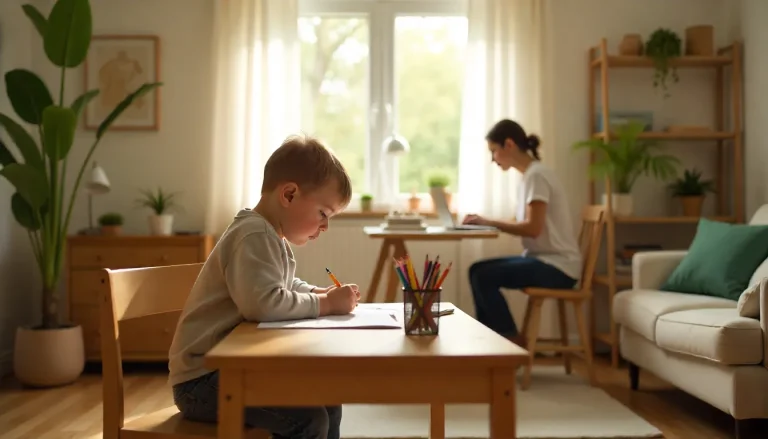
Establish dedicated creative spaces with good lighting, comfortable seating, and minimal distractions. This environmental preparation signals your brain that it’s time for relaxation and creativity.
Consider playing soft background music or nature sounds to enhance the meditative qualities of artistic activities. Avoid stimulating music that might interfere with the calming effects.
Establishing Consistent Routines
Integrate coloring and drawing into daily or weekly routines for maximum benefit. Even 15-20 minutes of regular artistic practice can lead to significant improvements in mental health.
Consider pairing art activities with other wellness practices, such as meditation, journaling, or relaxation exercises, to create comprehensive self-care routines.
Embracing the Transformative Power of Art
The benefits of coloring and drawing extend far beyond simple entertainment, offering scientifically backed improvements in mental health, cognitive function, and overall well-being. From stress reduction and anxiety management to enhanced creativity and improved motor skills, these accessible artistic activities provide valuable tools for personal development across all life stages.
Whether you’re seeking therapeutic relief from daily pressures, looking to enhance your cognitive abilities, or simply wanting to explore your creative potential, coloring and drawing offer pathways to improved mental and physical health. The beauty of these activities lies in their accessibility—requiring minimal investment while providing maximum benefits for practitioners of all skill levels.
As research continues to reveal the profound impacts of artistic engagement on human development and well-being, integrating coloring and drawing into daily routines becomes increasingly valuable. By embracing these simple yet powerful practices, you can unlock new dimensions of relaxation, creativity, and personal growth while contributing to your long-term mental and physical health.
Start your artistic journey today and discover the transformative benefits that await within the simple acts of coloring and drawing. Your mind, body, and spirit will thank you for this investment in holistic well-being and creative expression.