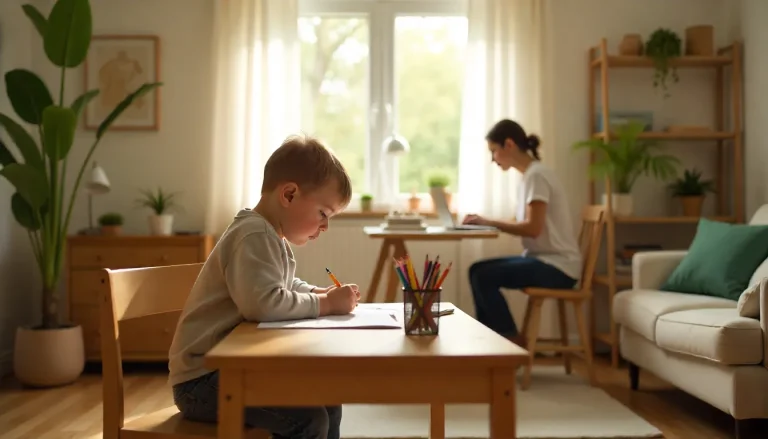
7 Genius Ideas To Teach Kids To Color Within The Lines
Ever watched your little one enthusiastically color a beautiful butterfly, only to see bright crayon marks sprawling far beyond the picture’s edges? You’re not alone. As a parent, you want to nurture your child’s artistic journey while helping them develop crucial skills that extend far beyond the coloring page. Here’s the exciting news: teaching your child to color within the lines isn’t just about creating prettier pictures—it’s about building a foundation for writing, coordination, and confidence that will serve them for years to come.
In this comprehensive guide, you’ll discover seven proven strategies that transform coloring time from a messy free-for-all into an engaging skill-building activity. These aren’t rigid rules that stifle creativity—they’re gentle techniques that empower your young artist to master precision while still celebrating their unique creative spirit.
Understanding When Kids Develop Line Awareness
Before diving into teaching techniques, let’s talk about realistic expectations. Children typically begin coloring around 18 months, though their initial attempts are usually far from precise, with fine motor skills and spatial awareness still developing. This is completely normal and healthy.
Most children start developing the ability to color within lines between ages 3 and 4, though experts advise against explicitly pressuring children, which could make the activity feel tedious. Every child progresses at their own unique pace, influenced by exposure to coloring activities, encouragement from caregivers, and innate motor skill development.
Here’s what you can expect at different stages:
Ages 18 Months to 3 Years: Your toddler is in the scribbling phase, making random marks and experimenting with colors. They’re exploring art materials without concern for boundaries—and that’s perfectly appropriate for this developmental stage.
Ages 3 to 4 Years: Children begin developing more hand movement control and can start coloring within lines with guidance. They’re showing progress in fine motor skills but still need patient support from adults.
Ages 4 to 5 and Beyond: Kids become increasingly proficient at staying within boundaries and may add more detail and complexity to their artwork. Their hand-eye coordination and muscle control have matured significantly.
The key takeaway? Patience and encouragement matter more than perfection. Focus on making the activity enjoyable rather than demanding strict adherence to lines, especially in the early years.
Why Teaching Line Coloring Matters More Than You Think
You might wonder if coloring within lines is really that important. After all, shouldn’t we encourage creative freedom? The truth is, this skill offers tremendous developmental benefits without sacrificing creativity.
Fine Motor Skill Enhancement: Research shows that coloring activities significantly improve fine motor coordination and steadiness of grip in children aged 4-5. These precise hand movements strengthen the small muscles needed for everyday tasks like writing, buttoning clothes, tying shoelaces, and using utensils properly.
Hand-Eye Coordination Mastery: Coordinating hand movements with visual information creates neural pathways crucial for countless future activities—from catching balls to playing musical instruments to eventually driving a car.
Focus and Concentration Development: Studies reveal that children regularly engaging in coloring activities show better task completion and increased attention to detail. This sustained attention transfers to academic learning and everyday tasks requiring concentration.
Spatial Awareness Growth: When children consider boundaries on a page, they develop spatial skills—the ability to understand relationships between shapes and objects. These skills are involved in everything from navigating new environments to excelling in STEM fields like engineering and architecture.
Confidence Building: Mastering line coloring provides a tangible sense of accomplishment. As children see their progress, they gain confidence that extends to tackling new challenges in various life aspects.
Writing Preparation: Writing also confines letters and words to limited spaces. The control developed through coloring translates directly to better handwriting abilities when formal writing instruction begins. Just as practicing with free printable coloring pages builds precision, writing also confines letters and words to limited spaces. The control developed through coloring translates directly to better handwriting abilities when formal writing instruction begins.
1. Master Brush and Tool Control From the Start
Think of this as teaching your child the “grammar” of art tools. Just as we learn to hold a pencil before writing sentences, children benefit from understanding how different tools work.
Start with variety. Provide both large and small paintbrushes along with washable paints or food coloring. Let your child explore creating color blobs on blank paper—this experimentation phase is crucial for understanding how tools respond to different pressures and movements.
The Grip Technique: Teach your child this fundamental principle: hold small brushes near the tip for detailed work, and grip larger brushes further from the tip for broader strokes. This positioning gives them optimal control for each tool’s purpose.
Why does this matter? Large brushes teach proper movement patterns for bigger coloring tools while building the muscle memory needed for controlled coloring within marked spaces. This foundation makes transitioning to crayons and markers much more intuitive.
Progressive Practice: Begin with finger painting to develop basic hand control, then move to thick brushes, and gradually introduce thinner tools as coordination improves. This progression mirrors natural motor skill development and prevents frustration from attempting tasks beyond current ability levels.
2. Build Hand Strength and Coordination Systematically
Coloring within lines requires substantial hand strength and refined eye-hand coordination—abilities that don’t develop overnight. The good news? You can strengthen these muscles through playful activities your child will love.
Hand Strengthening Activities:
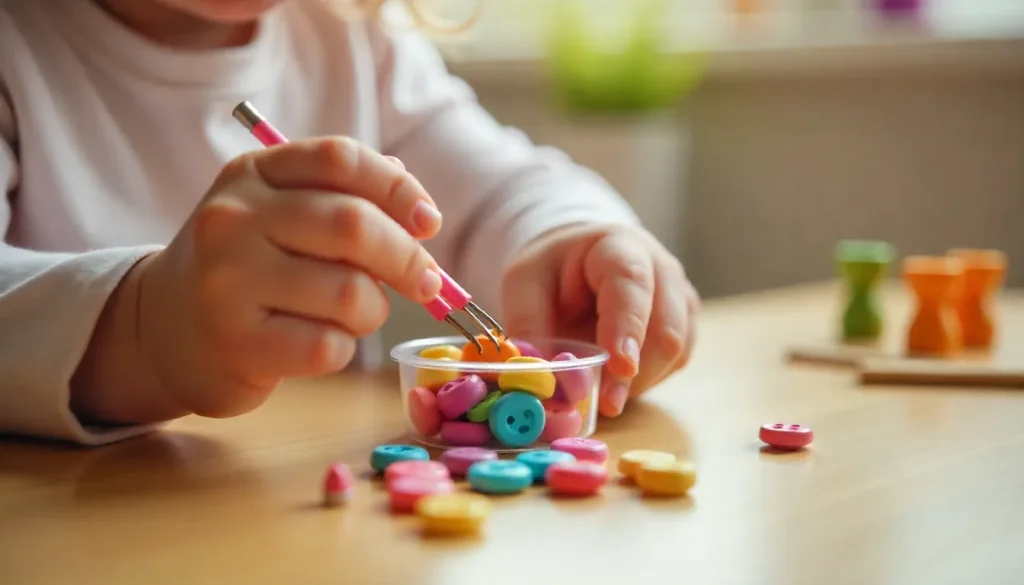
- Grasping and Moving: Have your child pick up small objects like buttons, pom-poms, or cereal pieces and move them from one container to another. This pincer grasp exercise directly translates to better crayon control.
- Squeezing Play: Provide stress balls, playdough, or therapy putty for regular squeezing practice. Even better, let your child squeeze spray bottles filled with water during bath time or for watering plants—this builds impressive hand strength.
- Pinching Tasks: Encourage pinching soft items like pillows, foam, or clothespins. These actions activate the same small muscles used when gripping coloring tools.
- Tweezers Practice: Give your child large, child-safe tweezers or tongs to pick up various objects. This activity simultaneously builds hand strength and hand-eye coordination—a double benefit.
Occupational therapists specifically recommend coloring as a resistive task that works the small muscles of the hand, with broken crayons requiring even more work for strengthening. The resistance of wax crayons against paper naturally builds the intrinsic hand muscles needed for precision work.
Coordination Exercises: Play catching games, stack blocks, thread large beads onto string, or practice pouring water between containers. These activities refine the visual-motor integration essential for coloring accuracy.
The beauty of this approach? Your child develops necessary skills through enjoyable play, making the learning process feel effortless and fun rather than like tedious practice.
3. Start With Thick Borders and Progress Gradually
One of the biggest mistakes well-meaning parents make is expecting children to master complex coloring pages too quickly. Success breeds success, so start where your child can actually succeed.
Initial Stage Strategy: Begin with images featuring thick, bold borders. These generous boundaries give your child room for small errors while still achieving the satisfaction of mostly coloring within lines. Look for coloring pages with borders at least 5-8mm wide. For beginners, explore our collection of simple coloring pages designed specifically for young learners with thick, bold outlines perfect for building confidence.
Why Thick Borders Work: They reduce frustration and build confidence. Your child experiences success early and often, which motivates continued practice. This positive reinforcement creates a virtuous cycle of practice leading to improvement leading to more practice.
Progressive Transition: As your child’s skills improve—you’ll notice straighter lines, fewer overshoots, and more consistent coloring—gradually introduce images with thinner borders. This progression might take weeks or months, and that’s perfectly normal.
Size Matters Too: Large images are actually easier for young children than small ones, even if the child loves the subject matter. Start with pictures where individual sections to be colored are at least 2-3 inches across, then work down to more detailed images.
Custom Solutions: If commercial coloring books seem too advanced, create your own simple outlines with thick markers. Draw basic shapes—circles, squares, triangles, simple houses with triangle roofs. These fundamental shapes are much easier to master than intricate designs.
4. Offer a Diverse Selection of Coloring Tools
Here’s a secret many parents don’t realize: the right tool makes all the difference. Just as adult artists have favorite brushes or pencils, children perform better with tools suited to their current abilities and hand size.
Crayon Variety: Provide crayons ranging from thin, standard-sized ones to thick, jumbo crayons. Let your child experiment and choose which size feels most comfortable and manageable. Some children prefer the control of thin crayons, while others need the easier grip of chunky versions.
Marker Options: Offer various marker sizes—from fine-tip to broad chisel-tip varieties. Different markers serve different purposes, and allowing choice empowers your child to select tools matching their skill level and the task at hand.
Alternative Tools: Don’t limit yourself to traditional options. Try:
- Colored pencils for children ready for more precision
- Oil pastels for smooth, satisfying color coverage
- Gel crayons that glide effortlessly across paper
- Triangular-shaped crayons that naturally encourage proper grip
The Broken Crayon Trick: Occupational therapists often recommend broken crayons (approximately 2 inches long) because they encourage a tripod grasp—the same grip used for writing. Children can’t wrap their whole hand around short crayons, naturally promoting finger-based control instead.
Tool Rotation: Keep multiple options available and rotate them periodically. This prevents boredom and helps children understand that different tools serve different artistic purposes—a sophisticated concept that will serve them throughout their creative development.
Let your child be the expert on what works best for their unique hands and abilities. This autonomy builds confidence and ensures they’re always working with optimal tools for skill development.

5. Practice Consistently With Engaging Variations
The old saying “practice makes perfect” holds true for coloring skills, but let’s be honest—repetitive practice can bore children quickly. The solution? Make practice varied, engaging, and genuinely fun.
Start With Guided Practice: Initially, sit beside your child and demonstrate the coloring technique. Gently hold their hand as you show how to follow along the line edge first, then fill in the center. This tactile learning helps many children understand the motion better than verbal instructions alone.
Verbal Guidance: As you color together, narrate the process: “We’re going to stay inside this line… slowly moving the crayon back and forth… watching carefully where the line curves…” This running commentary reinforces the cognitive aspect of the task.
Independent Practice Sessions: Once your child grasps the basic concept, step back and let them color independently. Stay nearby for encouragement and gentle reminders if needed, but allow them the satisfaction of completing tasks on their own.
Variety Keeps Interest High:
- Different Subject Matter: Rotate between animals, vehicles, nature scenes, favorite characters, and geometric patterns. Fresh subjects maintain enthusiasm.
- Various Complexity Levels: Mix simple pictures with slightly more challenging ones to prevent both boredom and frustration.
- Size Changes: Alternate between large pictures and smaller ones to develop versatility.
- Tool Switching: Use crayons one day, markers another, colored pencils next—each tool offers slightly different challenges and textures.
Frequency Over Duration: Short, daily coloring sessions (10-15 minutes) prove more effective than occasional marathon sessions. Regular practice builds muscle memory and reinforces learning without causing fatigue or resistance.
Real-World Application: Encourage your child to color greeting cards for family members, create artwork for their room, or illustrate their own stories. Purpose-driven coloring feels more meaningful than arbitrary practice. Transform ordinary practice into exciting craft projects by using your child’s completed coloring pages for DIY activities. Once they’ve mastered staying within the lines, their artwork can become bookmarks, greeting cards, or decorative wall art—giving purpose and meaning to their practice efforts.
6. Celebrate Progress With Strategic Rewards
Positive reinforcement accelerates learning and maintains motivation. However, the key is rewarding effort and progress rather than just perfect outcomes.
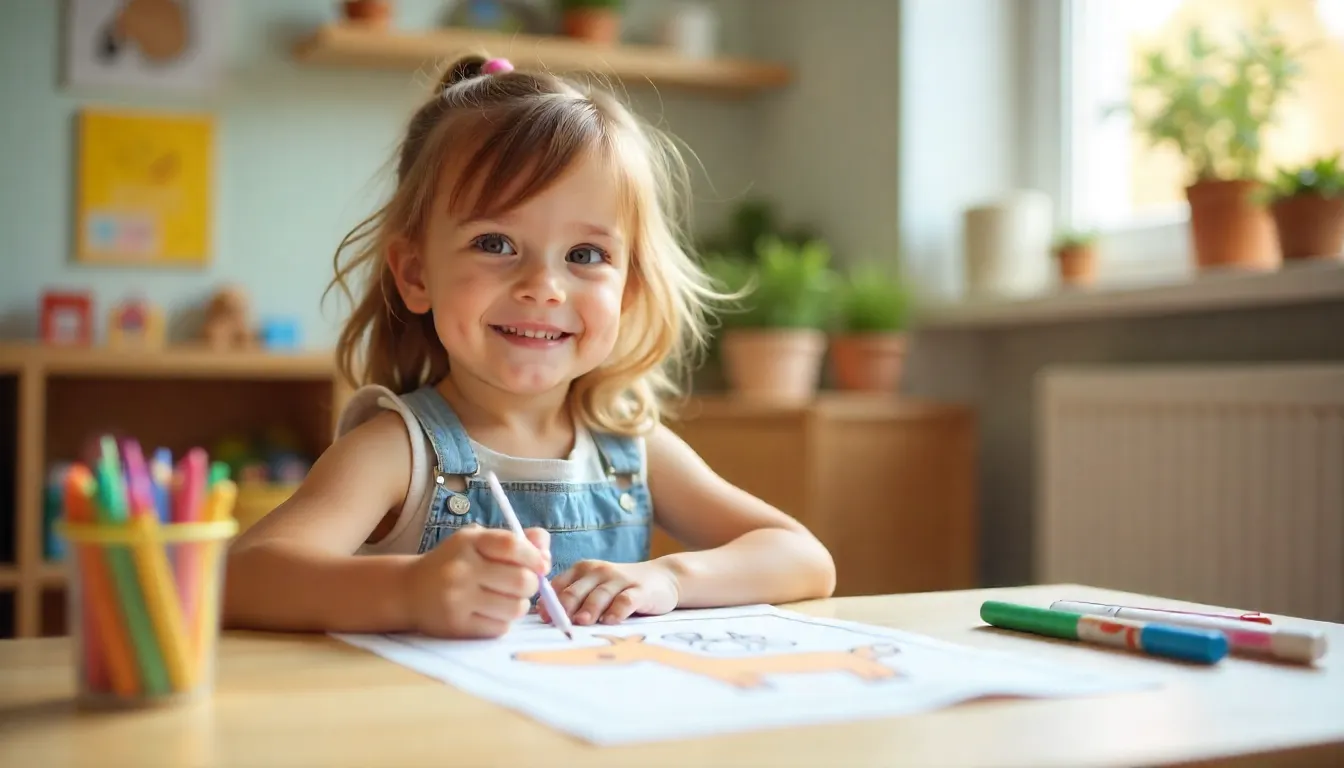
Immediate Verbal Praise: Offer specific, genuine compliments during coloring sessions: “I notice you’re staying really close to the line on this side—great control!” or “You’re taking your time and being so careful!” This immediate feedback connects effort with recognition.
Progress Tracking: Create a simple chart where your child can place a sticker each time they complete a coloring page. Watching their progress visually accumulate is tremendously motivating. After accumulating several stickers, celebrate with a special reward.
Coloring Book Rewards: As your child’s skills advance, gift them specialized coloring books that match their growing abilities. Look for books featuring:
- Intricate details that challenge improving skills
- Favorite themes (dinosaurs, princesses, vehicles, animals)
- Special features like textures or perforated pages they can display
Display Gallery: Dedicate wall space or a bulletin board as an “art gallery” for your child’s best work. Rotating favorites into prominent display positions shows you value their efforts and provides tangible evidence of improvement over time.
Non-Material Rewards: Sometimes the best rewards aren’t things—they’re experiences. Promise a trip to the park, extra story time, or choosing the family movie after completing certain milestones.
Avoid Negative Feedback: When coloring goes outside lines, resist the urge to criticize. Instead, notice and praise the parts that did stay within boundaries: “Look how well you colored this entire section!” This approach maintains confidence while still acknowledging areas for continued growth.
The goal is creating positive associations with coloring practice so your child views skill development as rewarding rather than tedious.
7. Employ Strategic Teaching Techniques for Success
Beyond tools and practice, specific teaching strategies can dramatically accelerate your child’s progress in mastering line awareness.
Edge-First Technique: Teach your child to color the edge of the outline first, carefully following the border, then fill in the center afterward. This approach provides a “guardrail” of color that makes staying within boundaries easier during the fill-in phase.
Direction Practice: Encourage different coloring strokes—side to side, up and down, circular motions, and diagonal movements. These varied movements work different muscle groups, with large spaces needing less precision using wrist movement while tiny details require finger-based control. Versatility in stroke direction improves overall control.
Start Small: If your child struggles with coloring, experts recommend starting with small pictures because large images can look like unreachable goals. A simple 2×3 inch image your child can complete in one sitting builds confidence better than an elaborate full-page scene they might abandon halfway through.
Slanted Surface Benefits: Occupational therapists often suggest having children color on a slanted surface rather than flat tables. This angle promotes better wrist position and visual angles. You can create a simple slant board by propping a binder or book at a 20-30 degree angle.
Bilateral Coordination: Encourage your child to use one hand to stabilize the paper while the other colors—this bilateral coordination is essential for many fine motor activities. If the paper slides around, even skilled children will struggle to maintain precision.
The Tracing Bridge: Before jumping to coloring within lines, have your child practice tracing thick lines on paper. Draw simple paths, mazes, or following dotted lines. This intermediate step builds line-awareness skills in a slightly easier context.
Mindful Coloring: Teach your child to occasionally pause and check their progress. This self-monitoring develops metacognition—awareness of their own process—which is valuable far beyond coloring activities.
Model Imperfection: Occasionally color something yourself and intentionally go slightly outside the lines, then cheerfully correct it. This demonstrates that mistakes are normal and fixable, reducing anxiety about perfection.

Common Challenges and How to Overcome Them
Even with the best strategies, you’ll likely encounter some hurdles. Here’s how to address common issues:
Challenge: My child gets frustrated and quits: Child development research emphasizes teaching a growth mindset—praising effort rather than outcomes. Say “I love how hard you’re trying!” instead of just “Beautiful picture!” This shifts focus from results to process.
Challenge: My child rushes and won’t slow down: This often indicates behavioral rather than motor issues. Implement a gentle reminder to “take your time” and model careful, deliberate coloring yourself. Sometimes children need permission to work slowly.
Challenge: My child holds crayons incorrectly: Don’t force grip changes too aggressively, as this can cause resistance. Instead, provide broken crayons and pencil grippers that naturally encourage proper positioning. The right grip often develops organically with the right tools.
Challenge: My child shows no interest in coloring: Try different themes, consider alternative art forms temporarily (painting, play-dough sculpting), or make coloring more social by doing it together or with siblings. Sometimes backing off pressure reignites natural interest.
Challenge: One hand is much better than the other: This is normal as hand dominance emerges. Focus practice on the preferred hand rather than forcing ambidexterity.
Creating the Ideal Coloring Environment
The physical environment significantly impacts your child’s coloring success. Optimize these factors:
Proper Seating: Your child should sit at a table with feet flat on the floor (or on a footrest) and the table surface at approximately elbow height. This positioning promotes better control and reduces fatigue.
Good Lighting: Ensure bright, even lighting without glare that helps your child clearly see lines and their coloring progress. Natural lighting works best when available.
Quality Materials: Invest in quality paper with some texture (rather than super-smooth paper) which helps crayons grab better, and download our free PDF coloring sheets optimized for standard home printers to ensure your child has professional-quality outlines to practice with.
Distraction-Free Space: Turn off TV, put away tablets, and minimize other distractions during coloring time. This helps develop focus and associate coloring time with calm concentration.
Organized Supplies: Keep coloring tools accessible and organized so your child can independently select materials, promoting autonomy and reducing setup friction that might discourage practice.
When to Seek Additional Support
If your child can’t color inside the lines once they enter first grade, experts recommend talking with their teacher and pediatrician to determine if a vision test or other assessment might be needed. While development varies widely, significant delays beyond age 6-7 may indicate underlying issues worth evaluating, such as:
- Visual perception difficulties
- Fine motor delays
- Hand-eye coordination challenges
- Attention difficulties
Early intervention from occupational therapists can address these issues effectively, so don’t hesitate to seek professional guidance if you have concerns.
Balancing Skill Development With Creative Freedom
Here’s an important reminder: teaching children to color within lines should enhance, not restrict, their creativity. The goal isn’t creating little robots who only color “correctly”—it’s developing motor skills while maintaining joy in artistic expression.
Encourage Both: Provide some structured coloring pages for skill practice and blank paper for free creative expression. Your child needs both experiences for well-rounded development.
Avoid Overcorrection: Let some “mistakes” go without comment. Constant criticism crushes enthusiasm and confidence.
Celebrate Creativity: When your child makes creative color choices or adds unique details to pictures, enthusiastically support these expressions of personality and imagination.
Respect Developmental Stages: Child development experts emphasize that forcing line adherence too early can stifle creativity, with plenty of other ways to practice fine motor skills. Match your expectations to your child’s developmental stage rather than arbitrary standards.
Building Skills That Last a Lifetime
Teaching your child to color within the lines is so much more than creating prettier pictures for the refrigerator gallery. You’re building fine motor strength, hand-eye coordination, spatial awareness, focus, and confidence—skills that will serve your child in writing, sports, music, and countless other pursuits throughout life.
The seven strategies we’ve explored—mastering tool control, building hand strength, progressing from thick to thin borders, offering tool variety, practicing consistently, celebrating progress, and employing strategic techniques—create a comprehensive approach that makes learning enjoyable rather than tedious.
Remember the golden rule: patience and encouragement trump perfection every time. Experts consistently emphasize focusing on the enjoyment of the activity rather than strict adherence to boundaries. When you maintain this perspective, coloring time becomes a joyful opportunity for connection, growth, and creativity rather than a source of stress or pressure.
Your child’s artistic journey is uniquely their own, unfolding at its own perfect pace. By providing the right tools, environment, guidance, and encouragement, you’re not just teaching coloring skills—you’re nurturing a confident, capable individual who approaches challenges with persistence and creativity.
So grab those crayons, settle in beside your little artist, and enjoy the process. The scribbles of today are building the skilled hands and focused mind of tomorrow. And someday, when your child writes their first letter or creates their first masterpiece, you’ll look back at these early coloring sessions with deep appreciation for the foundation they built—one careful stroke at a time.