Worm Coloring Sheets for Kids (Free PDF Printables)
Discover the wonderful world of wiggly creatures with our comprehensive collection of worm coloring sheets for kids! These engaging, educational printables transform screen time into creative learning adventures while teaching children about nature’s unsung heroes. Whether you’re a parent seeking quality activities or an educator looking for science-based resources, these free PDF printables offer the perfect blend of entertainment and education.








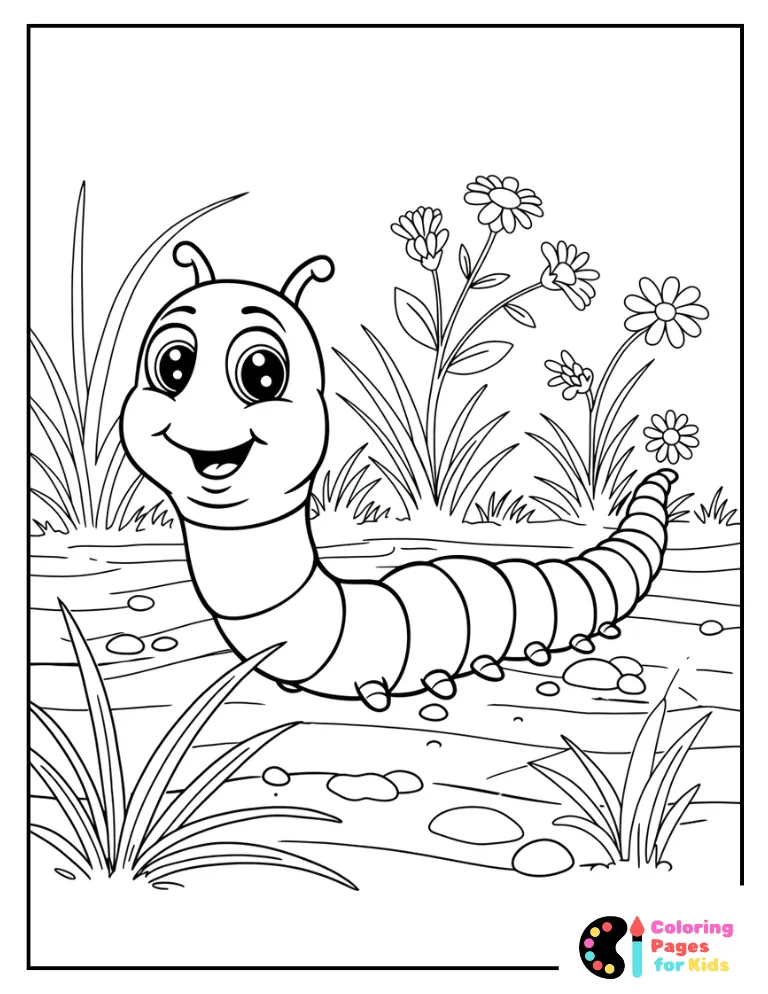

Why Worm Coloring Sheets Captivate Young Minds
Worm coloring activities serve as powerful educational tools that spark curiosity about the natural world. Unlike typical coloring books, these themed sheets introduce children to essential ecological concepts while developing fine motor skills and creativity. The fascinating yet straightforward subject matter allows kids to explore biology concepts without overwhelming complexity.
Research consistently shows that hands-on activities like coloring enhance learning retention by up to 70%. When children color earthworms, they naturally ask questions about how these creatures live, what they eat, and why they matter to our environment. This curiosity-driven learning creates lasting knowledge that textbooks alone cannot achieve.
Educational Benefits That Go Beyond Coloring
Cognitive Development Through Creative Expression
Worm coloring sheets offer remarkable cognitive benefits for developing minds. As children choose colors and stay within lines, they’re simultaneously improving hand-eye coordination, concentration, and decision-making skills. The act of coloring stimulates both creative and analytical thinking areas of the brain.
Key developmental benefits include:
- Enhanced fine motor control and pencil grip strength
- Improved focus and attention span development
- Color recognition and artistic expression skills
- Problem-solving through creative decision-making
- Stress reduction and emotional regulation
Scientific Learning Made Accessible
These coloring activities introduce fundamental biology concepts in age-appropriate ways. Children learn about invertebrates, soil ecosystems, and decomposition processes while having fun. Worms play an essential role in the ecosystem, not only providing food for birds but also helping build healthy soil, making them perfect subjects for environmental education.
Types of Worm Coloring Sheets Available
Simple Earthworm Designs
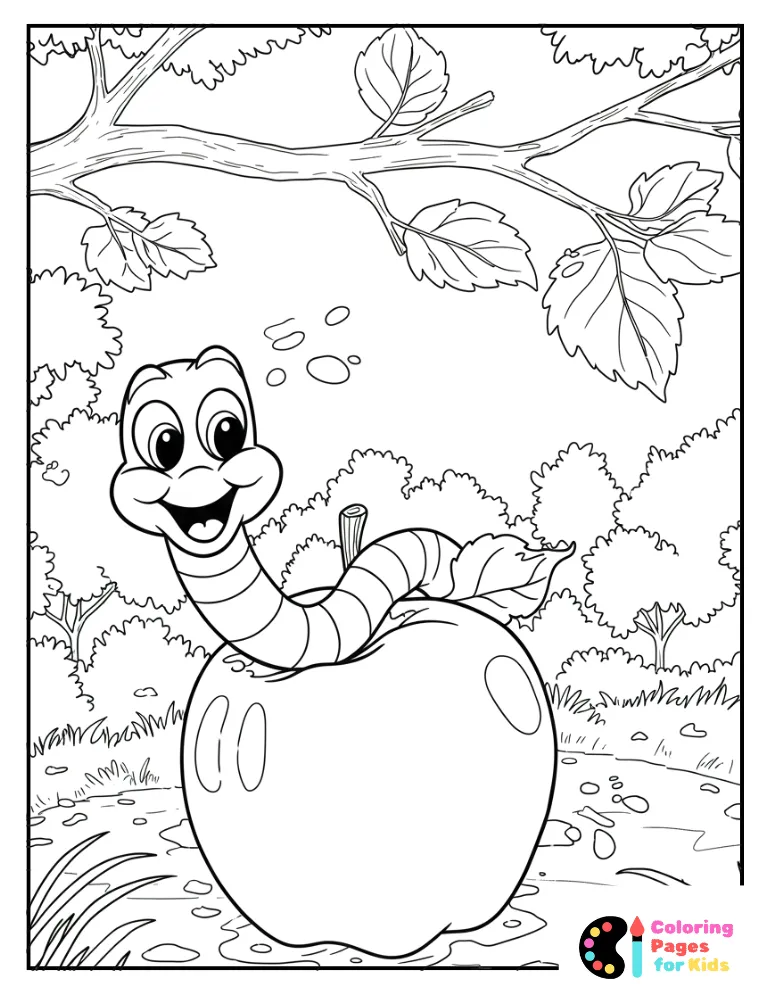
Basic earthworm coloring pages feature clean, bold lines perfect for younger children aged 3-6. These designs focus on fundamental shapes and patterns, allowing toddlers and preschoolers to practice basic coloring skills while learning about garden helpers.
Detailed Ecosystem Scenes
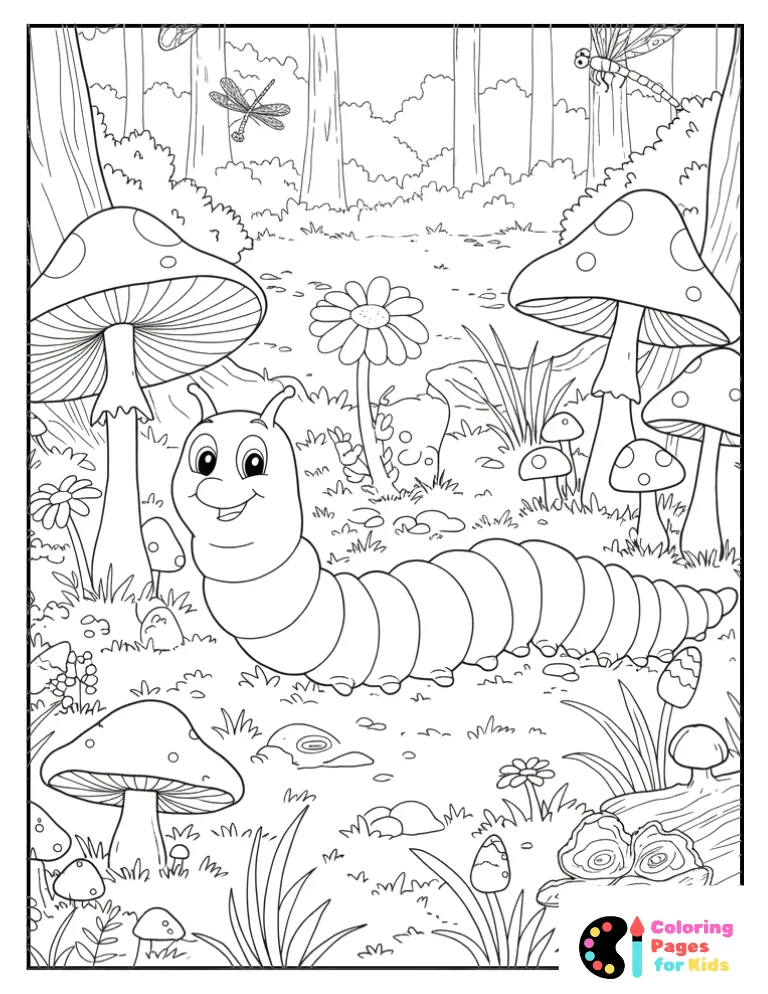
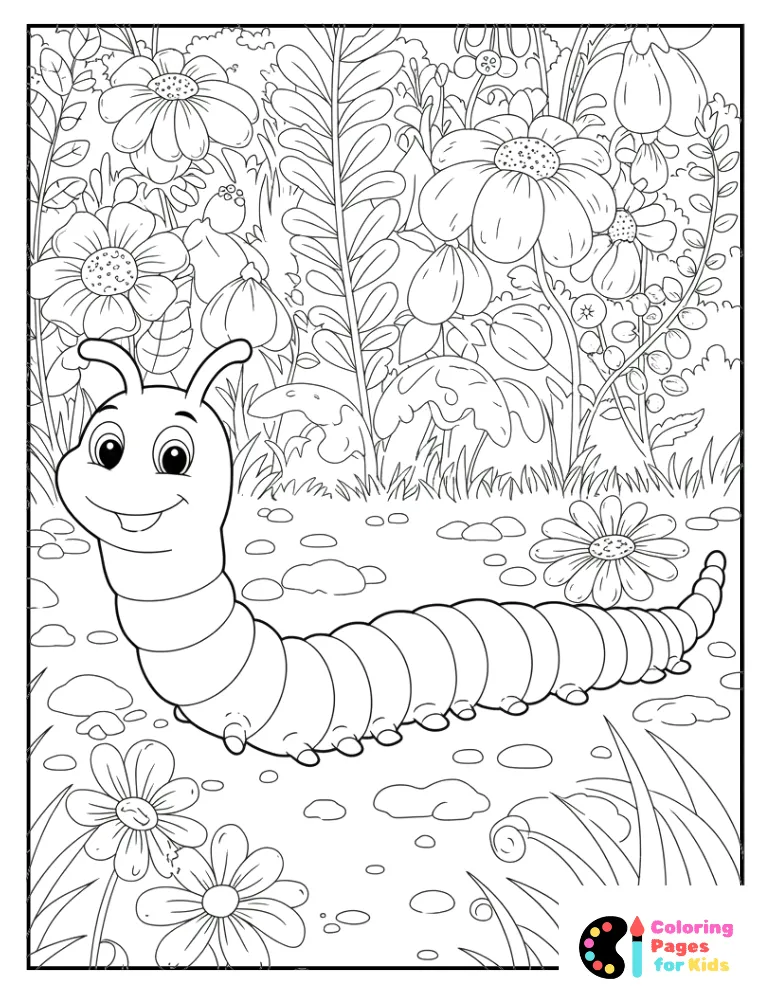
More complex coloring sheets show worms in their natural habitats, including underground tunnel systems, compost piles, and garden environments. These detailed scenes work well for elementary school children who can handle intricate designs while learning about ecological relationships.
Educational Diagram Style
Scientific illustration-style coloring pages for kids teach anatomy and biology concepts through labeled diagrams. These educational sheets help older children understand worm body segments, digestive systems, and environmental interactions.
How to Use Worm Coloring Pages Effectively
Creating Learning Opportunities
Transform simple coloring time into rich educational experiences by incorporating discussion questions and extension activities. Ask children what they know about worms before coloring, then expand their knowledge through guided conversation.
Effective strategies include:
- Discussing worm habitats while coloring underground scenes
- Exploring recycling concepts through composting worm activities
- Comparing different worm species and characteristics
- Connecting worm activities to garden science projects
Integration with Science Curricula
These coloring sheets align perfectly with elementary science standards covering living organisms, ecosystems, and environmental science. Teachers can use them as warm-up activities, assessment tools, or homework assignments that reinforce classroom learning.
Seasonal Learning Connections
Spring gardening activities naturally incorporate worm studies, making these coloring sheets perfect for seasonal lesson plans. Fall composting projects also benefit from worm-themed creative activities that reinforce decomposition concepts.
Age-Appropriate Selection Guide
Preschool Ages (3-5 Years)
Choose simple, large designs with thick lines and minimal detail. Focus on basic worm shapes and familiar garden settings. These sheets should emphasize fun over accuracy, allowing creative color choices without strict realism requirements.
Elementary Ages (6-10 Years)
Select moderate complexity designs that include habitat details and ecosystem elements. These children can handle more minor details while learning scientific concepts about worm biology and environmental roles.
Upper Elementary (11+ Years)
Detailed scientific illustrations and complex ecosystem scenes challenge older children while providing substantial learning opportunities. Include measurement activities, research projects, and creative writing extensions.
Creative Extension Activities
Science Experiments and Observations
Extend coloring activities into hands-on science by creating worm observation containers or starting composting projects. Children can compare their colored creations with real worm observations, enhancing scientific thinking skills.
Writing and Storytelling
Encourage creative writing by having children create stories about their colored worms. This integration develops literacy skills while reinforcing science concepts through narrative creation.
Art Projects and Crafts
Transform completed coloring sheets into other craft projects like bookmarks, greeting cards, or science journal covers. This extends the value of each coloring activity while creating keepsake items.
Digital vs. Physical Coloring Benefits
Advantages of PDF Printables
Physical coloring offers superior fine motor development compared to digital alternatives. PDF format allows easy downloading and printing for coloring or educational purposes at home or in classroom settings, providing flexibility without technology dependence.
Physical coloring benefits:
- No screen time concerns for parents
- Better motor skill development
- Tangible finished products for display
- No battery or internet requirements
- Social sharing and collaboration opportunities
Quality Printing Tips
For best results, use heavier paper (cardstock) when possible, ensure printer settings are optimized for line clarity, and consider laminating frequently used sheets for durability. High-quality printouts enhance the coloring experience and create lasting keepsakes.
Finding the Perfect Worm Coloring Collection
Evaluation Criteria
When selecting coloring sheets, consider line thickness, educational value, age appropriateness, and print quality. The best resources offer variety in complexity levels and include educational information or extension activity suggestions.
Building Your Resource Library
Create a diverse collection by gathering sheets from multiple sources, organizing by difficulty level, and including both simple entertainment and educational formats. This variety ensures appropriate options for different occasions and learning objectives.
Safety and Quality Considerations
Copyright and Usage Rights
Most educational worm coloring sheets are designated for personal use only in homes, classrooms, or public libraries for non-commercial purposes. Always respect usage terms and credit creators when appropriate.
Material Safety
Use non-toxic coloring materials appropriate for your child’s age group. Ensure adequate ventilation when using markers and supervise young children with small coloring tools to prevent choking hazards.
Unleashing Creativity Through Nature Education
Worm coloring sheets for kids represent far more than simple entertainment activities. These educational resources open doors to scientific discovery, environmental awareness, and creative expression while developing essential motor skills and cognitive abilities. By choosing high-quality, free PDF printables from reputable educational sources, parents and teachers can provide enriching experiences that combine learning with fun.
The journey from blank coloring sheet to finished masterpiece mirrors the learning process itself – starting with curiosity and ending with knowledge and accomplishment. Whether used in classrooms, homeschool settings, or family time, these humble coloring activities plant seeds of scientific interest that may grow into lifelong environmental stewardship.
Remember that the best educational tool is one that children enjoy using. Worm coloring sheets achieve this perfect balance, making them invaluable resources for anyone seeking to nurture young minds while celebrating the remarkable creatures that keep our world healthy and thriving. After learning about soil ecosystems with worms, kids can explore coastal habitats through these fun and educational Beach Coloring Pages that highlight marine life and sandy environments.