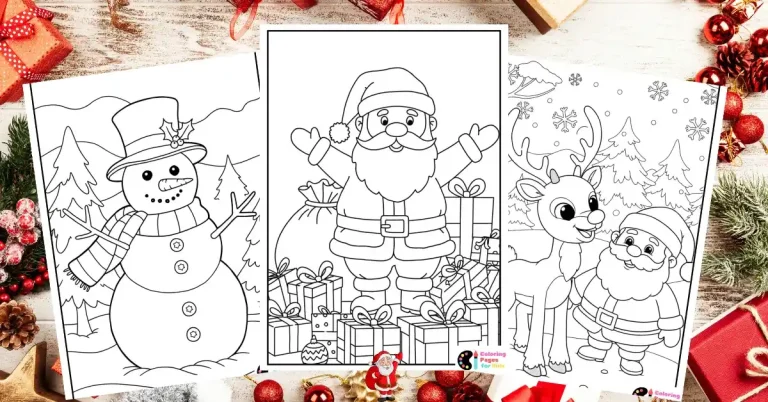
Winter Coloring Pages (Free PDF Printables)
Picture this: snow falling outside your window, hot cocoa steaming on the table, and your child asking, “What can we do today?” Winter coloring pages aren’t just for coloring anymore. They’re your secret weapon for transforming ordinary indoor days into extraordinary creative adventures that build memories, develop fine motor skills, and keep those little hands busy when going outside isn’t an option.
If you’ve ever printed winter coloring sheets only to have them disappear into a drawer after five minutes of coloring, you’re about to discover how to breathe new life into these free resources. From three-dimensional window displays to personalized keepsakes, these twelve craft projects will show you exactly how to maximize every printable page.
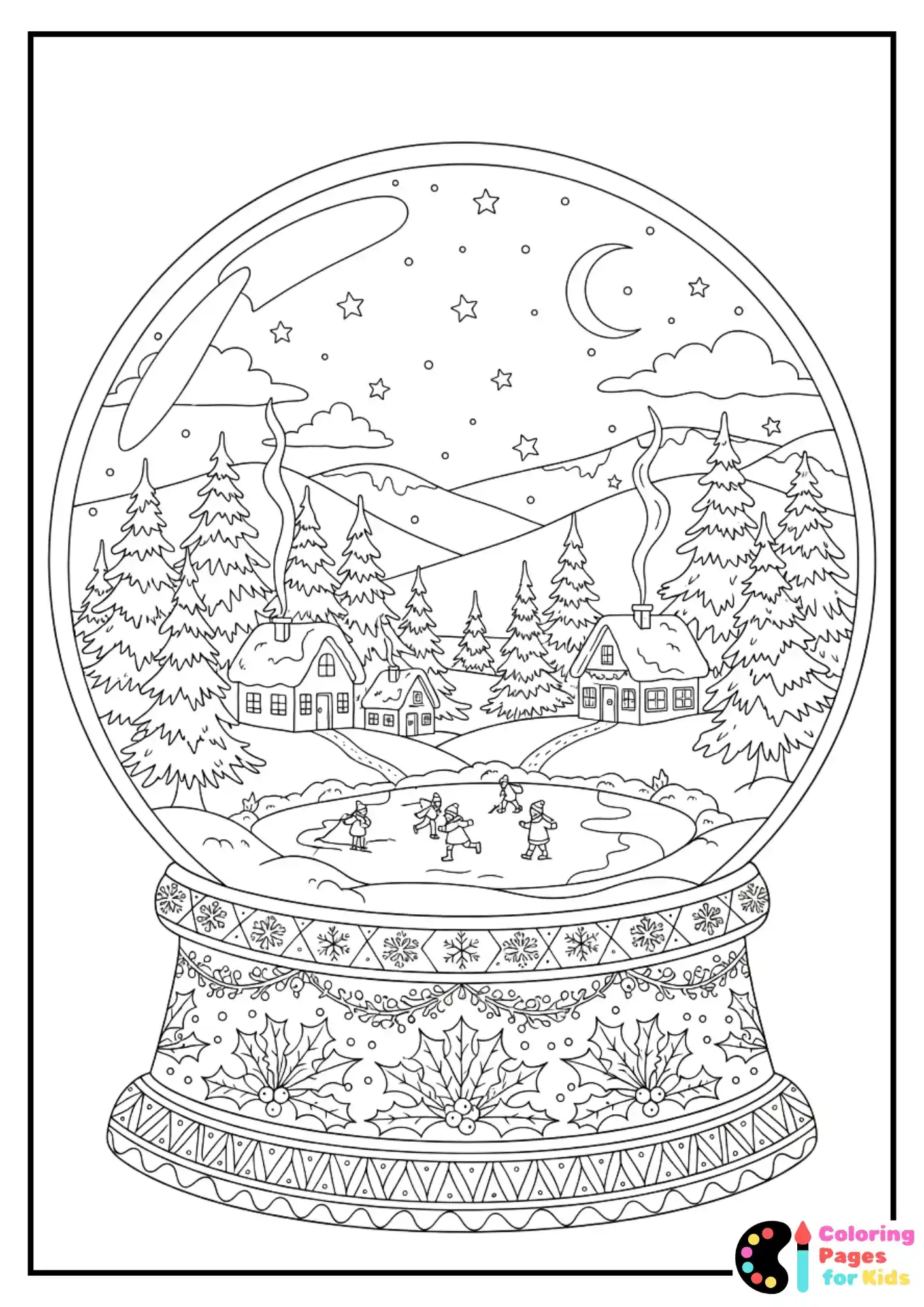


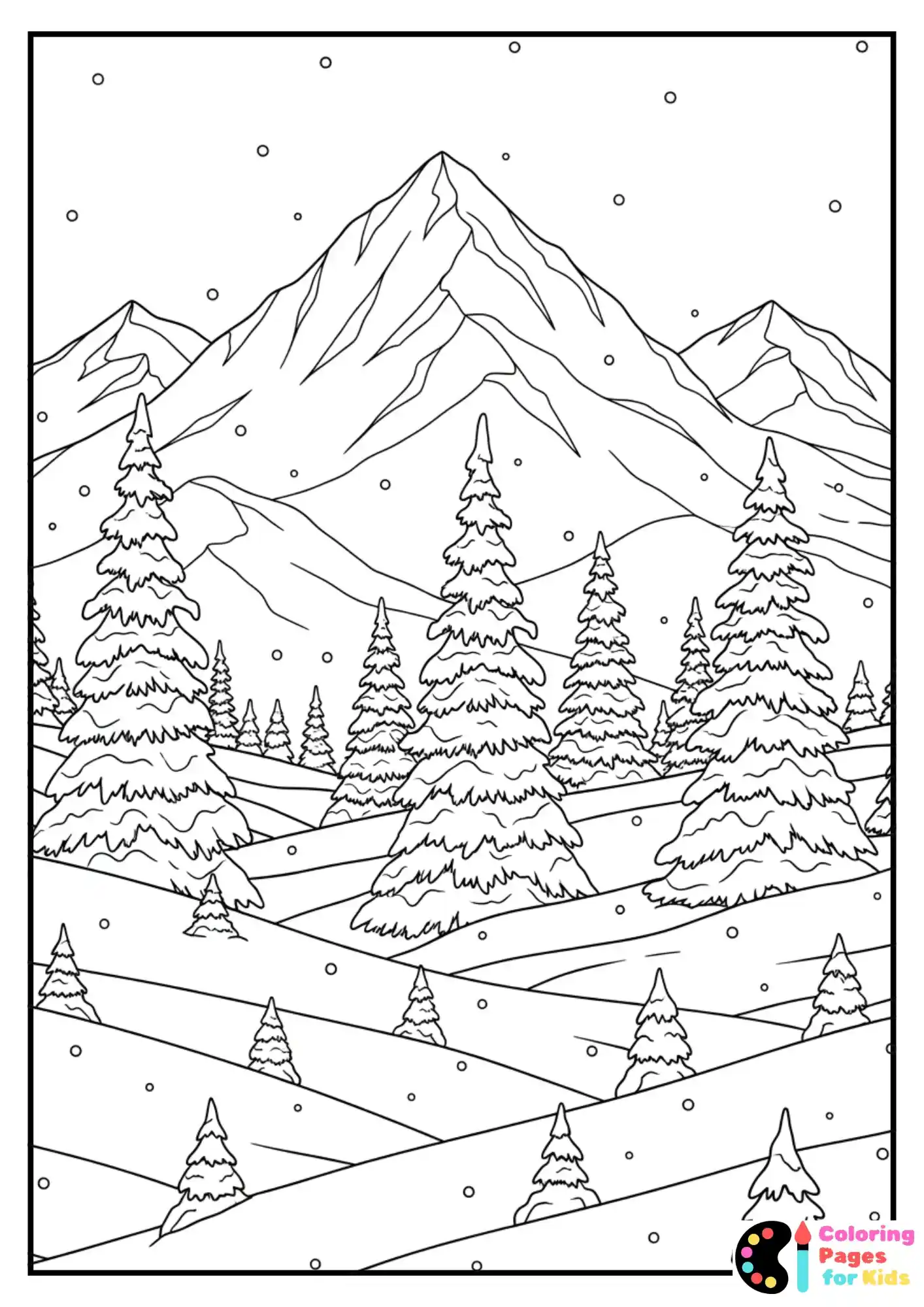
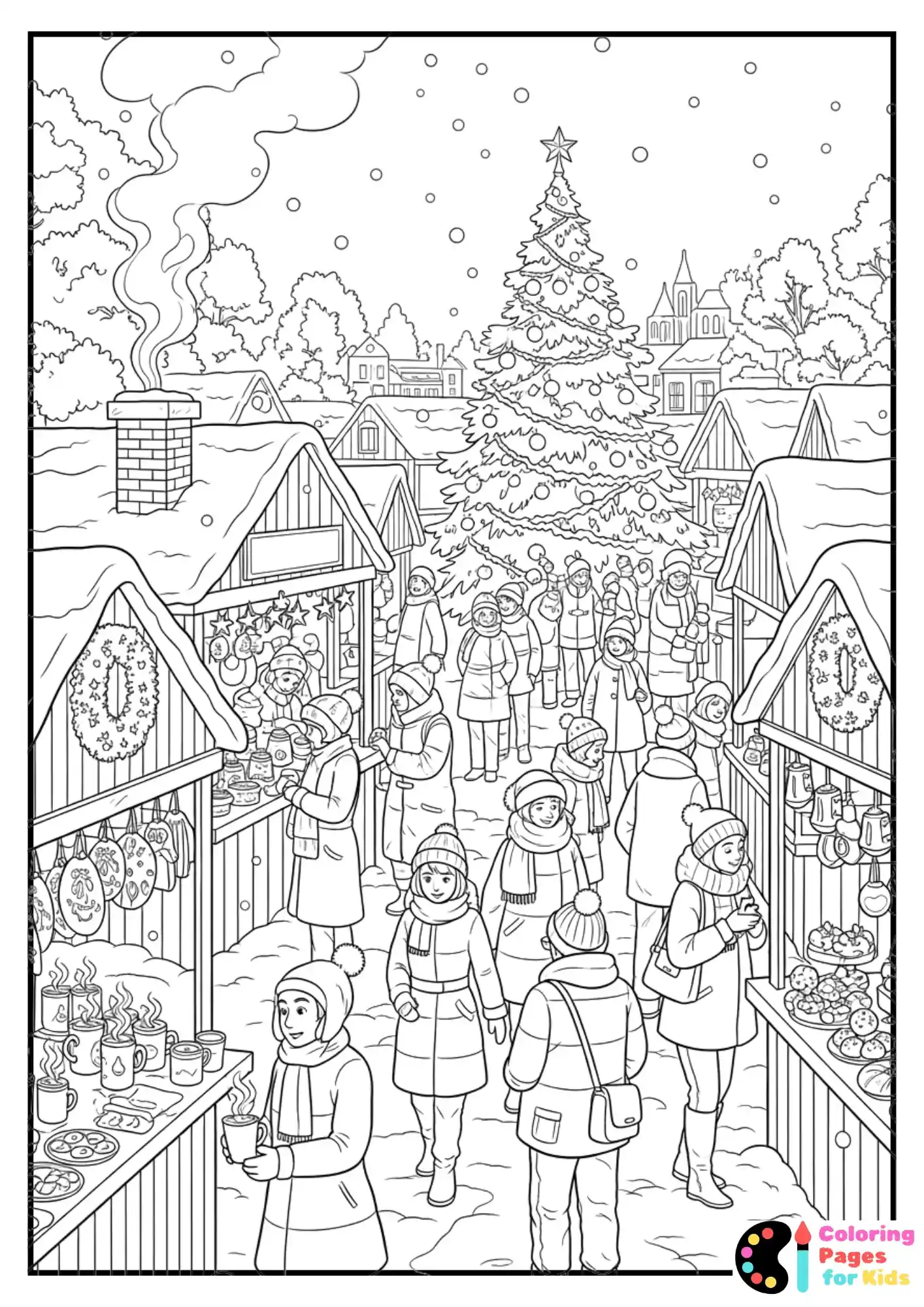


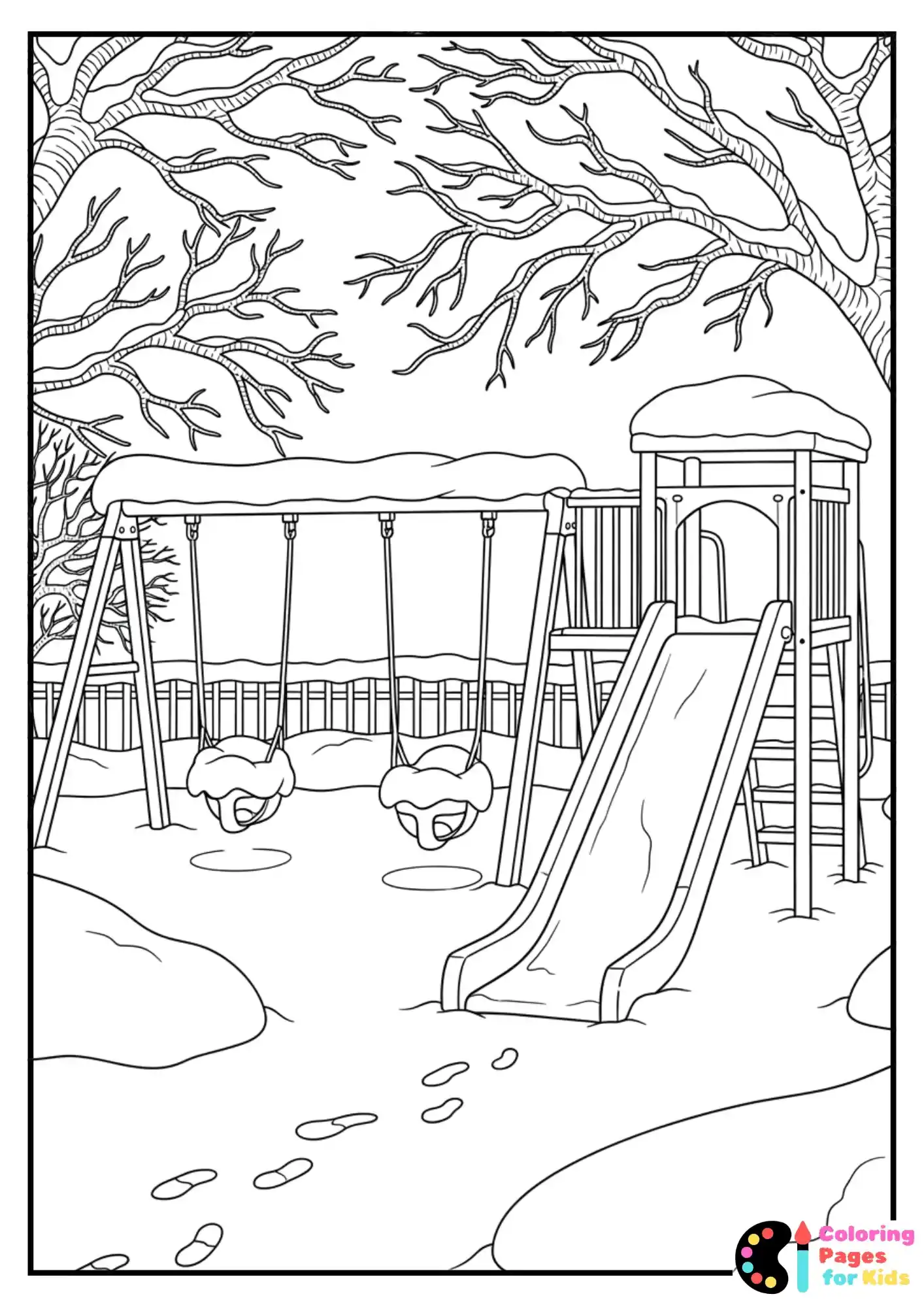
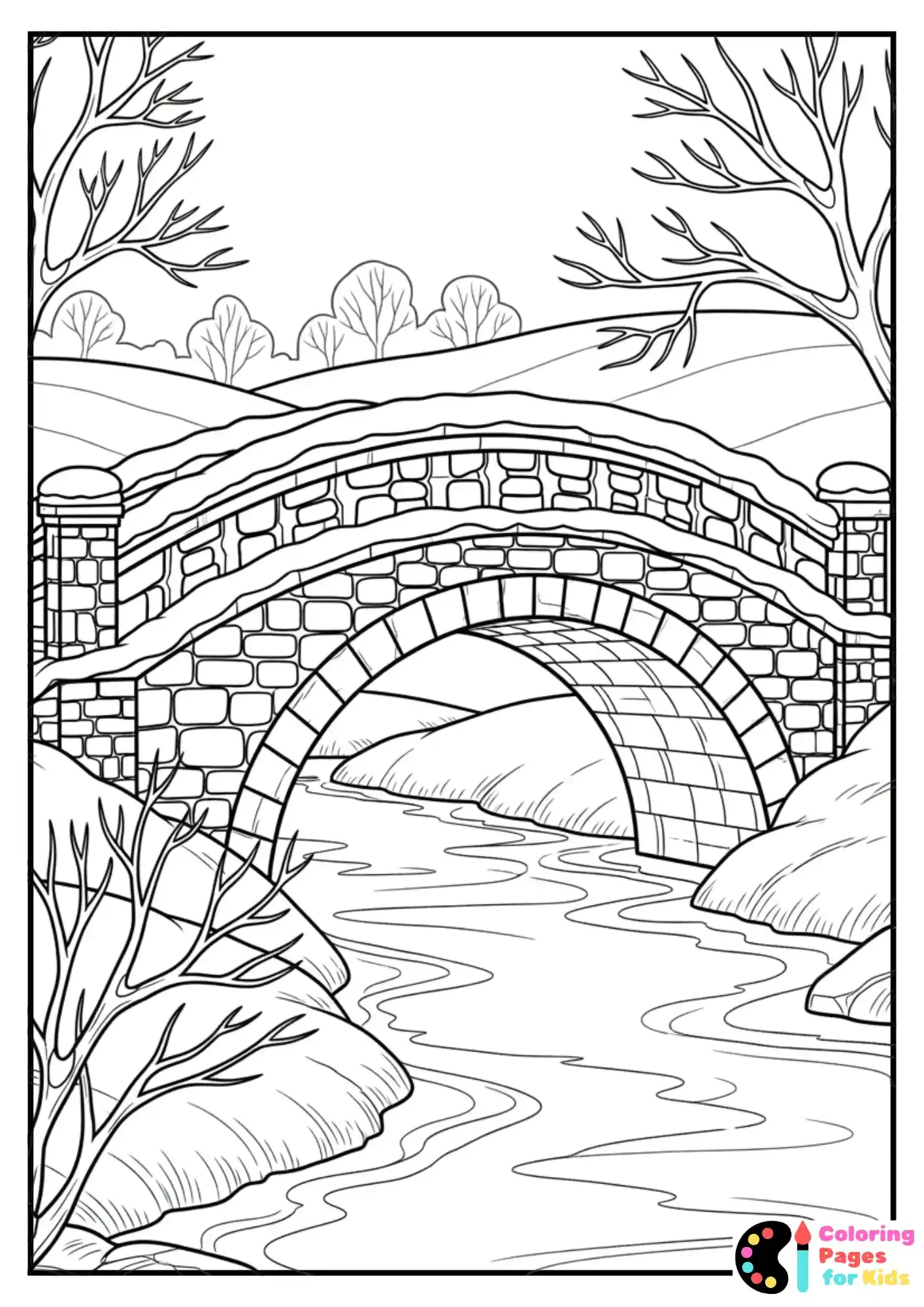
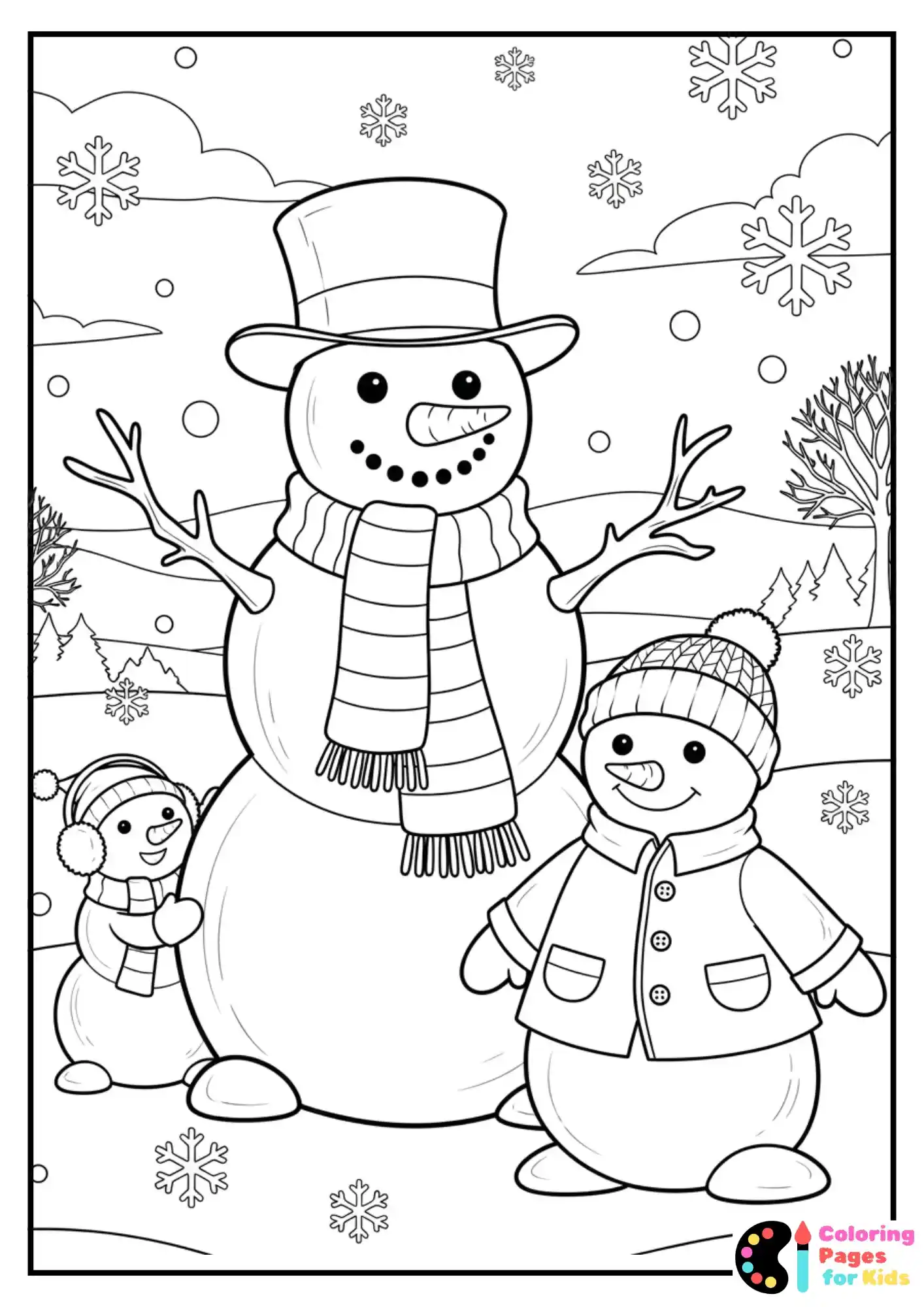

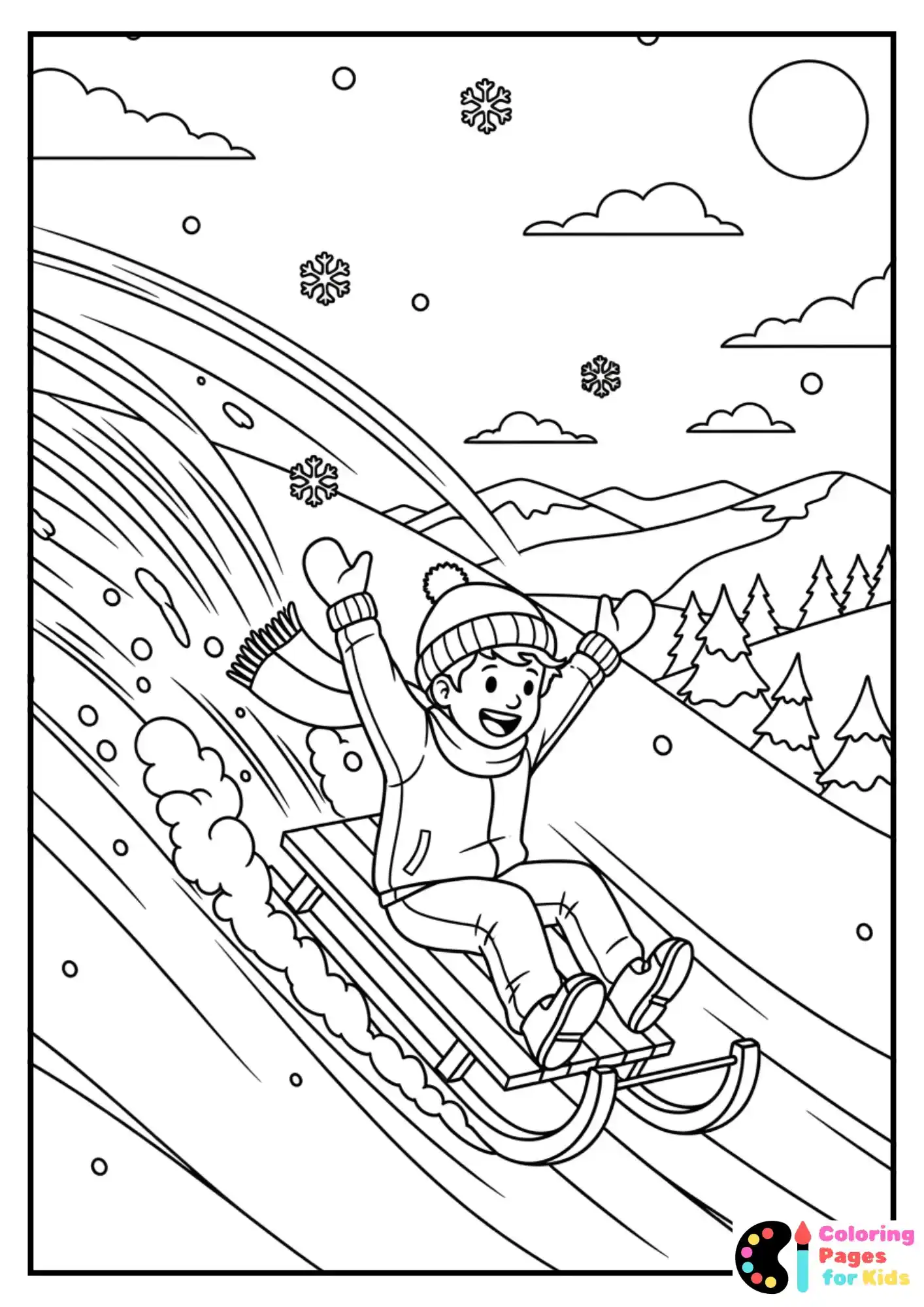
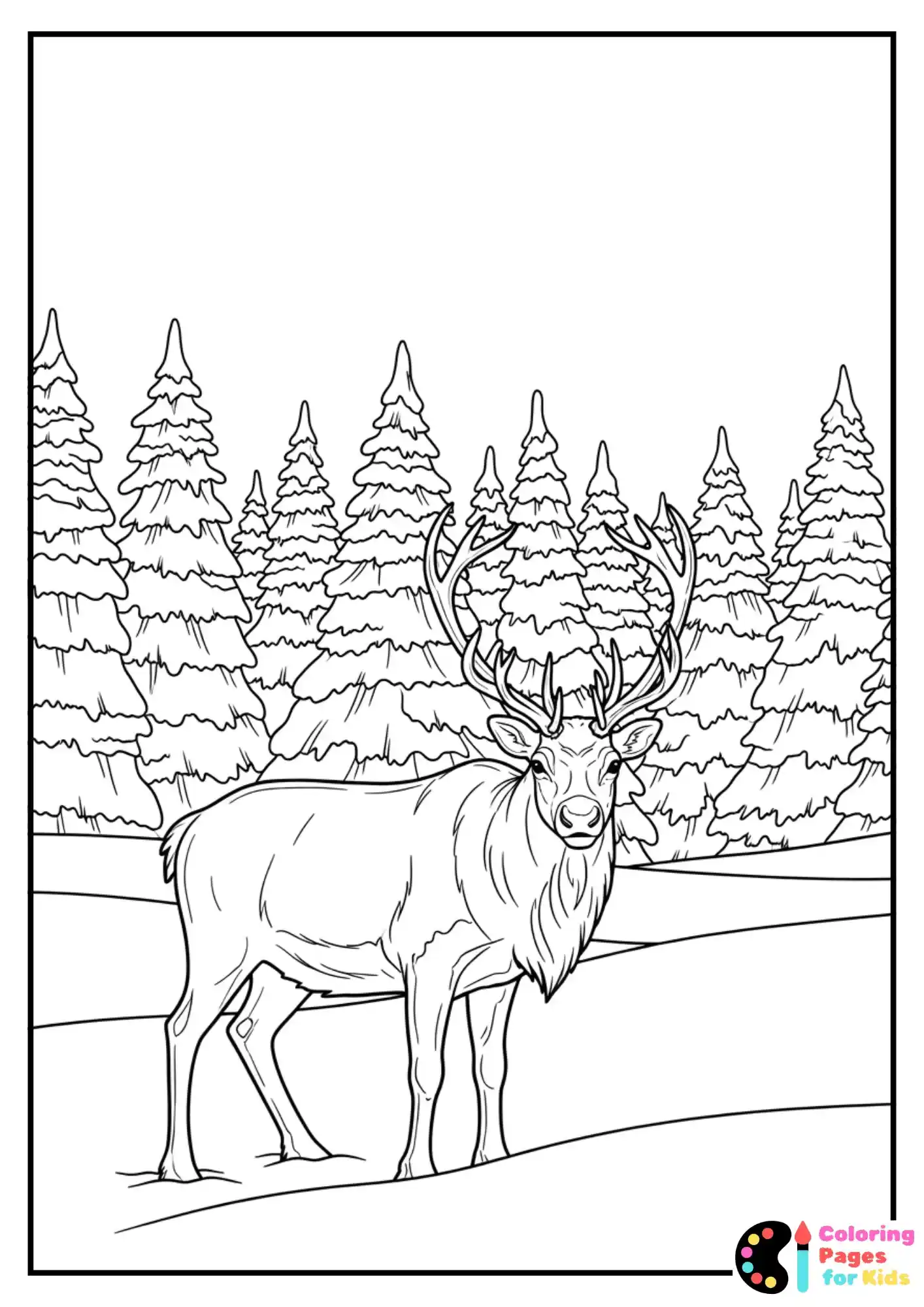



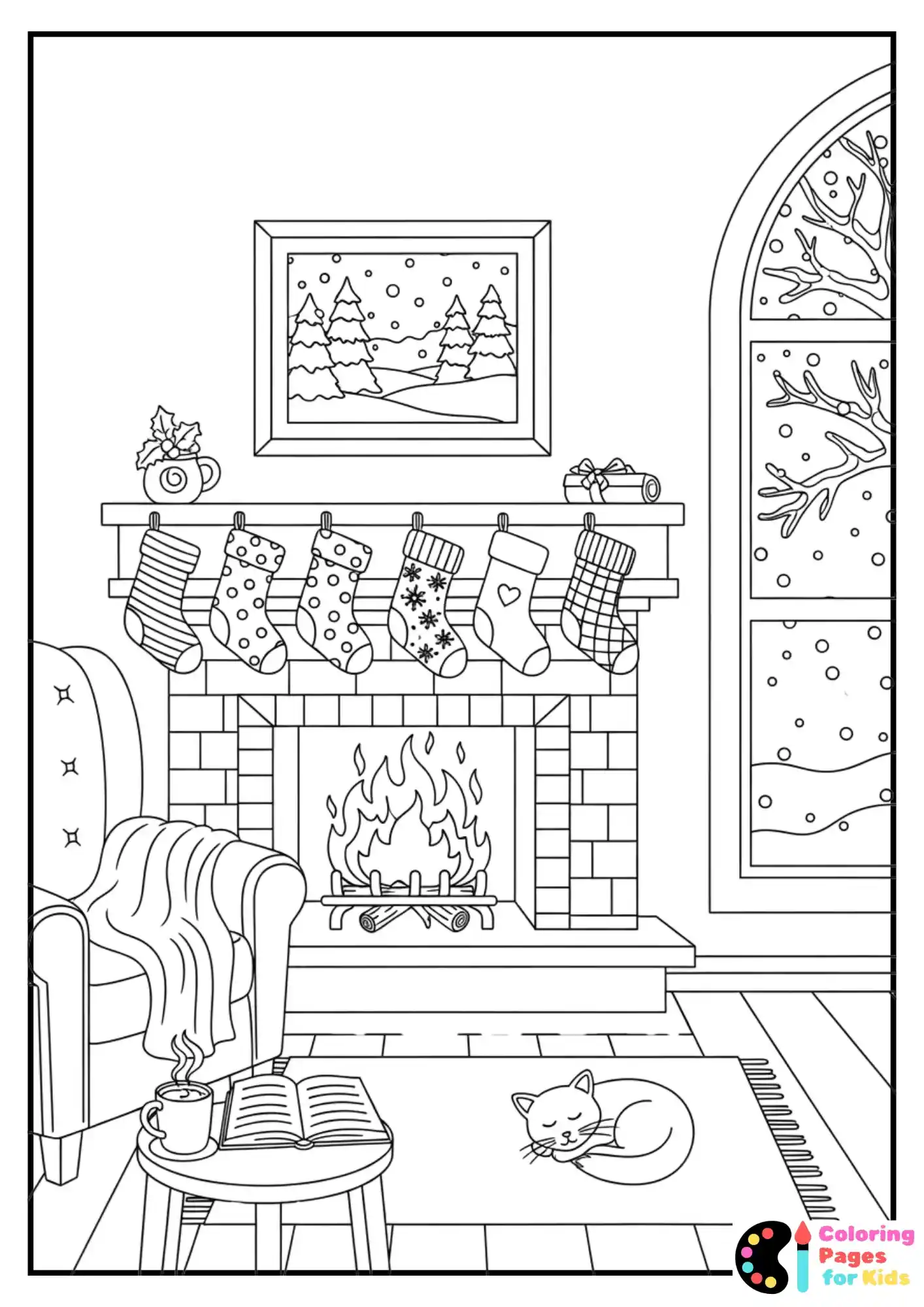


Why Winter Coloring Sheets Make Perfect Craft Materials
Before diving into our craft ideas, let’s address what makes winter-themed printables such versatile crafting supplies. Unlike purchasing specialized craft kits that cost money and create waste, coloring pages offer unlimited possibilities at zero cost. You can print as many copies as needed, experiment without worry, and adapt each project to your child’s age and skill level.
The beauty of starting with a coloring page foundation means children develop artistic confidence before tackling more complex techniques. They’re already familiar with the images, which reduces frustration when cutting, gluing, or assembling. Plus, winter themes—snowflakes, mittens, snowmen, and cozy cabins—naturally lend themselves to tactile enhancements like cotton, glitter, and dimensional elements.
Research from early childhood educators indicates that multi-step craft projects significantly improve executive function skills in children ages 4-10. When kids color, cut, assemble, and display their creations, they’re practicing planning, sequencing, and problem-solving without realizing they’re learning.
1. Transform a Winter Cabin Scene Into Interactive Art
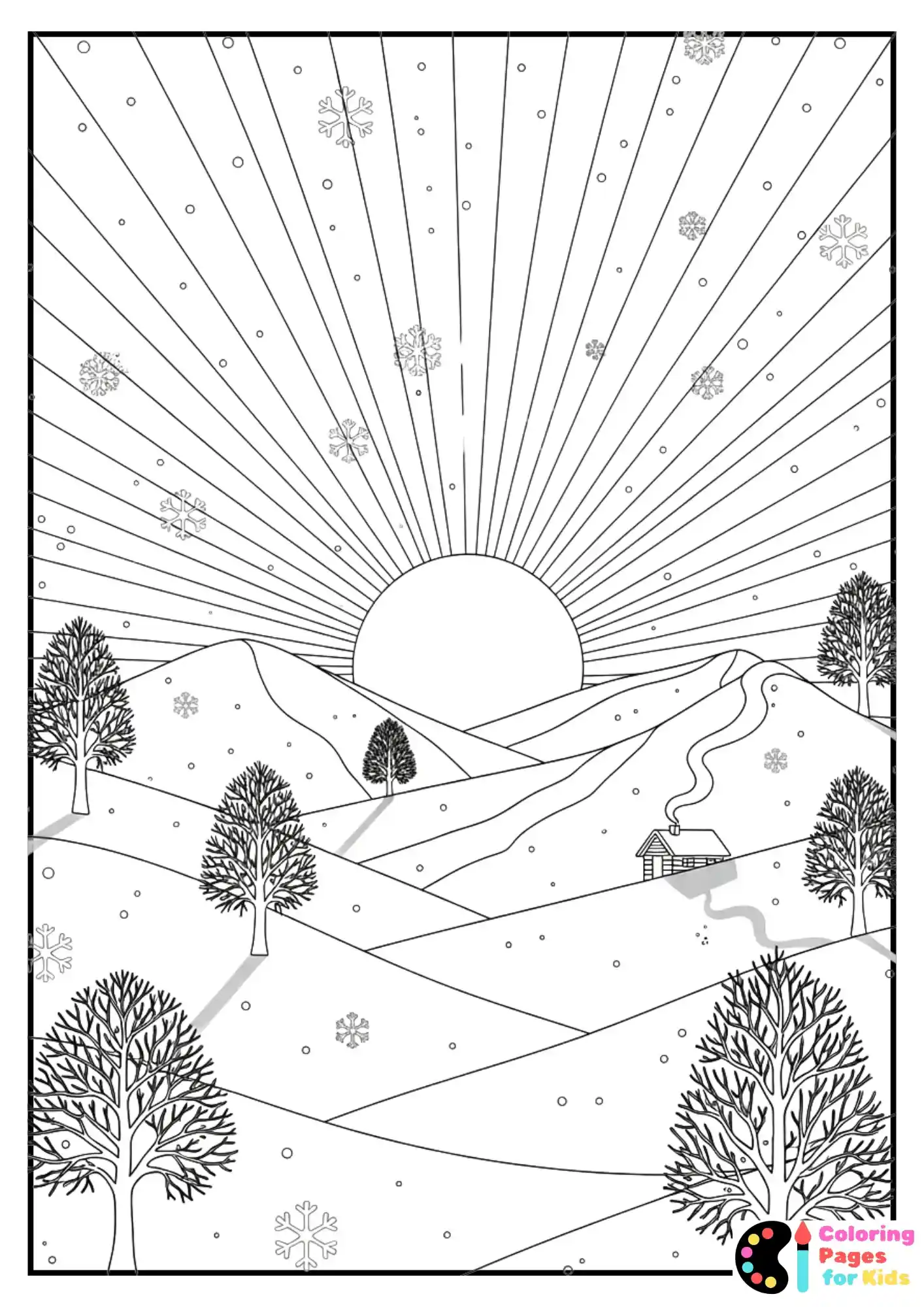
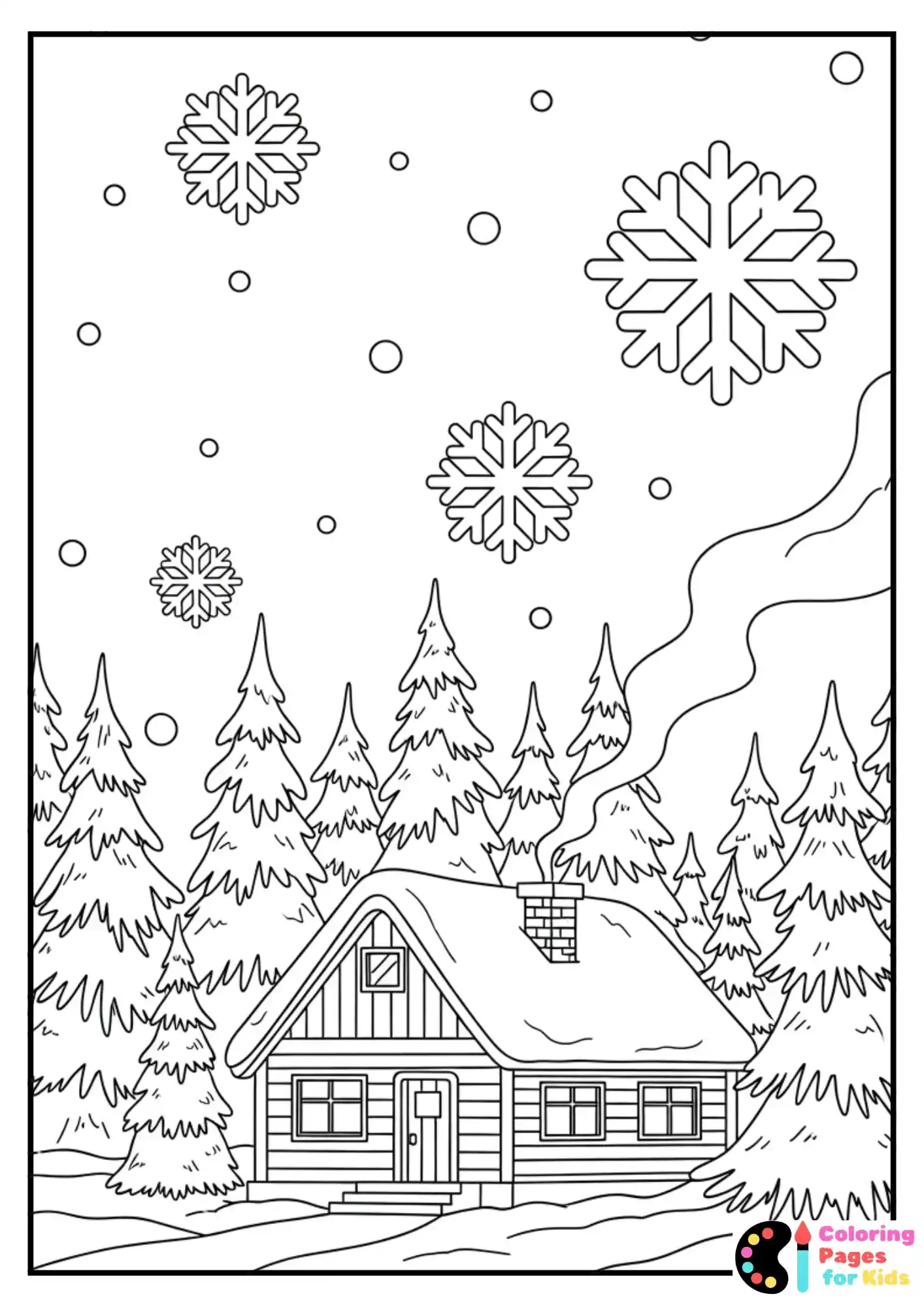
Start with a winter cabin coloring page featuring windows and a door. This project combines coloring with architectural creativity, giving children ownership over their miniature world.
Materials needed: Winter cabin printable, white or cream cardstock, craft glue, scissors, colored pencils or markers, cotton balls, glitter, cutout figures (animals, people, or gingerbread characters).
Step-by-step process: Have your child color the cabin scene completely, paying special attention to details like roof shingles and window frames. Before mounting the page onto backing cardstock, carefully cut out the window panes entirely. Cut the door on three sides—left, right, and bottom—so it swings open when pushed.
Here’s where magic happens: behind cutout windows, your child can draw or position tiny characters. A fox peeking through one window, a family gathering visible through another. The door opens to reveal whoever they’ve placed in the doorway—perhaps a gingerbread figure ready to welcome visitors.
Enhance the winter atmosphere by stretching cotton balls and gluing them above the chimney to simulate smoke. Sprinkle glitter over glue-traced snowflakes for sparkle. This creates genuine depth and invites storytelling: Who lives in this cabin? What are they doing inside on this snowy day?
2. Construct a Dimensional Mosaic Snowflake Ornament
Snowflake coloring pages become stunning ornaments when you transform flat images into textured masterpieces. This project teaches children about patterns, color theory, and spatial awareness while creating something truly gift-worthy.
What you’ll need: Snowflake printable (choose intricate designs for older children, simpler ones for younger crafters), construction paper in winter hues (light blue, navy, white, silver), scissors, glue stick, sequins, pipe cleaners, and clear fishing line or ribbon.
Creation method: Print your chosen snowflake design. Rather than coloring traditionally, children will create a paper mosaic. Cut or tear construction paper into small squares—approximately half-inch pieces work well, though size can vary based on the snowflake’s complexity.
Starting from the center, have your child glue paper squares onto the snowflake, filling in sections with coordinating colors. A gradient effect from dark blue center to white edges creates visual interest. Leave the pointed tips uncovered for now.
Once the mosaic dries, embellish those snowflake points with sequins, creating sparkle where light catches. For hanging, form a loop from a colorful pipe cleaner and secure it to the top. These ornaments catch light beautifully in windows or on trees, and because they’re made from paper, they’re lightweight enough to hang anywhere. This mosaic technique works beautifully with any shape – try it with heart coloring pages to create Valentine’s Day ornaments, or use it year-round for various themed decorations.
3. Design Personalized Mud Mats That Actually Get Used
Functional crafts hold special appeal because children see their creations serving a purpose daily. These custom mud mats turn winter boot printables into practical entryway décor.
Supplies required: Coloring page featuring large winter boots, primary-color markers or paint, permanent marker, plain welcome mat (inexpensive ones from discount stores work perfectly), craft glue or decoupage medium, and clear acrylic sealer spray.
Assembly instructions: Print multiple boot coloring pages—one for each family member works wonderfully. Have each person color their boots in bright, distinct colors (red, blue, yellow, green) so everyone can identify their designated spot.
Using a permanent marker, personalize each boot. Write “Mom’s Boots” on one set, “Alex’s Boots” on another, with one word per boot. This adds reading practice for emerging readers while making the mat more personal.
Arrange the colored boot pages on your mat, planning the layout before gluing. Once satisfied with positioning, apply craft glue to the back of each page and press firmly onto the mat. Smooth out bubbles and wrinkles.
The crucial final step: weatherproofing. Apply 2-3 coats of acrylic sealer spray, following the manufacturer’s directions and allowing complete drying between coats. This protection means your mat can actually withstand wet boots, snow, and daily traffic. Place it at your entry, and watch as family members naturally gravitate toward “their” spot.
4. Create a Decorative Snowflake Wreath for Your Door
Wreaths symbolize welcome and celebration, and this snowflake version brings winter wonder to any door or wall. It’s an excellent project for practicing patterns and symmetry.
Materials list: Flat foam craft ring (available at craft stores in various sizes), snowflake coloring pages, markers in winter palette (silver, white, light blue, dark blue), scissors, glue gun or strong craft glue, decorative additions (wrapped mints, buttons, craft gems), and satin ribbon.
Construction steps: Begin by having children color multiple snowflake pages in varying shades. Encourage them to experiment—some in cool blues, others in silvers and whites, perhaps a few in unexpected colors like purple or pink for contrast.
Cut out each completed snowflake carefully. Arrange them around your foam ring without gluing first, establishing a pleasing pattern. Consider alternating sizes or creating a color gradient around the circle.
Once the pattern is set, glue snowflakes to the ring, overlapping slightly for fullness. Here’s where you add personality: press wrapped peppermints into snowflake centers for a candy-land effect, glue colorful buttons as focal points, or add craft gems for extra sparkle.
Finish with a generous satin ribbon bow at the top, creating a loop for hanging. This wreath works beautifully on front doors, but also consider hanging it over mantels, in playrooms, or even in classroom windows where light can filter through the snowflakes.
5. Customize Ceramic Mugs With Hot Chocolate Designs
Nothing says winter like hot cocoa, and this craft transforms printable hot chocolate images into functional personalized mugs. It’s perfect for gift-giving or creating special family mugs.
Required items: Hot chocolate mug, coloring page, plain ceramic mug (white works best), colored pencils or markers, scissors, craft glue suitable for ceramics, permanent marker, and clear acrylic sealer spray.
Decoration process: Select a coloring page featuring a mug of hot chocolate, complete with marshmallows, whipped cream, or other toppings. Children color these elements vibrantly, making the image as appealing as possible.
Carefully cut out the colored hot chocolate mug and its surrounding decorations. Cutouts will be applied to the actual ceramic mug’s exterior.
Position the paper designs on the mug, arranging them aesthetically. Use a permanent marker to add the child’s name directly on the ceramic, perhaps in a decorative font or with small doodles.
Glue the colored paper elements in place, pressing firmly and smoothing bubbles. Once completely dry (wait 24 hours), apply 2-3 coats of acrylic sealer. Note: These decorated mugs are not dishwasher-safe but can be gently hand-washed. They make wonderful keepsakes and become the mug everyone wants to use for cocoa.
6. Build a Collaborative Classroom Gingerbread House
This large-scale project works exceptionally well for classroom settings, parties, or multi-child households. It encourages cooperation, spatial reasoning, and creative problem-solving.
What you need: Gingerbread house coloring pages (multiple copies), cardboard boxes of various sizes, empty cereal boxes, masking tape, craft glue or decoupage medium, and optional decorative elements (pom-poms, yarn, buttons).
Building method: Begin by having each child color a complete gingerbread house page. Don’t cut these yet—they’ll need to remain whole for coverage.
Using cardboard and boxes, construct a house structure. This doesn’t need architectural precision; the beauty lies in creativity. Tape boxes together to form rooms, a roof, even a chimney if ambition strikes.
Now comes the fun part: covering your cardboard structure with the colored gingerbread house pages. Apply glue or decoupage medium to sections of the cardboard, then press colored pages over them, smoothing as you go. Overlap pages as needed for complete coverage.
The finished structure becomes collaborative art. If large enough, children can actually sit inside their creation, making it perfect for reading corners or dramatic play areas. Add string lights inside (battery-operated for safety) to create a magical, glowing house after dark.
7. Assemble Goal-Setting Winter Bear Calendars
Combining creativity with goal-setting introduces children to planning and achievement tracking in a visual, engaging way.
Materials needed: Blank paper, ruler, markers, poster board, winter bear coloring page, craft supplies for embellishment (ribbon, pom-poms, wiggle eyes, glue).
Assembly process: First, create the calendar component. Give children paper and rulers, helping them draw calendar grids. Theydon’tt need to be perfect—a hand-drawn charm adds personality. Have them write 5-7 simple, achievable goals for the month: “Read 10 minutes daily,” “Make my bed,” “Practice piano,” “Help with dishes.”
Position the calendar on the bottom half of a vertically-oriented poster board. Glue it securely.
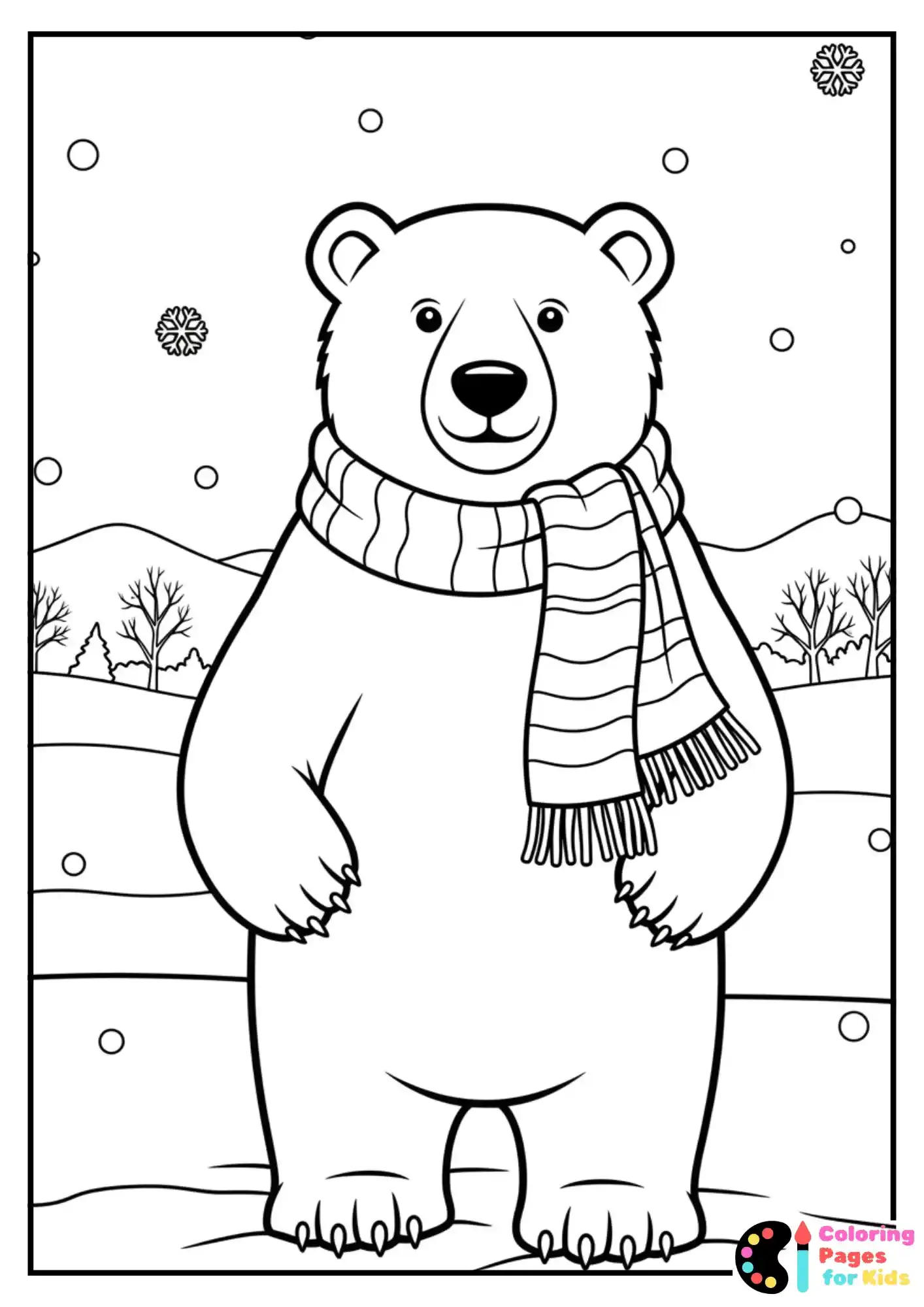
Now for the motivational element: the winter bear. Children color their bear page, then enhance it three-dimensionally. Tie a real ribbon around the bear’s scarf. Glue pink pom-poms to ear tips for texture. Add wiggle eyes for a playful personality.
Mount this embellished bear above the calendar. Throughout the month, children check off completed goals, watching progress accumulate. The bear becomes their cheerleader, making goal-setting feel less like work and more like a game with a friendly companion encouraging them along.
8. Engineer Moving Penguin Sleigh Rides
This mechanical craft introduces basic engineering concepts while creating an interactive toy that children will actually play with repeatedly.
Supplies required: Penguin sleigh ride coloring page, thin cardboard (cereal boxes work), scissors, popsicle sticks, glue, craft knife (adult use only).
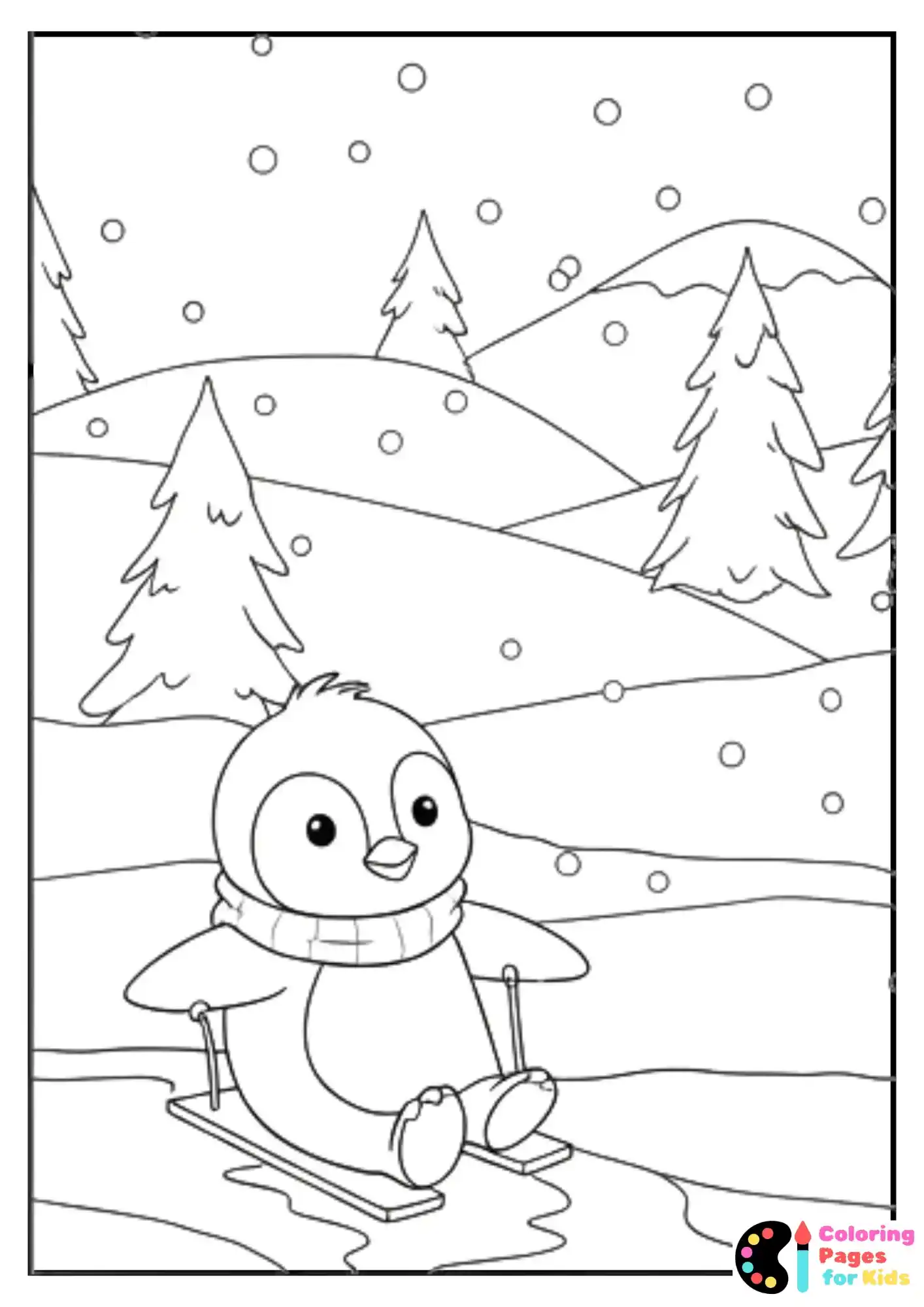
Construction steps: After coloring the penguin sleigh scene completely, carefully cut out the penguins and sleigh as separate elements. Reinforce cutouts by gluing them onto thin cardboard backing. Once dry, trim the cardboard to match the colored shapes exactly.
Glue popsicle sticks to the back of your pecutoutsutouts. These become handles for manipulation.
For the background, take the remaining coloring page (showing the hill and landscape) and reinforce it with cardboard as well. Adults use a craft knife to cut a diagonal slit along the sleigh’s path down the mountain.
Here’s the magic: push the popsicle stick handle up through the slit from behind. Now, children can slide their penguin sleigh down the hill, creating animation and movement. This kinetic element transforms a static image into dynamic play, encouraging storytelling and imagination.
9. Create a Winter Snowball Dart Game
Turning coloring pages into games appeals to kinetic learners and competitive spirits while developing hand-eye coordination.
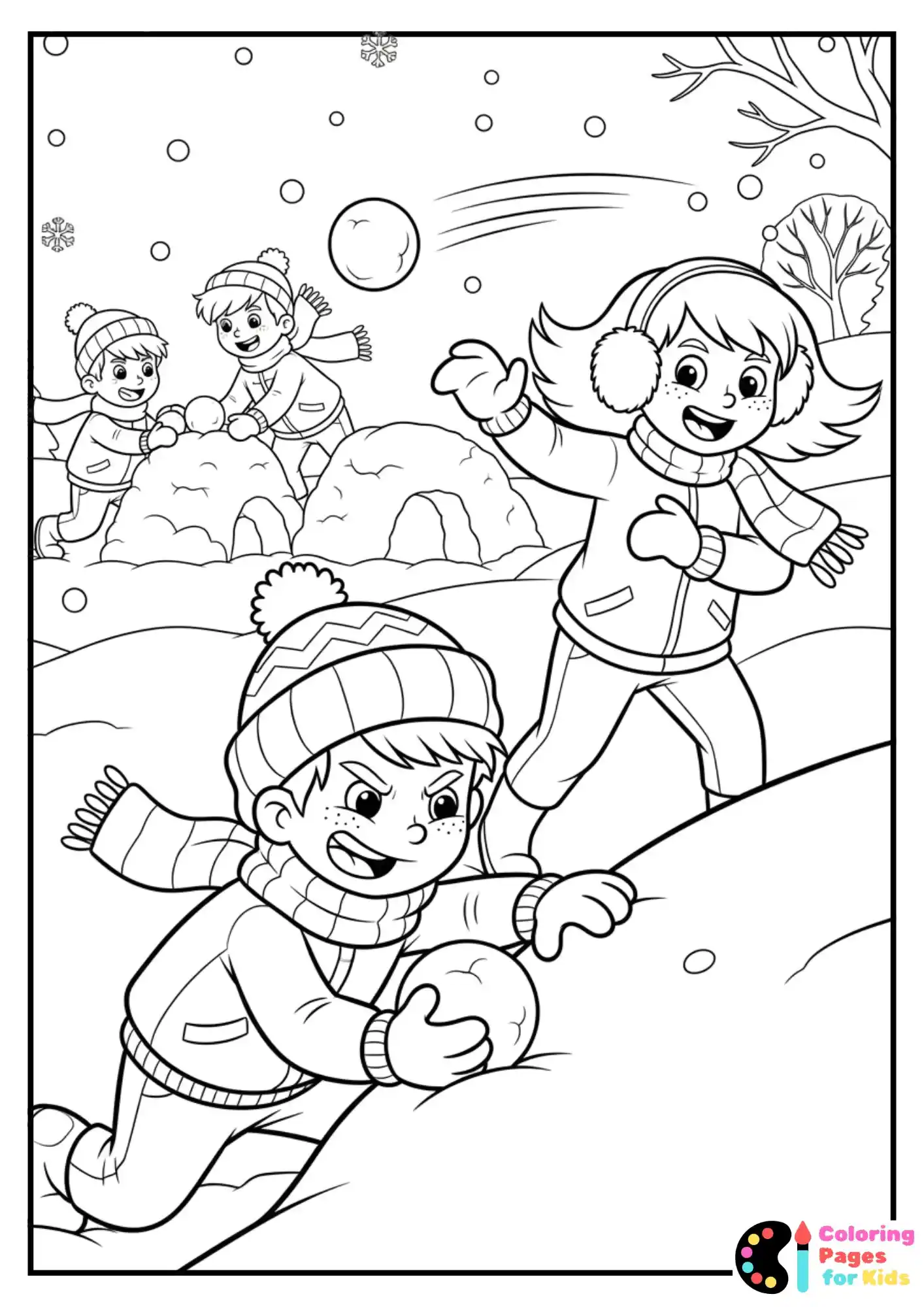
What you need: Coloring page showing someone throwing snowballs, thin corkboard (or foam board), clear-drying adhesive, velcro dots (soft side), small bean bags or velcro balls, and a marker.
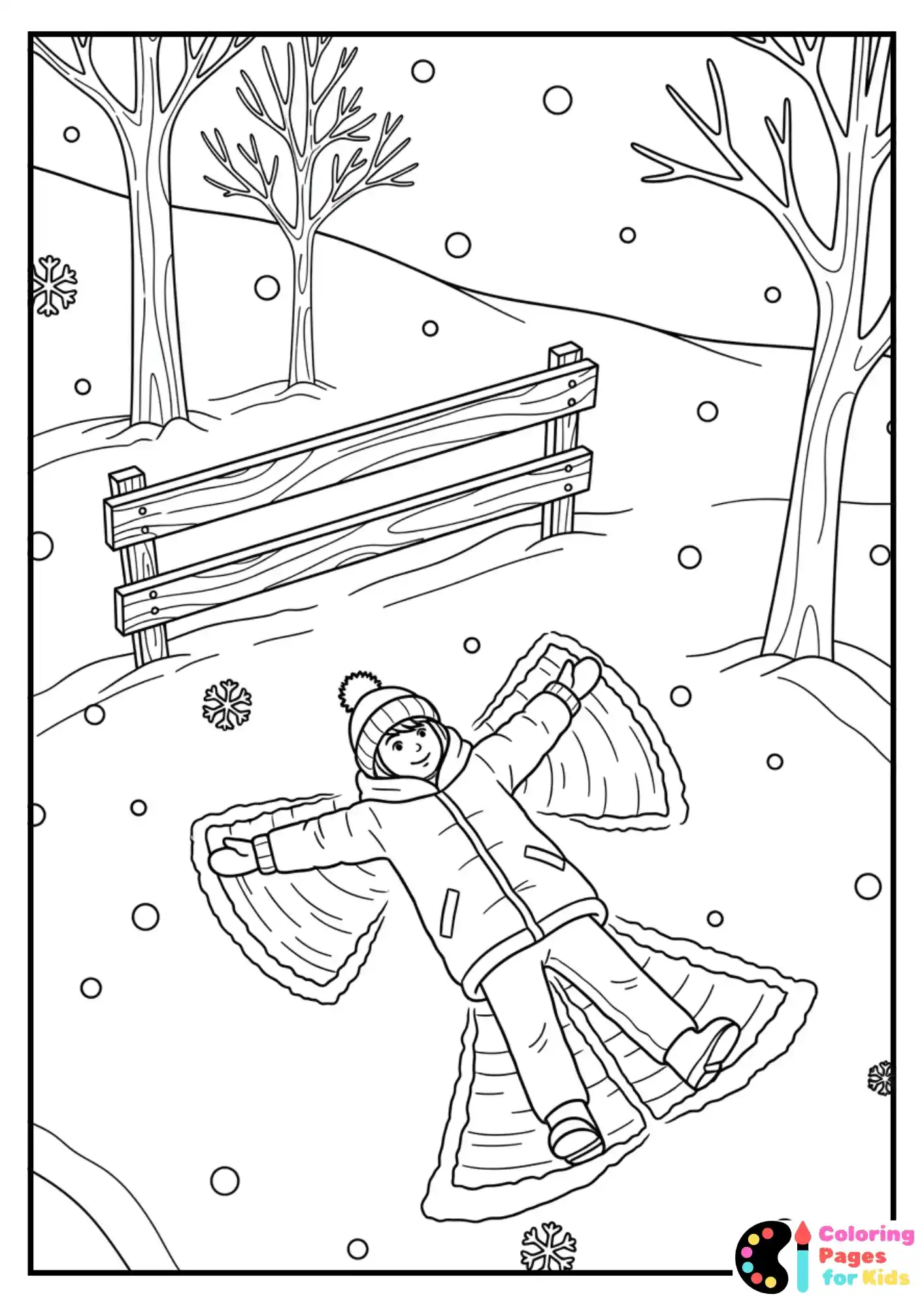
Game creation: Choose a coloring page depicting a child throwing snowballs, with several snowballs visible in various positions—in the air, on the ground, in hand.
Color this page thoroughly, making snowballs clearly visible. Use clear-drying adhesive to mount the finished page onto corkboard or foam board, pressing firmly to ensure complete adhesion.
Attach small velcro dots (soft, loop side) to each snowball on the image. On small bean bags or velcro balls, attach the corresponding hook Velcro.
Mark scoring zones: snowballs in flight might be worth 5 points, ground snowballs 3 points, and the nearly impossible target—the snowball in the child’s hand—worth 10 points.
Players stand at an agreed distance and toss bean bags toward snowball targets. Velcro creates satisfying sticking sounds when they land successfully. Keep score over multiple rounds, perhaps making a tournament bracket for family game night.
10. Design an Opening Igloo Scene Card
This clever craft creates surprise and delight, making it perfect for greeting cards, book covers, or standalone art pieces.
Materials required: Igloo coloring page, white paper, colored pencils or markers, scissors, glue, and optional craft embellishments.
Creation method: Print two copies of your igloo page. On one, carefully cut the igloo structure on three sides—left, right, and top—leaving the bottom edge attached. This creates a flap that opens like a door.
On the second piece of paper (or the reverse side if printing double-sided), have your child draw a scene that fits within the igloo’s dimensions. What lives inside? Perhaps a polar bear family, a penguin party, or a cozy living space with furniture. Encourage creativity and detail.
Color both the igloo flap and the internal scene fully. Position the cut igloo over the drawn scene, aligning carefully. Glue only the uncut bottom edge, leaving the three cut sides free to open.
Now you have an interactive card: closed, it shows an igloo in a snowy landscape. Open the flap, and a secret scene appears inside. These make wonderful greeting cards, creative book covers, or can be displayed on easels, where guests can discover the hidden scene.
11. Construct Winter Character Puppets for Storytelling
Puppet-making combines crafting with dramatic play, encouraging language development, narrative skills, and imaginative thinking.
Supplies needed: Various winter character coloring pages (snowmen, penguins, reindeer, polar bears, children in winter clothes), cardstock or cardstock paper, scissors, popsicle sticks or wooden craft sticks, glue, optional embellishments (yarn, fabric scraps, googly eyes).
Puppet assembly: Print multiple character pages—aim for 5-7 different characters to create varied stories. Children color each character, adding personality through color choices and facial expressions.
Cut out each finished character. For durability, glue them onto cardstock backing before cutting again along the outline. This reinforcement prevents tearing during play.
Attach popsicle sticks to the back of each character, creating handles. Add dimensional elements if desired: yarn for scarves, fabric scraps for mittens, and googly eyes for extra expression.
Create a simple puppet theater using a cardboard box with an opening cut out, or drape a blanket over furniture. Children use their winter puppets to act out stories, weather reports (a weatherman penguin, perhaps?), or original narratives about friendship, adventure, or problem-solving in winter settings.
Popular winter characters like the Grinch make excellent subjects for these craft projects. After completing these winter crafts, you might want to explore our collection of Grinch coloring pages for more holiday-themed creative activities.
This activity naturally extends learning: “What happens when Penguin gets lost in the snow? How do his friends help him?” Storytelling becomes collaborative, creative, and educational.
12. Build a Miniature Winter Wonderland Diorama
Dioramas represent the culmination of various craft skills: coloring, cutting, spatial planning, and three-dimensional assembly. They’re impressive displays that children feel proud of showcasing.
Materials list: Multiple winter coloring pages (trees, animals, buildings, snowmen), a shoebox or shallow box, cotton balls, glue, scissors, construction paper (blue for sky, white for snow), and optional additions (twigs, small mirrors for ice ponds, LED tea lights).
Diorama construction: Begin by preparing the box. Line the back and sides with blue construction paper for the sky. Create ground by gluing cotton balls to the bottom, stretching them thin to simulate snow. A small mirror placed flat can represent a frozen pond.
Color various winter elements from different coloring pages. Cut these out carefully. The key to diorama success is creating layers: background, middle ground, and foreground.
Glue larger elements (buildings, large trees) toward the back of the box. Fold a small tab at the bottom ofcutoutcutout before gluing, which allows them to stand upright. Place medium-sized elements in the middle zone. Finally, position more minor characters and details at the front.
Enhance realism by adding real twigs as bare trees, glitter for sparkle, or small LED tea lights (battery-operated) placed behind buildings to simulate glowing windows. The layering creates genuine depth perception, transforming a flat box into a miniature winter world.
Display finished dioramas on shelves or tables where they can be admired from multiple angles. They often become conversation starters and can be adapted seasonally by changing elements inside.
The diorama-building skills you develop with winter scenes transfer perfectly to other themes. Older children might enjoy creating elaborate scenes using Star Wars coloring pages, constructing multi-level space station dioramas, or planet landscapes.
Materials Shopping Guide and Cost Breakdown
One compelling advantage of winter coloring page crafts is their affordability. Here’ss a realistic cost breakdown:
Free materials:
- Winter coloring pages (downloaded and printed)
- Cardboard from boxes
- Cotton balls from existing supplies
- Buttons, old ribbon, fabric scraps
Minimal investment (under $20 for multiple projects):
- Craft glue: $3-5
- Popsicle sticks (100-pack): $3
- Markers or colored pencils: $5-10
- Construction paper pack: $4
- Acrylic sealer spray: $6
Optional enhancements (if desired):
- Sequins, gems: $3-5
- Craft foam ring: $2-3
- Plain ceramic mug: $1-2
- Wiggle eyes: $2
For under $25, you can complete all twelve projects multiple times. Compare this to single-use craft kits costing $15-30 each, and the value becomes clear. Plus, leftover supplies work for countless future projects.
Age-Appropriate Adaptations
Not every craft suits every age. Here’s how to adapt:
Ages 3-5: Focus on projects 1, 3, 4, and 11. Provide pre-cut elements, emphasize gluing and decorating over cutting. Adults handle scissors and spray sealing.
Ages 6-8: Projects 2, 5, 7, 9, and 12 work wonderfully. Children can cut simpler shapes independently with supervision. Introduce basic planning and measurement.
Ages 9-12: All projects work, with increased independence. Challenge them with projects 6, 8, and 12, which involve more complex construction and problem-solving.
Family projects: Numbers 4, 6, and 10 work beautifully with mixed ages, allowing each person to contribute at their skill level.
These winter-themed craft ideas work equally well with autumn coloring pages. For Thanksgiving projects, our turkey coloring pages can be transformed using many of these same techniques, especially the puppet-making and diorama construction methods.
Educational Benefits Beyond Crafting
While these projects entertain, they simultaneously develop crucial skills:
Fine motor development: Cutting, gluing, and manipulating small objects strengthens hand muscles essential for writing.
Executive function: Following multi-step instructions, planning, and sequencing steps builds organizational thinking.
Mathematical concepts: Patterns, symmetry, measurement, and spatial relationships appear naturally in these crafts.
Literacy connections: Adding labels, creating stories around puppets, or writing goals on calendars integrate language arts.
Social-emotional growth: Completing challenging projects builds confidence and resilience. Collaborative efforts like the gingerbread house teach cooperation and compromise.
Research published in the Early Childhood Research Quarterly indicates that children who regularly engage in multi-step crafts show marked improvement in task persistence and problem-solving abilities compared to peers who don’t.
Storage and Preservation Tips
Proud creators want their work displayed and preserved:
Immediate display: Create a dedicated craft wall or shelf to showcase new projects. Rotating displays keeps spaces fresh while validatingchildren’ss efforts.
Flat storage: For pieces you’re not displaying, store flat items in large pizza boxes (ask local pizzerias for clean extras) or shallow plastic bins—label with dates and projects.
Photograph everything: Before storage or if space is limited, photograph each creation. Create a digital album or physical photo book documenting craft adventures over time.
Seasonal rotation: Store winter crafts carefully when spring arrives, then bring them out next December. Children love rediscovering their past creations.
Gift-giving: Many projects (ornaments, mugs, cards) make meaningful gifts for grandparents, teachers, or family friends, giving crafts a purpose beyond temporary enjoyment.
Your Winter Craft Journey Begins Now
These twelve craft ideas transform simple winter coloring sheets from five-minute activities into lasting memories, functional items, and impressive art pieces. You ddon’tneed expensive kits, specialized skills, or hours of preparation: just printable pages, basic supplies, and a willingness to explore creativity together.
Start with whichever project sparks excitement—there’s no required order. Maybe today calls for quick puppet-making, while next weekend allows time for the ambitious diorama. Perhaps your child gravitates toward functional crafts like the mud mat, or prefers decorative pieces like the wreath.
The beauty of these projects lies in their flexibility and forgiveness. If the first attempt doesn’t turn out exactly as planned, print another coloring page and try again. Paper is forgiving, mistakes become learning opportunities, and the process matters far more than perfection.
This winter, when snow falls and outdoor play isn’t possible, reach for these craft ideas instead of more screen time. The skills developed, memories created, and pride children feel in their creations are gifts that extend far beyond the season. Your next masterpiece is just a print away.