Titanic Coloring Pages (Free Printables PDFs)
Titanic coloring pages offer far more than just a quiet afternoon activity—they’re your gateway to transforming simple artwork into engaging, educational crafts that bring history to life. Whether you’re a parent seeking meaningful activities or an educator looking to captivate young minds, these creative projects will help you maximize the potential of every colored page while teaching valuable lessons about this legendary ship.
The story of the RMS Titanic continues to fascinate children over a century after its maiden voyage, making these craft projects both entertaining and historically significant. Ready to discover how a simple coloring page can become an immersive learning experience? Let’s dive into these innovative ideas that blend creativity with education.





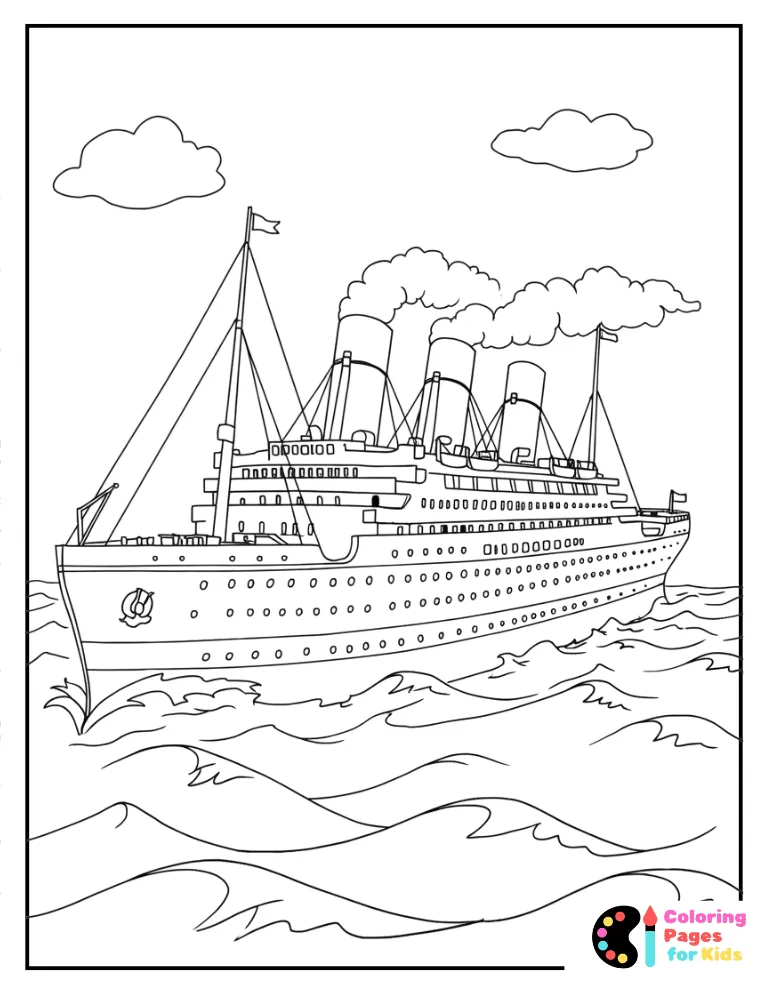
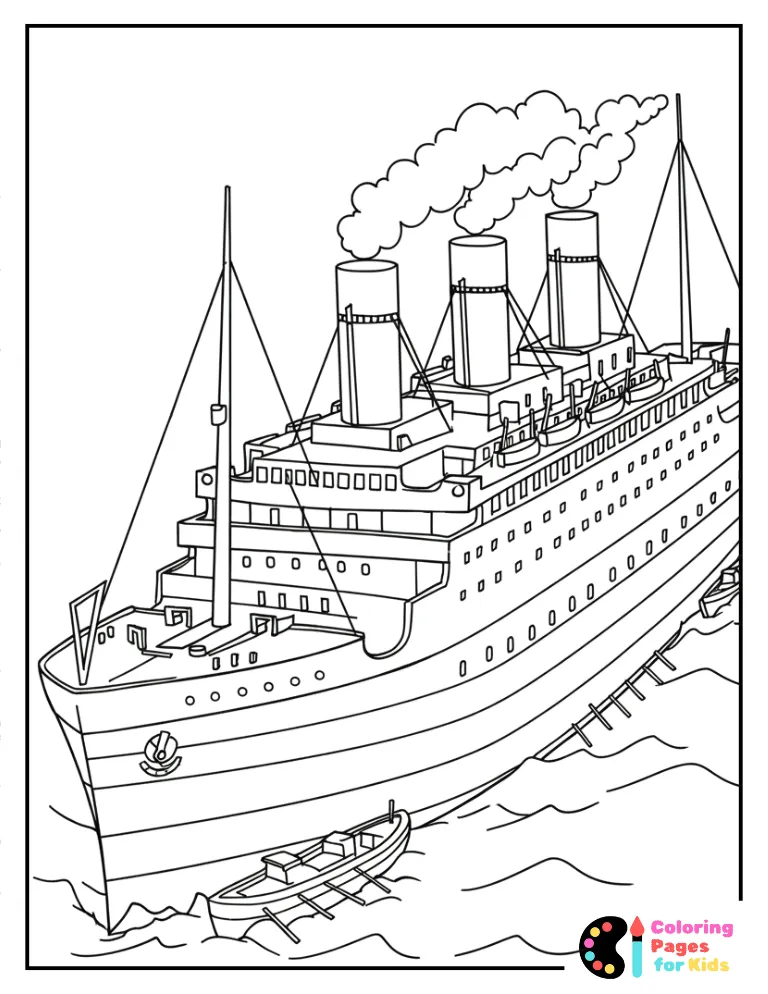
Why Titanic Coloring Sheets Make Perfect Craft Materials
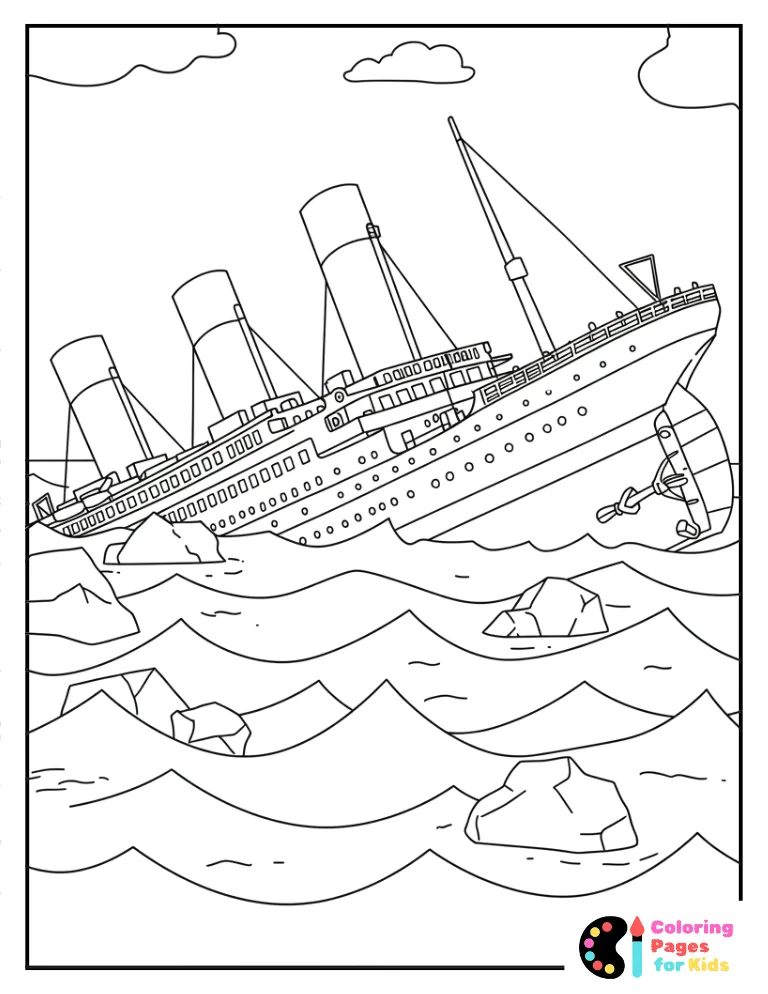
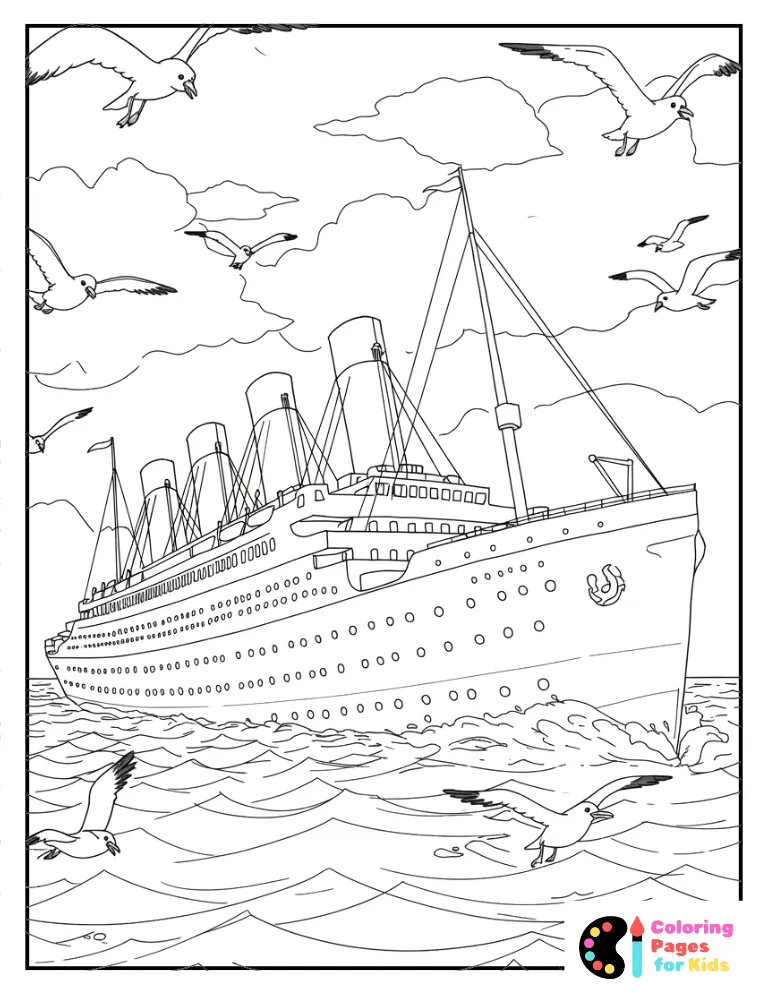
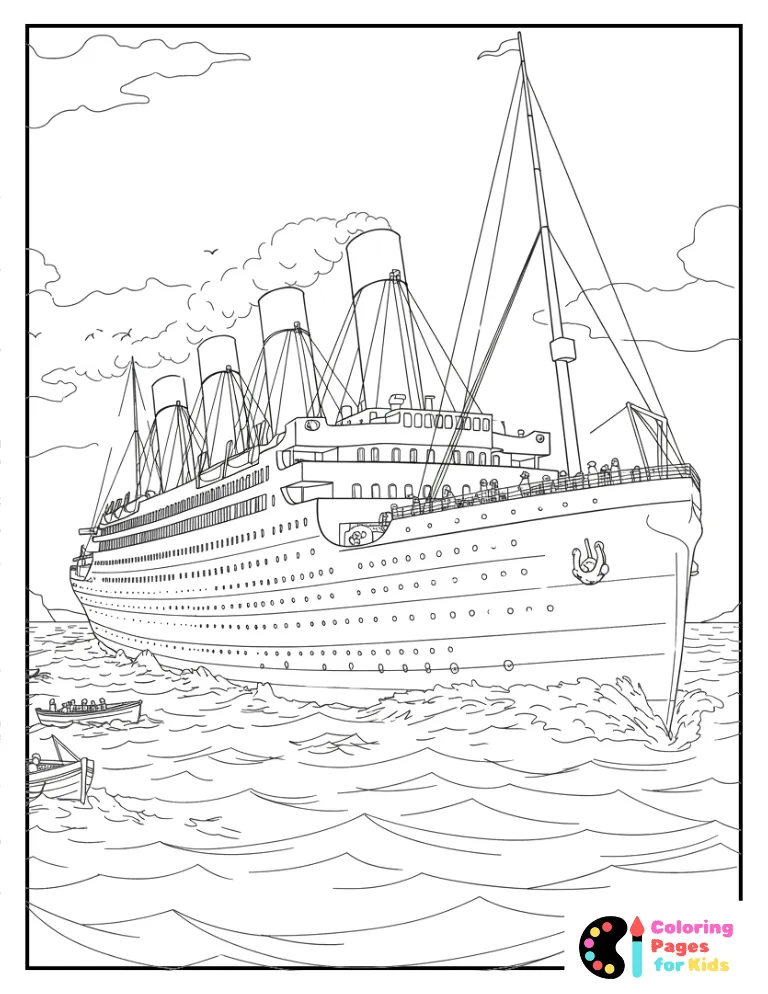
Before exploring our craft ideas, it’s worth understanding why Titanic coloring pages are particularly well-suited for creative projects. Titanic coloring pages are a great way to imagine this fantastic ship, and when combined with hands-on crafting, they create powerful learning opportunities.
The detailed nature of most Titanic illustrations provides excellent source material for various craft techniques, from simple cutting and pasting to more complex 3D constructions. Plus, the historical significance adds educational value that goes beyond typical craft activities.
Essential Craft Supplies for Your Titanic Projects
Before starting any project, gather these basic materials:
- Colored Titanic pages (multiple copies recommended)
- Cardboard or poster board
- Scissors and craft knives
- Glue sticks and liquid glue
- Colored construction paper
- Yarn and string
- Tissue paper in various colors
- Empty containers (shoeboxes, paper towel rolls)
- Craft sticks and toothpicks
- Markers and crayons
15 Innovative Craft Ideas Using Titanic Coloring Pages
1. Interactive Ocean Diorama
Transform your colored Titanic into the centerpiece of a stunning ocean scene. Start by coloring and cutting out your Titanic, then glue it to thick cardboard for stability. Create a three-dimensional ocean environment using a large poster board as your base.
Layer different shades of blue tissue paper to create depth, with darker blues at the bottom transitioning to lighter shades at the surface. Add white tissue paper “foam” along wave crests. Use cotton balls for clouds and small mirrors or aluminum foil pieces to create the effect of moonlight on water.
Educational Extension: Research the actual weather conditions on the night the Titanic sank and recreate them in your diorama.
2. Progressive Sinking Ship Display
This powerful educational craft shows the Titanic’s tragic fate through multiple scenes. Create three separate dioramas showing the ship before, during, and after hitting the iceberg.
Use three identical shoeboxes turned on their sides. In the first box, show the magnificent ship sailing proudly. The second depicts the collision with a white tissue paper iceberg. The third shows the boat at various angles of sinking, with small paper lifeboats scattered around.
Learning Opportunity: Discuss the timeline of events and the importance of maritime safety regulations that followed.
3. Rotating Story Wheel
Create an engaging storytelling device by making a circular story wheel. Cut two circles from sturdy cardboard—one slightly smaller than the other. Divide the larger circle into sections and illustrate different parts of the Titanic story using elements from your coloring pages.
Attach the circles with a brass fastener, creating a window in the top circle. As children rotate the wheel, different scenes appear, telling the complete Titanic story from construction to discovery of the wreck.
4. Titanic Memory Game
Turn your coloring pages into an educational memory-matching game. Create pairs of cards featuring different aspects of the Titanic: the ship itself, lifeboats, the iceberg, passengers, and crew members.
Laminate the cards for durability and include fact cards with interesting information about each image. This combines memory skills with historical learning.
5. Vintage Travel Luggage Tags
Design authentic-looking luggage tags inspired by the Titanic era. After coloring your Titanic pages, cut them into luggage tag shapes and mount them on sturdy cardboard.
Add period-appropriate details like “White Star Line,” passenger class designations, and destination information. These make excellent decorative items or can be used for role-playing activities.
6. Engineering Challenge: Unsinkable Ship
Use your colored Titanic as inspiration for a STEM challenge. After studying the ship’s design flaws, challenge students to design and build their own “unsinkable” ship using recyclable materials.
One of our favorite Titanic classroom activities is the Tinfoil Boat STEM project, which combines engineering principles with historical learning.
Test your creations in water to see which designs are most stable and can carry the most weight without sinking.
7. Historical Timeline Banner
Create a comprehensive timeline banner showing the Titanic’s complete story. Use a long strip of paper and divide it into sections representing different time periods.
Incorporate your colored Titanic images alongside other historical events, photos, and information. This visual timeline helps students understand the Titanic within the broader context of early 20th-century history.
8. Titanic Journal Covers
Transform colored pages into beautiful covers for history journals or notebooks. Laminate the colored pages and attach them to composition books or blank journals.
Students can use these journals to record facts they learn about the Titanic, write creative stories, or document their own craft projects.
9. Pop-Up Greeting Cards
Create dramatic pop-up cards featuring the Titanic. Fold cardstock in half and cut strategic slits to create a pop-up mechanism. Attach your colored Titanic to the pop-up section.
When the card opens, the ship “sails” toward the recipient. Add ocean waves and clouds for extra visual impact.
10. Titanic Shadow Box Theatre
Build a layered shadow box telling the Titanic story. Use a deep picture frame or create your own from a shoebox. Layer different elements at various depths to create a 3D effect.
Position your colored Titanic at different angles and distances to show the ship’s journey. Add LED tea lights for dramatic backlighting effects.
11. Historical Character Masks
If your coloring pages include passenger and crew figures, turn them into character masks for role-playing activities. Mount the colored figures on craft sticks to create simple masks.
Research actual Titanic passengers and assign characters to students for historical reenactments or presentations.
12. Collaborative Classroom Mural
Organize a large-scale collaborative project where each student contributes colored elements to a massive classroom mural. Assign different students various components: the ship, ocean, icebergs, lifeboats, and passengers.
Combine all elements on a wall-sized piece of paper to create an impressive display that showcases everyone’s work while telling the complete Titanic story.
13. Titanic Trading Cards
Design and create trading card sets featuring different aspects of the Titanic. Include statistics about the ship, brief biographies of notable passengers, and historical facts.
Use your colored images as the main illustrations and add informational text on the back. This combines art, research, and design skills.
14. Musical Instrument Crafts
Create simple musical instruments inspired by the Titanic’s band, which famously played as the ship sank. Use your colored pages to decorate homemade instruments like paper plate tambourines or cardboard tube “horns.”
Research the actual songs played that night and incorporate music into your historical study.
15. Archaeological Discovery Box
Create a mock archaeological discovery box simulating the finding of Titanic artifacts. Use your colored pages to create “artifact replicas” and package them with authentic-looking documentation.
Include maps showing the wreck location, expedition photos, and discovery timelines. This connects the historical Titanic with modern deep-sea exploration.
Age-Appropriate Adaptations
For Younger Children (Ages 4-7)
Focus on simpler projects like the ocean diorama or luggage tags. Provide pre-cut materials and emphasize sensory experiences with different textures and colors.
For Elementary Students (Ages 8-12)
Introduce more complex projects involving multiple steps and historical research. Encourage independent problem-solving and creative modifications to basic project ideas.
For Teens and Adults
Challenge older participants with engineering projects, detailed historical research, and sophisticated artistic techniques. Please encourage them to mentor younger students in collaborative projects.
Educational Benefits Beyond Crafting
These Titanic craft projects offer numerous learning opportunities:
Historical Understanding: Students gain a deeper appreciation for early 20th-century life, maritime travel, and social class distinctions.
STEM Learning: Engineering challenges, buoyancy experiments, and mathematical calculations related to the ship’s specifications.
Geography Skills: Mapping the Titanic’s route, understanding ocean currents, and exploring the North Atlantic region.
Social Studies: Examining immigration patterns, social hierarchies, and the impact of technological advancement on society.
Digital Integration Ideas
Enhance your physical crafts with digital elements:
- Create QR codes linking to historical resources or virtual Titanic tours
- Use apps to add augmented reality features to your displays
- Document your projects with time-lapse photography
- Share completed projects on classroom blogs or social media
Storage and Display Solutions
Preservation Tips:
- Laminate flat pieces to prevent damage
- Use clear storage containers for three-dimensional projects
- Create dedicated display areas that rotate different projects
- Photograph all projects for digital portfolios
Display Ideas:
- Organize museum-style exhibits in your classroom or home
- Create themed bulletin boards featuring different projects
- Set up interactive stations where visitors can handle specific projects
- Develop presentation opportunities where students explain their work
Extending the Learning Experience
Don’t let the learning stop with craft completion. Consider these extension activities:
Research Projects: Assign students to investigate specific aspects of the Titanic disaster that interested them during crafting.
Creative Writing: Use completed crafts as inspiration for historical fiction stories or diary entries from passengers’ perspectives.
Presentations: Have students present their projects to other classes, explaining both the crafting process and historical content.
Community Connections: Invite local historians or maritime experts to view student projects and share additional insights.
Enhance your transportation-themed crafts by combining Titanic pages with high-energy designs from our Monster Truck coloring pages—perfect for engaging young vehicle enthusiasts creatively.
Safety Considerations for All Projects
Always prioritize safety during craft activities:
- Supervise the use of sharp tools like scissors and craft knives
- Ensure adequate ventilation when using adhesives
- Use child-safe materials and non-toxic supplies
- Provide an appropriate workspace with proper lighting
- Keep first aid supplies readily available
Transforming Learning Through Creative Expression
Titanic coloring sheets serve as powerful catalysts for meaningful learning experiences that extend far beyond simple coloring activities. Through these 15 creative craft ideas, you can transform basic coloring pages into engaging educational tools that bring history to life, develop critical thinking skills, and foster creative expression.
Whether you’re working with a single child or an entire classroom, these projects offer opportunities for differentiated learning, collaborative work, and individual achievement. The combination of hands-on crafting with historical content creates lasting memories and a deep understanding that traditional textbook learning often cannot achieve.
Remember that the most successful projects are those that spark curiosity and encourage further exploration. Use these ideas as starting points for your own creative adaptations, and don’t hesitate to let student interests guide the direction of your projects.
The tragic story of the Titanic continues to resonate because it represents both human ambition and vulnerability. Through these craft projects, we help new generations understand this pivotal moment in history while developing the creative and critical thinking skills they’ll need for their own journeys ahead.