Sea Creatures Coloring Pages (Free PDF Printables)
Dive into an ocean of creativity with these innovative craft ideas that breathe life into your sea creature coloring pages! Whether you’re a parent looking for engaging activities, an educator seeking classroom projects, or simply someone who loves marine-themed crafts, these ten transformative ideas will turn simple coloring pages into extraordinary keepsakes and learning tools.
Sea creatures coloring pages offer endless possibilities beyond traditional coloring. From creating immersive underwater dioramas to designing interactive puppet shows, these craft ideas will captivate children while fostering creativity, fine motor skills, and ocean awareness.


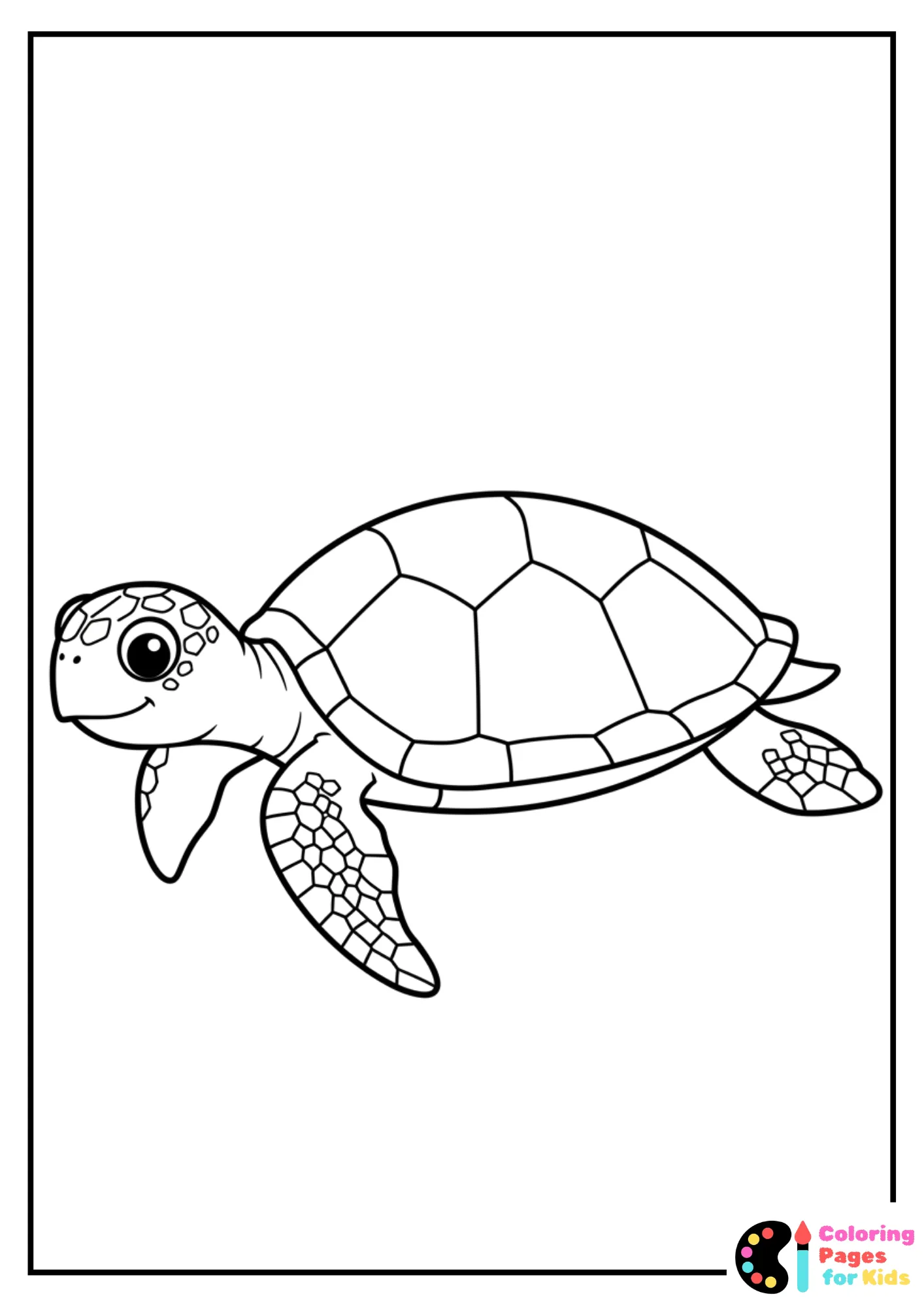


1. Build an Underwater Diorama Paradise
Transform your colored sea creatures into a breathtaking three-dimensional underwater world. Start by selecting a shoebox or small cardboard box as your ocean habitat foundation.
Materials needed:
- Colored sea creatures coloring pages
- Shoebox or cardboard box
- Blue construction paper or paint
- Cotton batting for bubbles
- Sand or small pebbles
- Plastic wrap or cellophane
Step-by-step process: Cut out your beautifully colored marine animals and laminate them for durability. Paint the interior of your box in ocean blues and greens, creating depth with darker colors at the bottom. Layer sand or pebbles on the floor, then arrange your sea creatures at different heights using small stands or by hanging them with fishing line.
This craft combines coloring with engineering skills as children arrange and glue sea creatures onto backgrounds, creating realistic underwater scenes. The finished diorama becomes a stunning display piece that showcases both artistic talent and marine biology knowledge.
2. Create an Interactive Ocean Puppet Theater
Turn your sea creatures coloring pages into an engaging puppet show that brings underwater adventures to life. This craft combines storytelling with hands-on creativity.
Construction steps: Print multiple copies of your favorite sea creatures, color them vibrantly, then cut them out carefully. Attach popsicle sticks or wooden dowels to create stick puppets. Design a simple theater backdrop using a large cardboard box with a rectangular opening cut in the front.
Ocean-themed puppet shows promote imaginative under-the-sea pretend play while developing storytelling skills. Children can create original narratives about marine life, coral reef adventures, or ocean conservation stories.
Performance ideas:
- Dolphin rescue missions
- Coral reef community stories
- Deep-sea exploration adventures
- Marine animal friendship tales
3. Design Wearable Ocean Animal Masks
Transform sea creatures coloring pages into fantastic wearable masks that allow children to embody their favorite marine animals.
Mask-making process: Select larger sea creature designs, preferably those with distinctive facial features like sharks, dolphins, or octopuses. After coloring, carefully cut out the creature’s head area. Attach an elastic string or ribbon to create comfortable head straps.
Enhancement techniques: Add texture using materials like bubble wrap for scales, cotton balls for jellyfish tentacles, or metallic paper for fish scales. This craft develops spatial awareness and provides endless opportunities for role-playing games.
Consider creating a complete ocean animal costume collection, allowing children to host underwater-themed parties or educational presentations about marine ecosystems.
4. Craft Spinning Ocean Mobiles
Create mesmerizing hanging mobiles that showcase the graceful movement of sea creatures in their natural habitat.
Mobile construction: Use embroidery hoops or wire rings as your mobile base. Color multiple sea creatures, cut them out, and laminate for longevity. Attach varying lengths of fishing line or clear thread to create different swimming levels.
Design considerations: Balance is crucial for proper mobile function. Distribute weight evenly and test your mobile’s movement before final assembly. Incorporate real seashells, glass beads, or iridescent materials to catch and reflect light, creating stunning visual effects.
These mobiles make excellent gifts and can be customized to represent specific ocean zones, from surface waters to deep-sea environments.
5. Construct the Educational Ocean Layers Book
Transform sea creatures coloring pages into an informative flip book that teaches ocean zone classification and marine habitat diversity.
Book assembly: Organize your colored sea creatures according to their natural ocean zones: sunlight zone, twilight zone, midnight zone, and abyssal zone. Create separate pages for each zone, using appropriate background colors and environmental details.
Educational value: This craft reinforces science learning while developing organizational skills. Children learn about pressure changes, light availability, and temperature variations at different ocean depths. Include fact cards about each creature’s unique adaptations and survival strategies.
Interactive elements: Add fold-out sections, pop-up elements, or transparent overlays to enhance the learning experience. This book becomes a valuable reference tool for future marine biology studies.
6. Design Ocean Memory Match Games
Create custom memory games using pairs of identical sea creature coloring pages for cognitive skill development.
Game preparation: Print two copies of each sea creature coloring page. Color matching pairs identically to ensure proper game function. Laminate all pieces for durability and easier handling.
Gameplay variations:
- Traditional memory matching
- Marine habitat matching (creature to environment)
- Predator-prey relationship games
- Ocean food chain sequencing
These games combine entertainment with educational value, helping children learn marine animal names, characteristics, and ecological relationships while improving memory and concentration skills.
7. Build Textured Ocean Sensory Boards
Transform sea creatures coloring pages into tactile learning experiences that engage multiple senses simultaneously.
Sensory board creation: Mount colored sea creatures onto sturdy backing boards. Add various textures representing different ocean environments: sandpaper for sandy bottoms, bubble wrap for water bubbles, corrugated cardboard for coral ridges, and soft fabric for sea anemones.
Developmental benefits: Sensory boards support tactile learning, especially beneficial for children with different learning styles. They encourage exploration and vocabulary development as children describe textures and sensations.
Accessibility features: Include braille labels or raised dots for visually impaired learners, making ocean education accessible to all children.
8. Create Ocean Conservation Awareness Posters
Use sea creature coloring pages to design powerful environmental awareness displays that promote ocean protection and conservation.
Poster design process: Arrange colored marine animals around conservation messages like “Save Our Seas,” “Protect Marine Life,” or “Ocean Health Matters.” Incorporate recycled materials to reinforce environmental themes.
Educational impact: These posters serve as conversation starters about pollution, climate change, and marine ecosystem protection. Children become ocean advocates while practicing design and communication skills.
Display finished posters in schools, libraries, or community centers to spread conservation awareness throughout your local area.
9. Craft Floating Ocean Science Experiments
Transform sea creatures coloring pages into scientific exploration tools that demonstrate buoyancy, density, and water movement principles.
Experiment setup: Laminate colored sea creatures, then test which materials make them float or sink. Create controlled experiments using different weights, materials, and water conditions.
Scientific learning: Children observe how real marine animals achieve buoyancy through swim bladders, body composition, and behavioral adaptations. This hands-on approach makes abstract scientific concepts tangible and memorable.
Data collection: Encourage children to record experimental results, creating graphs and charts that document their discoveries about marine animal movement and ocean physics.
10. Design Ocean-Themed Board Games
Create original board games featuring sea creature coloring pages as central design elements and game pieces.
Game development: Use a large poster board as your game foundation. Create a winding path through different ocean zones, using colored sea creatures as both decorations and game markers.
Rule creation: Develop simple rules involving marine animal facts, conservation challenges, or ocean exploration adventures. Include question cards that reinforce learning while maintaining game excitement.
Skill development: Board game creation develops strategic thinking, rule comprehension, and social interaction skills. Players learn cooperation, patience, and good sportsmanship while exploring marine environments.
Maximizing Your Craft Success
Essential Preparation Tips
Before beginning any project, gather all necessary materials and prepare your workspace adequately. High-quality printable sea animal templates featuring coral reef fishes, jellyfish, starfish, seahorses, crabs, octopuses, dolphins, sharks, whales, orcas, and sea turtles provide excellent starting points for these craft activities.
Safety Considerations
Always supervise children during crafting activities, especially when using scissors, glue, or small materials. Choose age-appropriate projects and modify complexity levels based on individual skill development.
Storage and Organization
Create dedicated storage systems for ongoing projects. Use plastic bins, file folders, or portfolios to keep materials organized and easily accessible for future crafting sessions.
Educational Benefits of Sea Creatures Craft Activities
These craft projects offer numerous developmental advantages beyond simple entertainment. Fine motor skill development occurs through cutting, coloring, and assembly activities. Cognitive growth happens through problem-solving, following instructions, and creative decision-making.
Ocean-themed coloring pages can be used for classroom crafts, diorama building, letter learning, and spelling activities while teaching children about ocean life and marine ecosystems. This multidisciplinary approach reinforces learning across subjects, including science, art, reading, and environmental studies.
Social skills develop through collaborative crafting experiences, sharing materials, and presenting finished projects to family members or classmates. Emotional development occurs as children experience pride in their creations and confidence in their artistic abilities.
Troubleshooting Common Craft Challenges
Paper Management Issues
If coloring pages tear during cutting, reinforce them with clear tape before proceeding. For repeated-use items like game pieces or puppets, lamination provides essential durability.
Color Bleeding Problems
Use high-quality coloring materials and allow adequate drying time between layers. Test markers on sample paper before using them on finished artwork.
Assembly Difficulties
Break complex projects into smaller, manageable steps. Create instruction cards with visual guides to help children work independently while building confidence.
Diving Deeper into Ocean Creativity
These ten innovative craft ideas transform simple sea creatures coloring sheets into engaging, educational, and entertaining projects that captivate children while fostering learning and creativity. From building immersive dioramas to creating interactive games, each activity offers unique opportunities for skill development and marine education.
Whether you’re planning a summer activity, classroom project, or rainy day entertainment, these sea creature crafts provide hours of meaningful engagement. The combination of artistic expression, scientific learning, and creative problem-solving creates memorable experiences that children will treasure long after completion.
Remember that the most successful crafting experiences prioritize process over perfection. Encourage experimentation, celebrate unique interpretations, and use these activities as springboards for more bottomless ocean exploration and environmental awareness. Your colored sea creatures are just the beginning of an incredible underwater adventure that combines imagination with education in the most delightful ways possible.
Start with one project that matches your available time and materials, then gradually explore additional ideas as confidence and enthusiasm build. The ocean of creativity awaits your exploration!