Science Coloring Pages (Free PDF Printables)
Transforming completed science coloring pages into engaging crafts opens up a world of creative learning opportunities for young minds. These innovative projects not only extend the educational value of your free science coloring pages but also help children develop fine motor skills, spatial awareness, and scientific curiosity through hands-on activities.
Whether you’re a parent looking to maximize the potential of downloaded printables or an educator seeking interactive classroom activities, these ten craft ideas will breathe new life into finished coloring pages while reinforcing scientific concepts in memorable ways.


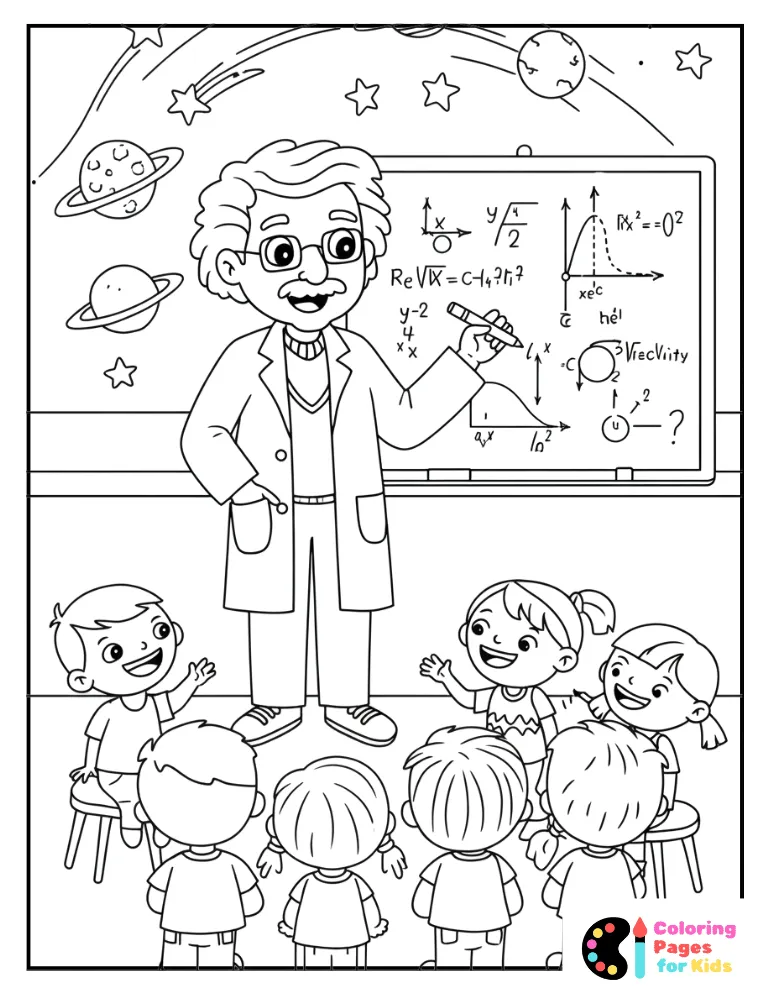
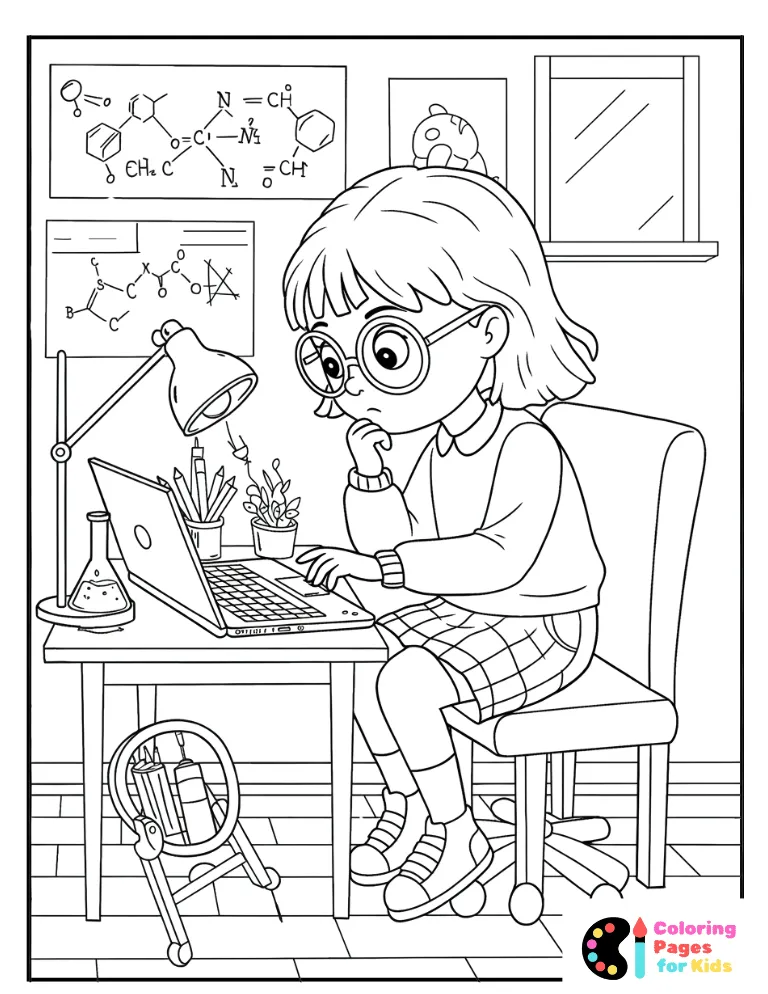

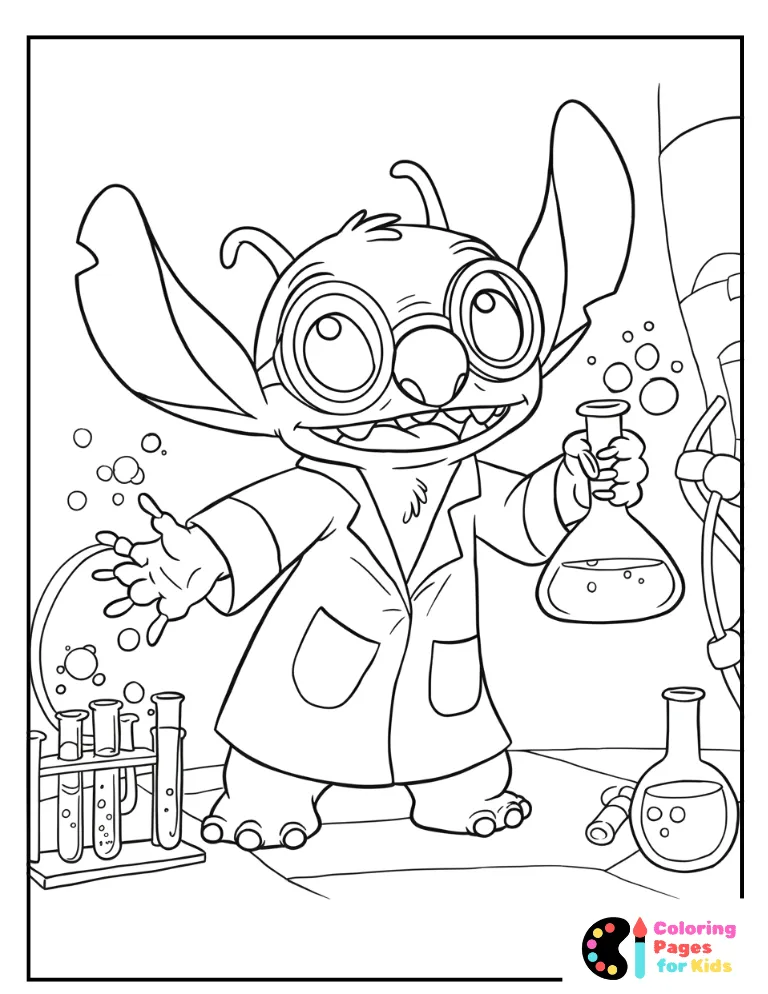

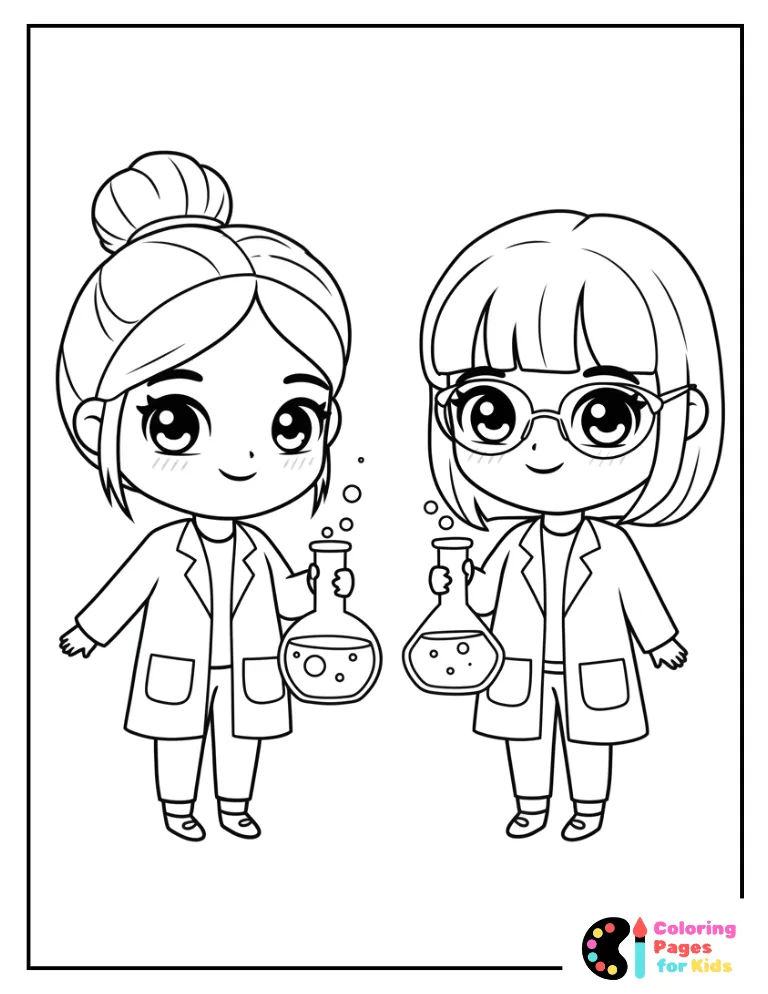
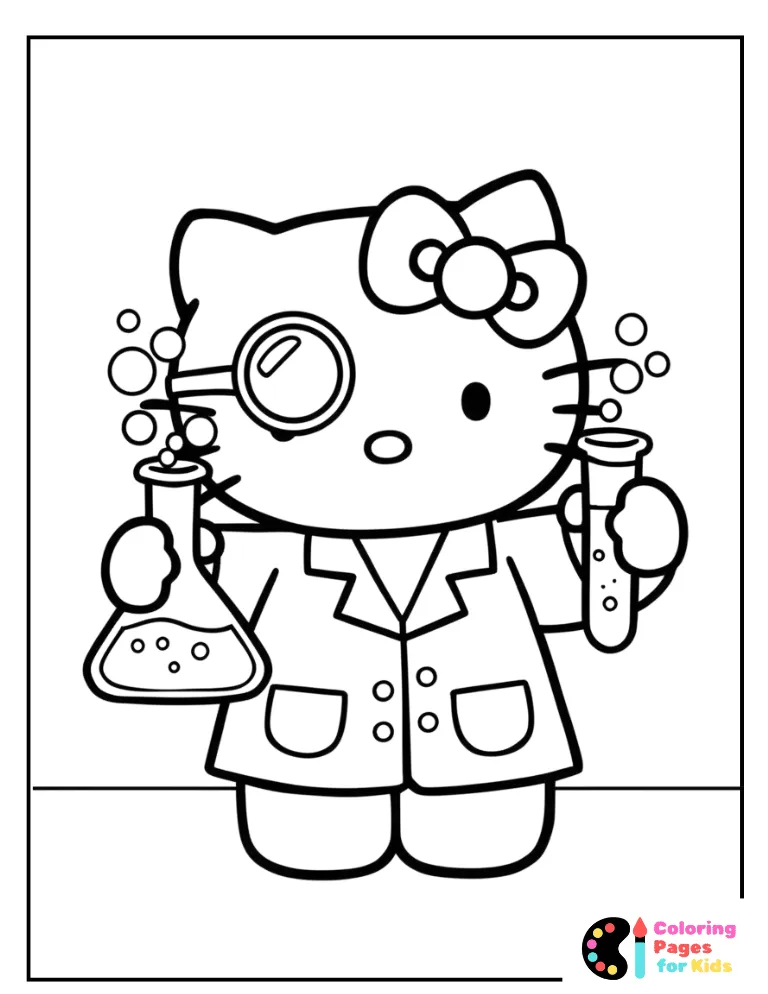


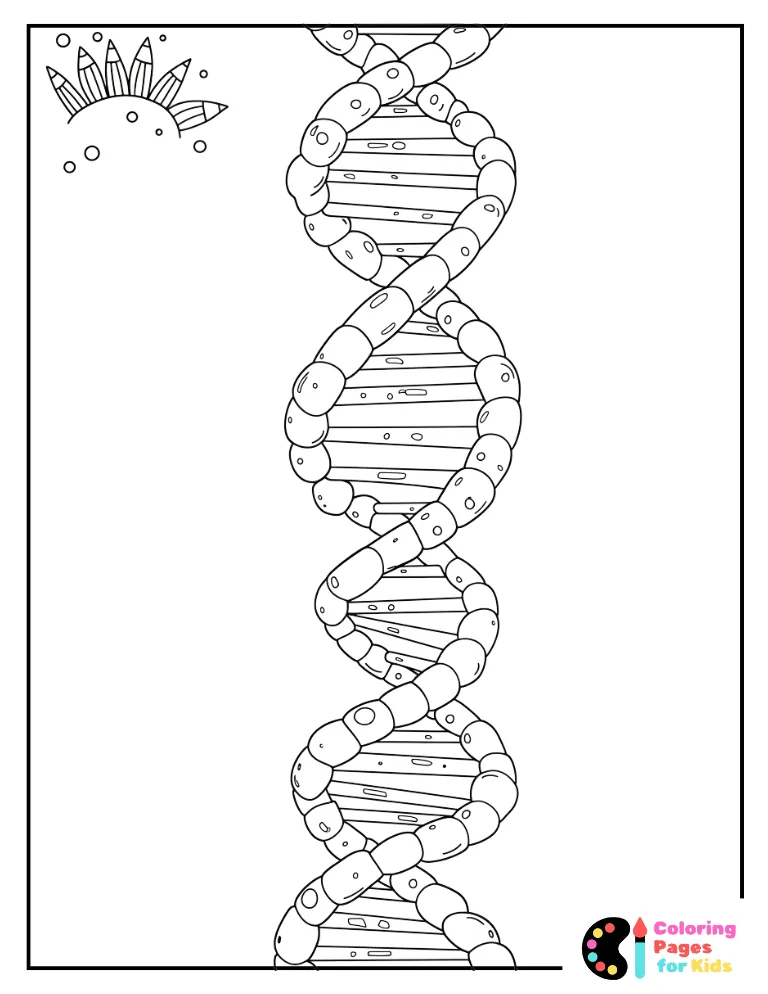
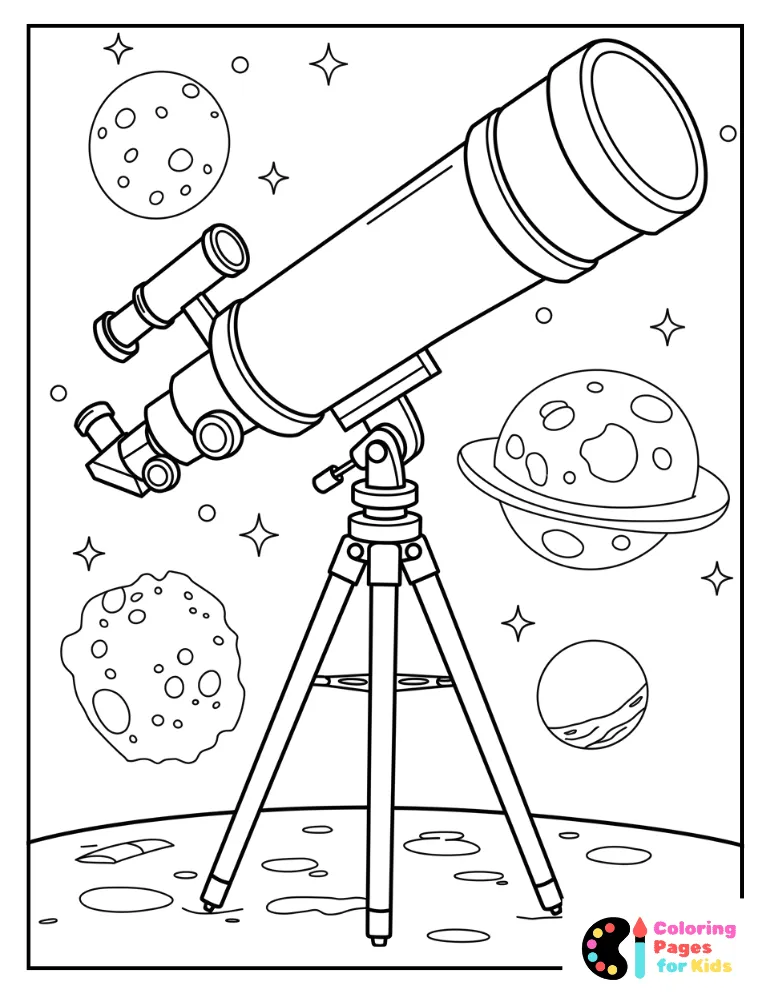
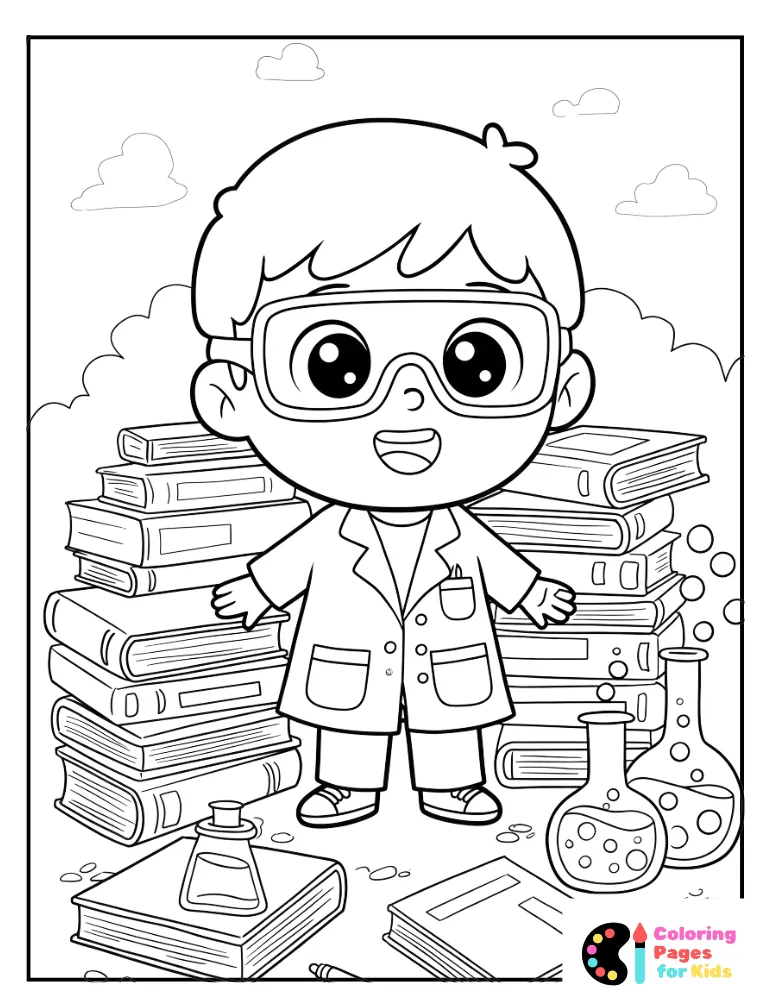


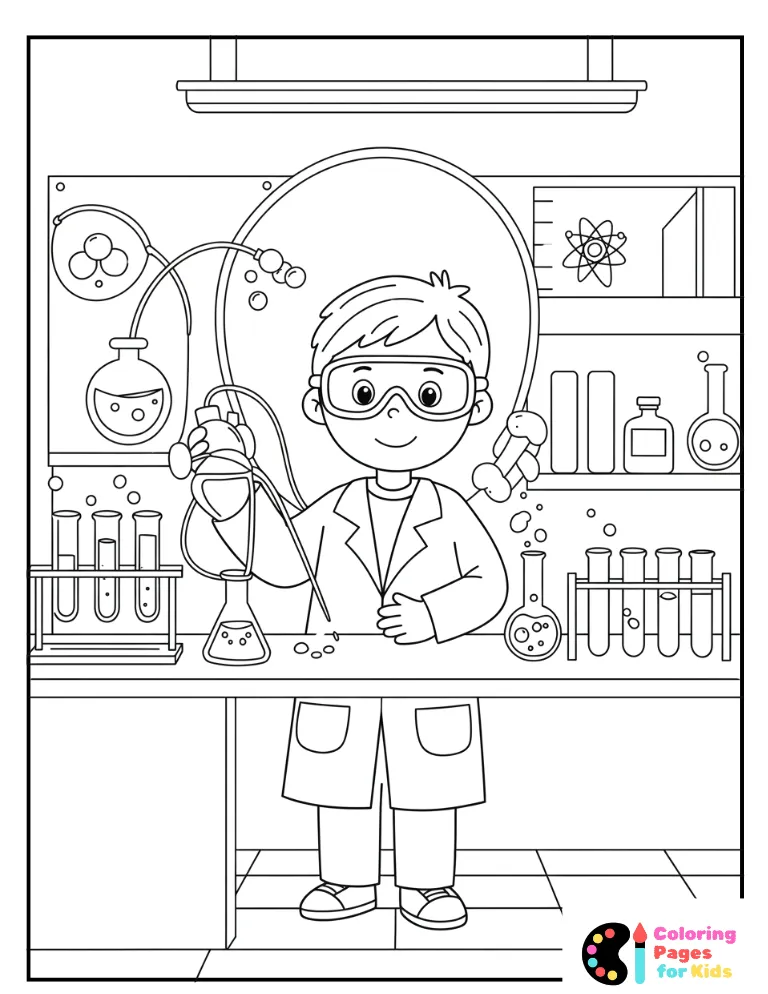
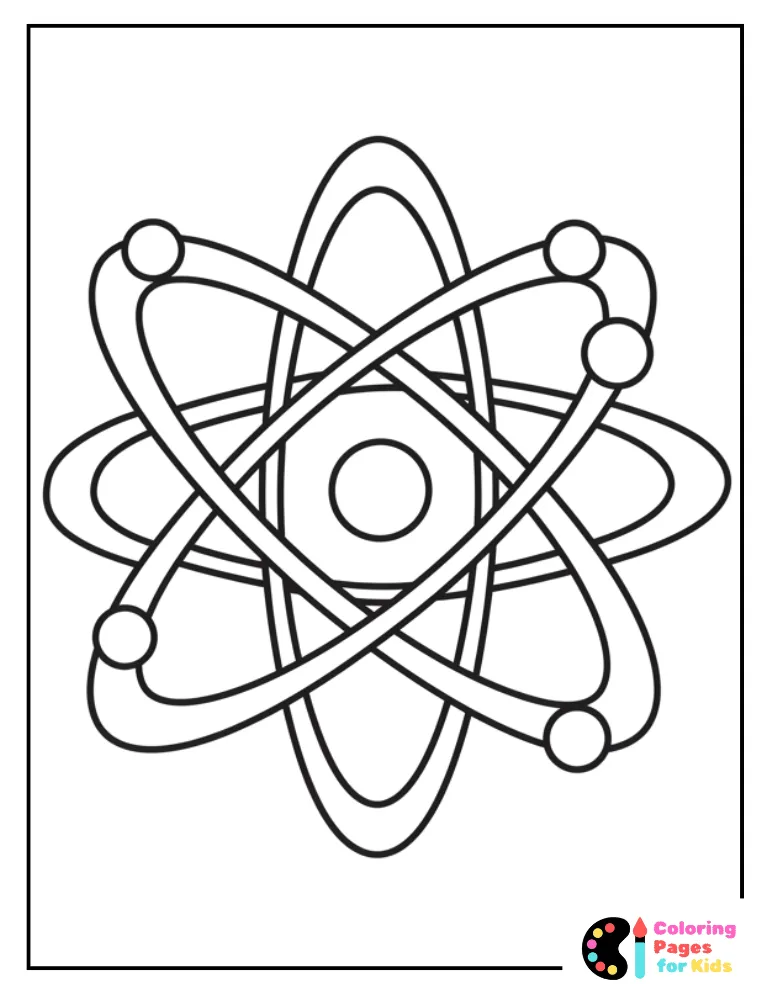
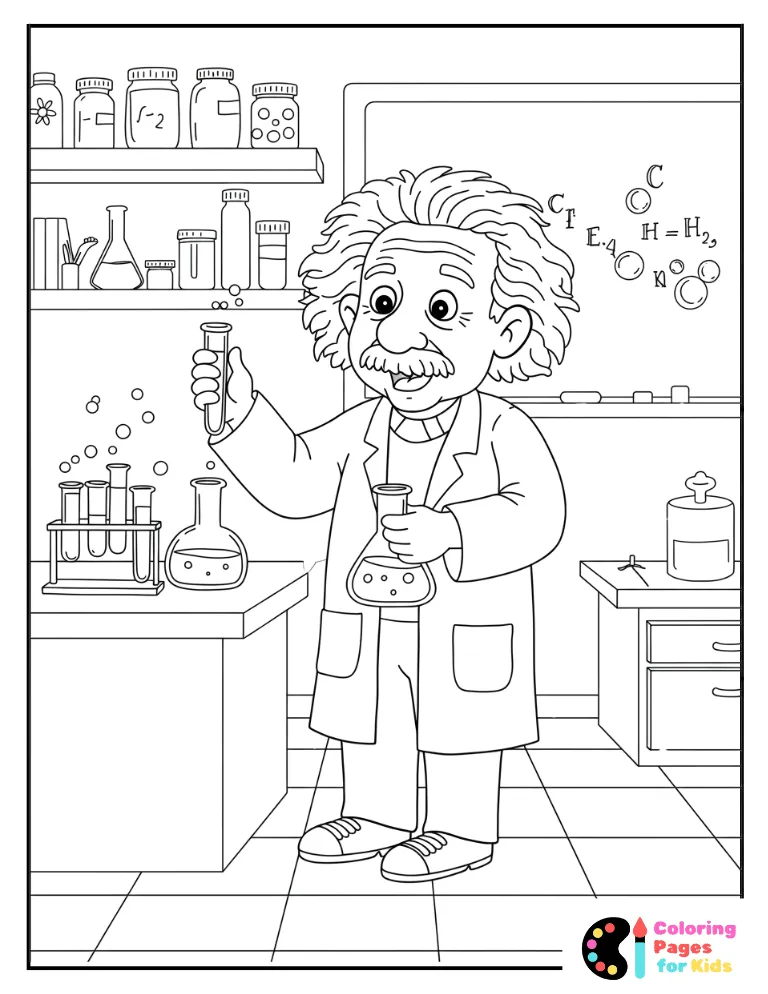
Why Repurpose Science Coloring Sheets Into Crafts?
Before diving into our craft collection, it’s worth understanding why transforming completed coloring pages extends learning beyond the initial activity. Research shows that multi-sensory learning approaches increase retention rates by up to 90%, making these craft projects powerful educational tools that combine visual, tactile, and kinesthetic learning styles.
1. Interactive Elements of Nature Wheel
Create an educational spinner that teaches fundamental scientific principles using your completed science coloring pages. This engaging craft transforms static images into an interactive learning tool that children can manipulate and explore.
Materials needed:
- Paper plate
- Brad fastener
- Completed science coloring pages
- Scissors and glue
- Markers
Start by dividing a sturdy paper plate into four equal sections using a permanent marker. Cut out relevant images from your science coloring pages—consider grouping themes like the four elements (earth, air, fire, water), states of matter, or different scientific tools. Attach each cutout to a section of the plate, then create a spinner arrow from cardboard and attach it with a brad fastener.
This craft reinforces categorization skills while allowing children to explore connections between different scientific concepts through interactive play.
2. Laboratory Test Tube Sensory Bottles
Transform ordinary plastic containers into captivating sensory experiences that mimic real laboratory equipment while incorporating your finished coloring page artwork.
Begin by collecting clear plastic bottles or actual test tubes from educational supply stores. Laminate small cutouts from your science coloring pages and carefully insert them into the containers. Layer different materials like colored sand, glitter, small beads, or even oil and water to create mesmerizing effects.
Add crumpled tissue paper in bright colors at the opening to simulate bubbling chemical reactions. These sensory bottles serve as excellent calm-down tools while maintaining the scientific theme, making them perfect for both home and classroom environments.
3. Weather Station Anemometer Display
Combine engineering principles with artistic expression by constructing a functional wind measurement device decorated with your completed science coloring pages.
Construction steps:
- Gather four small paper cups and two plastic straws
- Cover each cup with laminated sections from your coloring pages
- Cross the straws to form an X-shape and secure with tape
- Attach cups to each straw end, ensuring they face the same direction
- Mount on a pencil or dowel rod for spinning capability
This project introduces children to meteorology concepts while demonstrating how scientific instruments work. The decorated cups add visual appeal while the spinning motion provides kinetic engagement that holds attention and reinforces learning.
4. Wearable Atomic Structure Jewelry
Create educational accessories that allow children to wear their scientific knowledge while showcasing their artistic abilities.
Select coloring pages featuring atomic structures, periodic table elements, or molecular diagrams. After coloring and cutting out the desired shapes, reinforce them with cardboard backing and laminate for durability. Punch holes for yarn or ribbon to create necklaces, or attach safety pins for decorative badges.
These wearable science pieces spark conversations about atomic theory and chemical elements while building confidence in scientific vocabulary. They’re particularly effective for science fairs or themed educational events.
5. Functional Telescope Craft Project
Design working optical toys that demonstrate basic principles of magnification while incorporating artistic elements from completed coloring pages.
Use empty wrapping paper tubes as the main telescope body, trimming to desired lengths for easy handling. Insert a smaller cardboard tube (from toilet paper rolls) at one end to create the eyepiece. Decorate the exterior with carefully cut sections from your science coloring pages, focusing on space-themed or astronomy-related images.
While these telescopes won’t provide actual magnification, they encourage children to observe their environment more closely and discuss concepts like focus, magnification, and optical instruments used by real scientists. Enhance your space-themed crafts by pairing them with our Rocket Coloring Pages—perfect for igniting curiosity about space exploration while reinforcing key STEM concepts through art.
6. Personalized Study Space Decoration
Transform ordinary furniture into inspiring scientific workstations that motivate continued learning and exploration.
Desk transformation process:
- Select diverse images from multiple science coloring pages
- Arrange cutouts in an appealing pattern across the desk surface
- Apply with a strong adhesive in overlapping layers
- Seal with a clear acrylic coating for durability
The personalized nature of the decoration increases emotional investment in the learning space. Expand hands-on learning by integrating our Architecture Coloring Pages—a perfect companion for teaching design, engineering, and spatial concepts through creative construction-themed crafts.
7. Custom Laboratory Door Signs
Develop clear communication tools that establish boundaries while maintaining the scientific theme throughout your home or classroom.
Choose coloring pages featuring scientists, laboratory equipment, or experimental scenes. Mount the completed artwork on sturdy posterboard and add bold text such as “Experiment in Progress” or “Future Scientist at Work.” These signs serve practical purposes while reinforcing scientific identity and encouraging serious engagement with STEM subjects.
The visual appeal of hand-colored artwork makes these signs more engaging than printed alternatives, increasing compliance with quiet study requests.
8. Classroom Discovery Banner System
Create dynamic display elements that can be reconfigured for different lessons while showcasing student artwork and scientific concepts.
Cut large lightbulb shapes from posterboard and use various science coloring page cutouts to decorate each bulb uniquely. String these together to form flexible banner systems that can highlight different scientific themes throughout the academic year.
This approach allows for easy customization while maintaining visual consistency in classroom decoration. The lightbulb symbolism reinforces the connection between learning and discovery, motivating students to pursue scientific understanding.
9. Role-Play Safety Equipment
Encourage proper laboratory safety habits through engaging dress-up accessories created from sturdy coloring page materials.
Trace safety goggle or laboratory glasses templates onto completed coloring pages featuring appropriate scientific imagery. Reinforce with a cardboard backing and attach comfortable elastic straps or pipe cleaner arms for wearing. These accessories make safety discussions more engaging while providing concrete examples of protective equipment used by real scientists.
The hands-on creation process helps children understand the importance of safety protocols while making the topic memorable and fun.
10. Traditional Mortar and Pestle Display
Construct historically-inspired scientific tools that demonstrate how scientists have worked throughout history while showcasing artistic creativity.
Assembly instructions:
- Use plastic bowls and large spoons as base structures
- Wrap cotton balls in tissue paper to create realistic pestle padding
- Decorate both components with overlapping coloring page cutouts
- Balance the pestle inside the mortar for an authentic appearance
This craft introduces children to traditional laboratory equipment while discussing the evolution of scientific tools and methods. The hands-on construction process reinforces understanding of how scientists prepare and mix materials for experiments.
Maximizing Educational Value Through Extension Activities
Get kids excited for the new academic year by pairing these science-themed printables with our back-to-school coloring pages for a fun educational start. To further enhance the learning potential of these science coloring page crafts, consider incorporating additional educational elements:
Documentation and reflection: Encourage children to photograph their completed projects and write brief descriptions of the scientific concepts represented. This practice develops both technical vocabulary and communication skills essential for scientific literacy.
Cross-curricular connections: Link craft projects to other subjects by incorporating mathematical measurements, historical context about scientific discoveries, or creative writing about imaginary experiments using the created tools.
Progressive skill building: Start with simpler projects for younger children and gradually introduce more complex construction techniques as motor skills and attention spans develop.
Storage and Display Solutions
Preserve the educational investment in these projects by creating dedicated storage and display systems. Use clear containers to store smaller items like jewelry and sensory bottles, while designating wall space for larger pieces like banners and signs.
Consider rotating displays seasonally to maintain visual interest while providing opportunities to revisit and discuss previously completed projects. This approach reinforces learning while demonstrating the lasting value of creative scientific exploration.
Safety Considerations for Craft Activities
Always supervise children during construction activities, particularly when using scissors, glue, or small objects that could present choking hazards. Choose age-appropriate materials and modify project complexity based on individual developmental needs.
Ensure all laminated items are properly sealed to prevent moisture damage, and regularly inspect completed crafts for wear or damage that might compromise safety during use.
These ten creative applications for completed science coloring sheets demonstrate how simple materials can be transformed into powerful educational tools that extend learning far beyond the initial coloring activity. By combining artistic expression with scientific concepts, these crafts create memorable experiences that foster both creativity and analytical thinking.
The versatility of these projects allows for adaptation across different age groups, learning environments, and educational objectives. Whether used in homeschool settings, traditional classrooms, or informal learning spaces, these science coloring page crafts provide engaging ways to reinforce STEM concepts while developing practical skills.
Remember that the actual value of these activities lies not just in the finished products, but in the conversations, discoveries, and connections that emerge during the creative process. Encourage questions, celebrate experimentation, and use each project as a springboard for deeper scientific exploration.