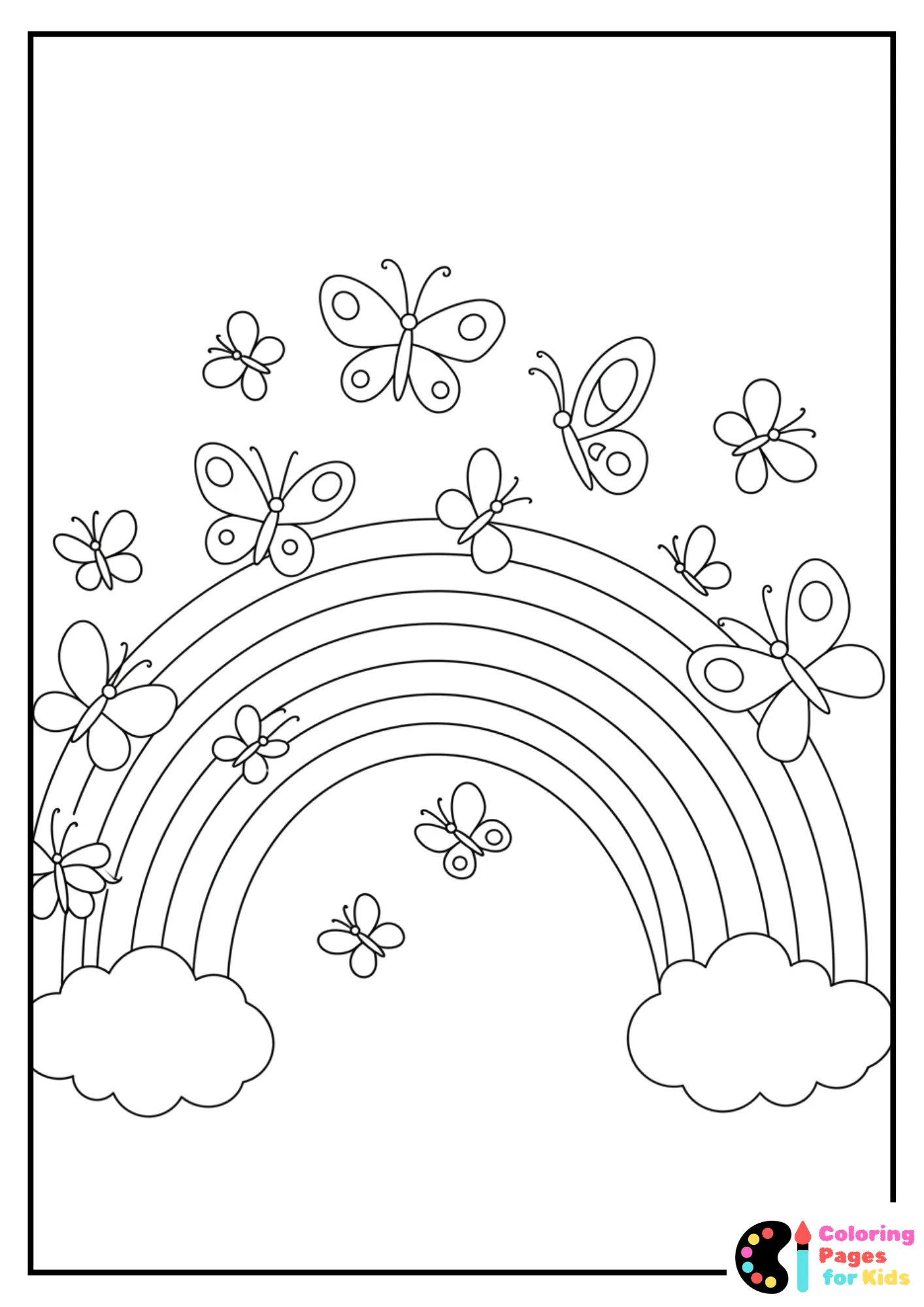
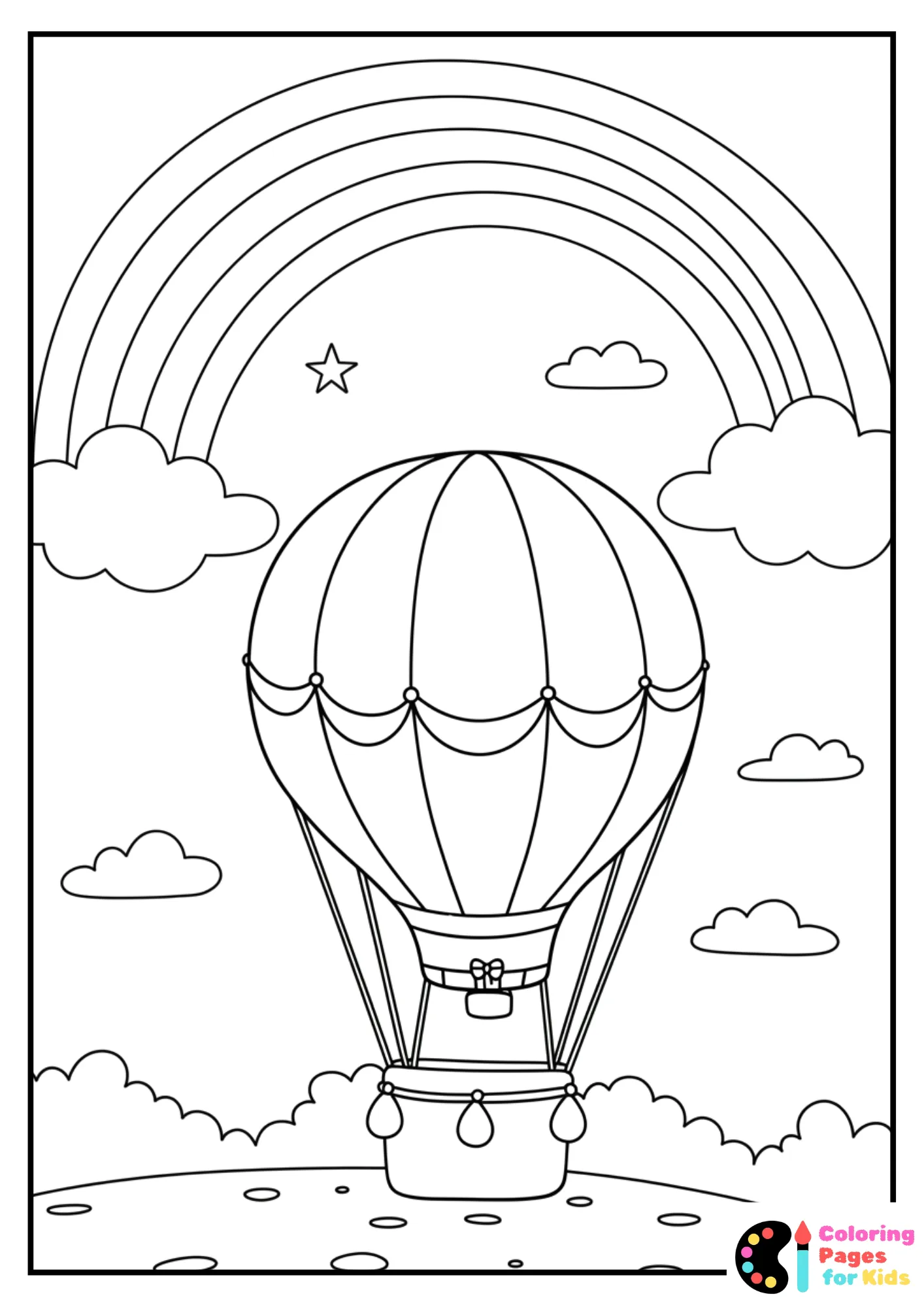
Rainbow Coloring Pages (Free PDF Printables)
Rainbow coloring pages aren’t just for coloring anymore! These vibrant, magical designs hold incredible potential for creative transformation that goes far beyond traditional crayon strokes. Whether you’re a parent seeking engaging activities, an educator looking for classroom projects, or simply someone who loves repurposing artistic creations, you’re about to discover ten innovative ways to breathe new life into your completed rainbow coloring pages.
The beauty of rainbow coloring Sheets lies in their universal appeal and endless versatility. Between the grip of a coloring utensil (color pencils, crayons, etc.) and the drawing precision a child begins to develop over time, coloring is a great way to help children build fine motor skills and hand strength. But what happens after the coloring is complete? That’s where the real magic begins.





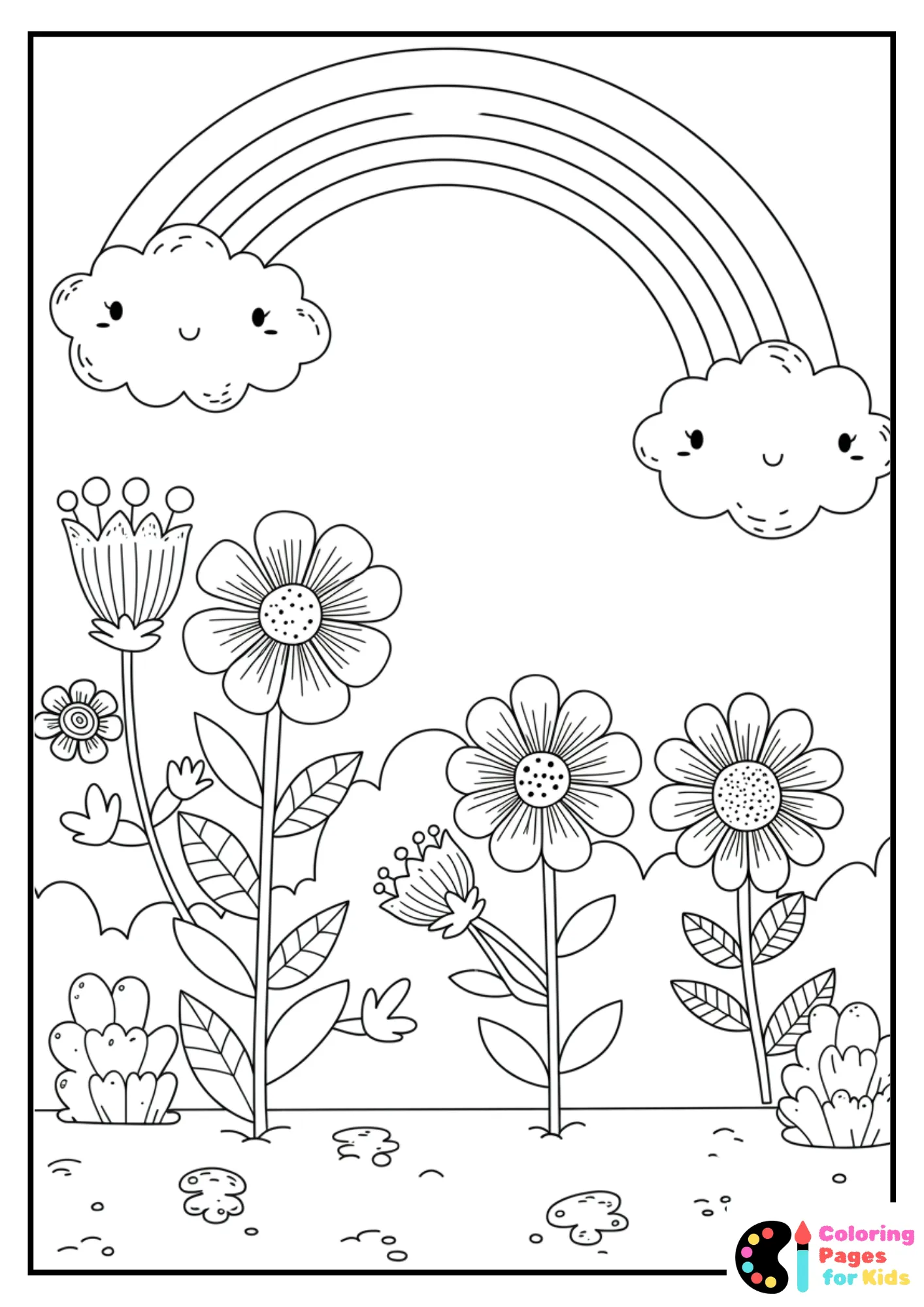

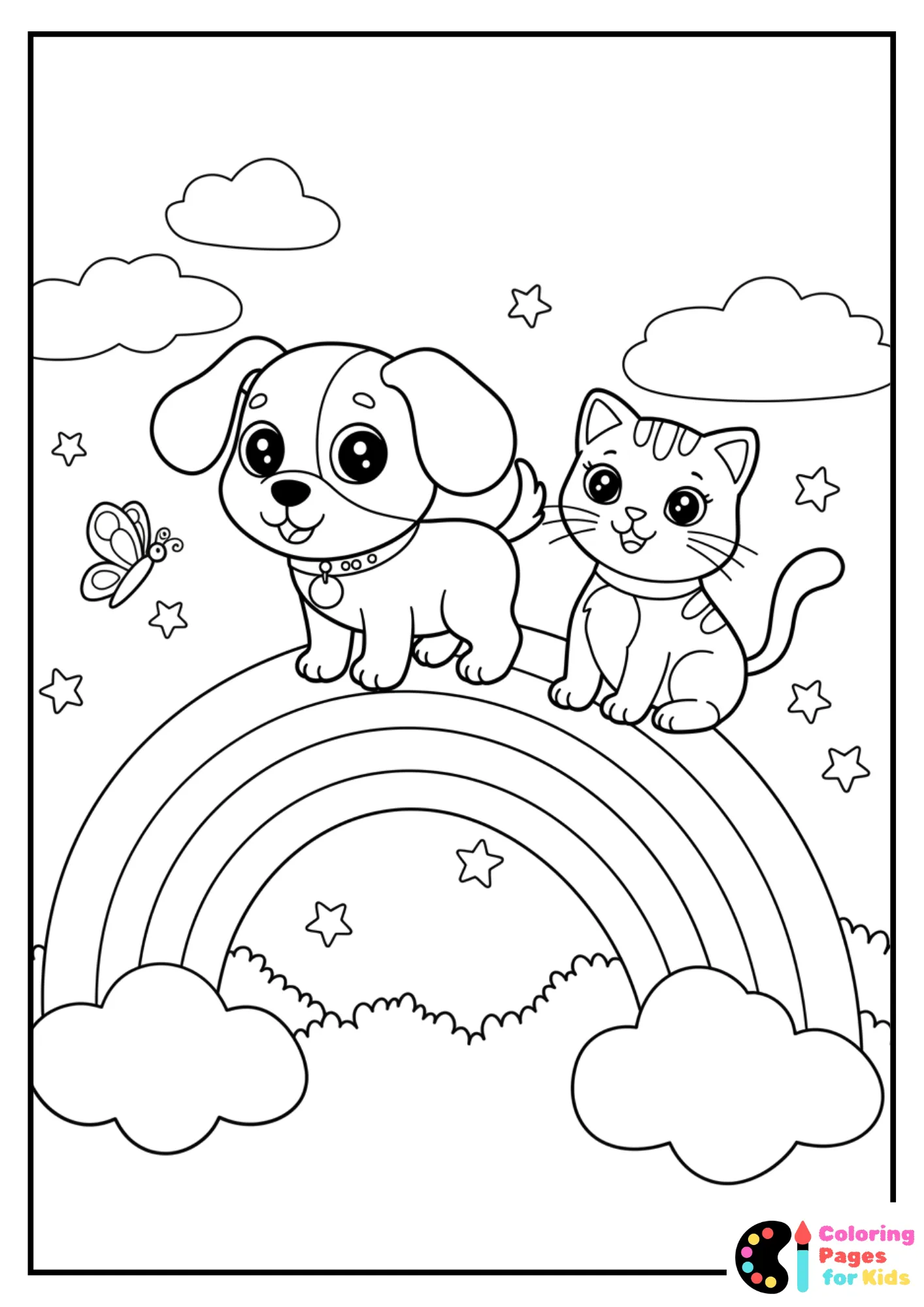


Why Rainbow Coloring Sheets Are Perfect for Crafting
Before diving into our creative craft ideas, it’s worth understanding why rainbow designs make exceptional crafting materials. You may also use them as teaching aids to make your kids understand the concept of primary and secondary colors, the refraction of light, and even simple things, such as how to spell the names of the colors. This educational foundation makes rainbow crafts both fun and developmentally beneficial.
Coloring is known to improve fine motor skills, color recognition, and even scissor skills for those little ones who want to cut out their beautiful rainbow creations. The circular arc shape of rainbows provides natural guidelines for cutting, folding, and shaping, while the vibrant color spectrum offers endless creative possibilities.
10 Innovative Craft Ideas for Rainbow Coloring Templates
1. Dimensional Paper Plate Rainbow Mobiles
Transform your colored rainbow pages into stunning hanging mobiles that catch light and create movement throughout your space. Start by mounting your completed rainbow coloring page onto sturdy cardstock, then carefully cut out the rainbow shape. Create depth by layering multiple rainbow cutouts at varying heights using fishing line or thin thread.
Attach small paper clouds made from cotton balls or white tissue paper to complete the atmospheric effect. This craft works exceptionally well for nurseries, classrooms, or any space that could benefit from gentle, colorful movement.
Pro Tip: Use metallic markers on select stripes to create reflective elements that shimmer as the mobile turns.
2. Interactive Rainbow Busy Books
Create educational busy books by incorporating your rainbow coloring pages into fabric or cardboard covers. Cut your completed rainbows into strips and laminate them, then add velcro backing to create mix-and-match rainbow building activities for toddlers and preschoolers.
This craft combines the satisfaction of completed coloring work with ongoing educational value. Children can arrange and rearrange the color strips while learning about color sequences, patterns, and the science behind rainbow formation.
3. Personalized Rainbow Growth Charts
Convert large rainbow coloring sheets into memorable growth charts by extending the rainbow arc into measurement marks. Color the rainbow in your child’s favorite color combinations, then add height markers along one side. Include photos, milestone dates, or special memories at various height levels.
This transforms a simple coloring activity into a lasting keepsake that grows with your child. The vibrant rainbow design makes height measurements feel celebratory rather than clinical.
4. Sensory Rainbow Texture Boards
Enhance your colored rainbow pages by adding textural elements that correspond to each color stripe. Glue sand for yellow stripes, cotton balls for white clouds, corrugated cardboard for orange sections, and velvet fabric for purple areas.
These texture boards provide valuable sensory input for children with different learning styles and can be particularly beneficial for children with sensory processing needs. The combination of visual and tactile stimulation creates a multi-sensory learning experience.
5. Rainbow Memory Foam Stamps
Create reusable stamps by tracing your rainbow coloring page designs onto memory foam sheets. Cut out individual elements like clouds, rainbows, or decorative details to make custom stamps for future art projects.
These handmade stamps can be used with washable ink pads to decorate cards, wrapping paper, or additional coloring pages. It’s an excellent way to extend the life of your original coloring page while creating tools for future creativity.
6. Illuminated Rainbow Window Clings
Transform your rainbow color pages into beautiful window decorations using contact paper and tissue paper. Place colored tissue paper between two layers of clear contact paper, using your rainbow design as a template for placement.
When hung in windows, these create gorgeous stained-glass effects as sunlight filters through the colored tissue. Make a rainbow tissue paper craft by spraying the paper with water. Then add the tissue paper on top of the water. Remove the tissue paper after a few minutes to reveal the rainbow colors. This technique can be adapted for more controlled, permanent window decorations.
7. Rainbow Story Wheels
Convert your rainbow coloring pages into interactive storytelling wheels by mounting them on cardboard circles with brass fasteners. Create windows in the rainbow design that reveal different story elements as the wheel turns.
This craft combines artistic achievement with literacy development, encouraging creative storytelling and narrative skills. Children can create their own rainbow-themed stories or use the wheels to retell favorite tales with a colorful twist.
8. Therapeutic Rainbow Stress Balls
Repurpose smaller rainbow coloring pages by laminating them and using them as covers for homemade stress balls. Fill balloons with rice, flour, or kinetic sand, then cover with your laminated rainbow designs using rubber bands or fabric ties.
These rainbow stress balls provide both visual appeal and tactile comfort, making them perfect for classroom calm-down corners or home relaxation spaces. The familiar rainbow imagery can provide emotional comfort during stressful moments.
9. Rainbow Puzzle Pieces
Cut your completed rainbow color sheets into puzzle pieces of varying difficulty levels. For younger children, create 6-8 large pieces, while older kids can handle 20-30 smaller pieces.
Store the puzzles in decorated envelopes or small boxes, creating personalized games that celebrate the original artistic work. This activity reinforces spatial reasoning skills while providing ongoing entertainment value from completed coloring projects.
10. Collaborative Rainbow Quilts
Combine multiple rainbow coloring pages from different family members or classmates to create collaborative paper quilts. Each person colors their rainbow section, then all pieces are assembled into a large display that celebrates individual creativity within a unified design.
This project is compelling for classrooms, family reunions, or community groups. The finished quilt becomes a testament to collective creativity while honoring each unique artistic contribution.
Advanced Crafting Techniques for Rainbow Pages
Layering and Dimension Techniques
Create depth in your rainbow crafts by using layering techniques. Cut rainbow strips at varying widths and overlap them slightly, using foam adhesive dots to create raised sections. This technique works exceptionally well for greeting cards or scrapbook elements.
Mixed Media Integration
Combine your rainbow coloring pages with other art mediums. Add watercolor backgrounds, incorporate fabric elements, or use metallic leaf application to create genuinely unique mixed-media pieces.
Digital Enhancement Options
Scan your completed rainbow coloring objects and use simple digital tools to create multiple versions for different craft projects. This allows you to preserve the original while experimenting with various craft applications.
Educational Benefits of Rainbow Crafting
By offering a creative and constructive outlet, coloring pages for kids help nurture essential life skills, foster self-expression, and promote a strong foundation for academic success. When we extend coloring activities into crafting projects, we amplify these benefits significantly.
Rainbow crafts naturally teach color theory, pattern recognition, and sequential thinking. Children learn about light refraction, weather patterns, and cultural symbolism associated with rainbows across different societies.
Age-Appropriate Craft Modifications
Toddlers (18 months – 3 years)
Focus on large motor movements and simple textures. Use chunky materials like pom-poms, large foam pieces, and easy-grip tools.
Preschoolers (3-5 years)
Introduce more complex cutting activities, pattern creation, and multi-step projects that build following directions skills.
School Age (6-12 years)
Incorporate measurement, planning, and problem-solving elements. Encourage independent decision-making about color choices and design modifications.
Teens and Adults
Explore sophisticated techniques like paper engineering, advanced mixed media applications, and collaborative large-scale projects.
Seasonal Rainbow Craft Adaptations
Pair your outdoor rainbow displays with our beach coloring pages to create seaside-themed sensory worlds full of color and texture.
Spring Projects
Incorporate flower elements, growth themes, and fresh color palettes that reflect seasonal renewal. Enhance your spring-themed rainbow crafts by pairing them with flower coloring pages to create vibrant garden scenes that celebrate color, growth, and seasonal creativity.
Summer Activities
Focus on outdoor display options, beach-themed additions, and weather-resistant materials for garden decorations.
Fall Variations
Add harvest themes, incorporate natural materials like leaves, and explore warmer color interpretations.
Winter Transformations
Create indoor display options, incorporate holiday themes, and use materials that provide comfort during darker months.
Storage and Preservation Tips
Protect your rainbow craft creations with proper storage techniques. Use acid-free boxes for paper-based projects, avoid direct sunlight exposure, and document your creations with photographs before they naturally deteriorate.
Consider creating a craft portfolio that showcases the evolution of skills over time. This documentation becomes treasured family memorabilia while demonstrating artistic growth and development.
Troubleshooting Common Craft Challenges
Fragile Paper Issues
Strengthen delicate coloring pages by backing them with cardstock or laminating before cutting.
Color Bleeding Problems
Use fixative sprays or transparent protective coatings to prevent color transfer during handling.
Assembly Difficulties
Pre-plan complex projects by creating paper templates and testing assembly steps before final execution.
Community and Sharing Opportunities
Transform individual rainbow crafts into community-building activities. Organize neighborhood craft swaps, contribute to local art therapy programs, or donate completed projects to hospitals or senior centers.
Looking for rainbow crafts for preschoolers? I have 25 easy and fun rainbow crafts for you to try at home or in the classroom! The growing popularity of rainbow crafts reflects their universal appeal and therapeutic value.
Unleashing Creative Potential
Rainbow coloring sheets represent just the beginning of creative possibilities. By transforming completed coloring work into dimensional crafts, interactive games, and functional art pieces, we maximize the value of every crayon stroke while building skills that extend far beyond traditional coloring activities.
These ten craft ideas offer starting points for exploration, but the real magic happens when you adapt and modify based on available materials, skill levels, and personal interests. Every rainbow holds the potential for transformation – much like creativity itself, which knows no boundaries when given the freedom to flourish.
Whether yoyou’rereating memory keepsakes, educational tools, or simply pursuing joyful artistic expression, these rainbow craft ideas ensure that your coloring pages become launching pads for ongoing creativity rather than forgotten artifacts. The journey from simple coloring page to cherished craft creation reflects the transformative power of imagination applied to everyday materials.