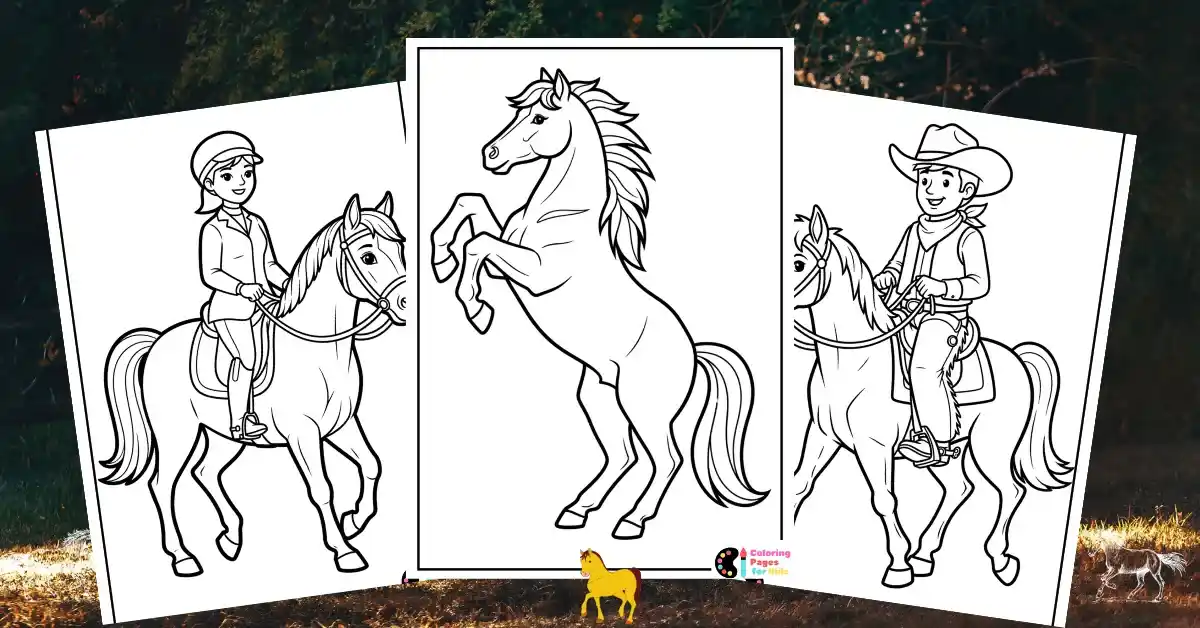
Horse Coloring Pages (Free PDF Printables)
Have you ever wondered what to do with those beautifully colored horse pages once your kids finish them? Instead of letting these artistic creations gather dust in a drawer, you can transform them into memorable crafts that bring joy long after the coloring is done.
Horse coloring pages offer more than just a quiet afternoon activity—they’re versatile canvases for creativity that can become keepsakes, decorations, and learning tools. Whether you’re a parent seeking engaging activities, a teacher planning classroom projects, or a caregiver looking for screen-free entertainment, these craft ideas will breathe new life into every colored horse illustration.
In this comprehensive guide, you’ll discover twelve innovative ways to repurpose horse coloring pages into stunning projects that develop fine motor skills, encourage artistic expression, and create lasting memories. From three-dimensional displays to functional home décor, these crafts range from simple five-minute projects to more involved creations that older children will love tackling.

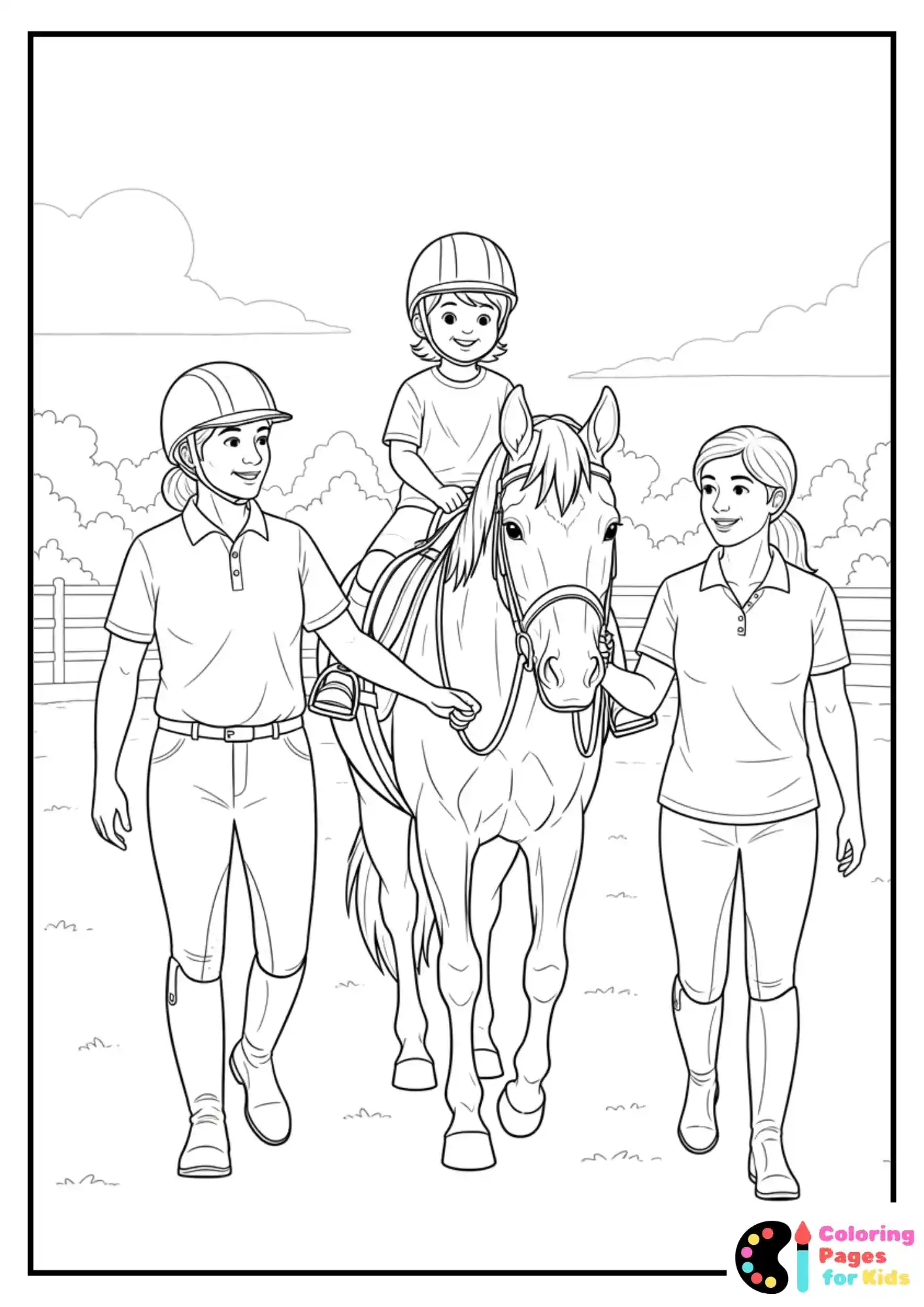
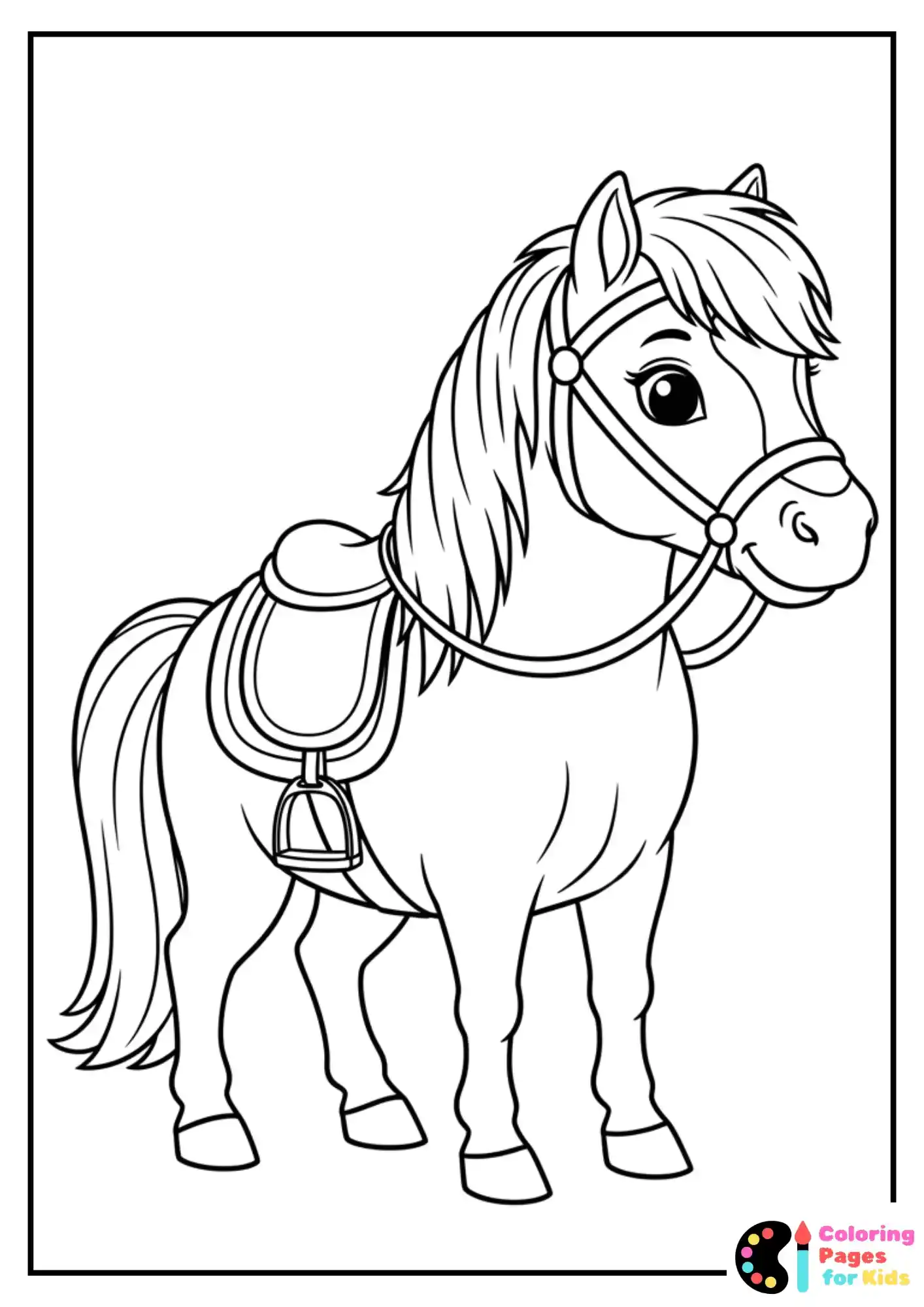
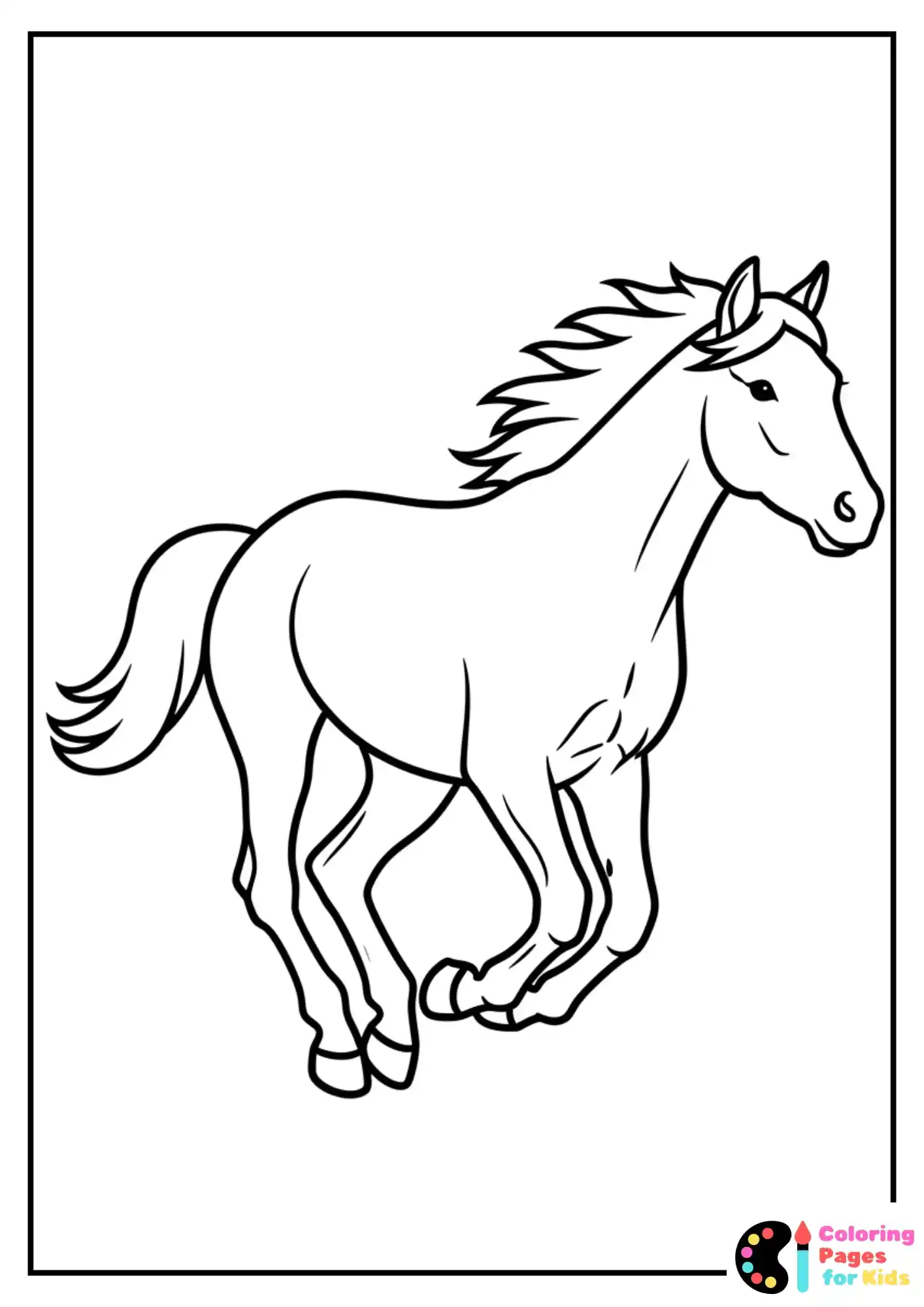


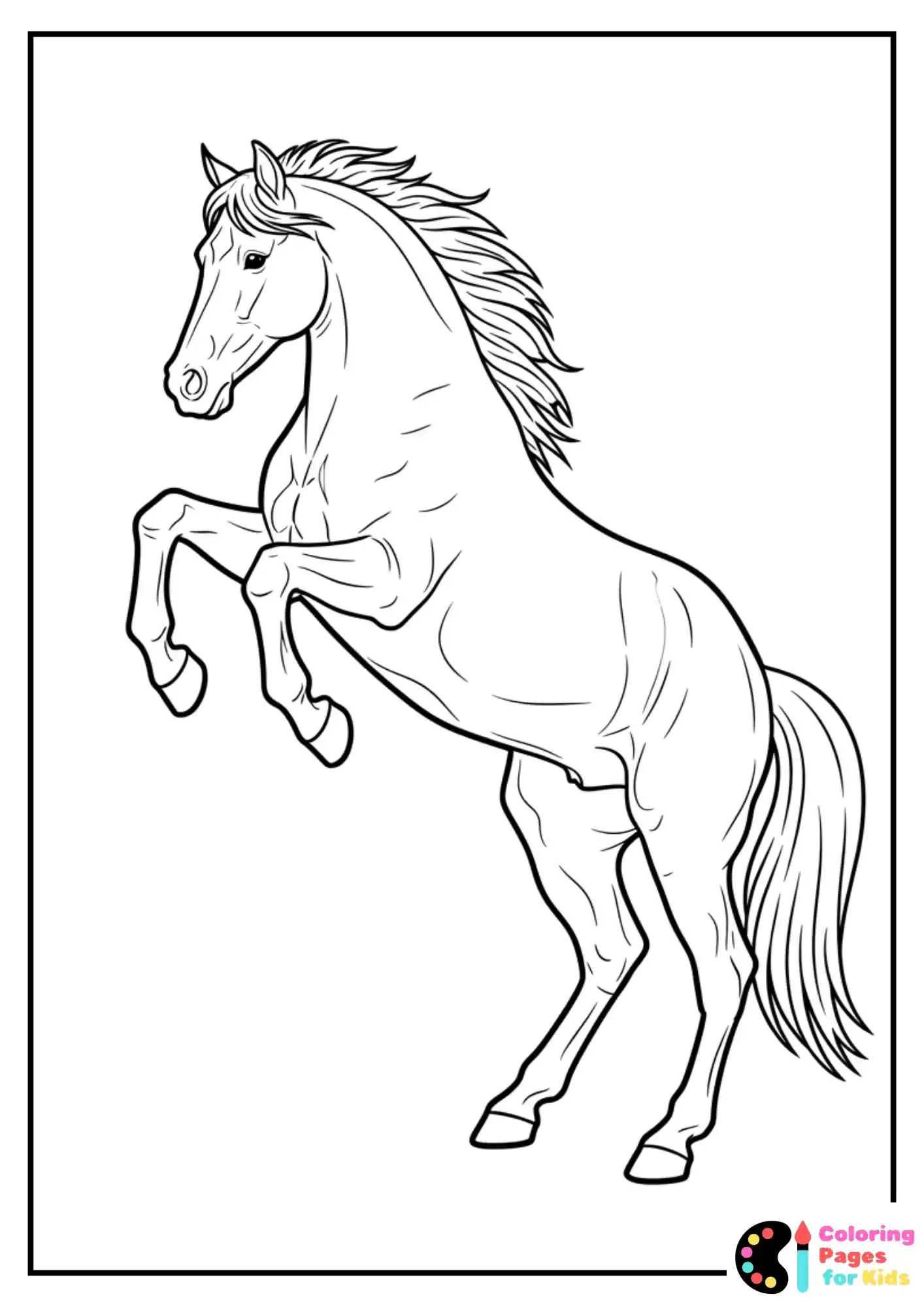
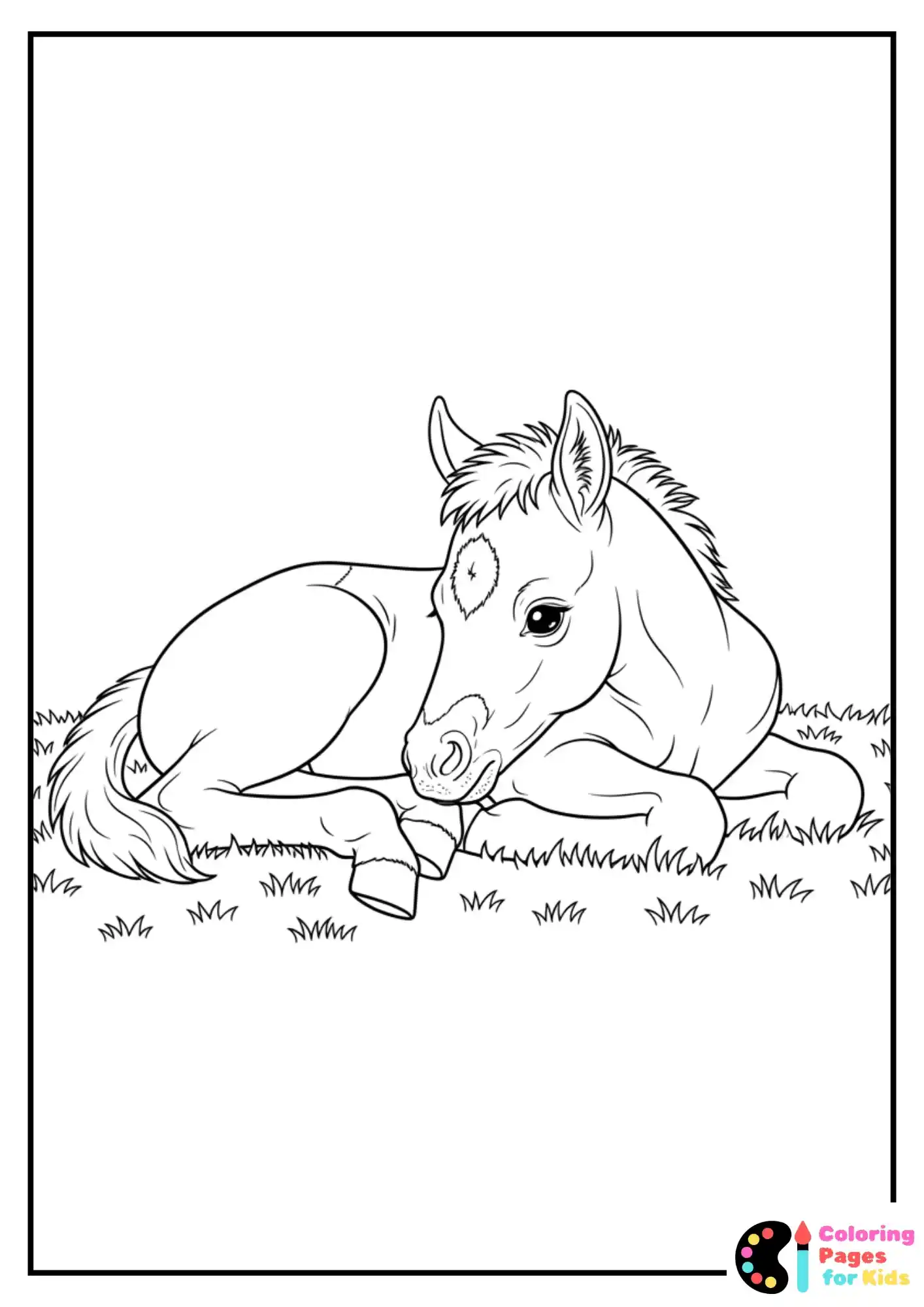
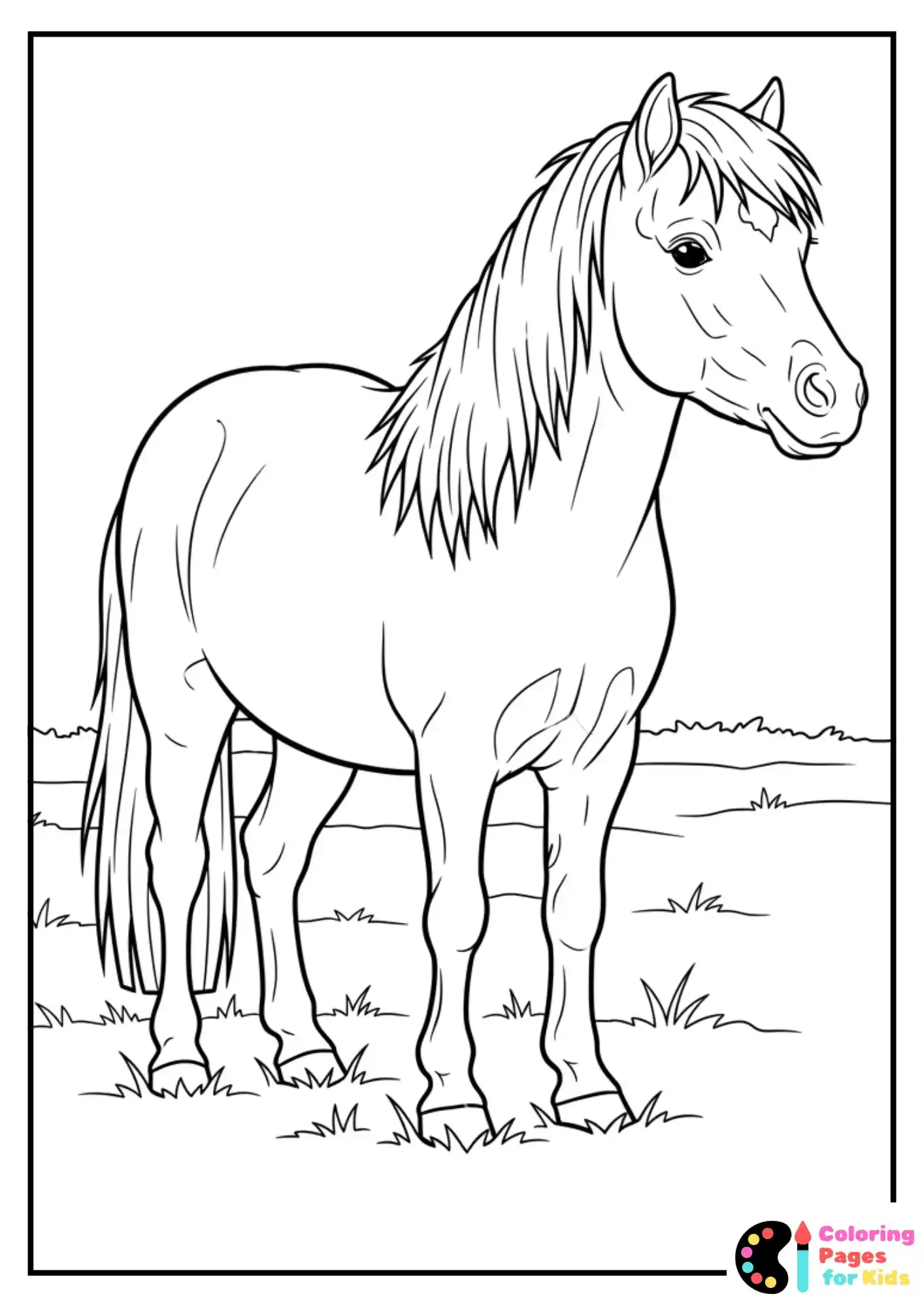
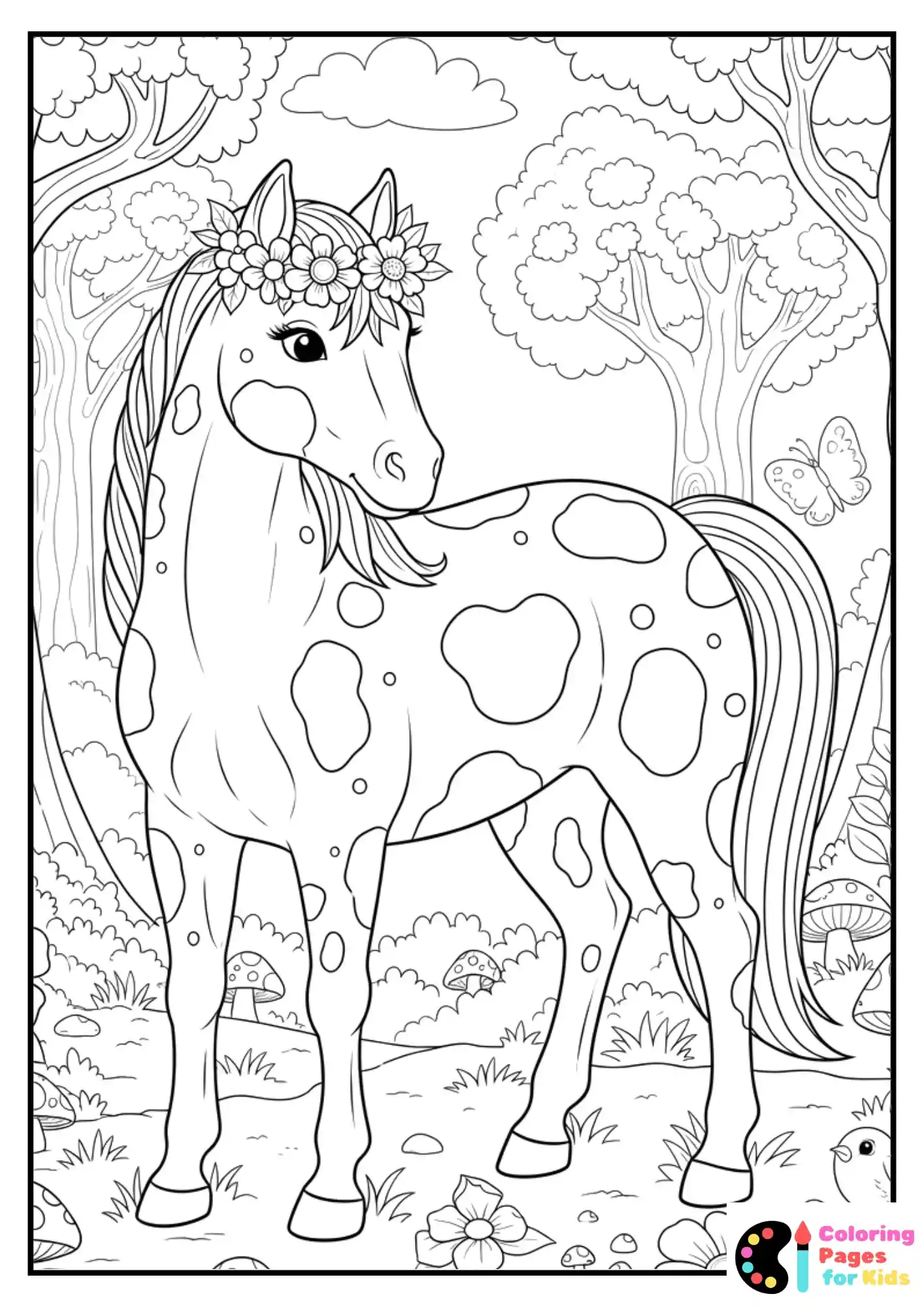
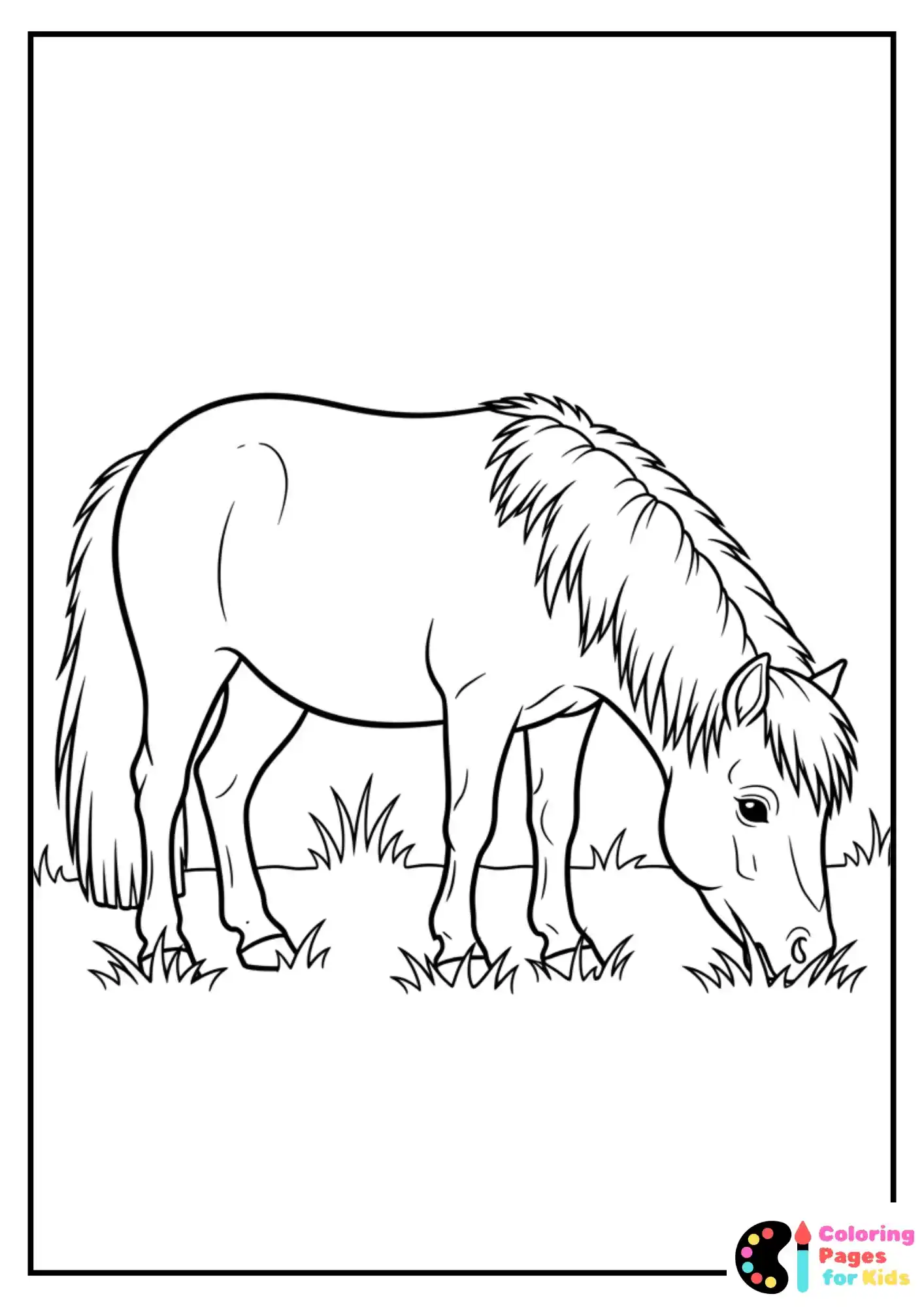
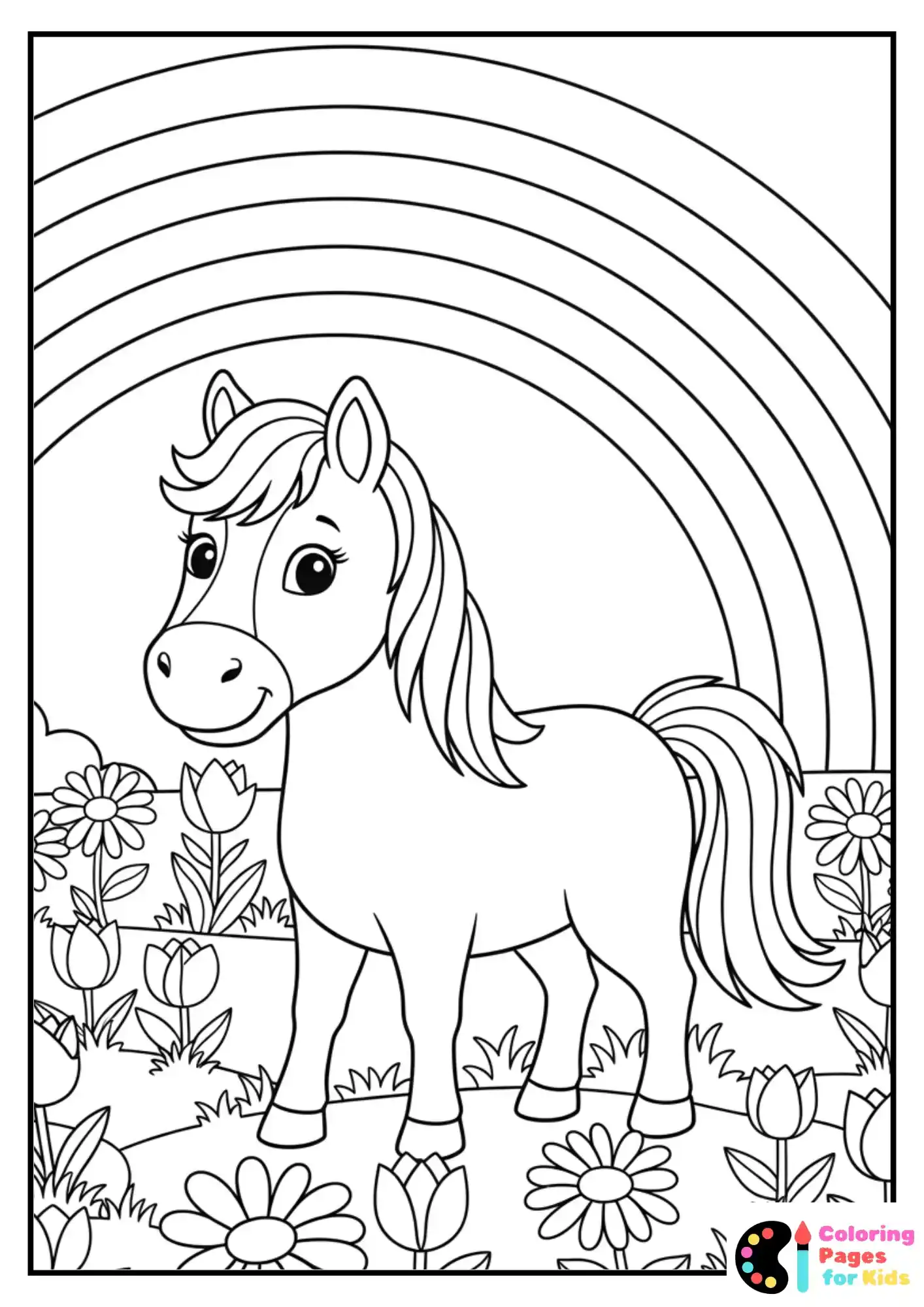
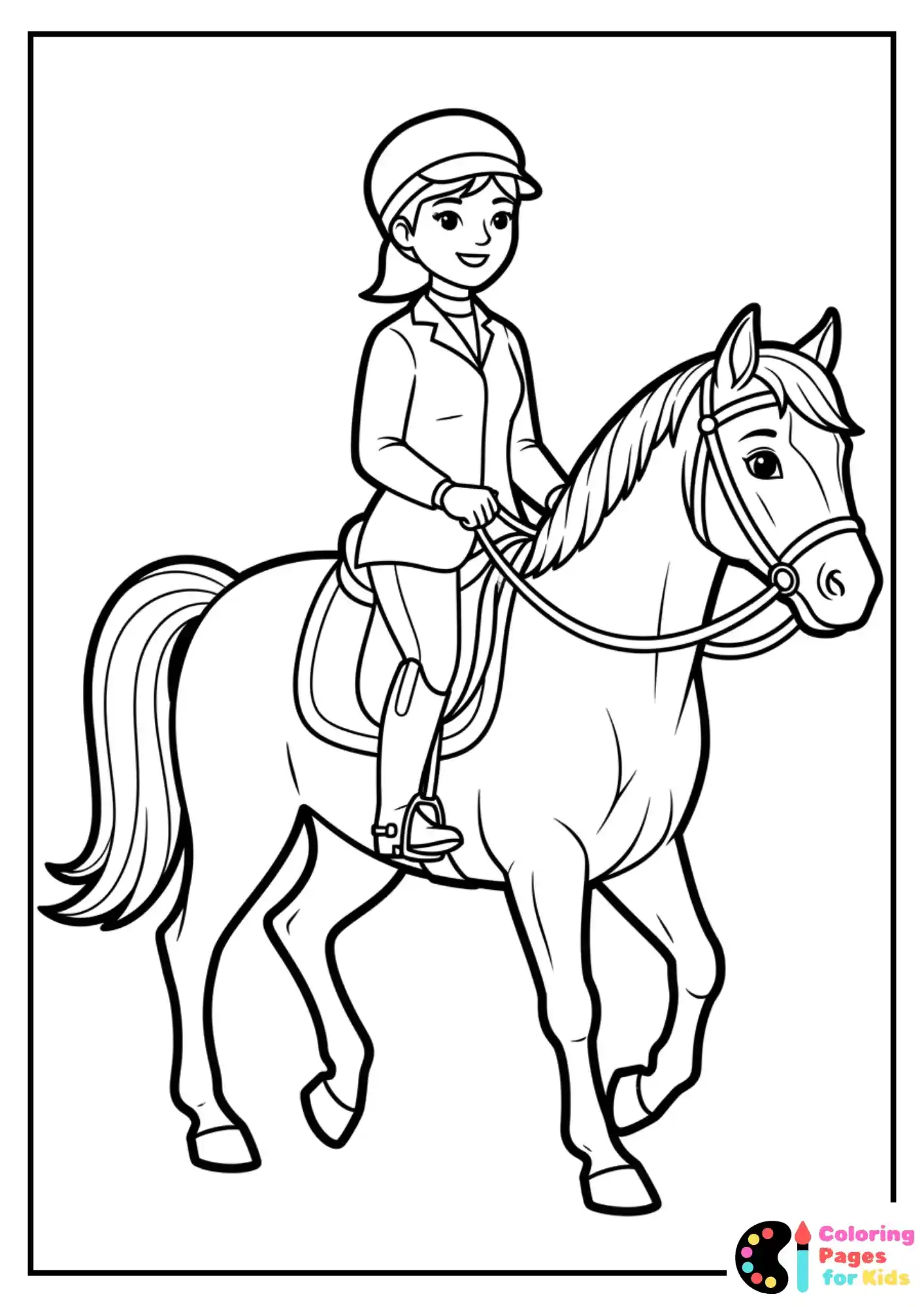
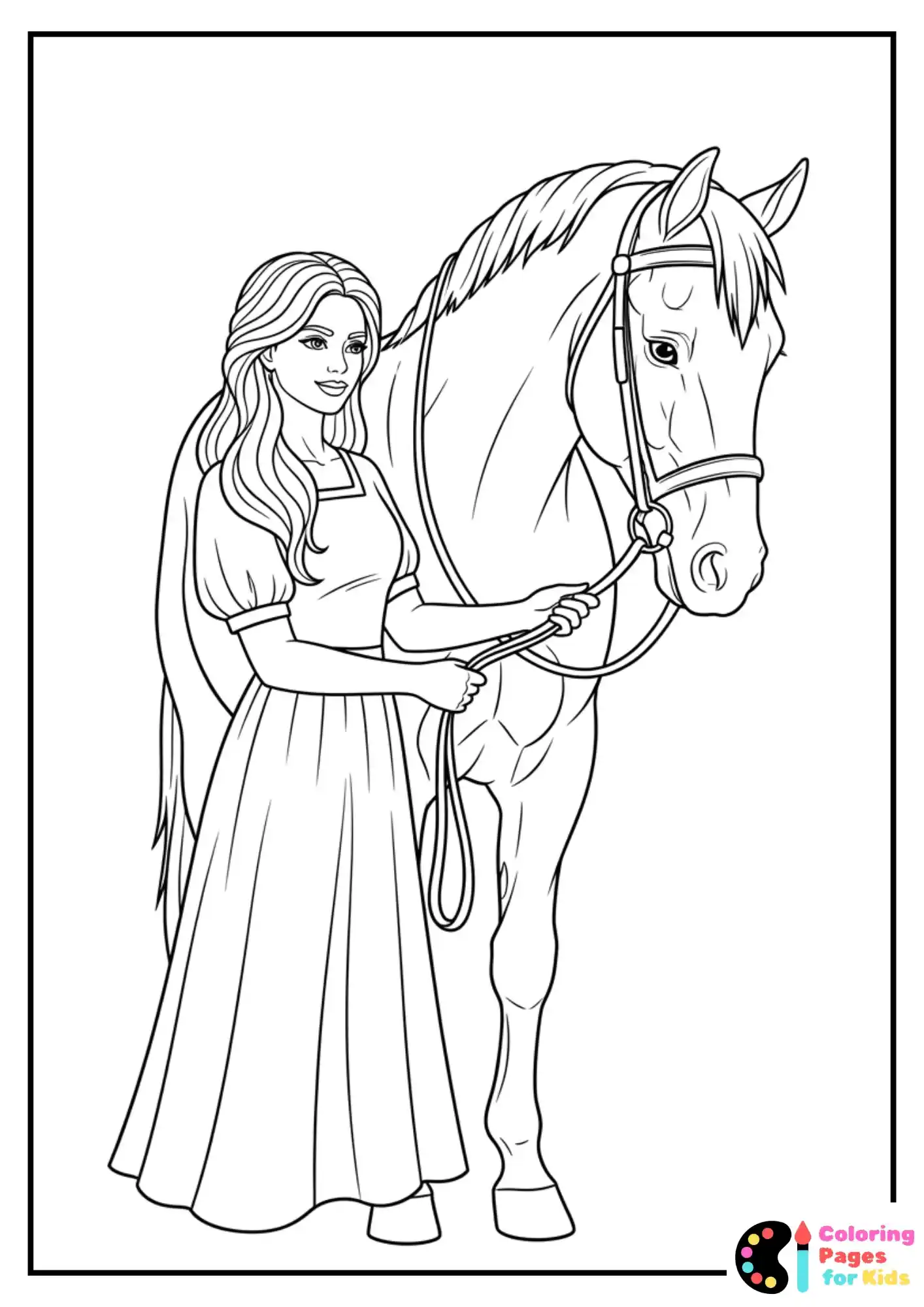

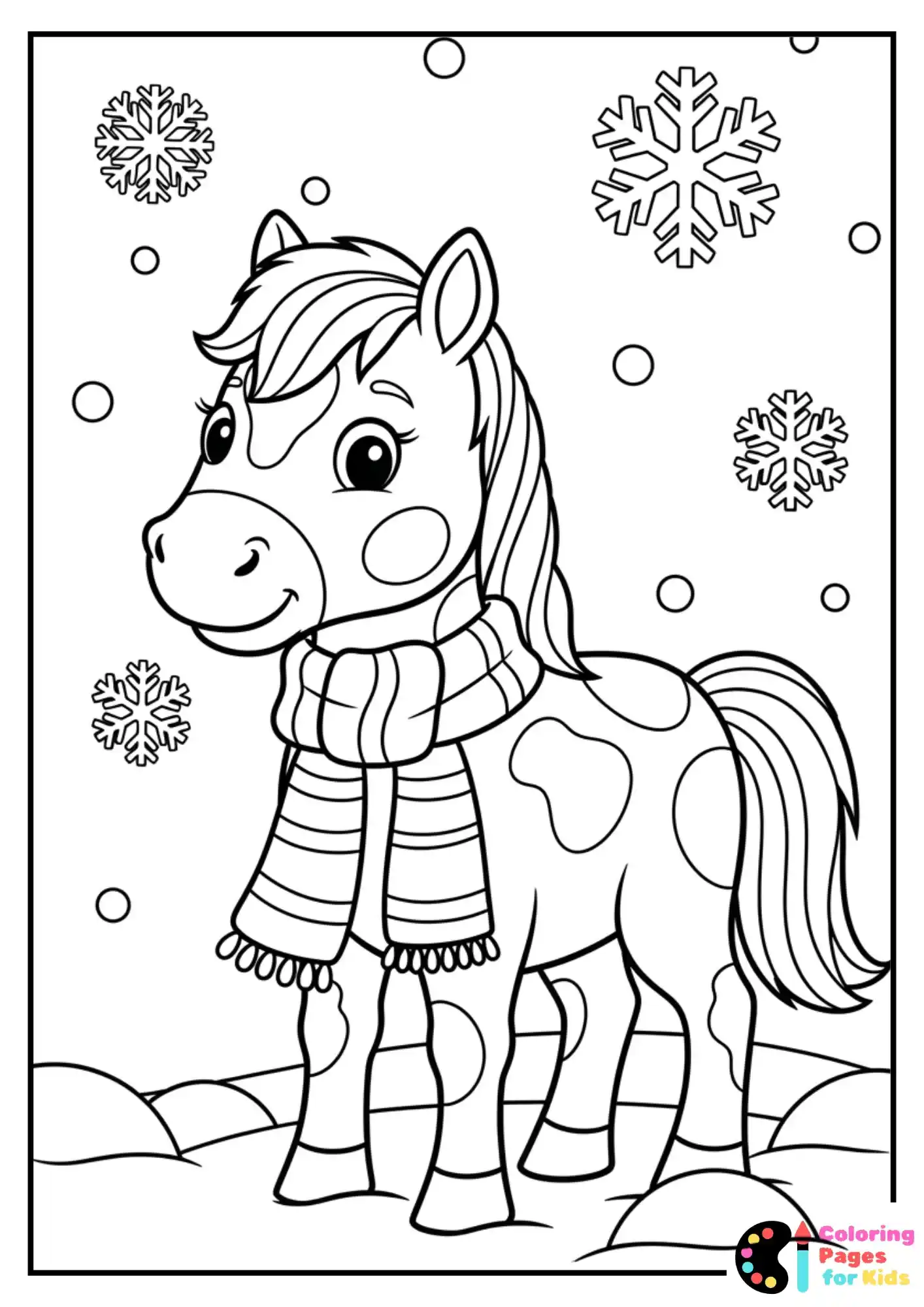
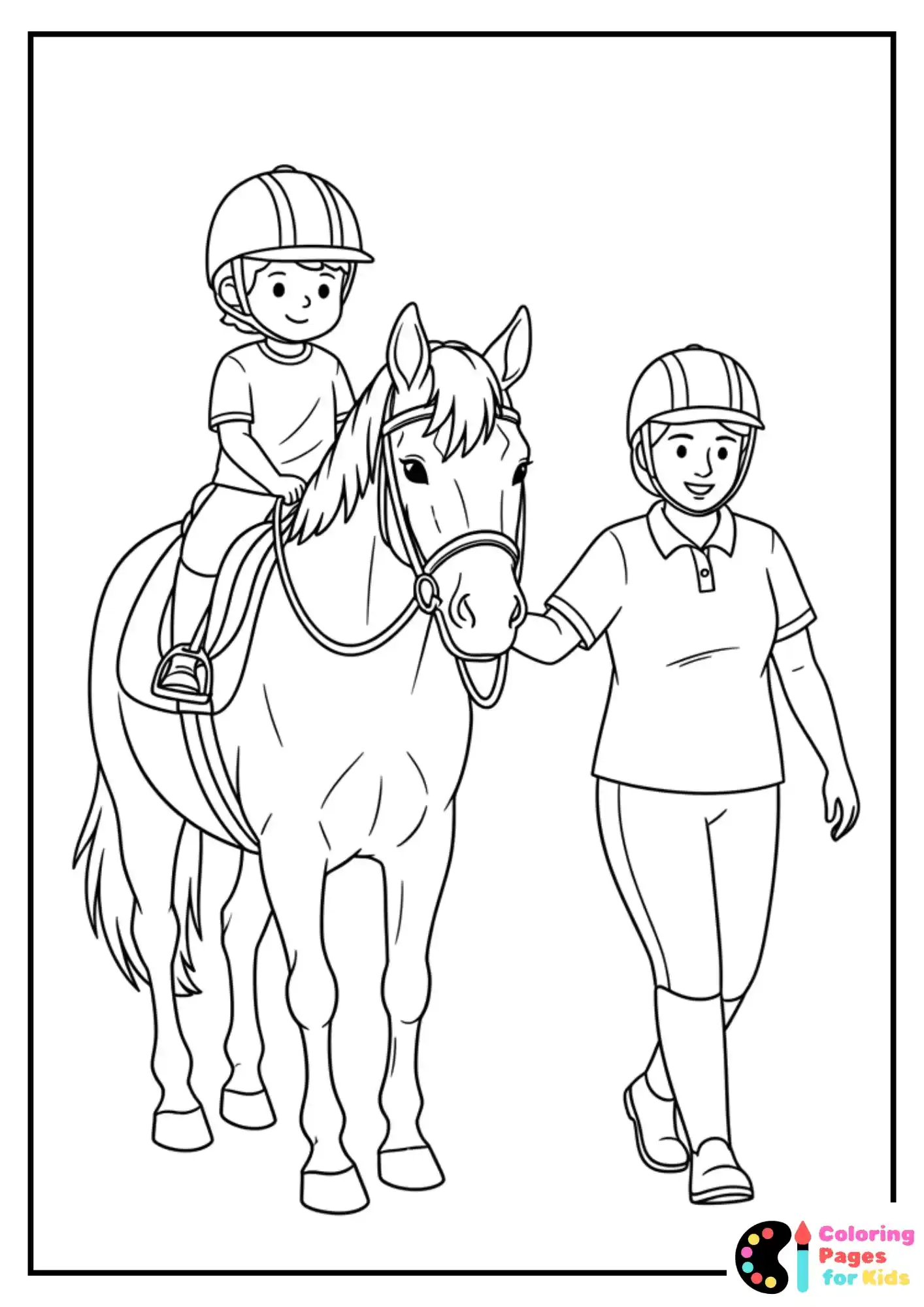
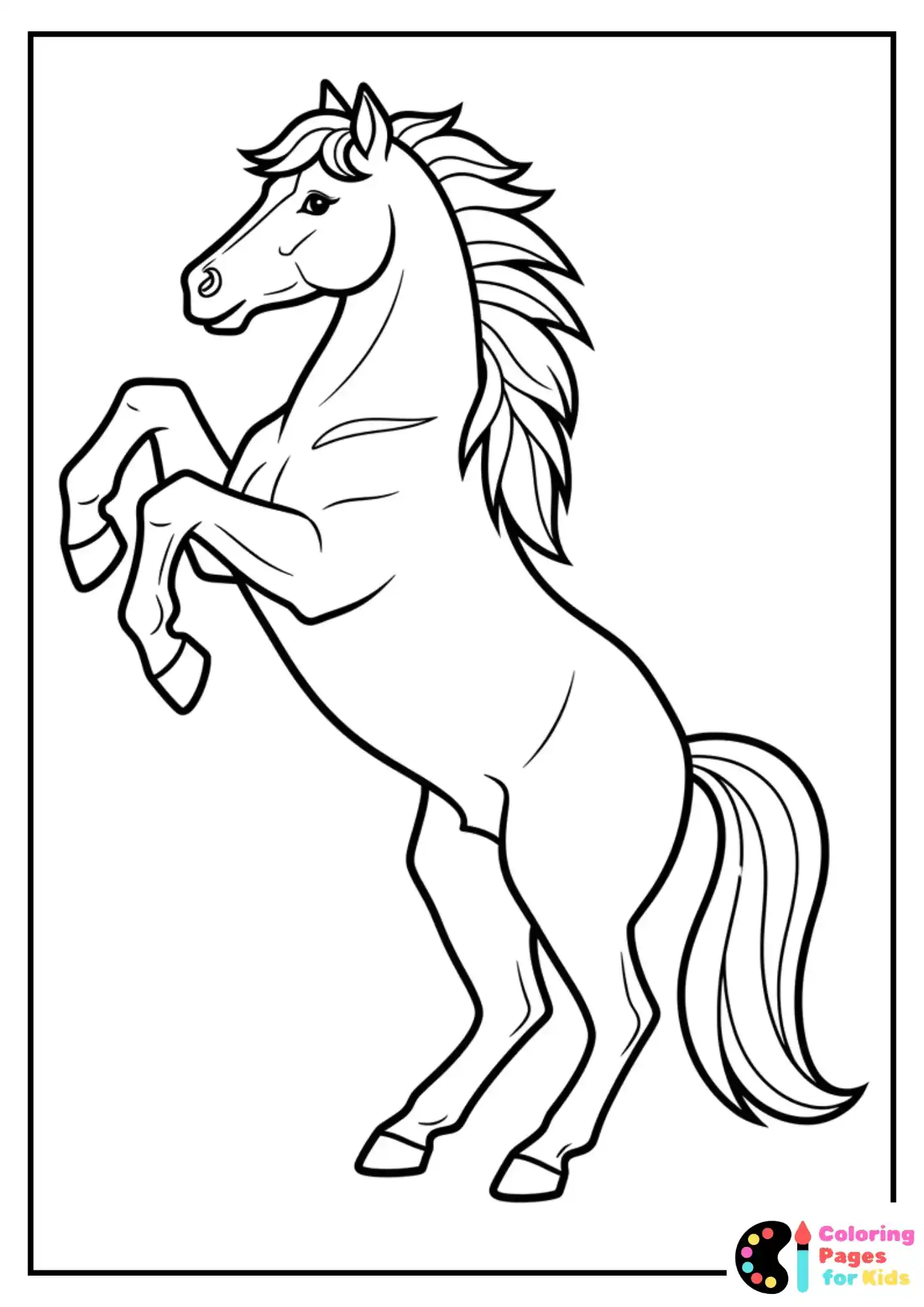
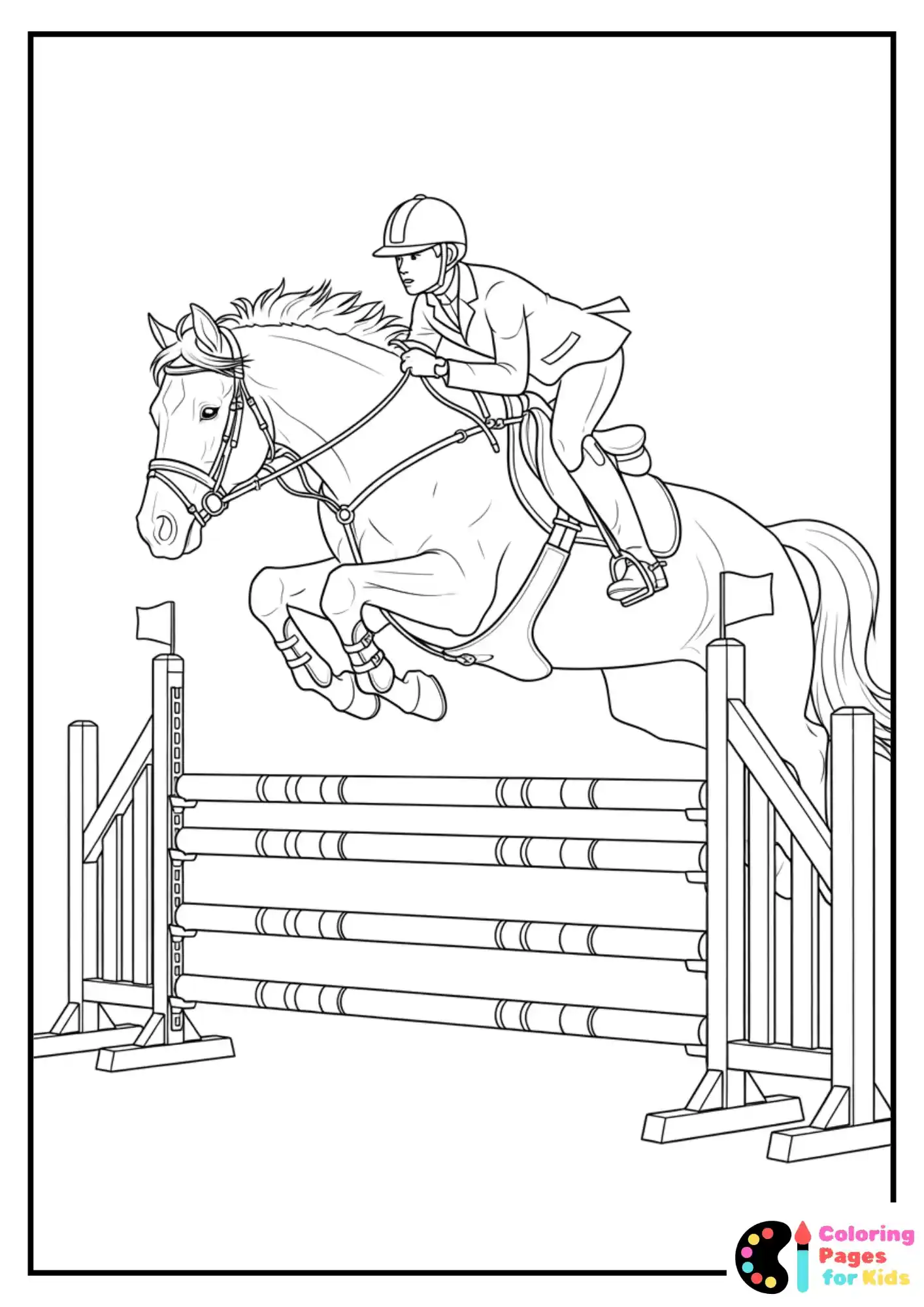
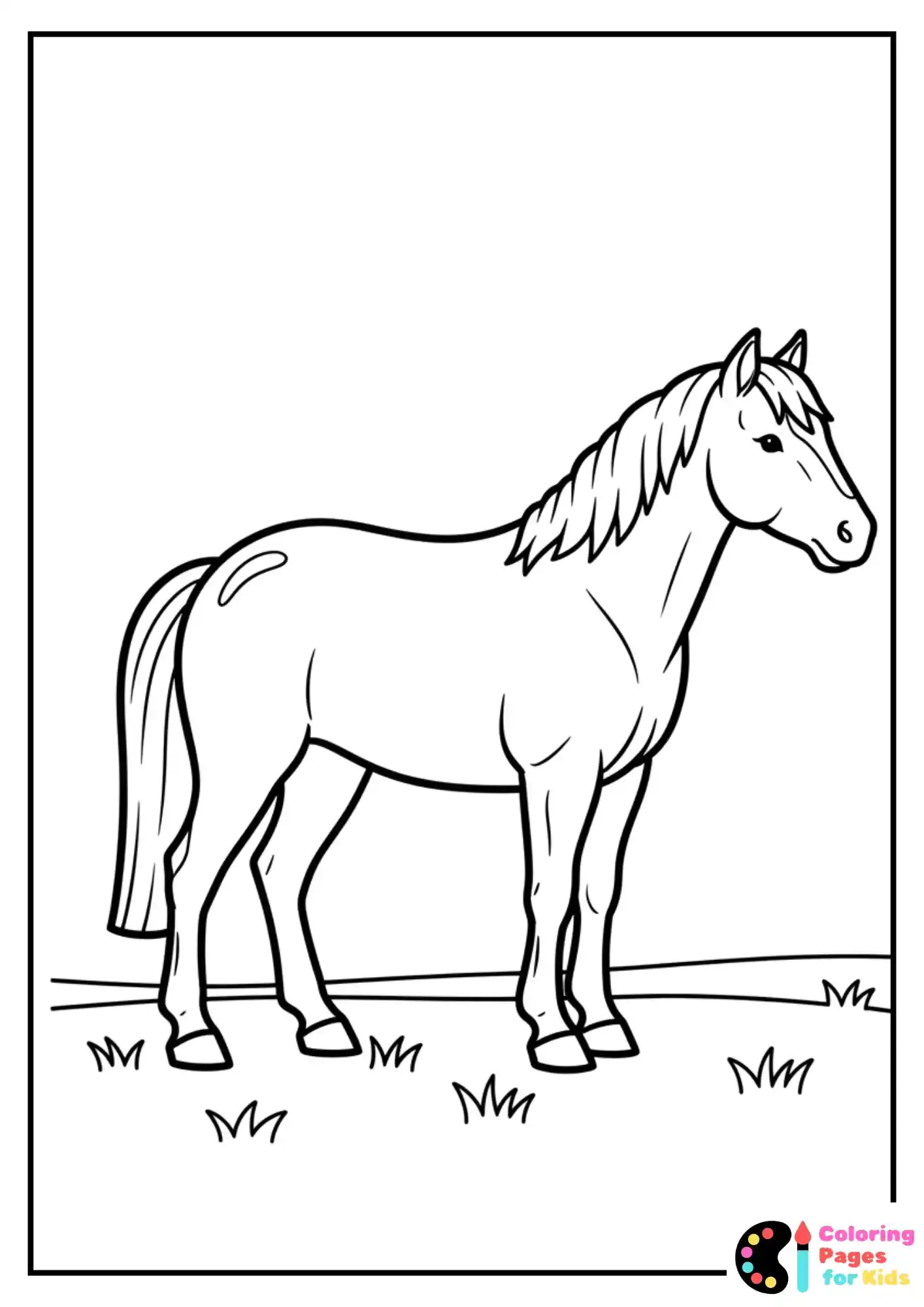
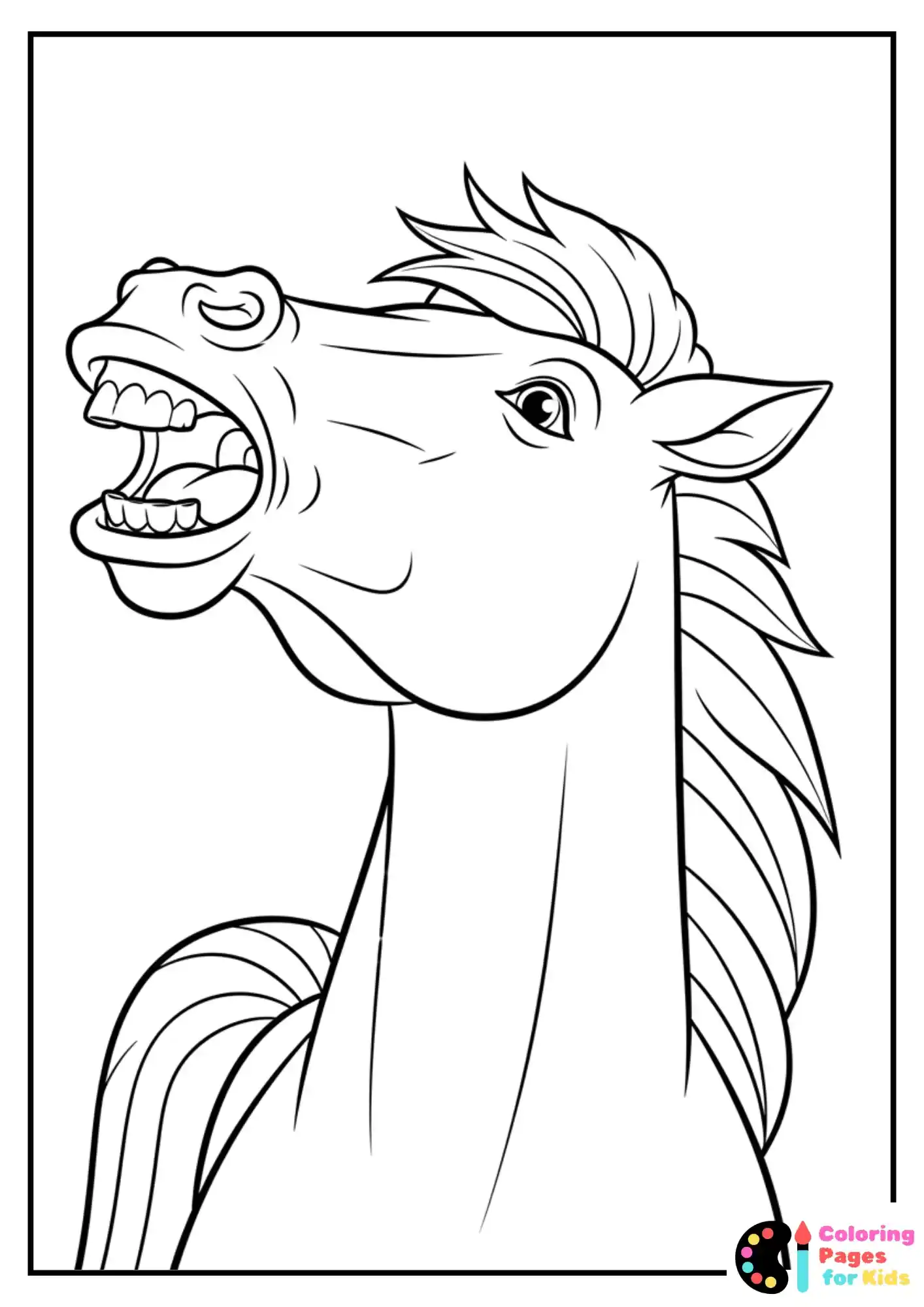
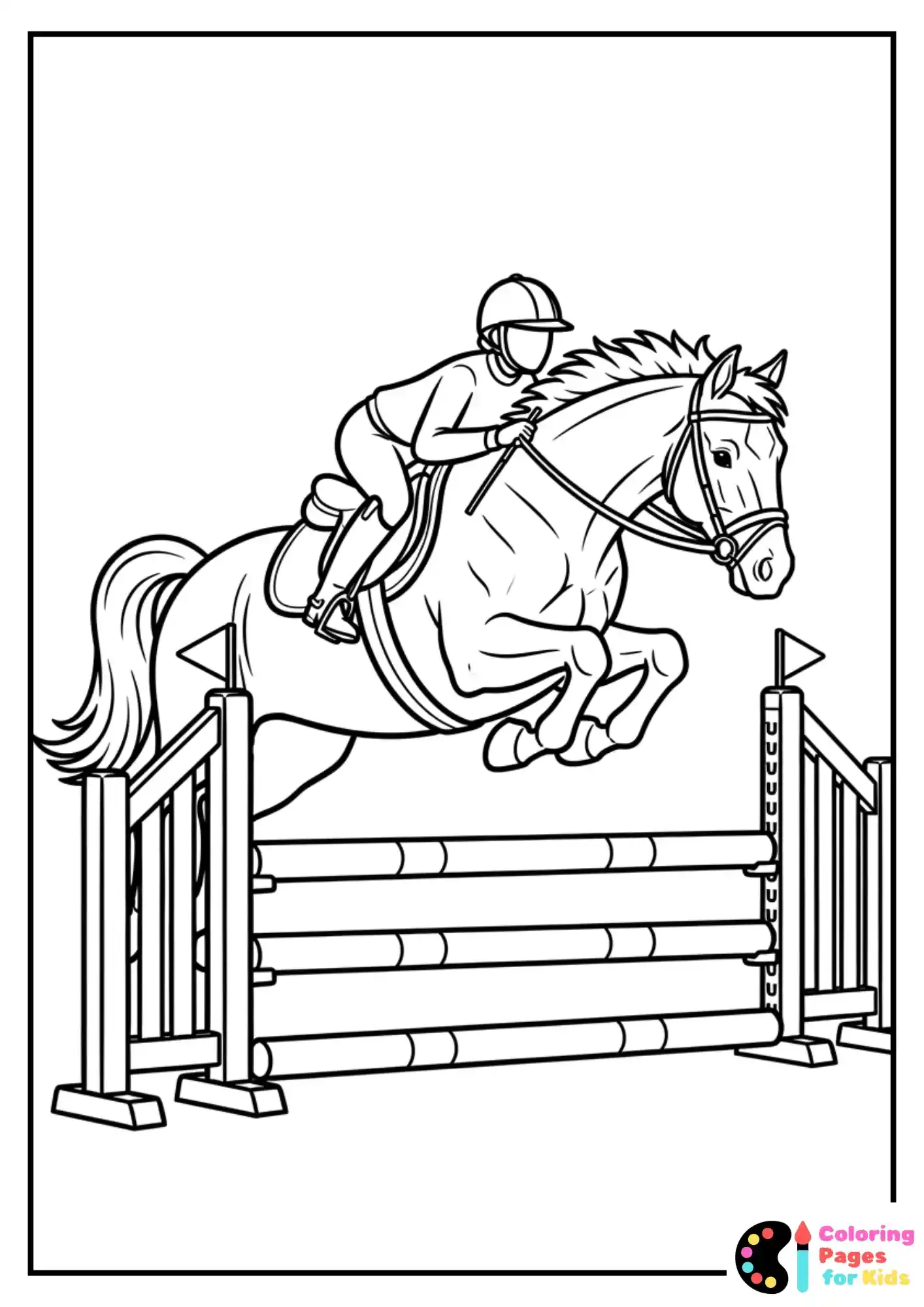

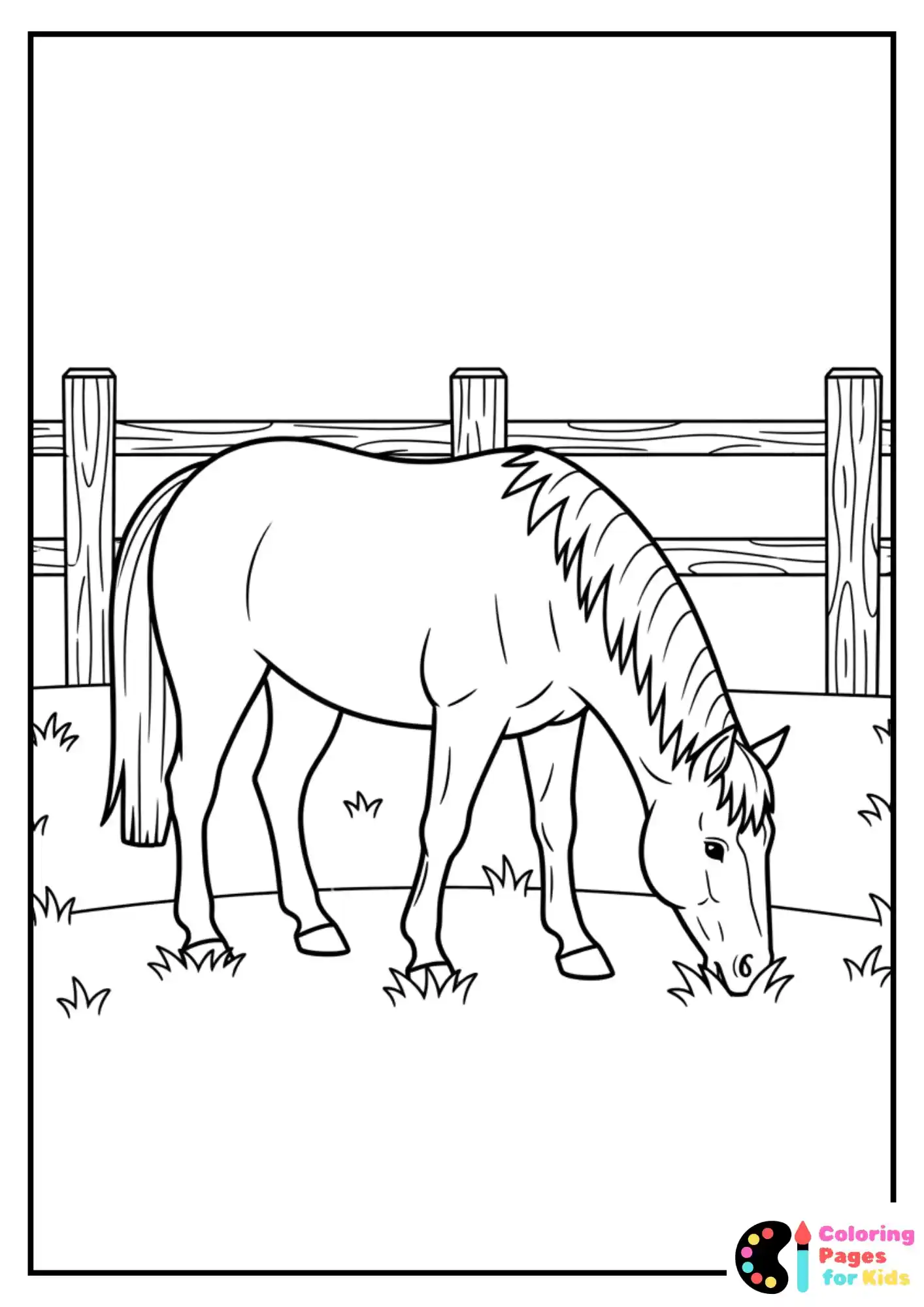
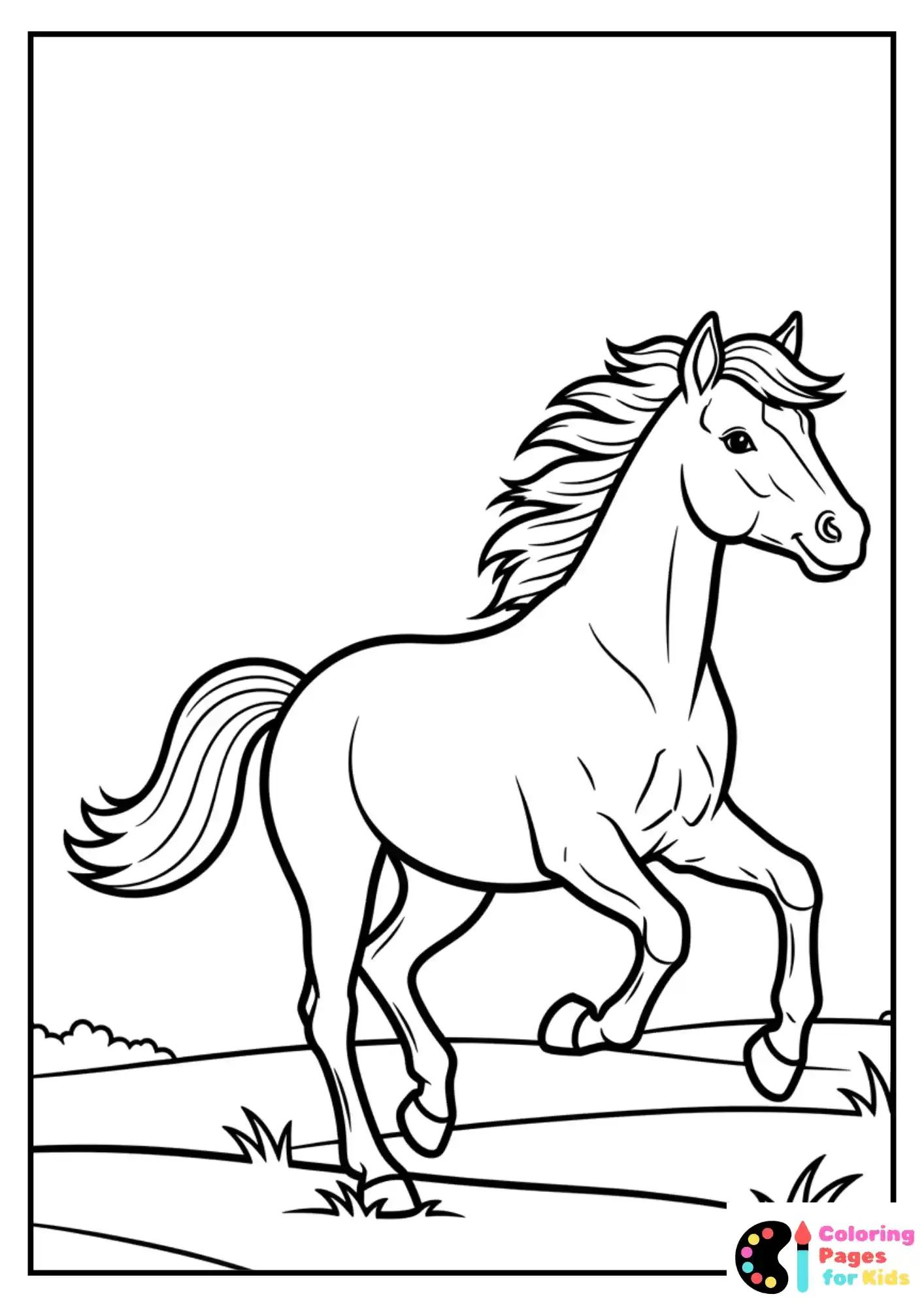
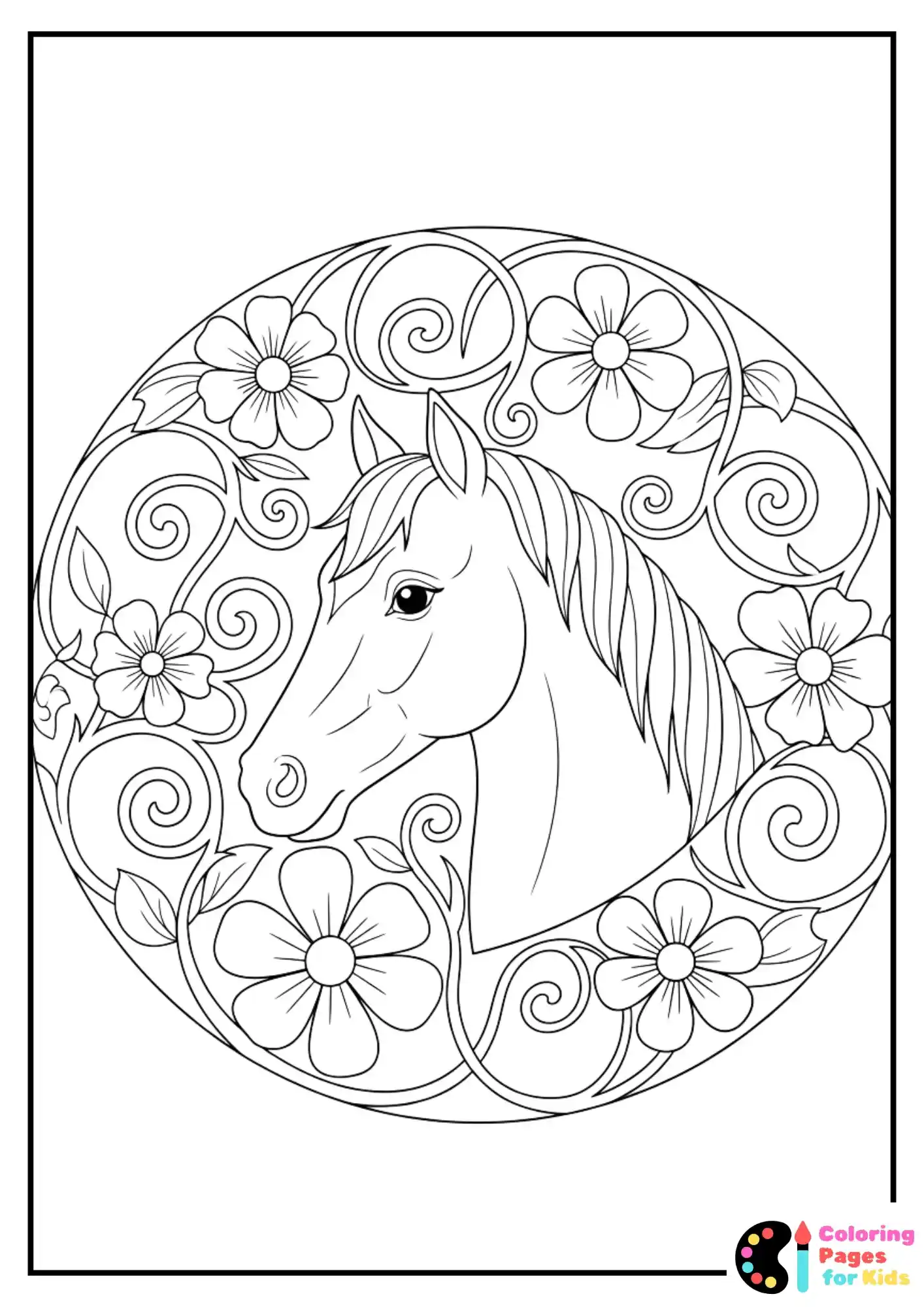
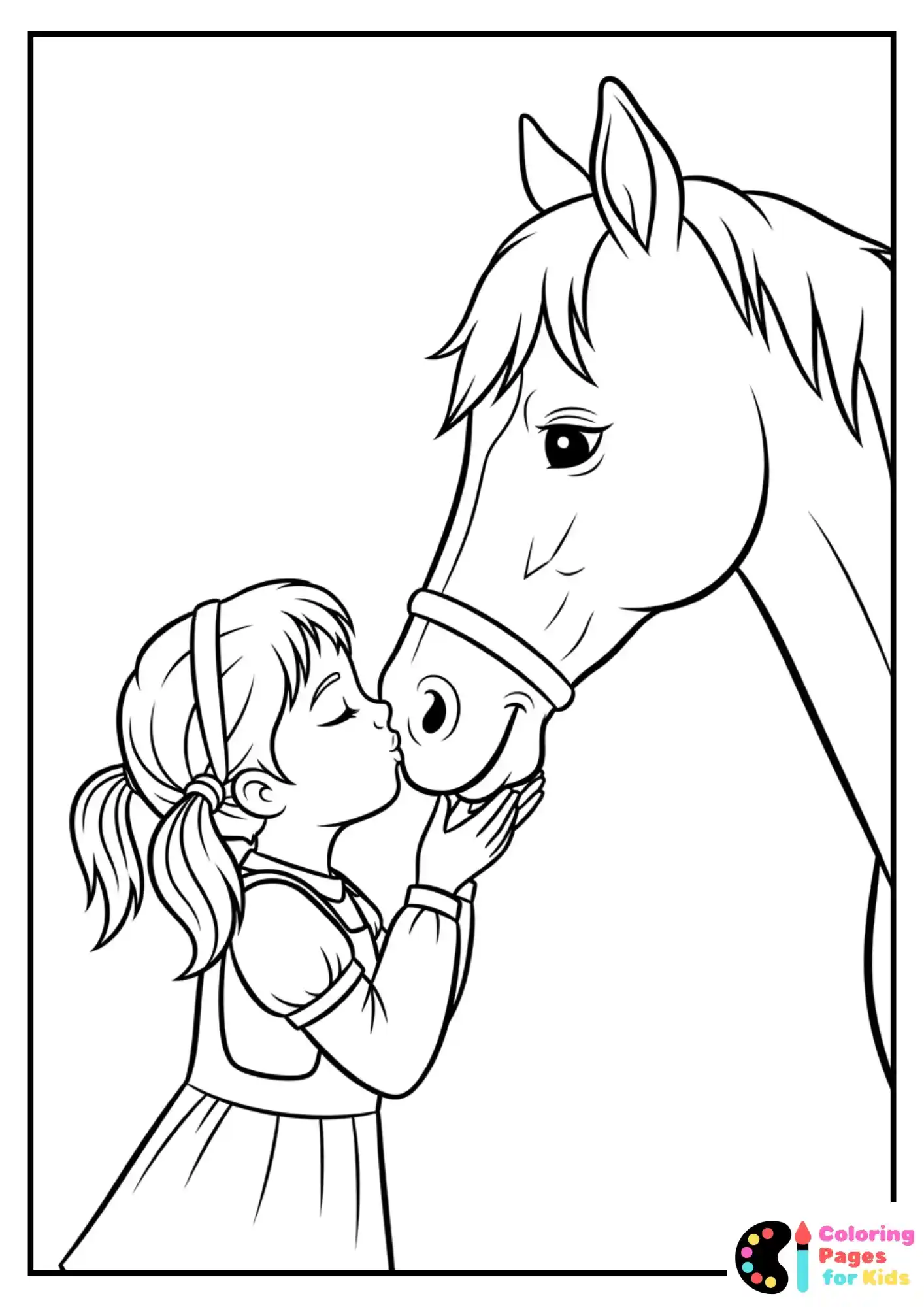
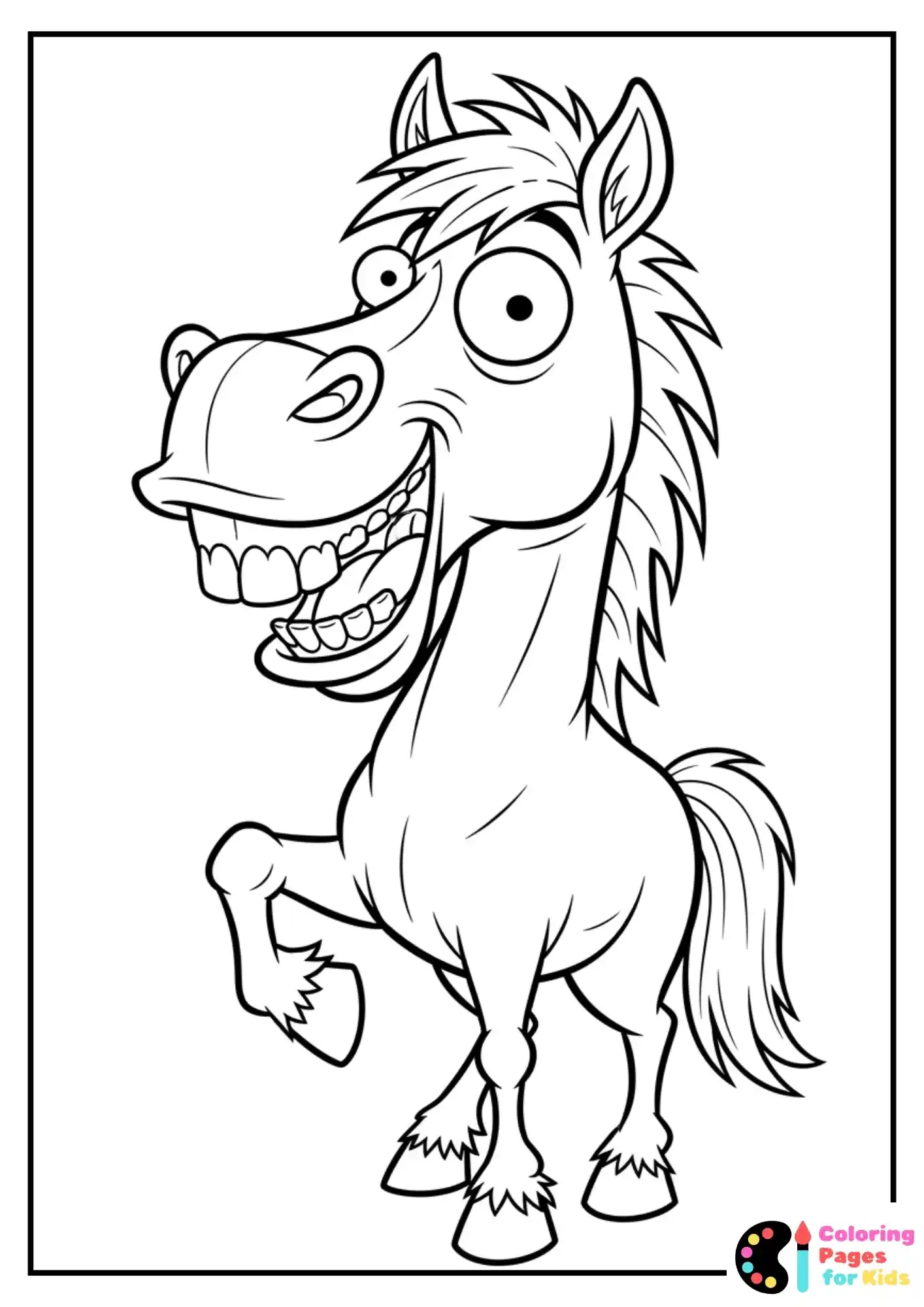
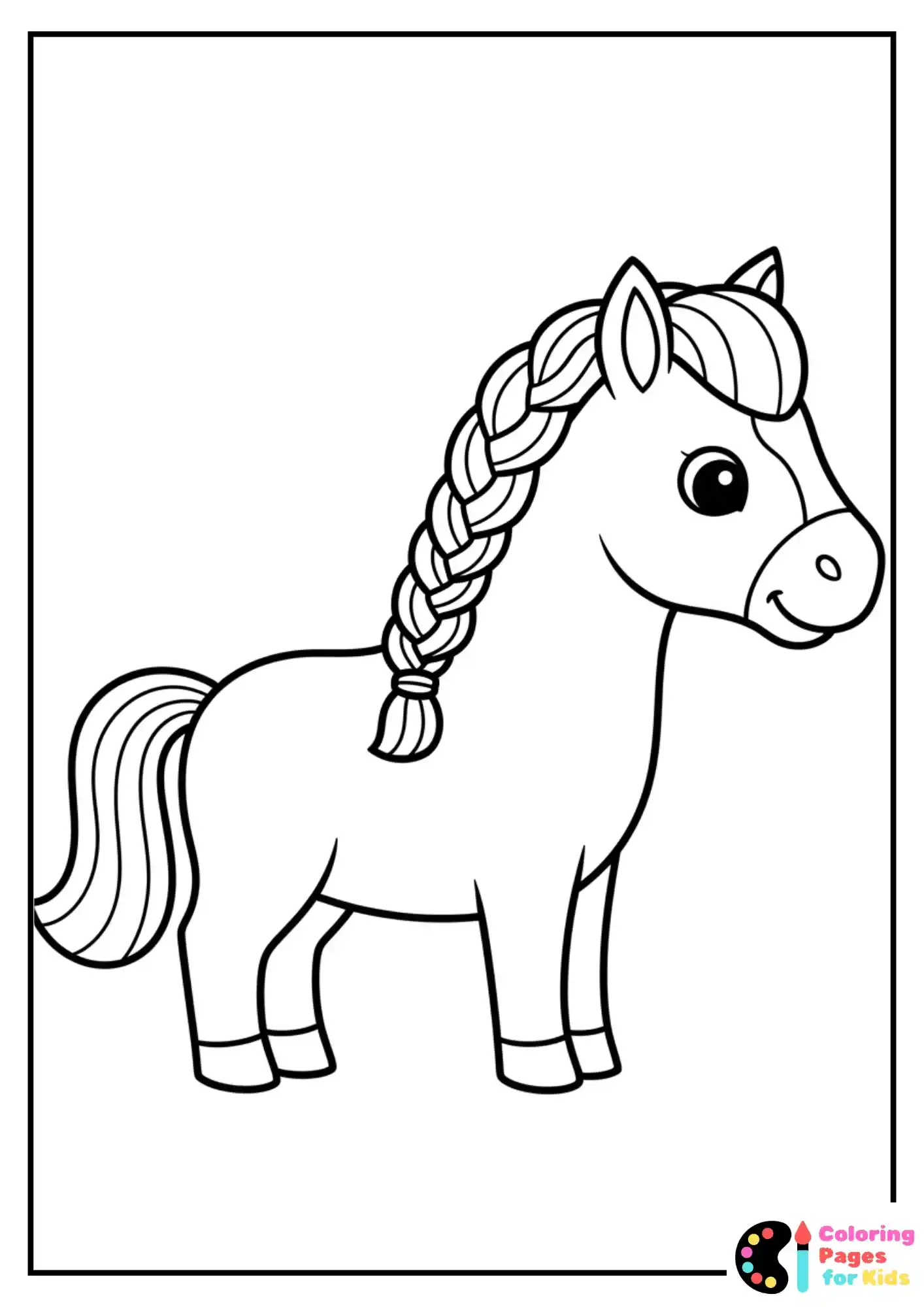
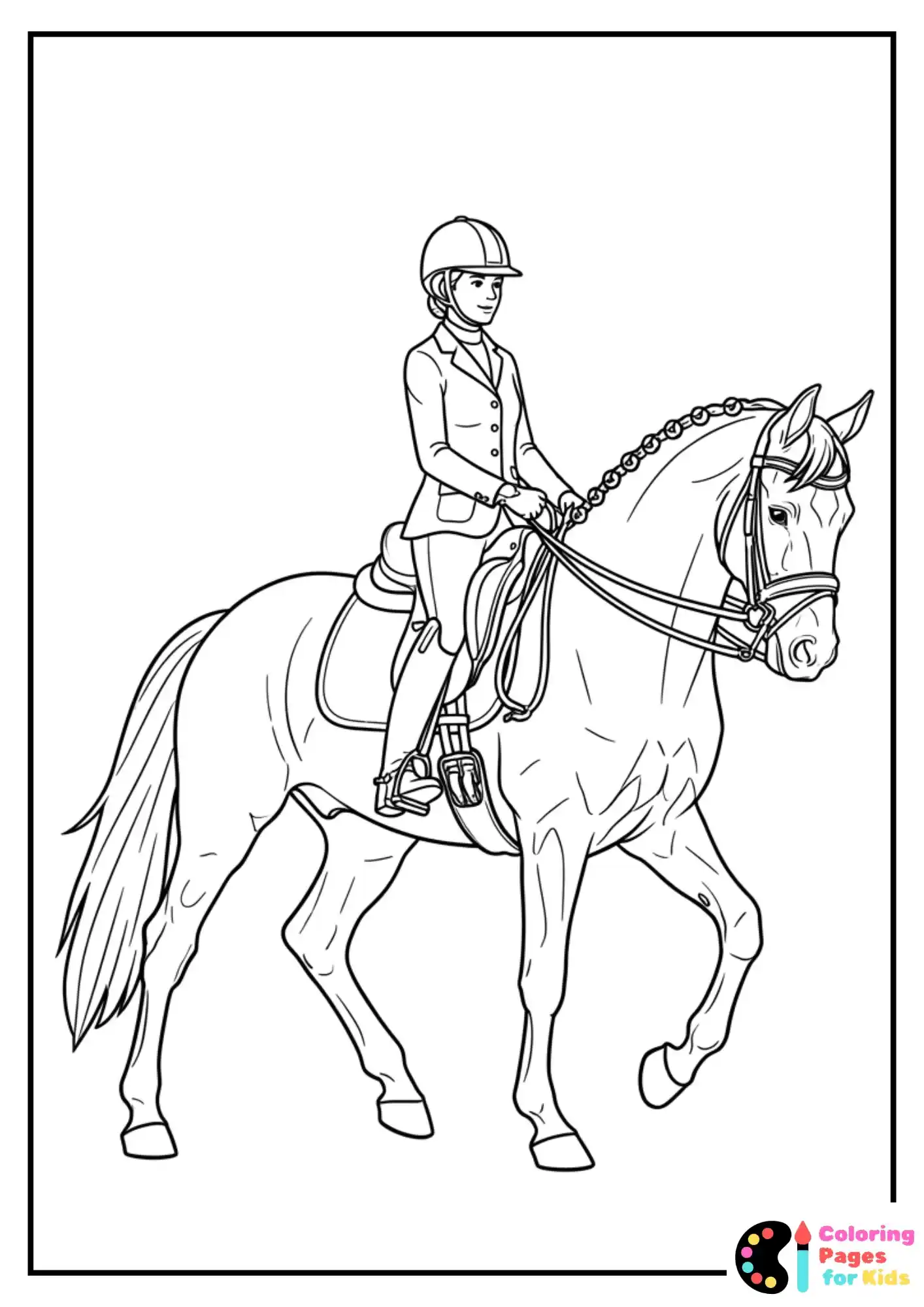
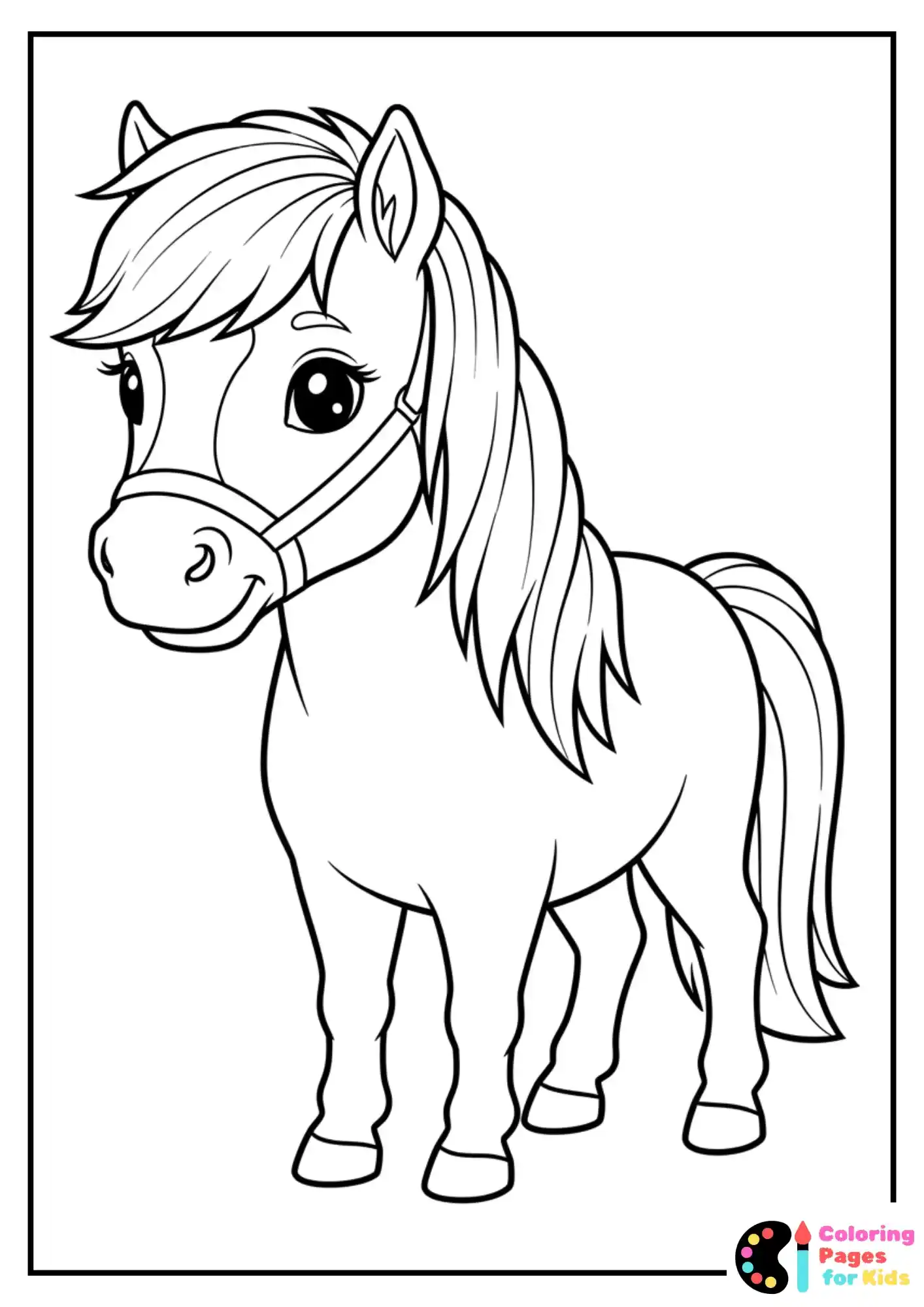
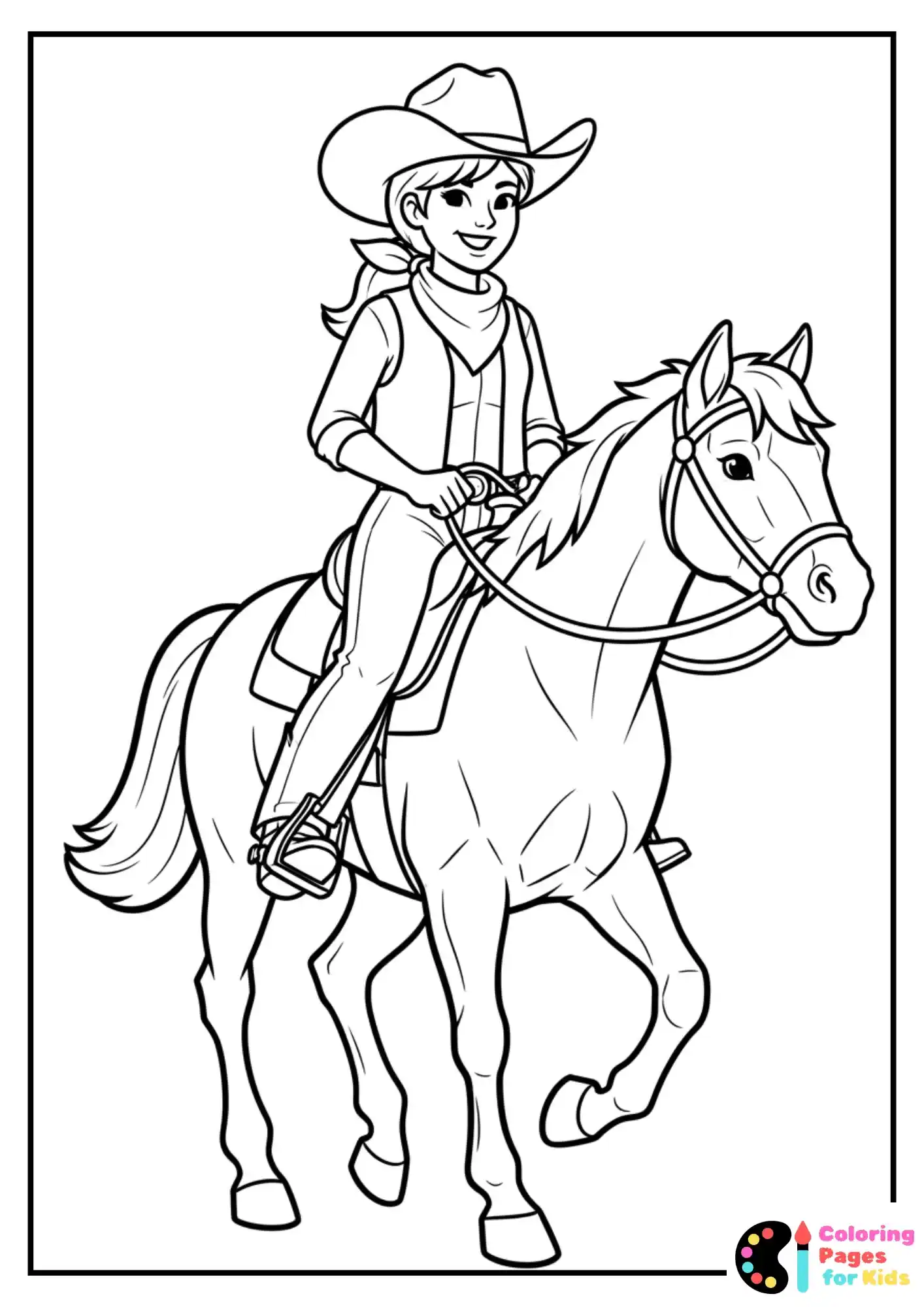
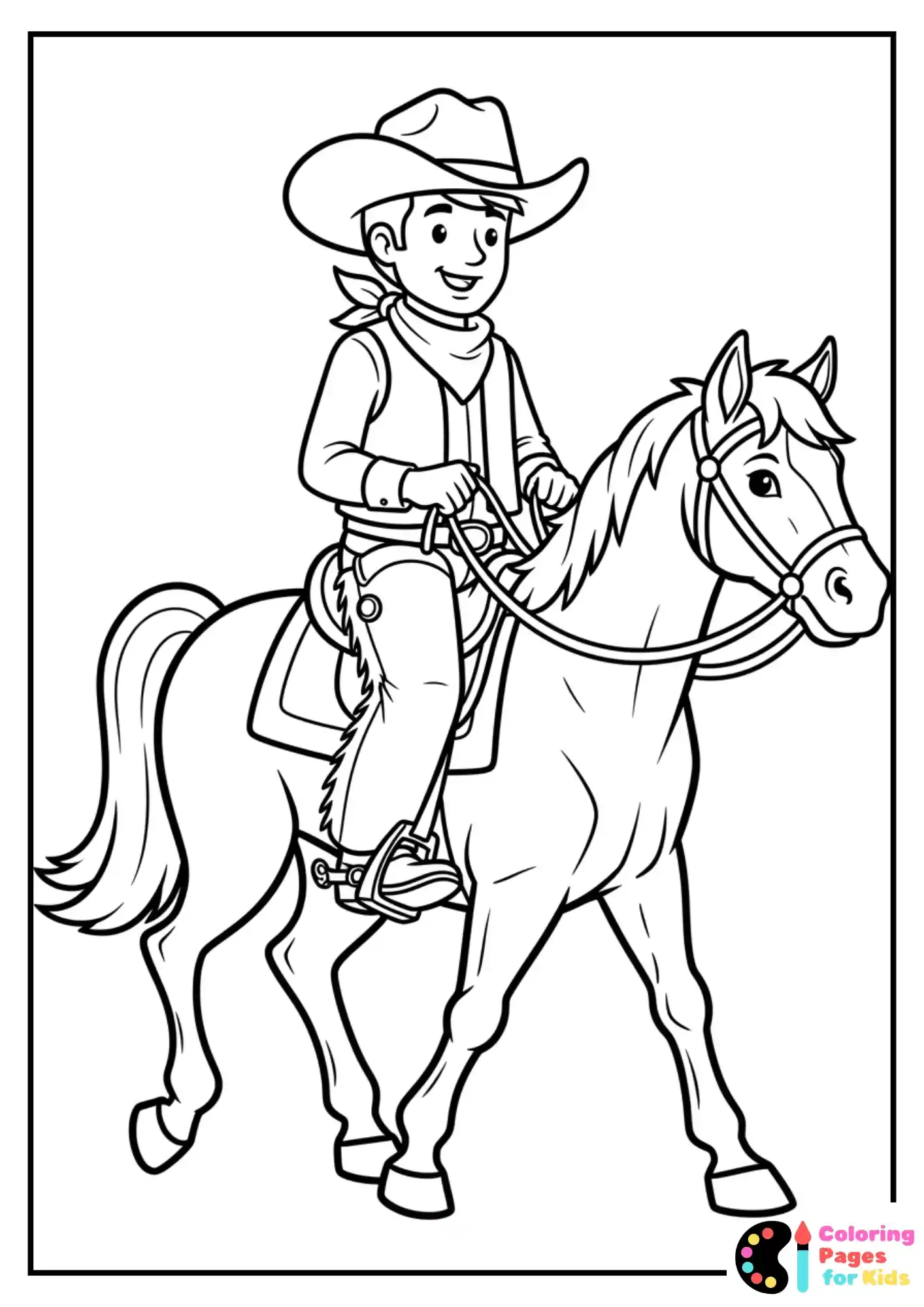
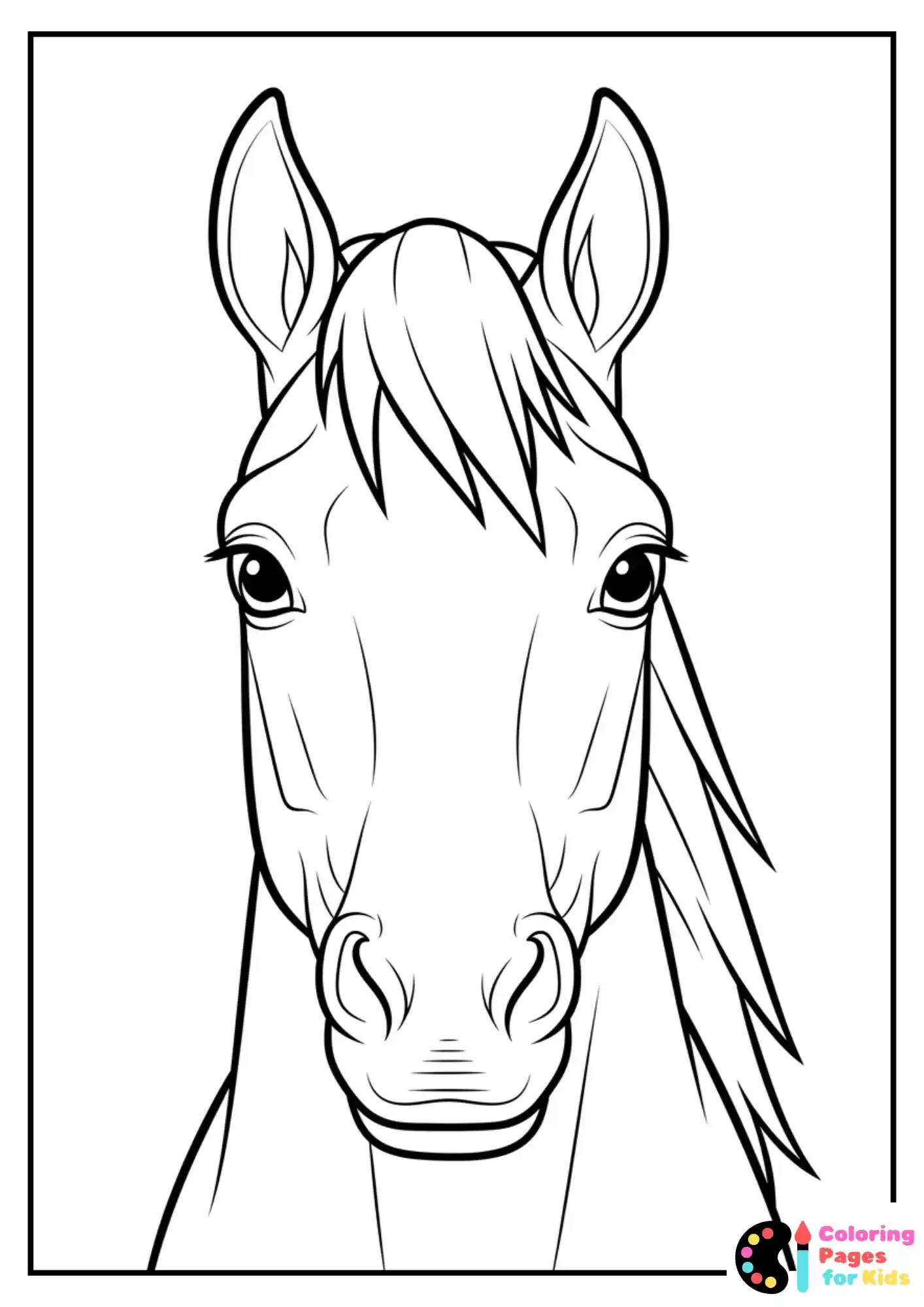
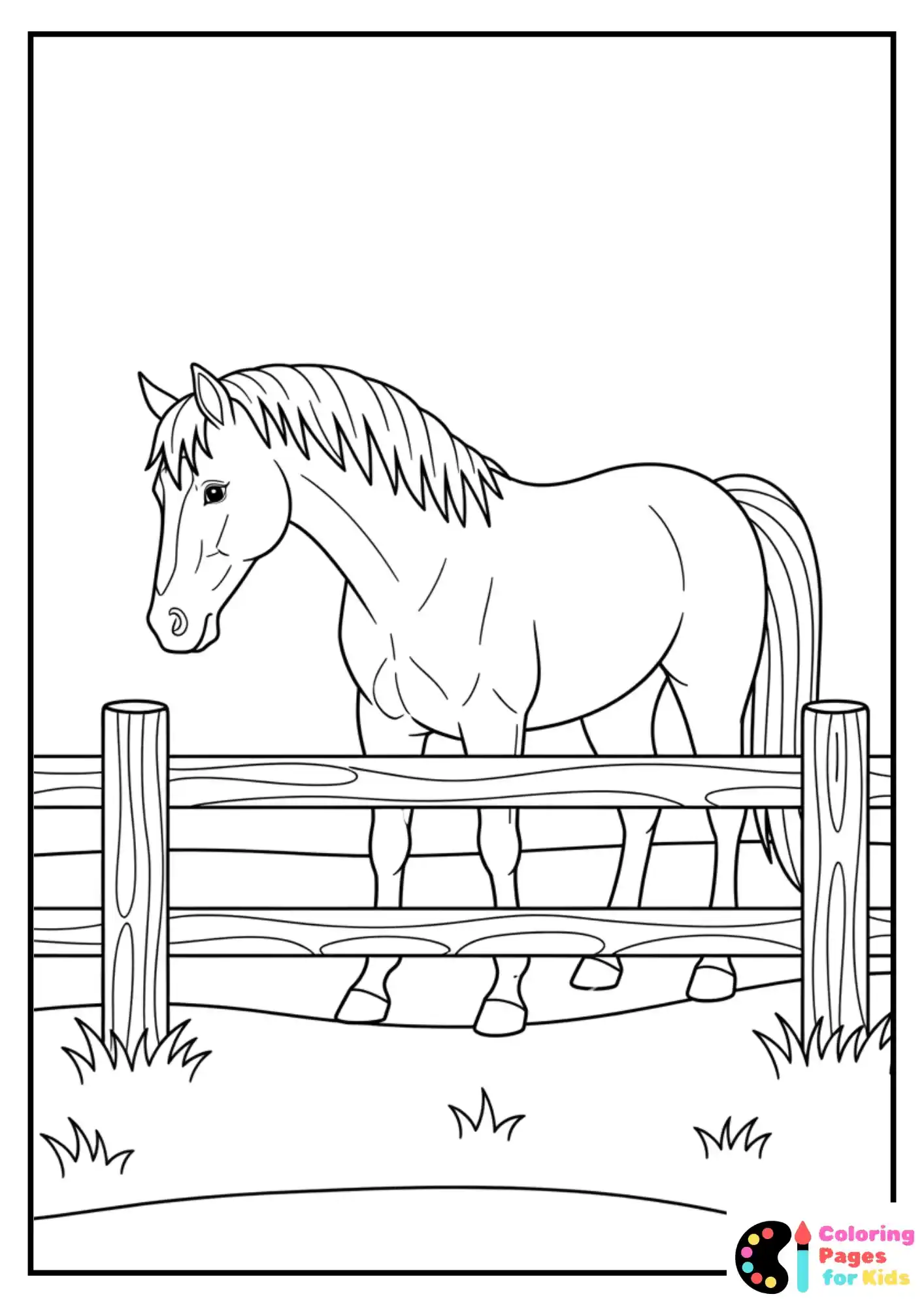
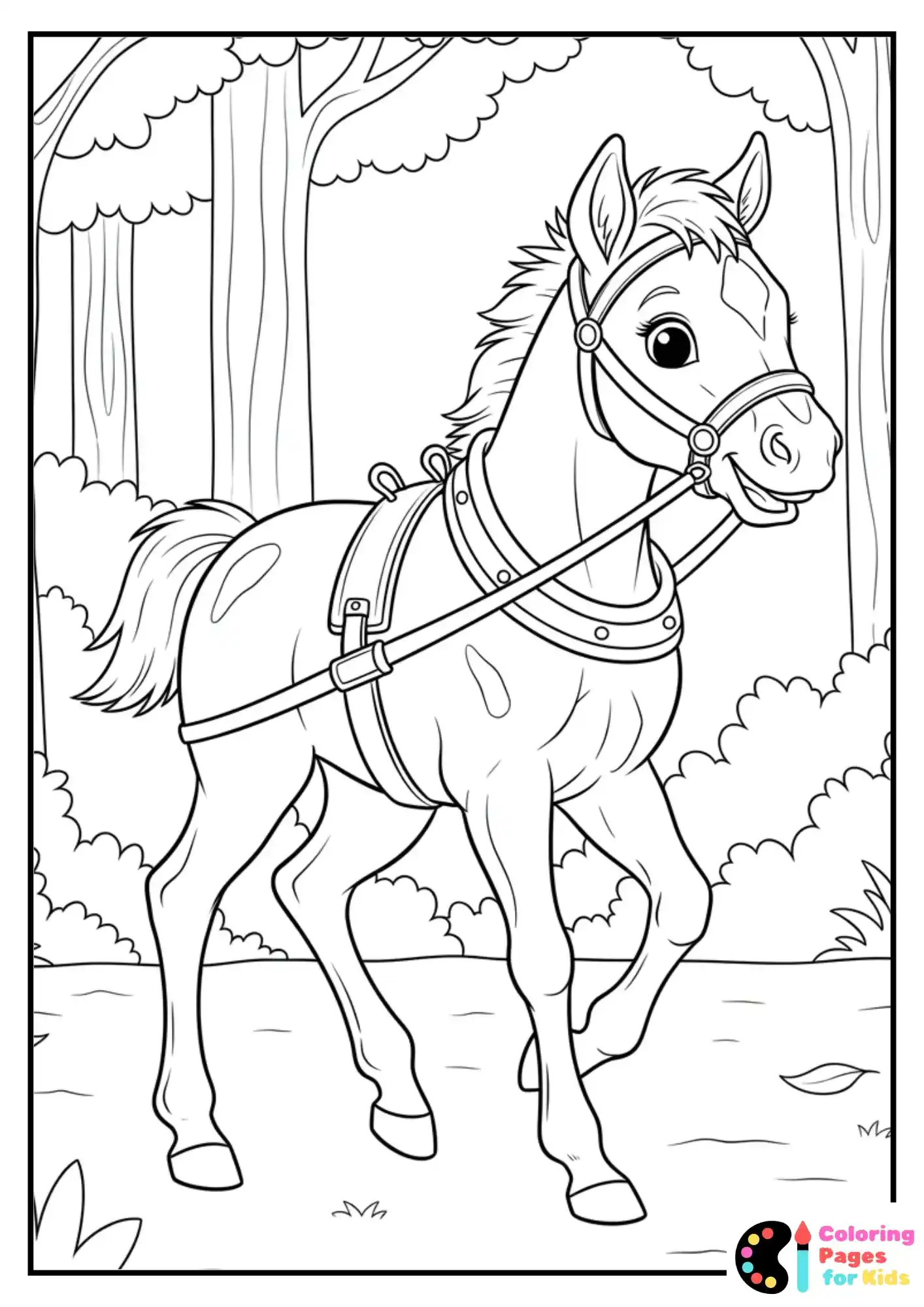
Why Horse Coloring Pages Make Perfect Craft Materials
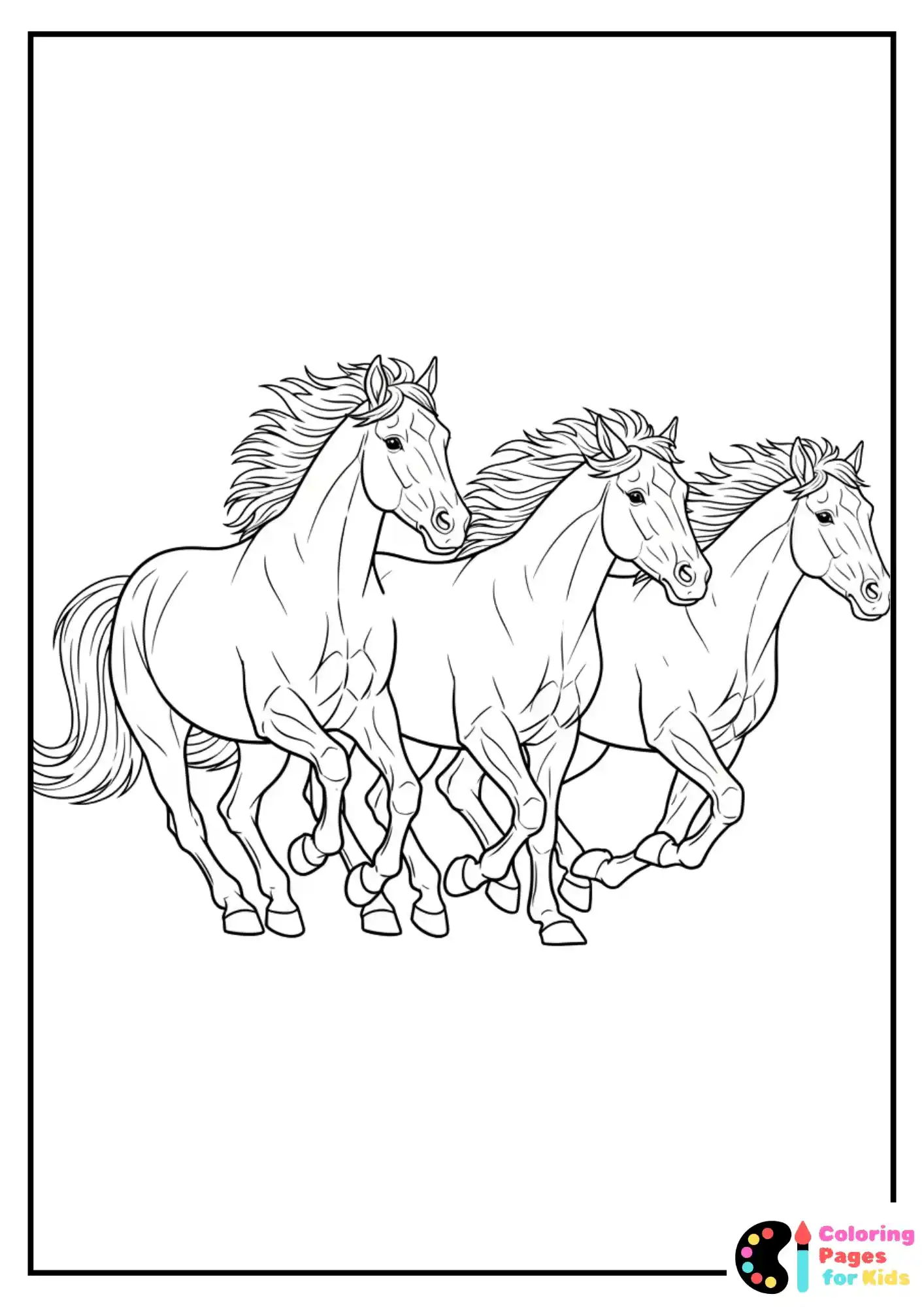
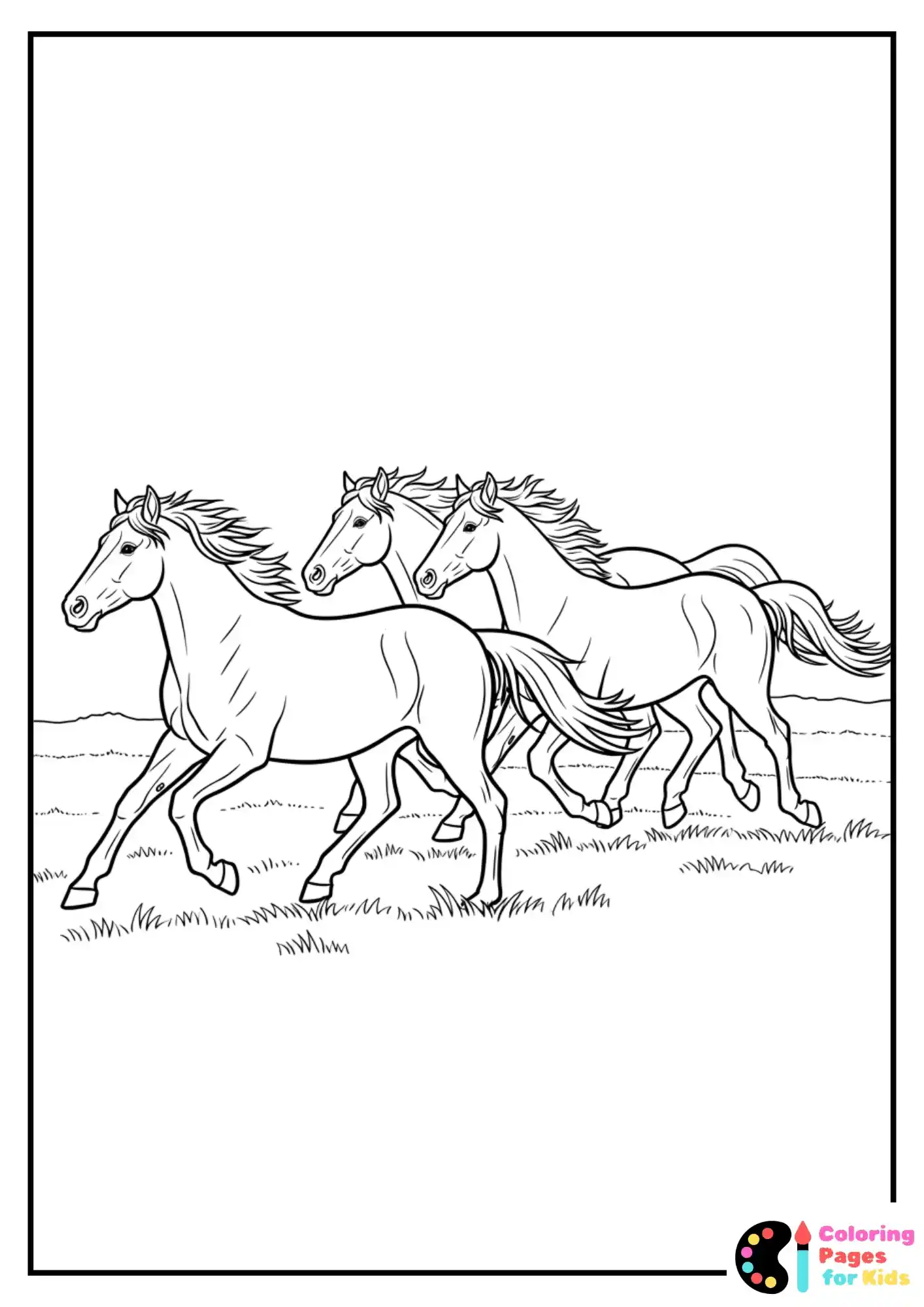
Before diving into specific projects, let’s explore why horse-themed printables work so beautifully for crafting. These illustrations typically feature clear outlines, recognizable shapes, and an emotional appeal that resonates with children and adults alike. If your child enjoys horse coloring activities, they’ll also love exploring our extensive collection of animal coloring pages featuring farm animals, jungle creatures, and ocean life. The equestrian theme carries a timeless quality—horses represent freedom, strength, and grace, making them naturally inspiring subjects for artistic projects.
Free PDF printables eliminate the cost barrier while providing professional-quality illustrations. You can print multiple copies of the same design, experiment without worry, and always have backup materials ready. This accessibility makes horse coloring pages ideal for group activities, birthday parties, or rainy-day entertainment.
Essential Supplies for Horse Coloring Page Crafts
Most projects in this guide require basic household materials you likely already have. Keep these items accessible for spontaneous crafting sessions:
Coloring Tools: Crayons, colored pencils, markers, watercolors, or acrylic paints
Adhesives: White glue, glue sticks, Mod Podge, rubber cement, or hot glue guns (adult supervision required)
Cutting Tools: Child-safe scissors, craft knives (adults only), and paper trimmers
Structural Materials: Cardstock, posterboard, cardboard boxes, toilet paper rolls, paper plates
Decorative Elements: Tissue paper, construction paper, ribbons, yarn, pom-poms, wax paper
Finishing Touches: Laminating sheets, clear contact paper, popsicle sticks, and easels
Now, let’s explore twelve fantastic ways to transform horse coloring pages into cherished creations.
1. Three-Dimensional Horse Dioramas
Create miniature worlds where colored horses live and roam using simple shoebox theaters. This project teaches spatial awareness and storytelling while producing impressive display pieces.
What You’ll Need: Two identical horse coloring pages, a shoebox, scissors, glue, coloring materials, and optional construction paper for scenery
Step-by-Step Process: Start by having children color one page as a background scene with sky, grass, and distant mountains. Color the second page, focusing primarily on the horse itself with rich, vibrant hues. Carefully cut out the horse figure, leaving approximately one inch of paper beneath the hooves. This tab becomes crucial for stability.
Cut the background scene to fit the back wallof the shoebox and secure it with glue. Fold the tab under the horse’s hooves backward to create a stand. Position the horse several inches from the backdrop to achieve a genuine three-dimensional effect. The space between the foreground and the background creates depth, making the scene come alive.
Enhance the diorama with construction paper elements like trees, fences, or bushes. Some children enjoy adding cotton clouds or creating textured ground using sand mixed with glue. These personal touches transform each diorama into a unique creation.
2. Kentucky Derby Rose Garland Tributes
Combine coloring with cultural education by creating horse portraits adorned with the iconic rose garlands associated with America’s most prestigious horse race. This craft works wonderfully for May celebrations or as an introduction to sporting traditions.
What You’ll Need: Horse coloring pages, markers or crayons, red and green tissue paper, glue, scissors
Creative Approach: Have children select a horse illustration and color it in racing silks colors—bright, bold hues that jockeys wear. Then, guide them in drawing a horseshoe-shaped garland of roses around the horse’s neck or as a decorative border.
For younger children, provide templates of simple rose shapes for them to trace. Older kids can research what actual Derby roses look like and attempt more realistic renditions. The most impressive version involves twisting red tissue paper into rose shapes and green tissue paper into leaves, then gluing these three-dimensional flowers onto the page.
This project opens conversations about horse racing traditions, the history of the Kentucky Derby, and even geography as you explore where Churchill Downs is located. It seamlessly blends art with learning.
3. Colorful Horse Mosaic Art
Mosaic crafts develop patience and precision while creating stunning, textured artwork. This technique transforms ordinary coloring pages into gallery-worthy pieces that showcase color theory and pattern recognition.
What You’ll Need: Horse coloring pages, construction paper in various colors, scissors, glue sticks
Execution Method: Rather than using traditional coloring tools, children tear or cut construction paper into small squares, rectangles, or irregular shapes. They then glue these pieces onto the horse illustration, filling in different areas with appropriate colors.
Use brown and tan shades for the horse’s body, black or white for manes and tails, green for grass, and blue for sky. The smaller the paper pieces, the more refined the final result appears. However, adjust the piece size based on the child’s age and fine motor skill development.
This craft teaches color blending—children learn that placing light brown next to dark brown creates dimension and shadow. The tactile nature of tearing paper and feeling different textures adds a sensory component that enhances the creative experience.
4. Whimsical Horse Garden Stakes
Transform colored horses into charming garden decorations or potted plant accessories that brighten indoor and outdoor spaces. These make excellent gifts for grandparents or teacher appreciation presents.
What You’ll Need: Horse coloring pages, coloring materials, scissors, popsicle sticks or wooden skewers, glue, and optional laminating sheets
Construction Process: After coloring the horse beautifully, cut carefully around the outline, removing all white space. For younger children, consider leaving a small border for easier cutting.
Glue one or two popsicle sticks to the back of the cutout, ensuring they extend below the horse to create a stake. If the horse is giant, use two sticks for added stability. Allow the glue to dry completely.
Laminating the horse before attaching the stick provides weather resistance, making these decorations suitable for outdoor gardens. Without lamination, they work perfectly in potted houseplants, adding personality to windowsill herb gardens or classroom plants.
Children feel proud seeing their artwork displayed functionally rather than just hanging on a refrigerator. These garden stakes practically celebrate their creativity. Garden stakes and plant decorations can be created in any animal theme—check out our hamster coloring pages and crafts for adorable small-animal alternatives that work perfectly in classroom terrariums and herb gardens.
5. Watercolor Horse Masterpieces
Elevate the coloring experience by introducing watercolor painting techniques. This approach produces softer, more sophisticated artwork while teaching children about paint consistency, color mixing, and brush control.
What You’ll Need: Horse coloring pages, posterboard or cardboard for mounting, watercolor paints, brushes, water cups, paper towels, and easels (optional)
Painting Technique: Mount the coloring page onto sturdy posterboard to prevent warping as water is applied. Set up a proper painting station with clean water, palette, and towels for brush cleaning.
Demonstrate how to load brushes with paint and water to create different intensity levels. Show children how more water creates lighter washes while less water produces richer colors. Encourage experimentation—horses don’t need to be realistic, brown, and black. Purple horses with rainbow manes celebrate imagination.
The bleeding and blending that occurs with watercolors creates unique effects impossible with other media. Each painting becomes truly one-of-a-kind. The slower pace of painting also provides a calming, meditative quality different from the instant gratification of markers.
6. DIY Horse Jigsaw Puzzles
Create personalized puzzles that children can trade, solve repeatedly, or gift to siblings and friends. This craft combines art with problem-solving and can be adjusted for any skill level.
What You’ll Need: Horse coloring pages, posterboard, glue, coloring materials, thick black marker, scissors or craft knife
Assembly Instructions: Glue the horse coloring page smoothly onto the posterboard, pressing out any bubbles or wrinkles. Have children color the entire illustration carefully, ensuring complete coverage, as blank spots will make the puzzle less attractive.
Once coloring is complete and glue has dried thoroughly, use a thick black marker to draw puzzle piece outlines directly on the colored image. For younger children, create large, simple pieces—perhaps only six to eight total. Older children can handle intricate patterns with twenty or more pieces.
Carefully cut along the marked lines using scissors. Adults may prefer craft knives for precision, especially with complex designs. Store completed puzzles in labeled envelopes or small boxes.
Classroom teachers love this activity because children can exchange puzzles, creating new challenges. Some families create holiday-themed horse puzzles that become annual traditions.
7. Elegant Horse Stained Glass Window Art
Replicate the beauty of stained glass windows using tissue paper, wax paper, and silhouette techniques. These luminous creations look stunning when hung near windows where light can shine through.
What You’ll Need: Horse coloring pages, wax paper, tissue paper in various colors, Mod Podge or rubber cement, black construction paper, black marker or paint, scissors
Detailed Process: Cut out the horse figure from your coloring page and paint or color it entirely black to create a silhouette. Set this aside to dry.
Cut wax paper into squares slightly larger than your final frame size. Have children apply Mod Podge to the wax paper, then press small pieces of colored tissue paper onto it in random patterns. Overlap colors to create new hues where they intersect. Allow this to dry for approximately thirty minutes.
Cut black construction paper to create frames with openings that display the tissue paper. Glue the black horse silhouette onto the dried tissue paper background, then mount everything into the black frame. The contrast between the dark horse shape and the colorful translucent background creates a dramatic visual impact.
Hang these near windows using suction cup hooks or tape. When sunlight filters through, the tissue paper glows beautifully, and the horse appears to stand against a colorful sky.
8. Stand-Up Horse Figurines
Construct free-standing horse figures that work for imaginative play, shelf decorations, or miniature farm scenes. This three-dimensional craft produces sturdy toys that withstand handling.
What You’ll Need: Two identical horse coloring pages, a toilet paper roll, glue, coloring materials, and scissors
Building Method: Print two copies of the same horse illustration and have children color both identically. Cut out both horses carefully, leaving a small border around the body.
Cut the toilet paper roll to match the horse’s body height, excluding the head and legs. Apply glue to the outside of the roll, then carefully attach one horse cutout with the colored side facing outward. Repeat on the opposite side with the second cutout.
The heads can be glued together above the roll to create a double-sided effect. When complete, the horse should stand independently on its four legs. The cylindrical body provides stability and dimension.
Children enjoy arranging multiple horses together to create herds or designing cardboard barns and fences for elaborate play scenarios. These figurines bridge the gap between two-dimensional art and three-dimensional toys. If you enjoyed making these three-dimensional horse figurines, you’ll find similar techniques in our dog coloring pages crafts guide, which offers 15 additional ways to transform pet-themed printables into interactive toys.
9. Adorable Rocking Horse Toys
Engineer simple rocking horses using paper plates and paired illustrations. This clever design produces functional toys that actually rock back and forth, delighting younger children.
What You’ll Need: Two identical horse coloring pages, a paper plate, scissors, glue, and coloring materials
Construction Steps: Color and cut out both horse illustrations as described in the previous project. Fold a sturdy paper plate in half and cut along the outer rim, leaving approximately one inch of the center fold intact. When opened, you’ll have two crescent shapes connected by a small bridge.
Glue the two horse cutouts together with colored sides facing outward, but stop gluing about two inches before the bottom of the hooves. Keep this section separate. Glue each hoof to opposite sides of the crescent-shaped paper plate rim.
The curved plate acts as a rocker base, allowing the horse to rock gently back and forth when tapped. This simple engineering principle thrills children who see their flat artwork transformed into an interactive toy.
These rocking horses work wonderfully as party favors or gifts. Consider organizing a “build your own rocking horse” station at birthday celebrations, where each child creates and takes home their own design.
10. Abstract Horse Canvas Art
Encourage artistic freedom by mounting horse cutouts onto cardboard and painting them with abstract, non-representational colors and patterns. This project teaches that art doesn’t always need to be realistic.
What You’ll Need: Horse coloring pages, cardboard, acrylic paints, brushes, decorative materials like yarn, ribbons, pom-poms, and glue
Artistic Approach: Cut out the horse shape and mount it onto cardboard cut to the same profile. This creates a sturdy canvas for heavier paint applications.
Provide acrylic paints in wild, unexpected colors—neons, metallics, pastels—and encourage children to paint freely without worrying about staying within lines or choosing realistic colors. They might create polka-dotted horses, striped horses, or completely abstract color fields.
Add texture by gluing yarn pieces for manes and tails, using ribbon for reins or saddles, or attaching pom-poms as embellishments. The combination of painting and mixed media creates dynamic, contemporary artwork.
Display these abstract horses together as a collection to show how different artists interpret the same subject in vastly different ways. This builds appreciation for diverse artistic styles and personal expression.
11. Horse Puppet Theater Characters
Transform coloring pages into puppets for storytelling, dramatic play, and educational performances. This craft combines art with literacy development and oral communication skills.
What You’ll Need: Horse coloring pages, popsicle sticks or paper straws, scissors, glue, coloring materials, optional felt or fabric scraps
Puppet Creation: After coloring horse illustrations, cut them out and mount them onto popsicle sticks or paper straws. For more elaborate puppets, glue two identical horses together with the stick sandwiched between them, creating a double-sided puppet that looks finished from every angle.
Add character details using fabric scraps for saddles, felt for accessories, or markers to draw facial expressions. Children might create a whole cast of characters—wild mustangs, race horses, working farm horses, and mythical unicorns.
Construct a simple puppet theater from a large cardboard box by cutting an opening for the stage. Children can write scripts, practice performances, and present shows to family members. This extends the craft into literacy and language arts development.
Puppet play encourages shy children to express themselves through characters, builds confidence in public speaking, and develops narrative skills as they create stories featuring their horse characters.
12. Personalized Horse Greeting Cards
Create custom greeting cards that showcase children’s artwork while serving practical purposes. These handmade cards become treasured keepsakes that recipients actually want to save.
What You’ll Need: Horse coloring pages, cardstock, scissors, glue, coloring materials, envelopes, decorative elements
Card Assembly: Fold cardstock into card format (standard size is approximately 5×7 inches when folded). Color smaller horse illustrations or scale down existing pages to fit the card front.
Cut out the colored horse and glue it onto the card front, adding a decorative border or background using construction paper or patterned scrapbook paper. Children can write messages inside for birthdays, thank-you notes, or just-because greetings.
More advanced versions might involve creating pop-up elements, where the horse stands up when the card opens, or adding glitter, sequins, and ribbon embellishments. The recipient receives not just a card but an original piece of art.
This craft teaches the value of handmade gifts and thoughtful gestures. In our digital age, receiving physical mail feels special, and handcrafted cards demonstrate effort and caring that store-bought options cannot match.
Tips for Successful Horse Coloring Page Crafts
Age Appropriateness: Match project complexity to children’s developmental levels. Younger children need simpler crafts with fewer steps, while older kids enjoy challenges requiring precision and patience.
Preparation Is Key: Gather all materials before starting. Nothing disrupts creative flow like searching for missing scissors mid-project.
Embrace Imperfection: The most important aspect isn’t creating flawless crafts but encouraging creativity and building confidence. Celebrate each child’s unique interpretation.
Safety First: Always supervise young children with scissors, glue guns, and craft knives. Use child-safe materials whenever possible.
Documentation: Photograph completed projects to create a portfolio of artistic growth over time. Children love looking back at earlier creations and seeing their skill development.
Educational Benefits of Horse Craft Projects
These activities provide significant developmental advantages beyond simple entertainment. Fine motor skills improve through cutting, gluing, and precise coloring. Hand-eye coordination develops as children manipulate small pieces and follow lines.
Cognitive skills expand through project planning, following multi-step instructions, and problem-solving when challenges arise. Children learn sequencing, cause-and-effect relationships, and spatial reasoning.
Emotional development occurs as kids experience pride in completed projects, practice patience through longer activities, and build resilience when crafts don’t turn out exactly as planned. Social skills grow through sharing materials, collaborating on group projects, and giving handmade gifts. To learn more about how coloring activities support child development, visit our comprehensive guide on coloring pages for kids, which explores fine motor skills, cognitive growth, and emotional regulation through creative activities.
Where to Find Quality Horse Coloring Pages
While this article focuses on craft ideas rather than page sources, high-quality illustrations make a tremendous difference in final results. Look for pages with clear outlines, age-appropriate detail levels, and variety in poses and styles. Free PDF printables offer convenience and cost savings, allowing unlimited reprinting for multiple projects.
Creating Lasting Memories Through Crafting
The true magic of these horse coloring page crafts extends beyond the finished products sitting on shelves or hanging on walls. The real value lies in time spent together—conversations during crafting sessions, laughter when glue gets everywhere, and problem-solving as a team when something doesn’t work as planned.
Years from now, children won’t remember perfect crafts. They’ll remember the afternoon you built horse dioramas together while it rained outside, or the morning you covered the kitchen table with tissue paper scraps, making stained glass art. These shared creative experiences become family stories retold at gatherings.
Each craft project represents more than colored paper and glue. It’s a captured moment, a preserved memory, and tangible proof that someone cared enough to create something by hand in an increasingly digital world.
Unleashing Creativity One Horse at a Time
These twelve craft ideas demonstrate that horse coloring sheets offer far more potential than simple coloring activities. They’re launchpads for creativity, teaching tools for skill development, and memory-making opportunities disguised as fun projects.
Whether you’re creating dioramas that bring scenes to life, engineering rocking horses that actually move, or designing stained glass art that captures light beautifully, each project transforms basic printables into extraordinary creations. The versatility of these crafts means you’ll find options perfect for quiet solo activities, energetic group projects, rainy afternoon entertainment, or special occasion celebrations.
Start with whichever project speaks to you and your child’s interests. Please keep it simple initially, then gradually explore more complex techniques as skills and confidence grow. Remember that the process matters more than perfection—those glue drips and uneven cuts become part of each project’s unique charm.
The next time you print horse coloring pages, see them not as simple activity sheets but as blank canvases waiting to become treasured keepsakes, thoughtful gifts, functional decorations, and most importantly, shared experiences that strengthen bonds and create lasting memories. Happy crafting!