Hippo Coloring Pages (Free PDF Printable)
Discover how to turn your Hippo Coloring Pages (Free PDF Printables) into extraordinary craft projects that spark creativity and provide hours of educational fun. Whether you’re a parent looking for engaging activities, a teacher seeking classroom projects, or simply someone who loves transforming simple coloring pages into memorable keepsakes, these innovative craft ideas will revolutionize how you think about coloring activities.
From interactive storage solutions to decorative masterpieces, these 10 carefully curated projects prove that coloring is just the beginning of an incredible creative journey. Each craft combines artistic expression with practical functionality, ensuring your finished hippo artwork becomes something truly special. Find additional free printable coloring pages for kids—from animals to fantasy themes—that complement the hippo designs.
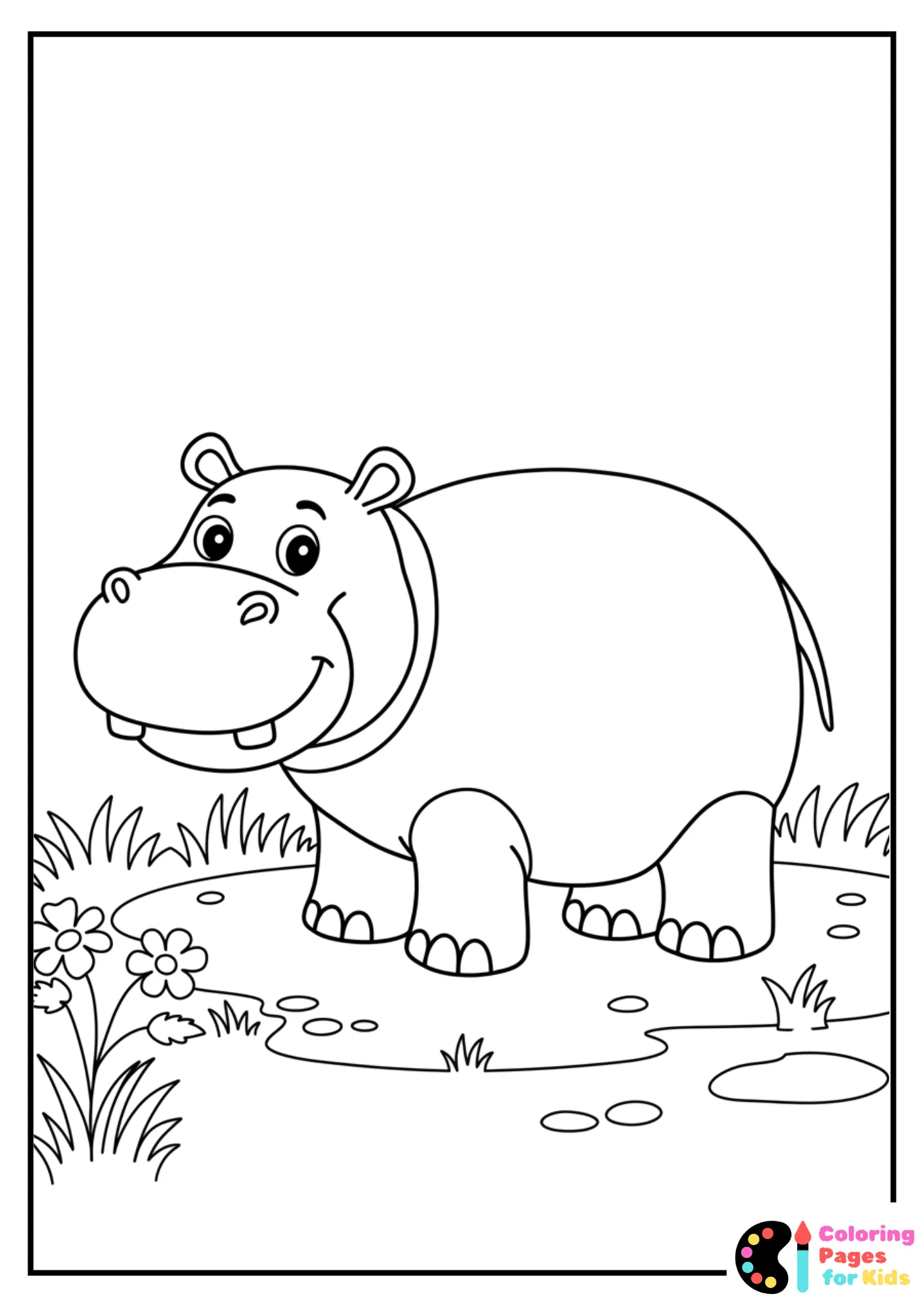

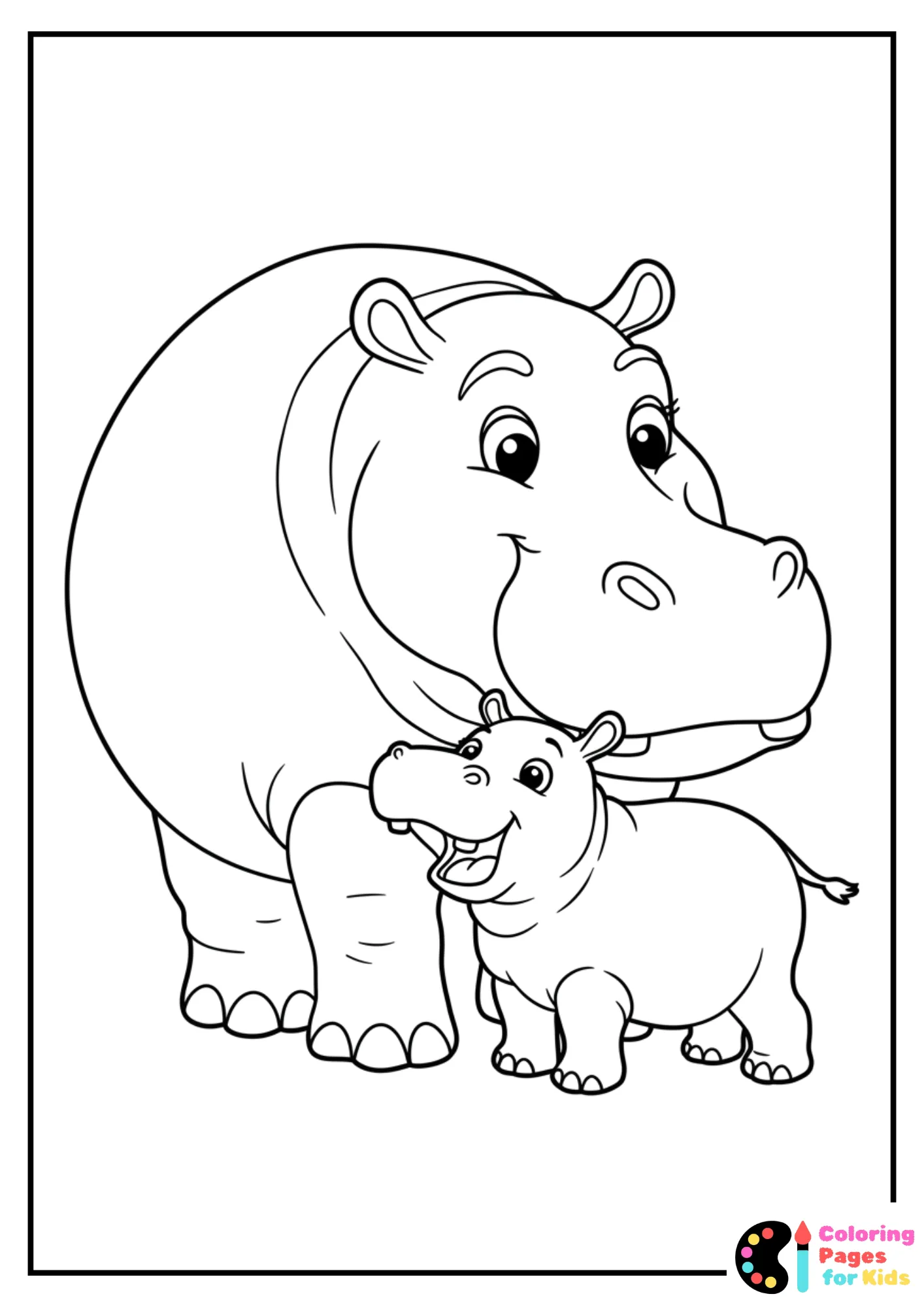
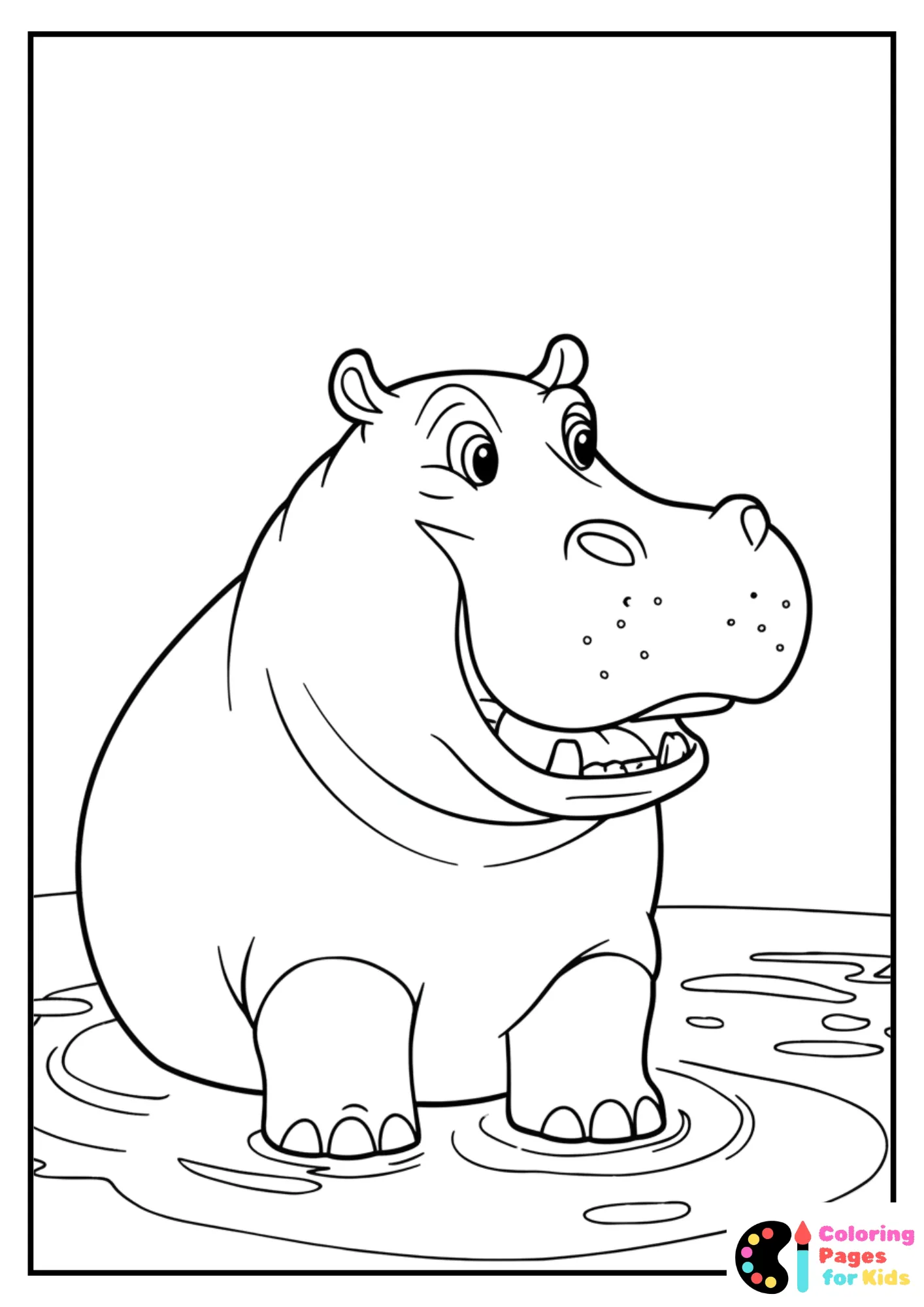
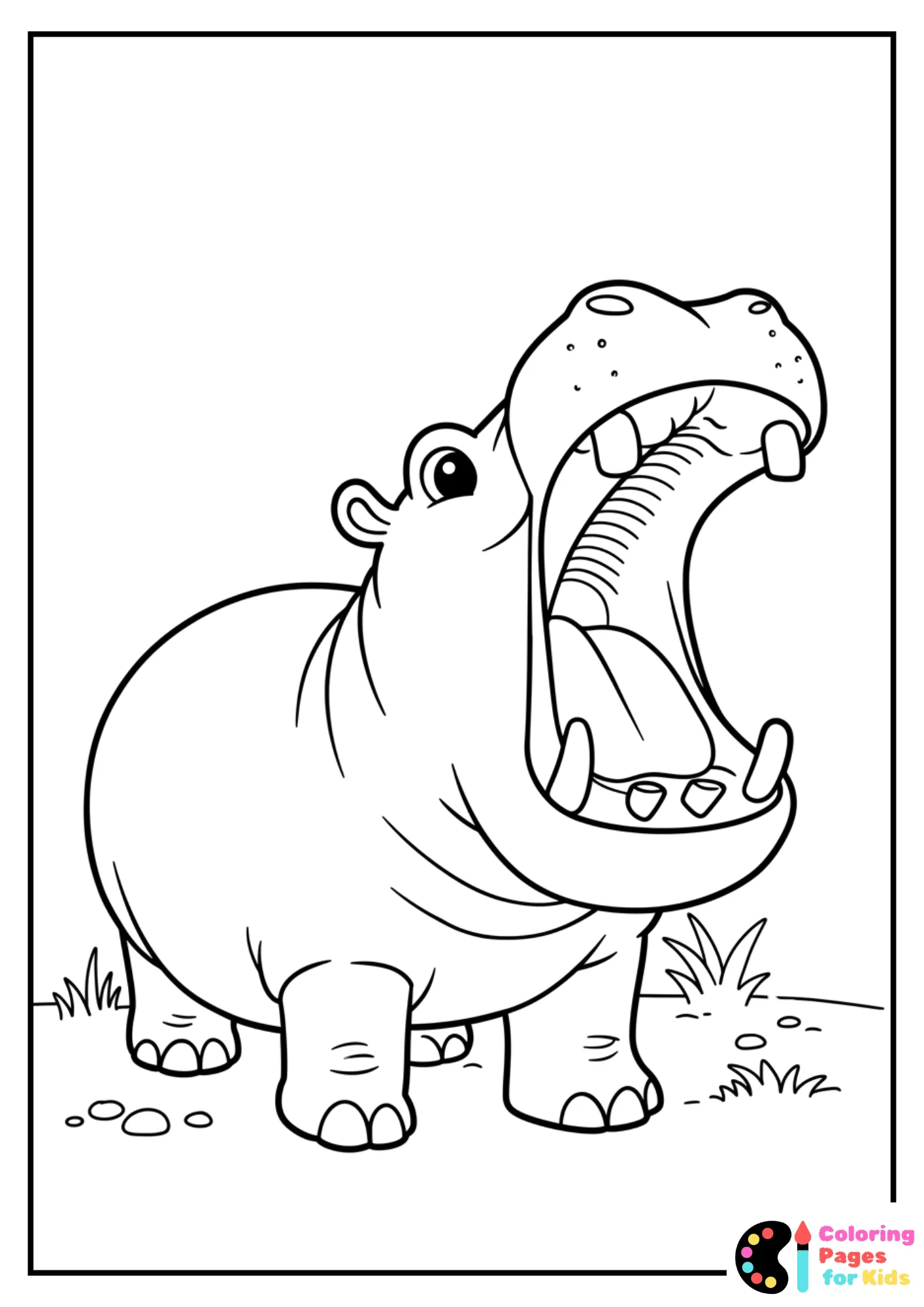

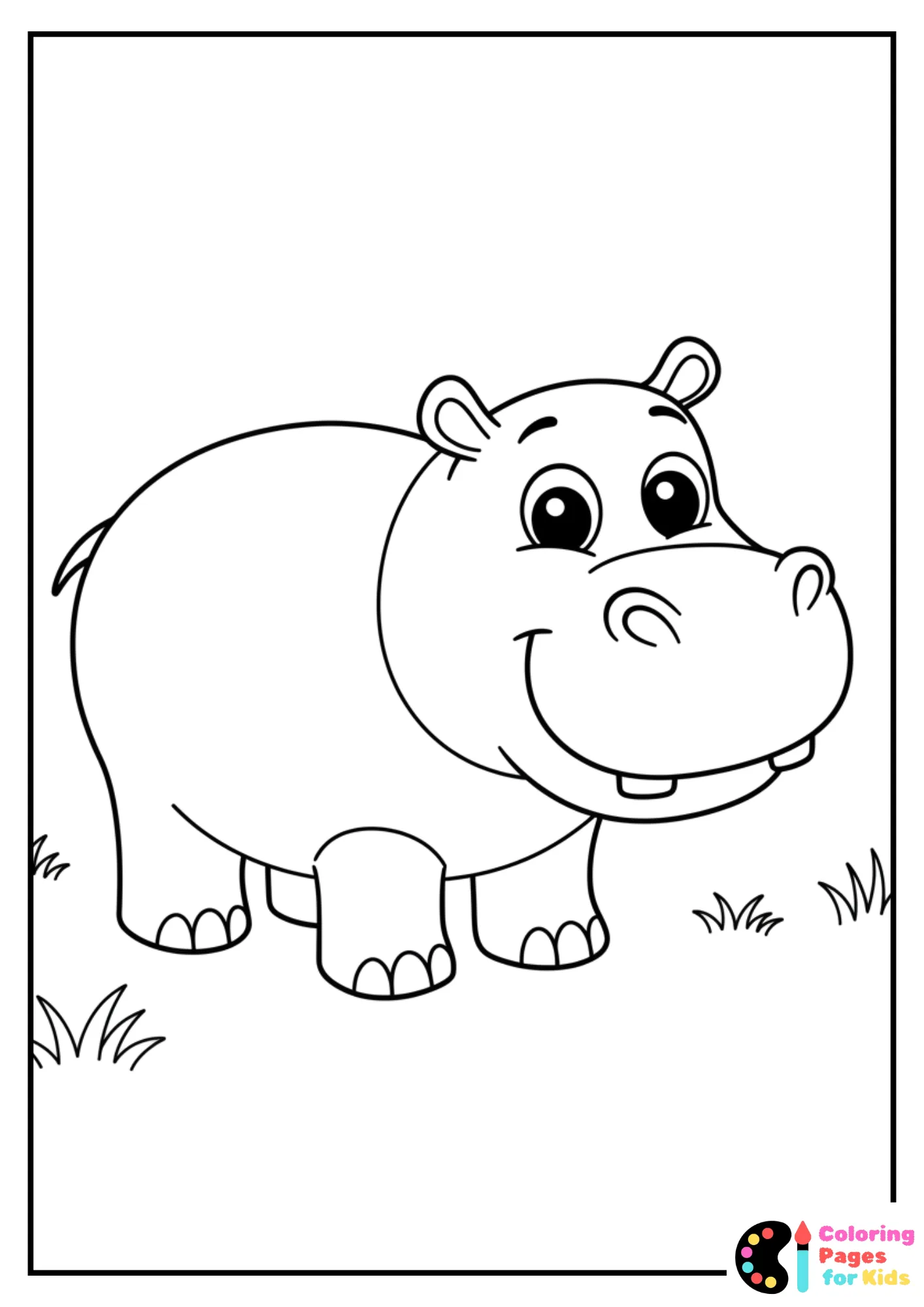

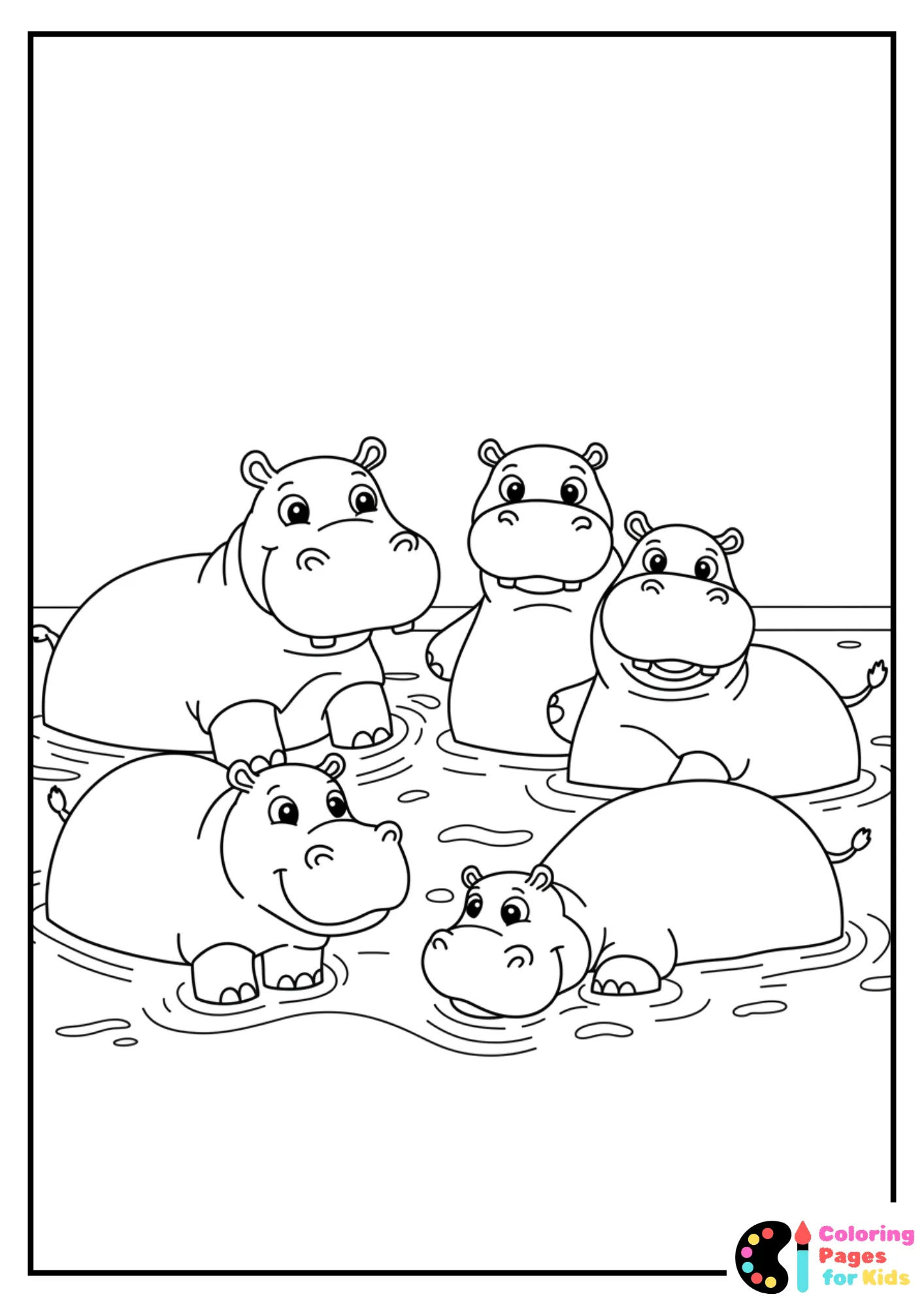
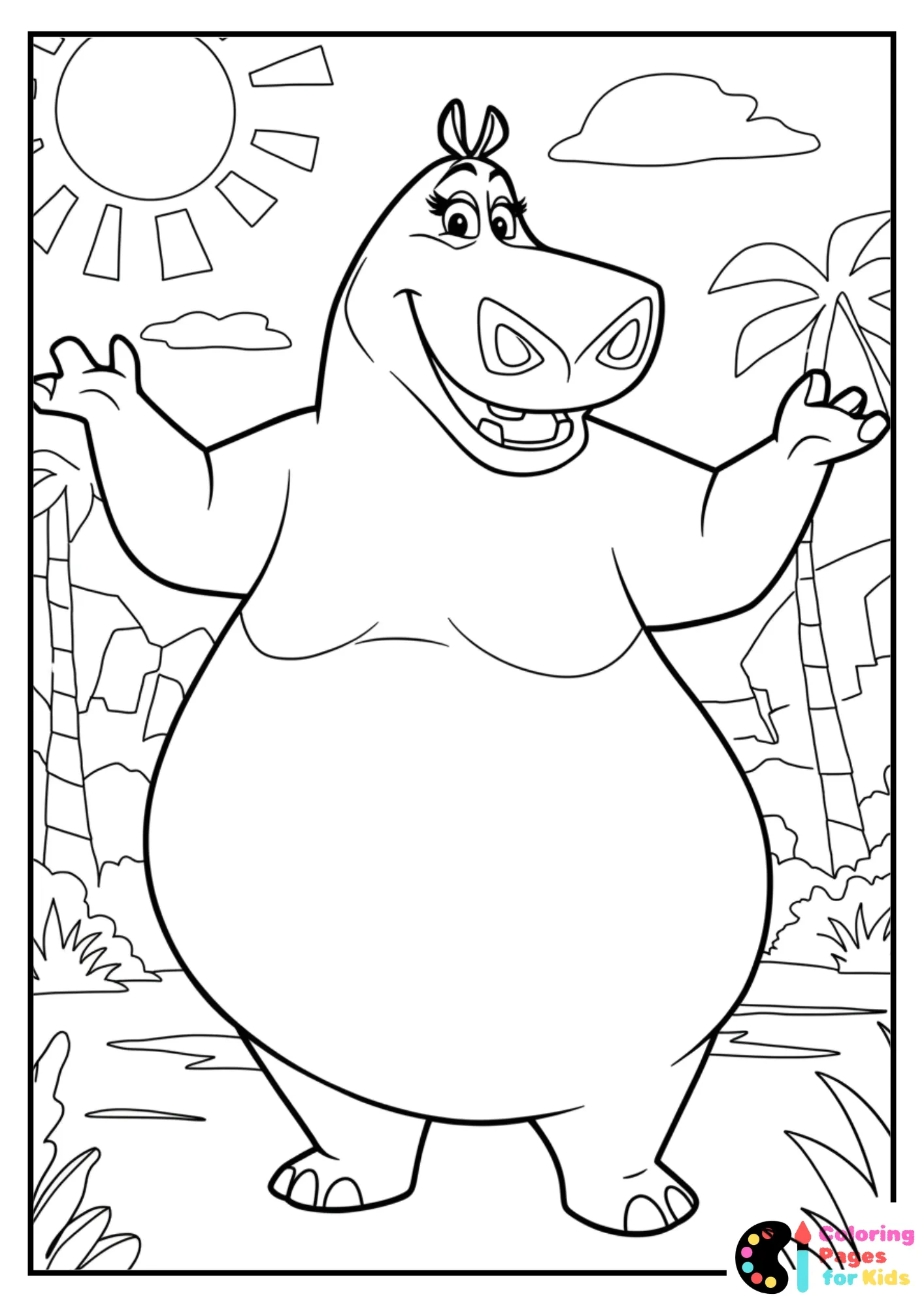
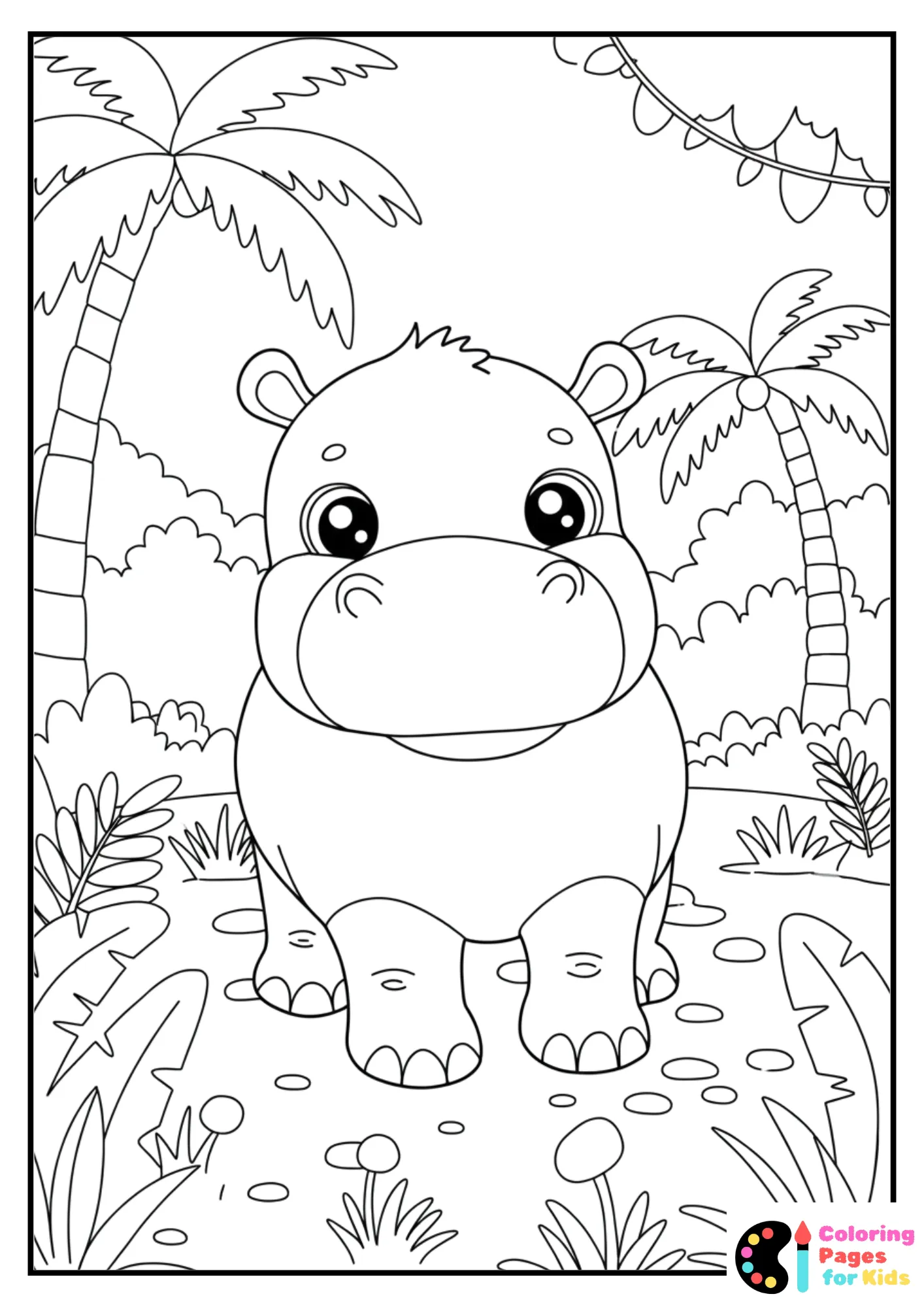
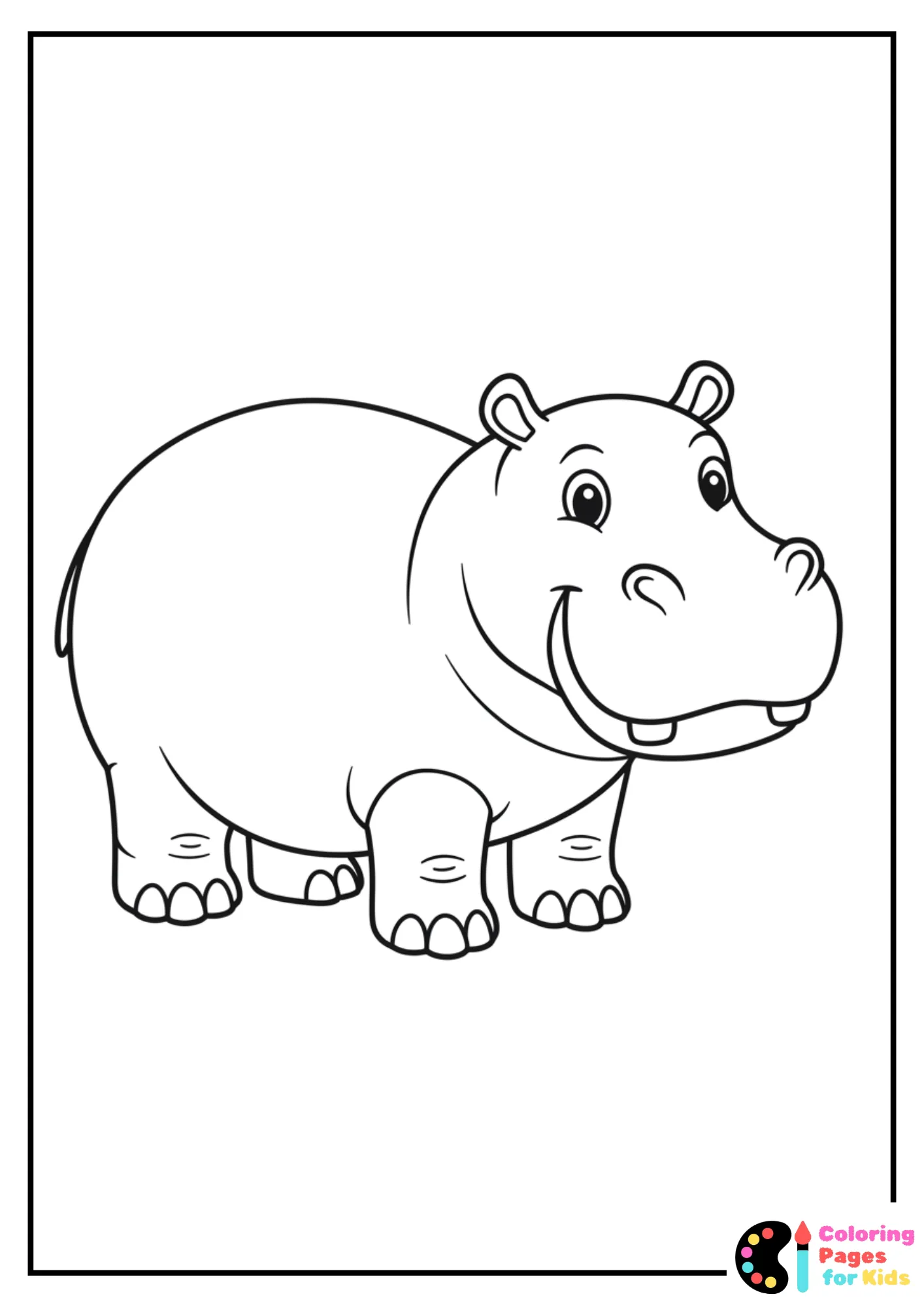


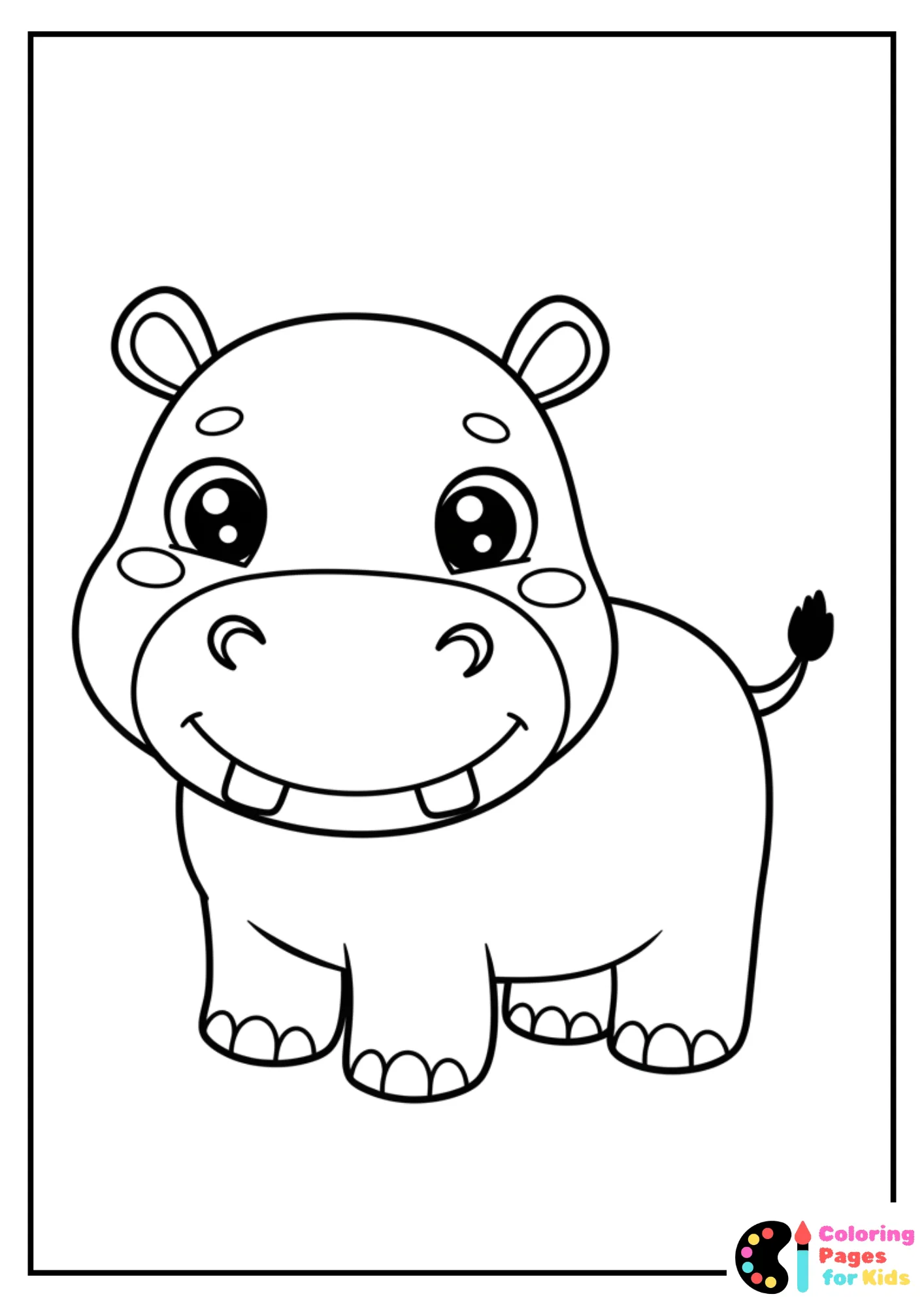
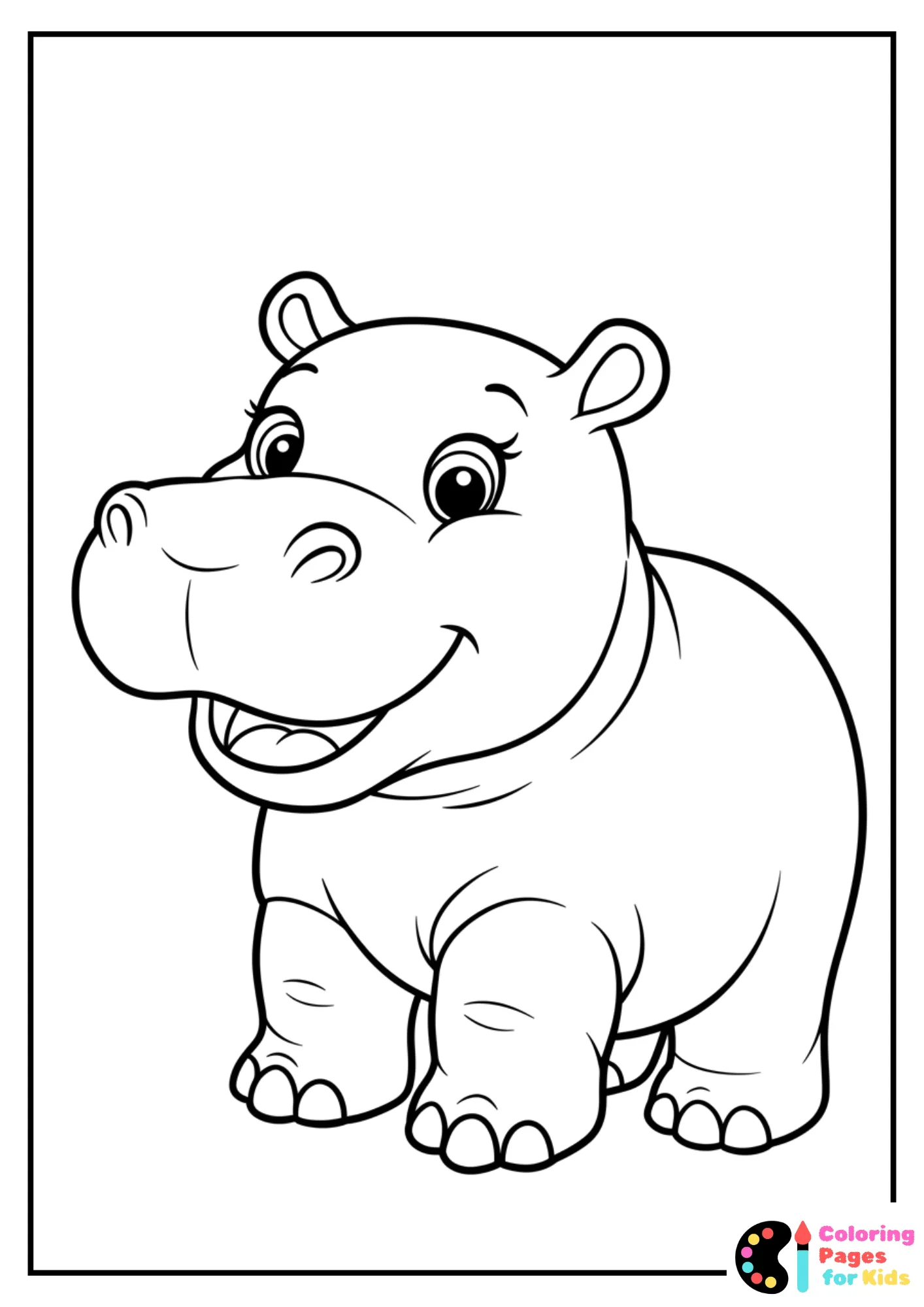
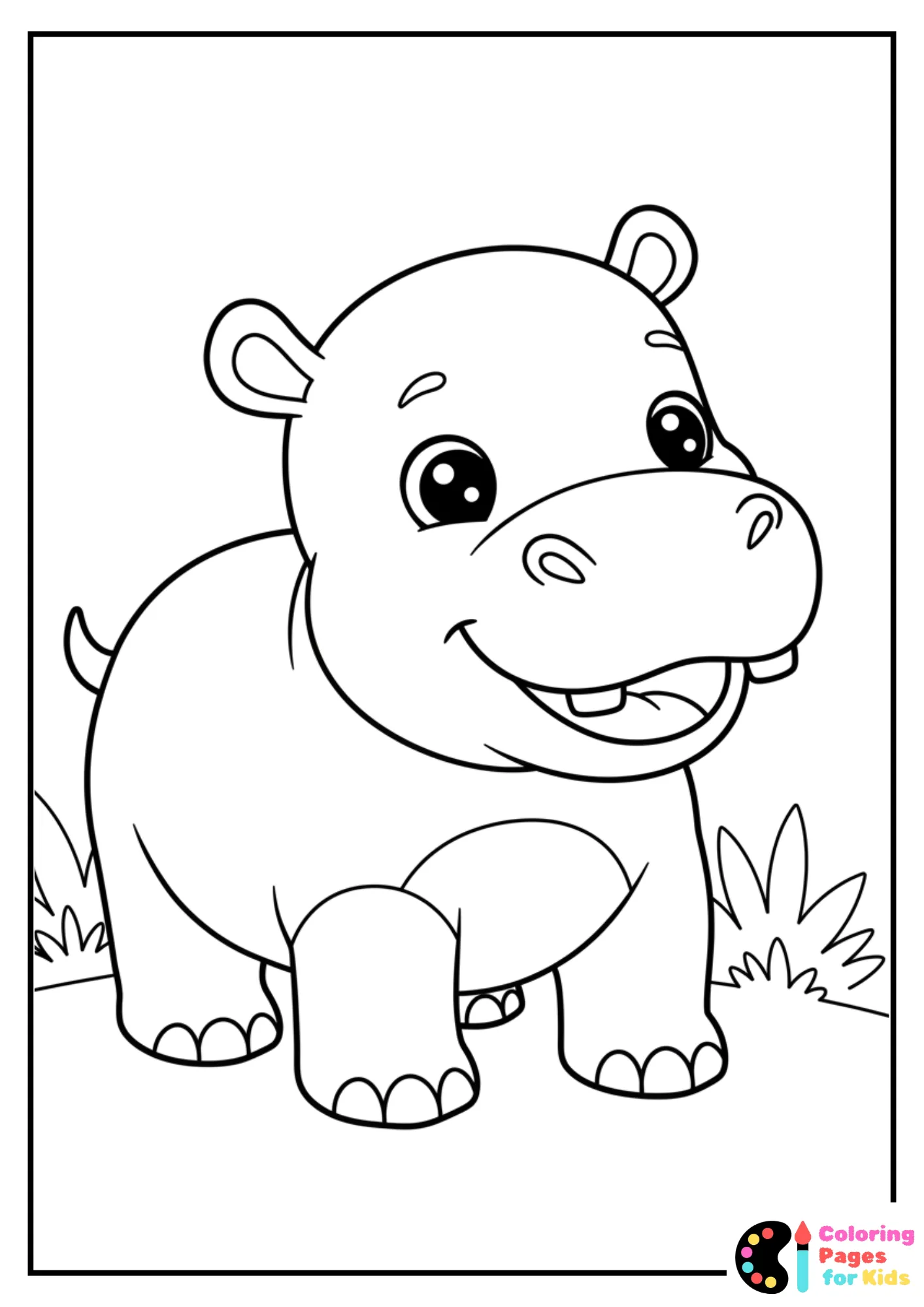

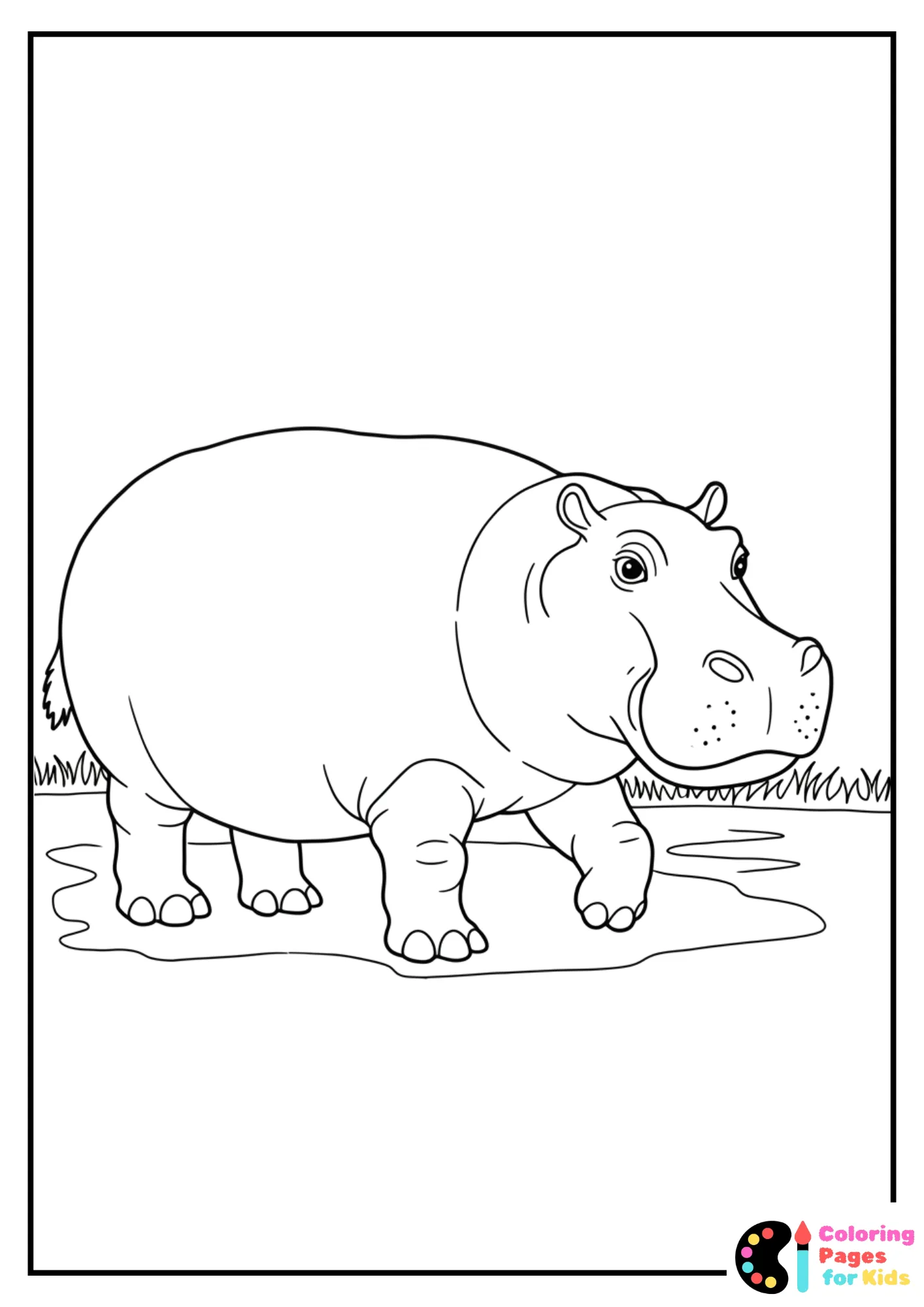
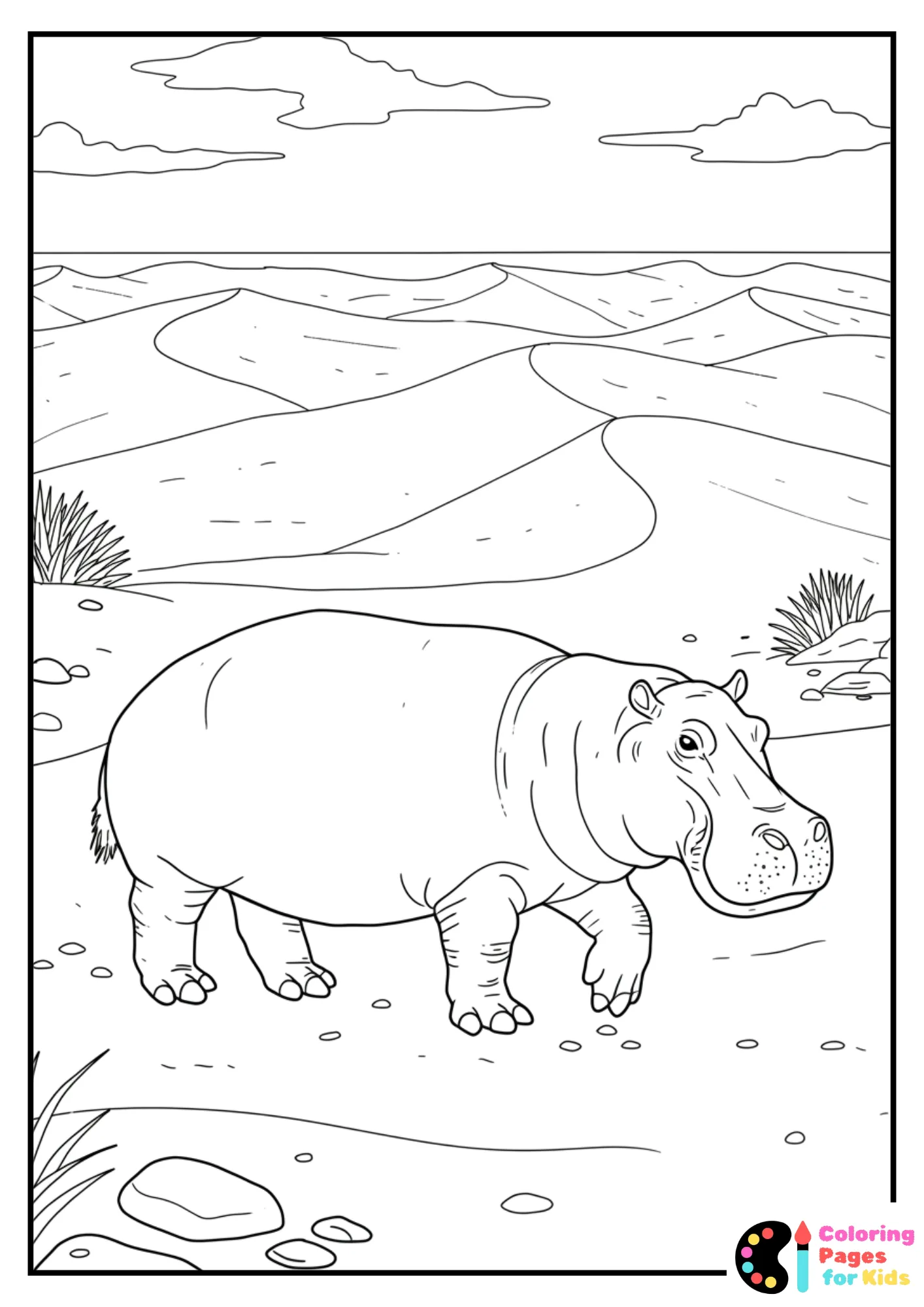
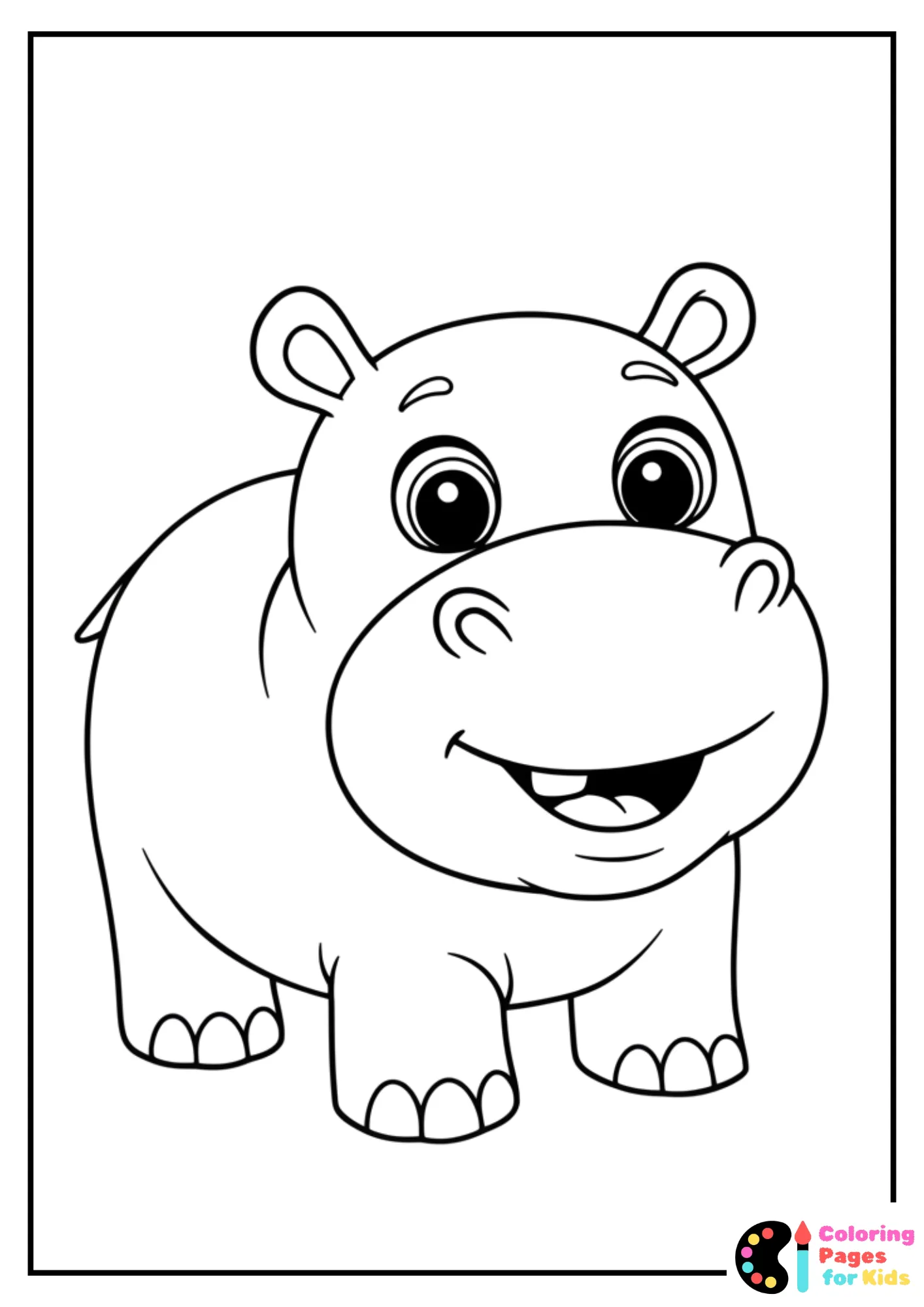
Why Hippo Coloring Sheets Make Perfect Craft Materials
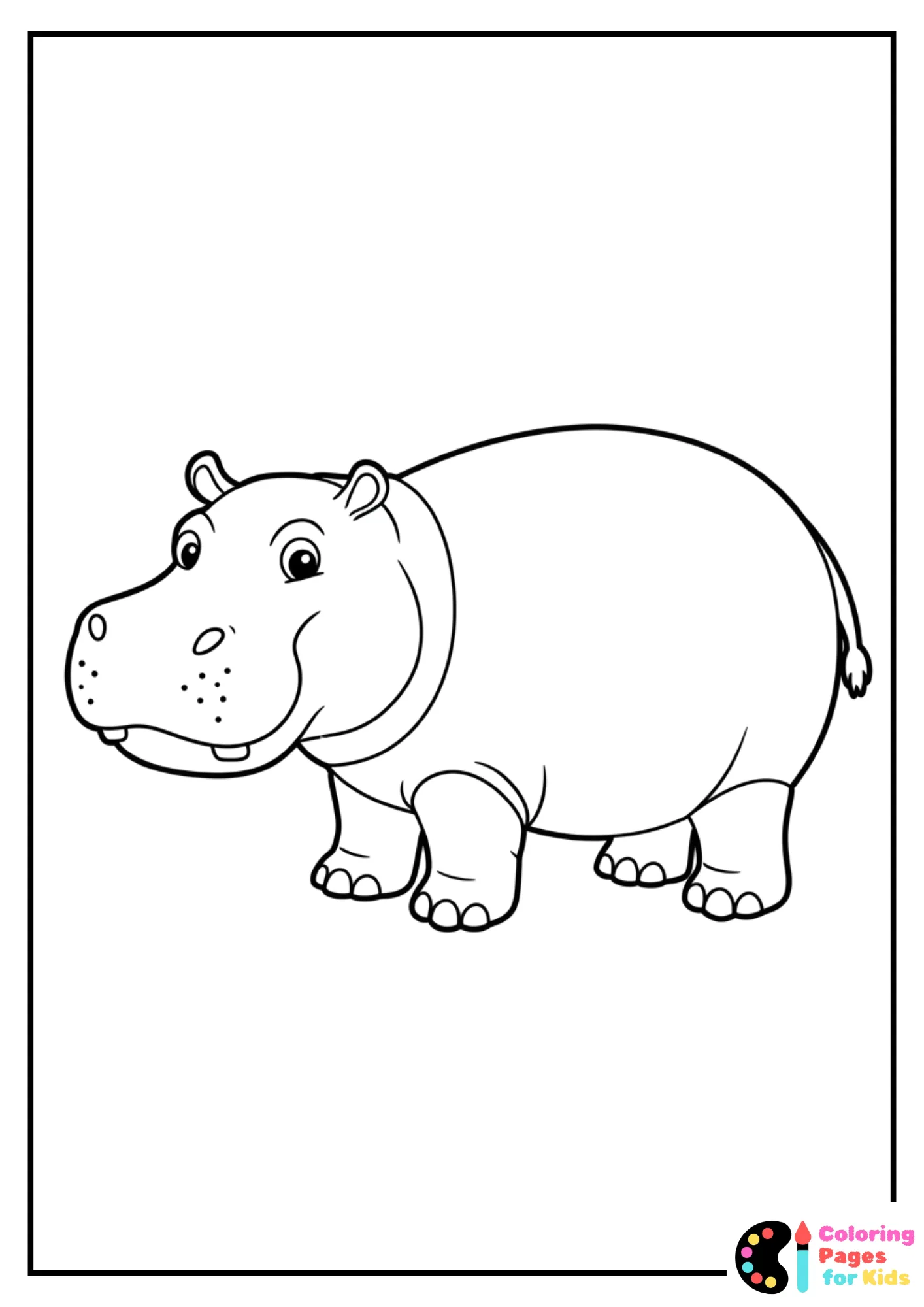
Hippos possess naturally appealing characteristics that make them ideal subjects for creative projects. Arts and crafts activities allow kids to experiment with colors while practicing patience and hand-eye coordination, and active features—their wide mouths, round bodies, and friendly expressions—provide endless possibilities for transformation. Hippos stand out in the site’s animal coloring pages collection, which offers diverse designs to suit all creative preferences.
Arts and crafts can boost creativity, develop their hand-eye coordination and leave them with an end-product they can show off. The versatility of hippo designs means each project can be adapted for different age groups, skill levels, and creative preferences.
Educational Benefits of Craft-Based Coloring Activities
Before diving into our creative projects, it’s essential to understand the developmental advantages these activities provide:
- Fine Motor Skills Development: Cutting, gluing, and manipulating materials strengthen the hand muscles necessary for writing
- Problem-Solving Enhancement: Each project requires planning, sequencing, and creative decision-making
- Spatial Awareness Improvement: Understanding how pieces fit together develops geometric thinking
- Confidence Building: Completing tangible projects provides a sense of accomplishment and pride
Studies show that just 10–15 minutes of coloring daily can decrease stress, sharpen creative thinking, and improve fine-motor coordination, making these craft projects both enjoyable and beneficial for cognitive development.
10 Amazing Craft Ideas Using Hippo Coloring Sheets
1. Interactive Hungry Hippo Snack Tray
Transform mealtime into an adventure with this engaging serving tray that makes healthy snacking irresistibly fun.
Materials Needed:
- Clear plastic or glass tray
- Completed hippo coloring page
- Permanent adhesive or contact paper
- Scissors
- Laminating sheets (optional)
Step-by-Step Instructions: Start by selecting a hippo coloring page featuring an open mouth—this becomes the focal point of your creation. Color your hippo with vibrant, food-safe colors if using washable materials. Carefully cut out the hippo, leaving some background space for easier positioning.
Clean your transparent tray thoroughly and ensure it’s scorched. Apply adhesive to the bottom exterior of the tray, then position your colored hippo strategically so its mouth aligns with where you’ll store snacks. For durability, consider laminating the image before attachment.
Creative Variations:
- Create seasonal versions with different hippo expressions
- Add multiple small hippos around the tray setter
- Include educational elements like alphabet letters or numbers near the hippo.
Age Recommendation: Ages 4-12, with adult supervision for younger children during cutting phases.
2. Ingenious Hippo Storage Envelope
Design a whimsical organizational solution that keeps small items secure while adding personality to any space.
Materials Needed:
- Two identical hippo coloring pages
- Strong craft glue or double-sided tape
- Scissors with rounded tips
- Ruler for precise measurements
- Optional: hole punch and ribbon for closure
Construction Process: Begin by coloring both hippo pages identically—consistency creates a professional appearance. Trim both pages to matching dimensions, ensuring the hippo’s area remains at the top edge.
Apply adhesive along three edges (left, right, and bottom), leaving the mouth area open as your access point. Press firmly and allow complete drying time. Test the pocket’s strength gently before use.
Practical Applications:
- Homework assignment storage
- Art supply organization
- Small toy collection management
- Travel activity kit component
Storage Capacity: Ideal for papers up to 6×8 inches and lightweight objects under 4 ounces.
3. Dynamic Moving-Mouth Hippo Display
Create an interactive wall decoration that captivates viewers and encourages imaginative play through simple mechanical movement.
Materials Needed:
- Standard paper plate
- Hippo face coloring page
- Sturdy cardboard backing
- Brass fasteners or strong staples
- Hole punch
- String or yarn for hanging
Assembly Instructions: Fold your paper plate in half to create the movable mouth mechanism. Color the interior pink or red to simulate a realistic mouth appearance. Add details like teeth using white paint or paper cutouts.
Color and cut out your hippo’s face, ensuring it’s proportionate to your paper plate mouth. Mount the face on cardboard for stability, then attach the folded plate over the mouth area using fasteners that allow movement.
Create a small handle or tab on the paper plate to enable easy manipulation. When someone moves the plate, the hippo appears to be talking or eating.
Educational Extensions:
- Use for storytelling activities
- Practice alphabet sounds and pronunciation
- Create puppet show performances
- Develop narrative skills through character play
4. Personalized Hippo Food Storage System
Transform ordinary containers into a coordinated hippo-themed organization system that makes storage both functional and delightful.
Materials Needed:
- Various-sized clear containers with lids
- Multiple hippo coloring pages
- Contact paper or laminating sheets
- Permanent markers
- Label maker or stickers
Customization Process: Select containers of different sizes to create a family of hippo storage units. Choose coloring pages with varying expressions and poses to give each container its unique personality.
Color each hippo with different color schemes to help identify contents easily—perhaps green hippos for healthy snacks, blue for art supplies, or red for toy pieces. Laminate each design for moisture protection and longevity.
Carefully measure and cut your laminated hippos to fit the container surfaces. Apply smoothly, avoiding air bubbles that could compromise adhesion over time.
Organization Benefits:
- Visual categorization system
- Child-friendly identification method
- Encourages independent cleanup habits
- Reduces clutter through designated spaces
Maintenance Tips: Clean with a damp cloth only; avoid harsh chemicals that might damage laminated surfaces.
5. Educational Hippo Identity Game
Develop a classroom or family activity that combines creativity with social interaction and memory skills.
Materials Needed:
- White paper plates (one per participant)
- Craft sticks or popsicle sticks
- Elastic bands or string
- Hippo coloring pages matching participant count
- Glue sticks
- Scissors
Game Preparation: Provide each participant with identical hippo coloring pages to ensure fair play. Encourage individual creativity in coloring choices—this becomes part of the identification challenge.
Once coloring is complete, help younger children cut out their hippos and mount them on paper plates. Attach craft sticks as handles for easy maneuvering.
Cut eye holes that allow clear vision while maintaining the hippo’s facial structure. Secure elastic bands for comfortable wearing when creating actual masks.
Game Variations:
- Voice recognition challenges
- Movement mimicry activities
- Character trait guessing games
- Storytelling with character development
Learning Outcomes: Enhances listening skills, promotes social interaction, and develops character recognition abilities. For classroom or group settings, consider combining Friends coloring pages to extend themes of friendship and creative collaboration.
6. Customized Hippo Lunch Box Makeover
Transform plain lunch containers into personalized masterpieces that make mealtime exciting and help prevent mix-ups.
Materials Needed:
- Plain lunch box or container
- Multiple small hippo designs
- Weather-resistant adhesive
- Clear protective coating spray
- Foam brushes for application
Design Strategy: Plan your layout before beginning permanent application. Consider placing larger hippos on main surfaces and smaller ones on handles or corners. Think about how the design will look when the lunch box is both closed and open.
Create themed arrangements—perhaps a hippo family, safari scene, or seasonal celebration. Ensure all edges are properly sealed to prevent peeling during regular use and washing.
Durability Enhancements:
- Apply protective clear coating over all decorated surfaces
- Use food-safe materials for interior decorations
- Choose fade-resistant coloring materials
- Test adhesion on a small area first
Personalization Ideas: Add the child’s name integrated into the hippo design, favorite colors, or elements from beloved stories or characters.
7. Relaxing Hippo Hammock Diorama
Construct a three-dimensional art piece that serves as both a craft project and a decorative element for bedrooms or play areas.
Materials Needed:
- Large poster board or canvas
- Paper plate for hammock creation
- Background coloring materials
- Small fabric scraps for texture
- Cotton balls for clouds (optional)
Construction Technique: Cut a gentle curve from your paper plate to create a realistic hammock shape. The curve should be deep enough to hold your hippo securely but shallow enough to display it prominently.
Mount the hammock on your background surface at an angle that suggests relaxation and comfort. The positioning should create visual interest while maintaining structural integrity.
Color your hippo in restful colors—perhaps soft blues, greens, or sunset oranges. Consider the overall mood you want to create in the final piece. To enrich the diorama backdrop, blend architecture-themed designs like miniature structures or bridges from our Architecture coloring pages for Kids into your scene.
Background Development: Create an environment that supports your narrative. This might include:
- Tropical paradise with palm trees
- Backyard setting with flowers
- Safari landscape with distant mountains
- Fantasy realm with magical elements
Display Suggestions: Frame the completed diorama for gift-giving or create a series depicting different hippo adventures.
8. Three-Dimensional Hippo Sculpture
Advance beyond flat crafts by creating a dimensional hippo that stands independently and provides tactile interaction opportunities.
Materials Needed:
- Styrofoam bowl (medium size)
- Construction paper in various colors
- Pom-poms (white for teeth, pink for nose)
- Wiggle eyes or buttons
- Strong craft glue
- Pipe cleaners for details
Sculpture Assembly: Begin with your styrofoam bowl as the hippo’s body foundation. This provides stability and shape while remaining lightweight enough for safe play.
Cut your colored hippo body from the coloring page and carefully wrap it around the bowl, securing with appropriate adhesive. Ensure smooth application without wrinkles that might affect the final appearance.
Create the distinctive hippo mouth using construction paper shaped in a large “U” formation. The interior should be vibrant red or pink to simulate a realistic mouth appearance.
Detail Enhancement: Add personality through carefully chosen features:
- Position wiggle eyes for maximum expression
- Use pom-poms strategically for textural interest
- Incorporate pipe cleaners for whiskers or tail details
- Consider adding moveable parts for interactive play
Safety Considerations: Ensure all small parts are securely attached, especially when creating projects for younger children.
9. Interactive Hippo Paper Bag Puppet
Design an engaging puppet that encourages storytelling, dramatic play, and social interaction through performance.
Materials Needed:
- Brown or white paper lunch bags
- Hippo coloring pages
- Pink or red markers for the mouth interior
- White puffy paint or small cotton pieces
- Glue stick
- Scissors
Puppet Construction: Strategically divide your hippo design into head and body sections. The head portion will attach to the bottom flap of your paper bag, while the body section adheres to the main bag area.
Pay special attention to mouth placement—this becomes the puppet’s primary interactive feature. Color the interior space with vibrant pink or red, adding texture with puffy paint for a realistic appearance.
Performance Enhancement Features:
- Create varied facial expressions for different moods
- Add accessories like hats, bow ties, or jewelry
- Develop distinctive voice characteristics for your hippo
- Write simple scripts for puppet show performances
Educational Applications:
- Language development through dialogue creation
- Emotional expression and recognition
- Confidence-building through performance
- Social skills through interactive play
Storage and Care: Store flat to prevent crushing; avoid moisture that might weaken the paper bag structure.
10. Functional Hippo Pincushion
Combine creativity with practical utility by creating a sewing accessory that brings joy to functional spaces.
Materials Needed:
- Circular corkboard (4-6 inches in diameter)
- Large craft pom-pom for dimensional body
- Completed hippo coloring page
- Decorative elements (ribbons, buttons, fabric scraps)
- Strong adhesive suitable for varied materials
Assembly Process: Select a hippo design with a friendly, welcoming expression—this creates positive associations with the functional object—color with vibrant, cheerful hues that complement your intended display space.
Carefully cut out your hippo and mount it securely on the corkboard surface. The positioning should leave adequate space for pin insertion while maintaining visual appeal.
Attach your large pom-pom to create a dimensional belly area that serves as the primary pincushion surface. Choose colors that harmonize with your hippo’s coloring scheme.
Functional Considerations:
- Ensure the corkboard quality is appropriate for repeated pin insertion
- Test adhesive strength with different pin types and weights
- Consider adding a protective backing to prevent surface damage
- Size appropriately for intended use frequency
Gift Potential: This makes an excellent handmade gift for crafting enthusiasts, combining personal creativity with practical value.
Advanced Techniques for Enhanced Results
Color Theory Applications
Understanding basic color relationships elevates your projects from simple crafts to sophisticated artistic expressions. Consider these principles when planning your hippo transformations:
Complementary Color Schemes: Use opposite colors on the color wheel (like blue and orange) to create vibrant, eye-catching projects that command attention.
Analogous Harmony: Select colors adjacent on the color wheel (such as blue, blue-green, and green) for peaceful, coordinated appearances perfect for bedroom decorations.
Monochromatic Sophistication: Work within a single color family using various shades and tints to create elegant, unified designs suitable for formal display areas.
Durability and Longevity Tips
Protect your creative investments with these preservation strategies:
Material Selection: Choose archival-quality papers and fade-resistant coloring materials when creating projects intended for long-term display or frequent use.
Protective Coatings: Apply appropriate sealers based on project function—matte finishes for artwork, glossy coatings for frequently handled items.
Storage Solutions: Create dedicated storage spaces for completed projects, using acid-free materials that prevent deterioration over time.
Troubleshooting Common Craft Challenges
Adhesion Problems
When materials won’t stick properly, consider these solutions:
- Clean all surfaces thoroughly before application
- Use appropriate adhesives for material combinations
- Allow adequate drying time between assembly steps
- Test adhesion strength on sample materials first
Color Bleeding Issues
Prevent unwanted color migration through these techniques:
- Use high-quality coloring materials designed for craft applications
- Apply light coats rather than saturating surfaces
- Allow complete drying between color applications
- Consider barrier coatings when combining wet and dry materials
Structural Integrity Concerns
Ensure your projects withstand regular use:
- Reinforce stress points with additional support materials
- Choose appropriate base materials for the project’s weight and function
- Test construction techniques on sample pieces before final assembly
- Plan for expansion and contraction in changing environmental conditions
Seasonal and Themed Variations
Holiday Adaptations
Transform basic hippo crafts into seasonal celebrations:
Winter Wonderland: Add cotton ball snow, silver glitter accents, and cool color palettes to create magical winter scenes.
Spring Garden: Incorporate flower elements, pastel colors, and growth themes that celebrate renewal and fresh beginnings.
Summer Safari: Use warm, earthy tones with tropical elements that evoke adventure and exploration themes.
Autumn Harvest: Include rich oranges, reds, and browns with leaf patterns and cozy autumn imagery.
Educational Theme Integration
Connect your hippo crafts to learning objectives:
Science Connections: Explore hippo habitats, diet, and behavior through craft elements that reflect real-world animal knowledge.
Geography Lessons: Incorporate African landscapes, river systems, and cultural elements from hippo native regions.
Literature Links: Connect crafts to favorite books featuring hippo characters, extending reading comprehension through hands-on activities.
Mathematical Applications: Use crafts to teach measurement, geometry, patterns, and counting skills through practical application.
Safety Guidelines for All Age Groups
Age-Appropriate Tool Selection
Ages 3-5: Focus on tear-resistant papers, washable materials, and tools designed specifically for small hands—adult supervision required for all cutting activities.
Ages 6-8: Introduce child-safe scissors, glue sticks, and basic measuring tools while maintaining close supervision during complex assembly phases.
Ages 9-12: Allow independence with standard craft tools while teaching proper safety techniques and material handling procedures.
Teen and Adult: Encourage experimentation with advanced materials and techniques while emphasizing workspace organization and project planning.
Workspace Safety Considerations
Establish safe crafting environments through these practices:
- Ensure adequate lighting for detailed work
- Provide proper seating and table height for comfort
- Keep first aid supplies accessible during all crafting sessions
- Maintain clean, organized workspaces that prevent accidents
- Store materials safely between crafting sessions
Storage and Display Solutions
Project Portfolio Development
Create systems for preserving and showcasing completed works:
Documentation: Photograph projects at various completion stages to track skill development and creative growth over time.
Organization: Develop filing systems that allow easy retrieval of favorite projects and reference materials for future inspiration.
Display Rotation: Plan changing displays that keep living spaces fresh while honoring creative achievements appropriately.
Gift and Sharing Opportunities
Transform projects into meaningful gifts:
Personalization: Adapt basic techniques to create unique presents that reflect the recipient’s interests and personalities.
Presentation: Package completed crafts thoughtfully using coordinating materials that enhance the overall gift experience.
Documentation: Include creation stories or technique explanations that add personal value to handmade presents. These hippo crafts also make heartwarming keepsakes—pair them with Father’s Day coloring pages for kids to create a personalized, themed gift.
Transforming Simple Coloring Into Lasting Memories
These 10 innovative Hippo Coloring Sheets (Free PDF Printables) craft projects demonstrate how basic coloring activities can evolve into meaningful, functional, and educational experiences. Each project builds essential skills while creating tangible results that participants can proudly display, use, and share with others.
The beauty of these crafts lies not just in their final appearance but in the process of creation itself. Arts and crafts can boost a child’s creativity, develop their hand-eye coordination and leave them with an end-product they’re proud to show off. Whether you’re creating memories with family, engaging students in meaningful learning, or simply exploring your own creative potential, these projects provide frameworks for countless hours of productive, enjoyable activity.
Remember that the most successful crafts come from experimentation and personalization. Use these ideas as starting points for your own creative journey, adapting techniques and materials to match your unique vision and circumstances. The goal isn’t perfection—it’s engagement, learning, and the satisfaction that comes from transforming simple materials into something extraordinary.
Start with whichever project most captures your imagination, gather your materials, and begin creating. Your hippo coloring pages are waiting to become something amazing, and these craft ideas provide the roadmap for that magical transformation. Happy crafting!