

Food Coloring Pages for Children (Free PDF Printables)
Imagine turning simple food coloring pages into stunning educational masterpieces that spark creativity while teaching valuable life skills. Whether you’re a parent seeking engaging activities or an educator looking for innovative classroom projects, these craft ideas will revolutionize how you use food coloring pages beyond traditional coloring.
Food coloring pages aren’t just about staying within the lines anymore. These versatile learning tools have evolved into powerful educational resources that combine artistic expression with practical skills development. Research shows that coloring activities help children develop critical thinking abilities, social skills, fine motor skills, and hand strength while setting them up for improved writing skills.
In this comprehensive guide, you’ll discover 15 innovative craft projects that transform ordinary food coloring pages into extraordinary learning experiences. From kitchen decorations to educational tools, these ideas will keep children engaged while reinforcing essential concepts about nutrition, creativity, and practical life skills.


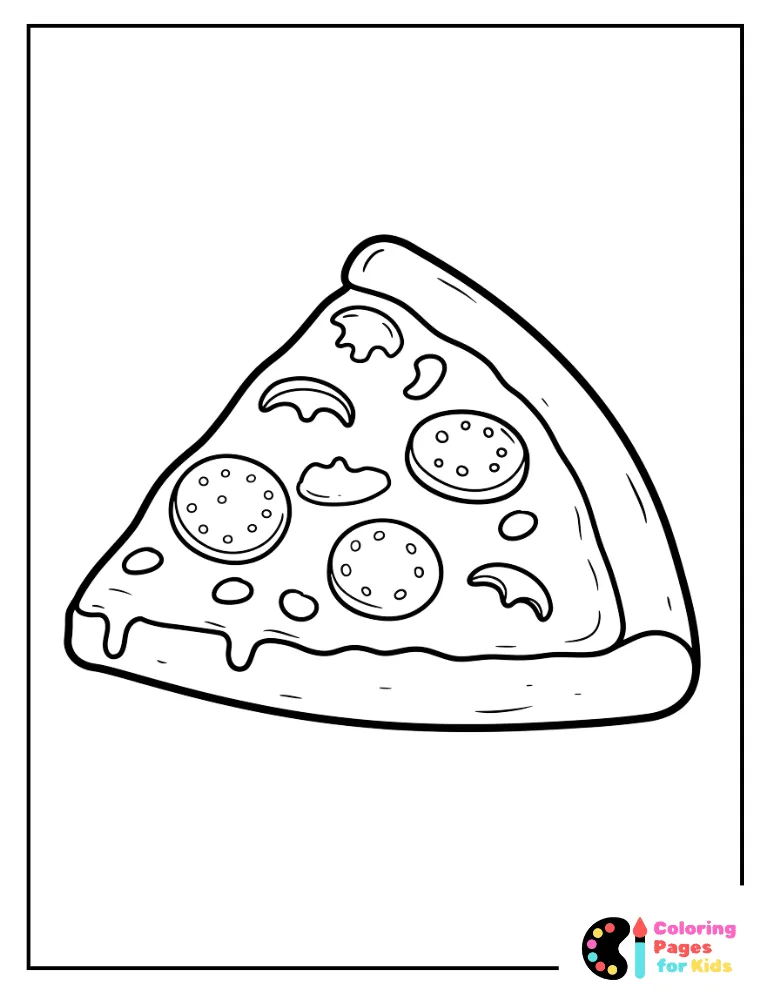

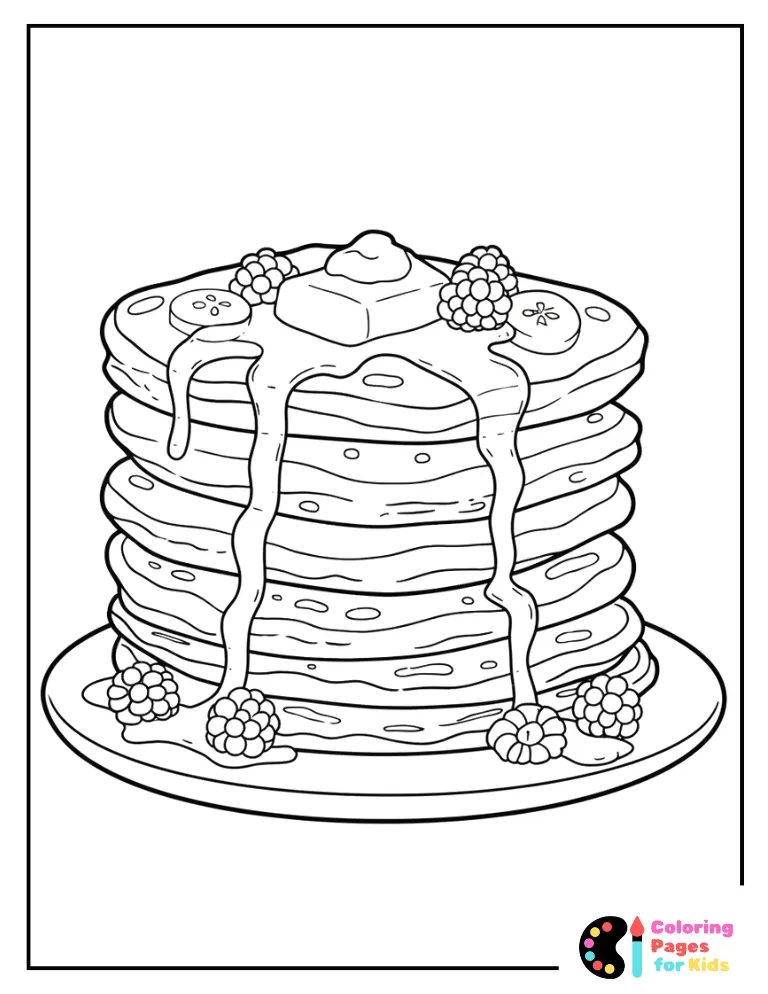


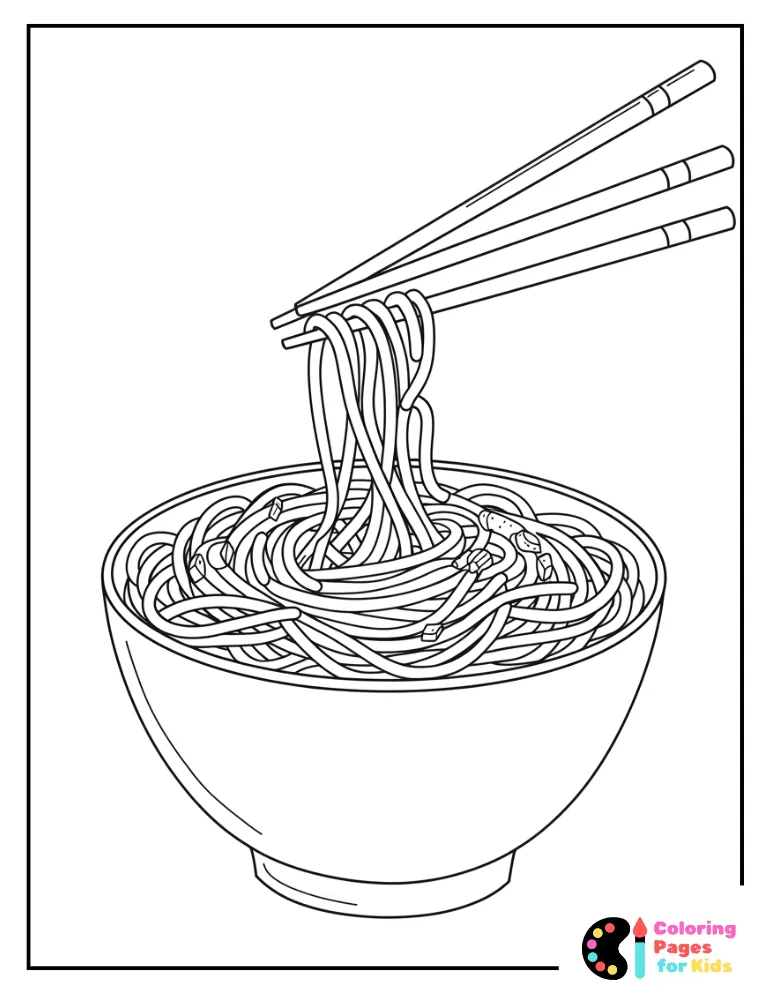


Why Food Coloring Sheets Are Perfect for Educational Crafts
Food-themed coloring activities offer unique advantages over generic coloring books. When children color healthy food illustrations, they become more familiar with nutritious options such as fruits, vegetables, grains, and proteins, helping memorably reinforce balanced eating concepts.
The educational benefits extend far beyond nutrition awareness:
Developmental Advantages:
- Enhanced fine motor skill development through precise coloring and cutting
- Improved hand-eye coordination during craft assembly
- Strengthened cognitive abilities through following multi-step instructions
- Boosted creativity through color choices and design decisions
Learning Opportunities:
- Food group identification and classification
- Cultural awareness through diverse food representations
- Mathematical concepts through measuring and organizing activities
- Language development through descriptive vocabulary building
15 Innovative Craft Ideas to Do With Food Coloring Pages
1. Interactive Food Pyramid Learning Center
Transform your finished food coloring pages into an educational masterpiece that teaches nutritional balance. Start with a large poster board on which you draw the classic food pyramid structure. Have children color various food items and carefully cut them out, ensuring clean edges for professional-looking results.
Materials Needed:
- Large poster board (24×36 inches recommended)
- Multiple food coloring pages featuring diverse items
- Child-safe scissors and glue sticks
- Laminating sheets for durability
This classroom-favorite project encourages collaborative learning while reinforcing healthy eating habits. Each child contributes different food items, creating ownership and engagement in the learning process.
2. Decorative Cornucopia Centerpiece
Create a stunning autumn display using multiple food coloring pages and simple materials. This project combines artistic skills with seasonal awareness, making it perfect for Thanksgiving celebrations or harvest-themed units.
Step-by-Step Process:
- Color 6-7 paper plates in autumn shades (orange, brown, yellow, red)
- Fan the plates from left to right, overlapping slightly
- Cut the final plate into a crescent shape for the cornucopia’s tail
- Arrange colored food cutouts on the first plate
- Secure everything with strong craft glue
The finished cornucopia serves as both decoration and a conversation starter about gratitude and abundance.
3. Personalized Recipe Card Collection
Design original recipe cards that combine practical cooking skills with artistic expression. This project works exceptionally well for children aged 8-12 who are beginning to show interest in cooking.
Creative Enhancement Tips:
- Use colored index cards that complement the food illustrations
- Encourage children to write family recipes or create imaginary ones
- Add protective lamination for kitchen durability
- Create themed collections (breakfast, snacks, desserts)
These personalized cards make wonderful gifts for family members and help children connect with cultural food traditions.
4. Kitchen Cutting Board Art Display
Transform plain wooden cutting boards into functional kitchen art pieces. This advanced craft project teaches children about protecting artwork while creating something genuinely useful for the home.
Materials and Process:
- Small wooden cutting boards (8×10 inches work best)
- Clear protective coating (child-safe acrylic sealer)
- Strong adhesive suitable for wood surfaces
- Felt backing for counter protection
The key to success lies in proper preparation and sealing techniques that preserve the artwork while maintaining food safety standards.
5. Frozen Food Organization System
Create a fun and functional labeling system for frozen food storage. This practical craft teaches organizational skills while making kitchen management more enjoyable for the whole family.
Implementation Strategy:
- Color food pages representing everyday frozen items
- Cut into uniform rectangular labels
- Laminate each piece for freezer durability
- Add magnetic backing for easy repositioning
- Create a master chart showing all available labels
This system particularly appeals to visual learners who benefit from pictorial organization methods.
6. Lunch Box Customization Project
Help children take ownership of their lunch experience through personalized lunch box decoration. This craft builds pride in healthy eating choices while creating unique personal items.
Design Considerations:
- Choose food illustrations that match the child’s preferences
- Consider seasonal themes for ongoing engagement
- Use weather-resistant materials for durability
- Include the child’s name or initials for personalization
The psychological impact of eating from a personalized lunch box often encourages better eating habits and reduced food waste. Enhance your child’s creativity in the heart of the home with these fun and educational kitchen coloring pages—a perfect companion to your food-themed craft activities.
7. Cookbook Cover Makeover
Breathe new life into old or worn cookbooks through creative cover redesign. This restoration project teaches children about caring for books while creating family keepsakes.
Advanced Techniques:
- Layer multiple food illustrations for depth
- Add texture through fabric or textured paper elements
- Include family photos alongside food artwork
- Create themed sections with coordinating designs
Children learn valuable lessons about preservation and creativity while contributing to family heritage. Pair your finished craft with themed Mother’s Day coloring pages for memorable gifts or décor.
8. Cookie Jar Transformation
Convert plain storage containers into delightful kitchen accessories that encourage healthy snacking habits. This project works with glass, plastic, or metal containers of various sizes.
Decoration Methods:
- Create pattern repeats using multiple food cutouts
- Layer translucent materials for depth effects
- Add dimensional elements with foam adhesive
- Include motivational messages about healthy eating
The finished jars become conversation pieces that promote positive food relationships.
9. Educational Food Memory Game
Design a custom memory-matching game using pairs of identical food illustrations. This project combines craft creation with cognitive skill development.
Game Development Process:
- Create pairs of identical colored food items
- Mount on sturdy cardstock backing
- Laminate for durability and easy cleaning
- Add a storage container with custom labeling
- Include instruction cards with variations
This educational game reinforces food recognition while developing memory and concentration skills.
10. Seasonal Food Calendar
Construct a year-round learning tool that teaches seasonal eating concepts and planning skills. This ambitious project spans multiple months and creates lasting educational value. Just as back-to-school coloring pages support preparing for the school year, the Seasonal Food Calendar helps children interactively anticipate seasonal foods.
Calendar Features:
- Monthly themes highlighting seasonal foods
- Interactive elements that change throughout the year
- Weather-resistant materials for outdoor display options
- Cultural celebrations incorporating traditional foods
The calendar becomes a family reference tool that encourages seasonal eating awareness.
11. Restaurant Menu Design Workshop
Create realistic restaurant menus using food coloring pages as visual elements. This sophisticated project introduces business concepts while reinforcing reading and math skills.
Professional Elements:
- Price calculations and menu mathematics
- Customer preference surveys and data collection
- Marketing language and descriptive writing
- Visual design principles and layout concepts
Children learn practical business skills while exploring career possibilities in the food service industry.
12. Nutritional Information Display Board
Develop an interactive learning station that combines food illustrations with nutritional facts and health information. This advanced project suits older elementary students and promotes health literacy.
Information Categories:
- Vitamin and mineral content visualization
- Calorie comparisons between similar foods
- Origin stories of different cultural dishes
- Preparation method demonstrations
The display becomes a reference resource for ongoing nutrition education and family meal planning discussions.
13. Garden Planning Map
Use food coloring pages to create vegetable garden layout plans that connect food sources with consumption. This project bridges the gap between agriculture and nutrition education.
Planning Elements:
- Seasonal planting schedules aligned with local climate
- Companion planting relationships between vegetables
- Harvest timing and preservation methods
- Space allocation and garden design principles
Children develop an appreciation for food production while learning practical gardening skills.
14. Cultural Food Exploration Scrapbook
Document food traditions from different cultures using themed coloring pages and research projects. This multicultural approach broadens children’s worldview while celebrating diversity.
Research Components:
- Historical significance of traditional dishes
- Geographic influences on local cuisines
- Family interview projects about cultural food memories
- Recipe collection and adaptation exercises
The scrapbook becomes a treasured family resource that preserves cultural knowledge across generations.
15. Food Science Experiment Journal
Combine food coloring pages with hands-on science experiments that explore cooking chemistry and food properties. This STEM-focused project integrates art with scientific inquiry.
Experiment Categories:
- Color-changing reactions in cooking processes
- Texture modifications through different preparation methods
- Preservation techniques and food safety principles
- Nutritional content analysis and comparison studies
Children develop scientific thinking skills while maintaining detailed observation records and artistic documentation.
Essential Materials and Tools for Food Coloring Sheet Crafts
Basic Craft Supplies
Cutting and Assembly Tools:
- Child-safe scissors with comfortable grips
- Precision craft knives for adult supervision tasks
- Cutting mats to protect work surfaces
- Metal rulers for straight-line cutting
Adhesive Options:
- Washable glue sticks for temporary projects
- Permanent craft glue for durable applications
- Double-sided tape for clean, invisible attachment
- Magnetic strips for removable displays
Protective Materials
Preservation Supplies:
- Laminating sheets in various sizes
- Clear contact paper for budget-friendly protection
- Acrylic sealers are appropriate for children’s use
- UV-resistant coatings for sun-exposed projects
Enhancement Materials
Texture and Dimension Additions:
- Foam adhesive dots for raised elements
- Fabric scraps for tactile interest
- Metallic markers for accent details
- Textured papers for background variety
Age-Appropriate Project Selection Guide
Preschool Ages (3-5 Years)
Focus on simple cutting, gluing, and basic color recognition activities. Projects should emphasize large motor movements and safety-first approaches.
Recommended Projects:
- Basic cornucopia creation with adult assistance
- Simple cookie jar decoration
- Large-piece memory games
Elementary Ages (6-10 Years)
Introduce more complex assembly techniques and multi-step processes. Children can handle detailed cutting and begin understanding measurement concepts.
Suitable Activities:
- Recipe card creation with writing practice
- Lunch box customization projects
- Food pyramid learning centers
Middle School Ages (11-14 Years)
Challenge students with sophisticated design concepts and practical applications. Projects can incorporate research elements and community connections.
Advanced Projects:
- Restaurant menu design workshops
- Cultural food exploration research
- Garden planning and implementation
Educational Benefits and Learning Outcomes
Cognitive Development
Food coloring page crafts stimulate multiple areas of brain development simultaneously. Children practice problem-solving skills when determining how to arrange elements effectively, while spatial reasoning develops through three-dimensional construction activities.
Mathematical Concepts:
- Measurement and proportion understanding
- Pattern recognition and repetition
- Basic geometry through shape manipulation
- Counting and sorting skills development
Social and Emotional Growth
Collaborative craft projects build essential social skills while individual projects boost self-confidence and personal expression. Children learn to share materials, take turns, and appreciate diverse creative approaches.
Communication Skills:
- Vocabulary expansion through food-related terminology
- Presentation skills when sharing completed projects
- Listening abilities during group instruction periods
- Cultural sensitivity through diverse food exploration
Physical Development
The grip of coloring utensils and drawing precision helps children develop fine motor skills and hand strength, setting them up for improved writing skills. Craft assembly activities further enhance these physical capabilities through varied manipulation requirements.
Motor Skill Enhancement:
- Hand-eye coordination through precise cutting
- Finger strength development via minor object manipulation
- Bilateral coordination using both hands simultaneously
- Visual tracking skills during detailed work
Safety Considerations and Best Practices
Material Safety Guidelines
Always prioritize child-safe materials and age-appropriate tools. Read all product labels carefully and maintain adult supervision during potentially hazardous activities.
Essential Safety Measures:
- Use non-toxic adhesives and protective coatings
- Provide adequate ventilation during sealing activities
- Maintain organized workspaces to prevent accidents
- Keep first aid supplies readily accessible
Supervision Requirements
Different age groups require varying levels of adult involvement. Establish clear guidelines about tool usage and safety boundaries before beginning any project.
Age-Specific Supervision:
- Constant supervision for preschool children
- Nearby assistance availability for elementary ages
- Periodic check-ins for middle school students
- Emergency contact information is always accessible
Storage and Organization Solutions
Project Management Systems
Successful craft programs require efficient organization methods that keep materials accessible while maintaining workspace cleanliness.
Storage Categories:
- Completed project display areas
- Work-in-progress holding zones
- Material supply organization systems
- Tool accessibility and safety storage
Cleanup Procedures
Establish consistent cleanup routines that teach responsibility while maintaining craft area readiness for future activities.
Cleanup Strategies:
- Individual responsibility assignments
- Group cooperation for shared spaces
- Material inventory and restocking procedures
- Quality control checks for proper storage
Transforming Simple Coloring Into Lifelong Learning
Food coloring pages offer far more potential than simple, quiet-time activities. Through thoughtful craft integration, these humble resources become powerful educational tools that develop multiple skill sets while maintaining high engagement levels.
The 15 craft ideas presented here represent just the beginning of creative possibilities. Adapt these concepts to match your specific needs, available materials, and learning objectives. Remember that the process often matters more than the final product – children gain valuable experiences through every step of creation.
Whether you’re supporting classroom learning objectives or seeking meaningful family activities, food coloring page crafts provide structured creativity that builds confidence while developing practical skills. Start with simple projects and gradually increase complexity as children’s abilities and interests grow.
These craft experiences create lasting memories while establishing positive associations with learning, creativity, and healthy food choices. The skills developed through hands-on creation transfer to academic success and lifelong learning appreciation.
Begin your food coloring page craft journey today and discover how simple materials can create extraordinary educational experiences that children will treasure long after the glue dries and the colors fade.


