Clock Coloring Pages for All (Free PDF Printable)
Transform your child’s learning experience with these ingenious craft projects that turn simple clock coloring pages into extraordinary educational adventures. Whether you’re a parent seeking engaging time-telling activities or an educator looking for hands-on learning tools, these creative clock coloring page craft ideas will revolutionize how children understand and interact with time concepts.
The beauty of combining coloring with crafting lies in its dual educational benefit—children develop fine motor skills while simultaneously mastering time-telling fundamentals. These innovative projects extend the life of your printed materials, creating lasting memories and practical learning tools that children will treasure long after the crayons are put away.


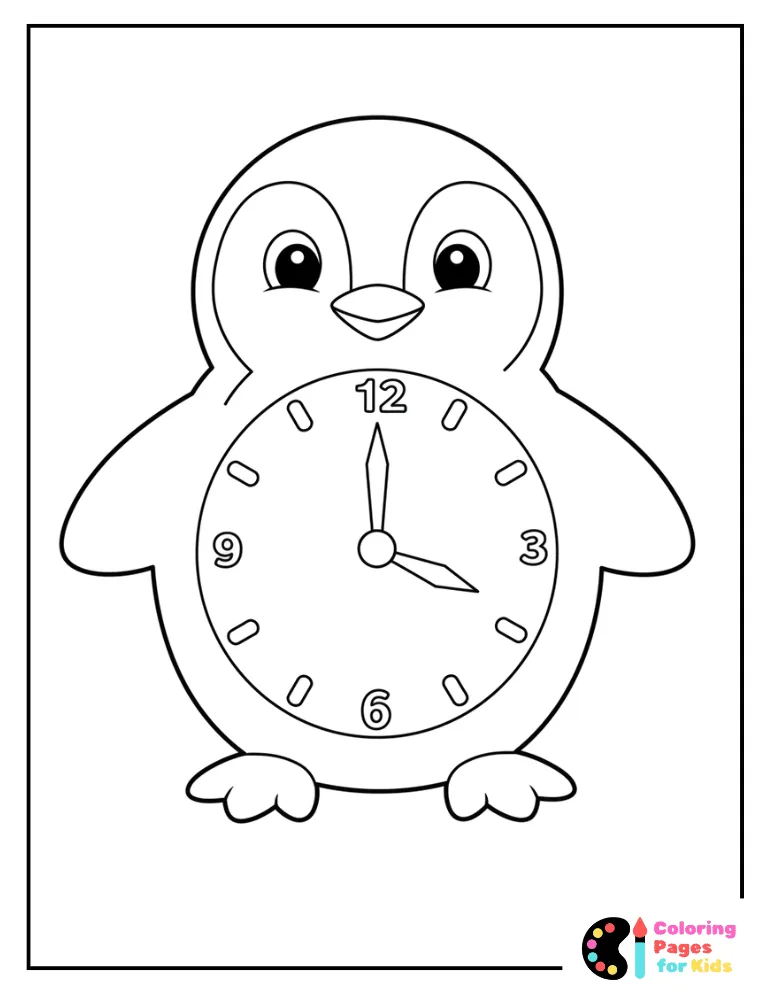


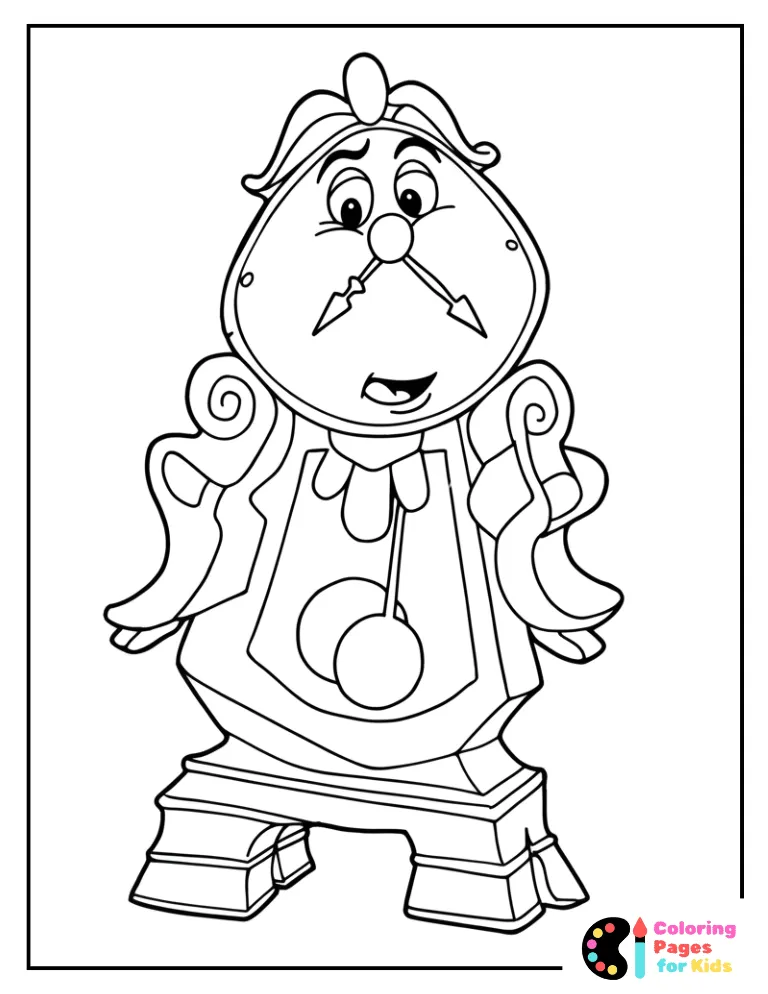


Why Clock Coloring Sheets Make Perfect Craft Materials
Clock coloring pages serve as exceptional foundations for creative projects because they provide pre-designed templates that eliminate the guesswork from craft preparation. These printables offer a fun, interactive, and innovative way to help children learn about clocks and telling time, making them invaluable resources for both educational and recreational activities.
The structured nature of clock designs provides clear boundaries for young crafters while offering endless possibilities for customization. From simple paper plate transformations to elaborate character creations, these versatile templates adapt to various skill levels and age groups, ensuring every child can participate successfully in the crafting process.
Essential Supplies for Clock Crafting Adventures
Before diving into these exciting projects, gather these fundamental materials that appear across multiple craft ideas:
- Basic Supplies: Construction paper, scissors, glue sticks, markers or crayons
- Decorative Elements: Wiggle eyes, pipe cleaners, pom-poms, felt pieces
- Hardware: Paper fasteners, craft sticks, yarn or string
- Support Materials: Paper plates, poster board, cardboard boxes
Having these supplies readily available streamlines the crafting process and allows for spontaneous creativity when inspiration strikes. Many of these materials are classroom staples, making these projects perfect for educational settings with limited budgets. These basic materials are also ideal for other fun printable projects like our puppy-themed craft activities, which turn simple sheets into delightful keepsakes.
1. Enchanting Winter Wonderland Clock
Create magical seasonal decorations by transforming your colored clock into Frosty the Snowman’s cheerful centerpiece. This delightful project combines weather learning with time-telling practice, making it perfect for winter-themed lesson plans.
Step-by-Step Process: Begin by carefully cutting out your finished clock coloring page and securing it to the back of a standard white paper plate using strong craft glue. Position the clock to serve as Frosty’s midsection, creating a natural focal point for the character.
Use a second paper plate as Frosty’s base and a smaller plate for his head, creating proper proportions that make the clock clearly visible. Enhance the snowman’s personality with classic accessories: orange felt for a carrot nose, black pom-poms arranged in a smile, and thin craft sticks for realistic-looking arms.
Educational Extension: Discuss seasonal time changes, winter weather patterns, and how different cultures celebrate winter holidays while children work on their projects.
2. Adorable Ladybug Time-Keeper
Transform learning about time into an exploration of nature with this charming ladybug clock that combines insect studies with mathematical concepts. This project works exceptionally well for spring and summer themes, connecting outdoor observations with indoor learning.
Construction Details: Start with an upside-down paper bowl as your foundation, then attach the colored clock page to create the ladybug’s distinctive spotted body. Encourage children to color their clocks using traditional red and black patterns, or explore creative variations like rainbow spots or geometric designs.
Add dimension with black pipe cleaners bent into realistic leg shapes, positioning them to create authentic insect anatomy. A large black pom-pom serves as the head, enhanced with oversized wiggle eyes that add personality and humor to the finished creation.
Learning Opportunities: Integrate lessons about beneficial insects, garden ecosystems, and counting skills by having children count the ladybug’s spots while practicing time-telling exercises.
3. Spooky Halloween Spider Clock
Perfect for October celebrations or year-round arachnid studies, this spider clock project combines science learning with creative expression. Children overcome common fears about spiders while developing positive associations with these essential creatures.
Assembly Instructions: After coloring and cutting your clock design, create additional body segments using black construction paper circles. Attach these pieces to form a realistic spider body structure, with the clock serving as the prominent abdomen section.
Eight black pipe cleaners become perfectly proportioned legs, bent and positioned to create lifelike movement suggestions. Complete the transformation with multiple wiggle eyes (spiders have eight eyes!) and consider adding craft stick clock hands for functional time-telling practice.
Cross-Curricular Connections: Discuss spider habitats, web construction, and the role of arachnids in controlling pest populations while children craft their projects.
4. Majestic Grandfather Clock Masterpiece
This sophisticated project introduces children to traditional timepiece designs while developing spatial reasoning skills through three-dimensional construction techniques. The grandfather clock craft bridges historical learning with contemporary creativity.
Detailed Construction: Transform an ordinary shoebox into an impressive timepiece housing by covering it with decorative construction paper or additional clock coloring pages. Position the box vertically to mimic authentic grandfather clock proportions.
Create an authentic pendulum using colorful yarn and lightweight pom-poms, demonstrating basic physics principles about rhythm and motion. An old CD glued to the clock’s center adds reflective appeal while teaching about recycling and repurposing materials.
Historical Context: Share stories about clockmaking traditions, famous clockmakers, and how timekeeping evolved throughout different historical periods.
5. Collaborative Classroom Time Display
Foster teamwork and mathematical thinking with this large-scale project that accommodates entire classrooms or large groups. This collaborative approach reinforces number recognition while building community cooperation skills.
Group Project Guidelines: Divide students into teams of 3-4 children, assigning each group specific numbers or time intervals to focus on during the construction process. Use multiple poster boards to create an oversized clock face that serves as the foundation for individual contributions.
Instead of traditional numbers, children attach their completed clock coloring pages around the circle’s perimeter, creating a unique “clock of clocks” display. This arrangement reinforces number positioning while showcasing individual artistic achievements within a cohesive group project.
Assessment Opportunities: Use this project to evaluate students’ understanding of number placement, time intervals, and collaborative problem-solving skills.
6. Whimsical Cat Character Clock
Beloved cartoon characters provide familiar contexts for learning, making this Felix the Cat-inspired project particularly engaging for young learners. Character-based crafts maintain attention spans while reinforcing educational objectives.
Character Development Process: Mount your completed clock onto a larger black construction paper circle, ensuring the original design remains clearly visible as the character’s body. Create moveable clock hands using sturdy paper arrows attached with paper fasteners, allowing for interactive time-telling practice.
Add authentic cat features using simple geometric shapes: triangular pink ears, prominent whiskers made from toothpicks or thin craft sticks, and a long yarn tail that adds movement and visual interest to the finished piece.
Language Arts Integration: Read stories featuring cats, practice describing character traits, and encourage creative writing about the clock character’s adventures.
7. Garden-Fresh Flower Clock
Bring spring indoors with this botanical-inspired project that connects nature studies with time concepts. These decorative pieces work beautifully as classroom displays or take-home garden decorations.
Nature-Inspired Assembly: After cutting and laminating your clock for weather protection, attach a sturdy craft stick or knitting needle to create a garden stake. This practical addition allows the finished piece to stand upright in planters or outdoor garden spaces.
Create vibrant flower petals using construction paper in seasonal colors, attaching them behind the clock face to simulate natural flower structures. Consider coordinating colors with actual garden plantings or seasonal flower studies. Pair your clock crafts with our flower coloring pages to explore seasons, plant life cycles, and nature-inspired creativity—perfect for combining art, science, and early learning fun.
Science Connections: Discuss flower anatomy, pollination processes, plant life cycles, and seasonal growing patterns while children create their garden clocks. Enhance your child’s learning journey by pairing these time-telling activities with science coloring pages that spark curiosity about nature, weather, space, and other exciting scientific topics.
8. New Year Celebration Memory Keeper
Commemorate special occasions and milestones with this reflective project that combines time awareness with personal growth documentation. This meaningful craft creates lasting keepsakes that families will treasure for years.
Memory Documentation Process: Center the colored clock on the poster board, leaving ample space around the perimeter for written reflections and decorative elements. Encourage children to write or dictate memories from the past year alongside hopes and goals for the upcoming year.
Enhance the celebratory atmosphere with glitter, confetti, and other festive decorating materials. Consider photographing each child with their completed project to create additional documentation of their growth and development.
Social-Emotional Learning: Practice reflection skills, goal-setting strategies, and gratitude expression while creating these meaningful keepsakes.
9. Artistic Wall Hanging Creation
Develop fine motor skills and creative expression through this open-ended project that encourages individual artistic interpretation. These personalized pieces showcase each child’s unique creativity while reinforcing time concepts.
Artistic Enhancement Techniques: After completing the basic clock cutting, carefully punch small holes around the bottom circumference using a paper punch or craft knife (adult assistance required). Thread colorful yarn or string through these holes to create attachment points for decorative elements.
Children can hang cut-out shapes, natural materials like leaves or flowers, craft feathers, buttons, or any lightweight decorative items that reflect their personal interests and creativity. The resulting pieces resemble silent wind chimes with personalized flair.
Art Education Principles: Explore color theory, pattern recognition, texture variation, and composition balance while children develop their artistic sensibilities.
10. Special Event Invitation Designer
Transform functional items into creative communication tools with this practical project that serves real-world purposes. Children develop writing skills while creating personalized invitations for family celebrations.
Invitation Construction Method: Color two identical clock designs, then attach them with a paper fastener at the top, creating a hinged opening mechanism. The front clock displays “You’re Invited” or similar welcoming messages, while the inside clock contains specific event details.
This sliding mechanism adds interactive appeal while providing ample space for party information, guest instructions, and decorative elements that match the celebration theme.
Communication Skills Development: Practice letter formation, message clarity, information organization, and creative presentation techniques through this practical writing exercise.
Maximizing Educational Value Through Clock Crafts
These creative projects transform simple coloring activities into comprehensive learning experiences that address multiple educational objectives simultaneously. Clock activities are perfect for all age students, whether kindergarten, year 1, or year 22, providing scalable challenges that grow with developing abilities.
The hands-on nature of these crafts reinforces abstract time concepts through concrete manipulation and visual representation. Children who struggle with traditional time-telling methods often find success through these multi-sensory approaches that engage different learning styles and preferences. For more imaginative ways to turn simple coloring pages into unforgettable hands-on learning projects, check out our puppy coloring page craft ideas that blend creativity with play-based education.
Storage and Display Solutions
Preserve these precious creations with thoughtful storage and display strategies that extend their educational value throughout the school year. Create dedicated classroom spaces for rotating displays, allowing each child’s work to receive featured attention while maintaining organized learning environments.
Consider laminating finished pieces for durability, especially those intended for repeated handling or outdoor use. Digital photography creates permanent records of student achievements while allowing physical pieces to travel home with proud creators.
Adapting Projects for Different Ages
These versatile craft ideas accommodate various developmental stages through simple modifications that maintain core educational objectives while adjusting complexity levels. Younger children benefit from pre-cut materials and simplified assembly steps, while older students can handle more intricate details and independent problem-solving challenges.
Preschool Adaptations (Ages 3-4):
- Provide pre-cut shapes and minimal assembly steps
- Focus on color recognition and basic number identification
- Emphasize sensory exploration through texture and materials
Elementary Modifications (Ages 5-8):
- Introduce measurement concepts and precise cutting skills
- Add mathematical calculations and time-telling practice
- Encourage creative problem-solving and design modifications
Advanced Extensions (Ages 9+):
- Incorporate historical research and cultural timekeeping methods
- Challenge students to create original designs and variations
- Develop presentation skills through project explanations
Time Well Spent on Creative Learning
These innovative clock coloring sheets craft ideas prove that educational materials can serve multiple purposes when approached with creativity and planning. By transforming simple printables into engaging three-dimensional projects, you provide children with meaningful learning experiences that extend far beyond traditional coloring activities.
The combination of artistic expression, mathematical concepts, and hands-on construction creates powerful learning opportunities that address diverse educational objectives while maintaining high engagement levels. Whether you’re planning classroom activities or seeking home-based learning projects, these clock crafts deliver lasting educational value wrapped in creative fun.
Remember that the journey matters as much as the destination—embrace the mess, celebrate creative interpretations, and focus on the learning process rather than perfect final products. These precious moments of discovery and creation become treasured memories that inspire lifelong learning enthusiasm.
Start your clock crafting adventure today with free PDF printables and watch as simple coloring sheets transform into extraordinary learning tools that make time education an exciting adventure for children of all ages. Our next masterpiece is just a coloring page away!