Bluey Coloring Pages (Free PDF Printables)
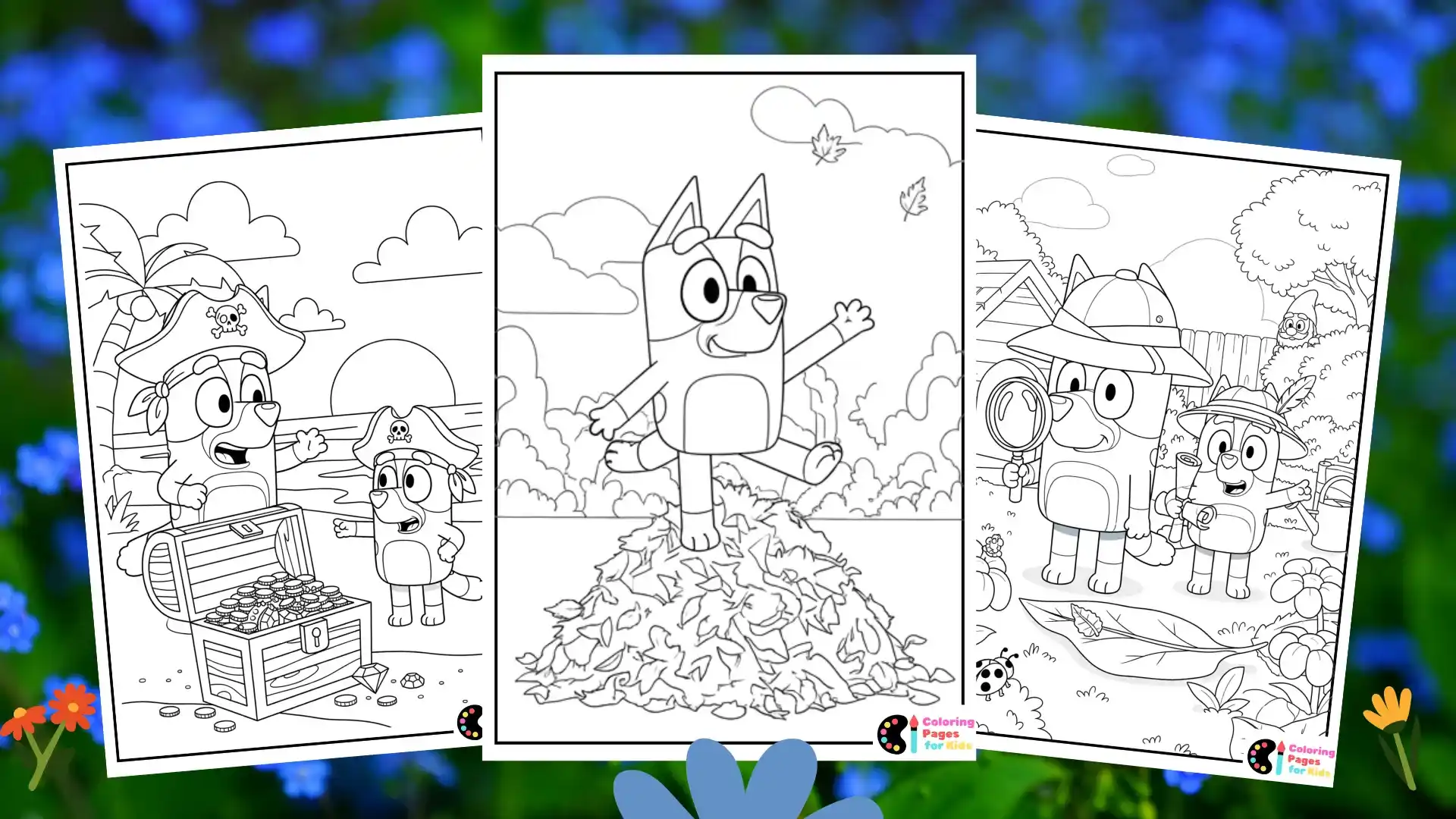
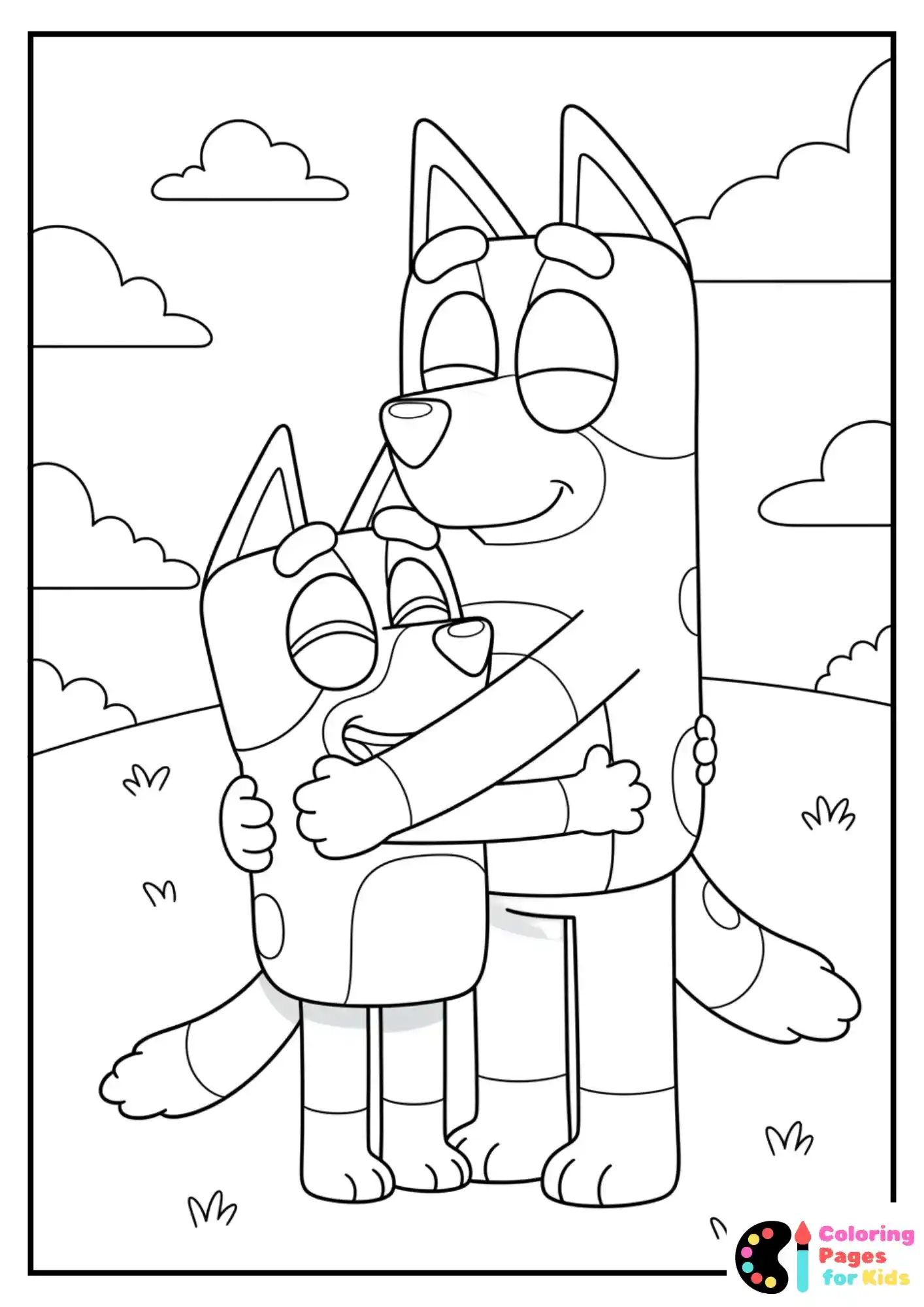
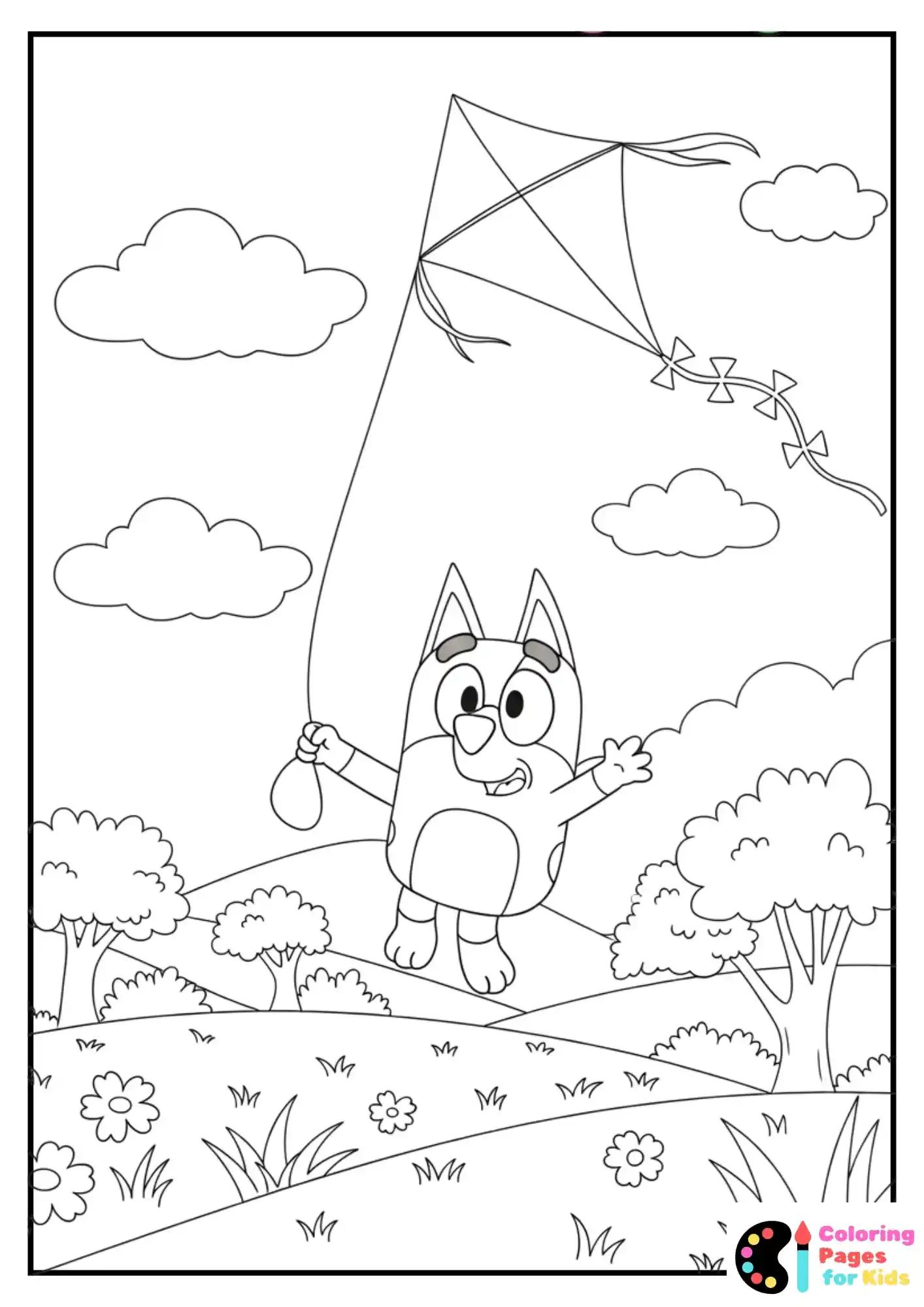
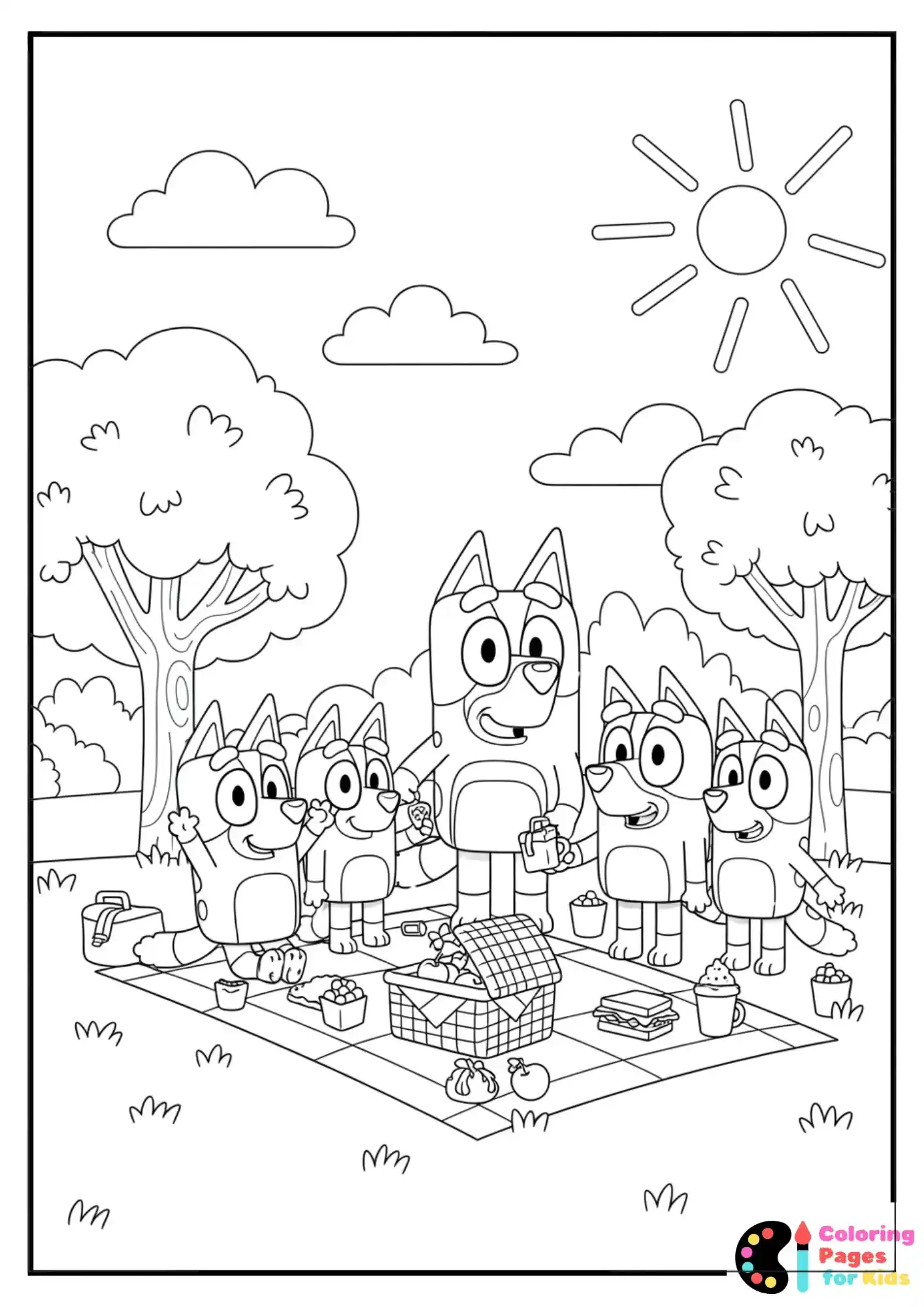
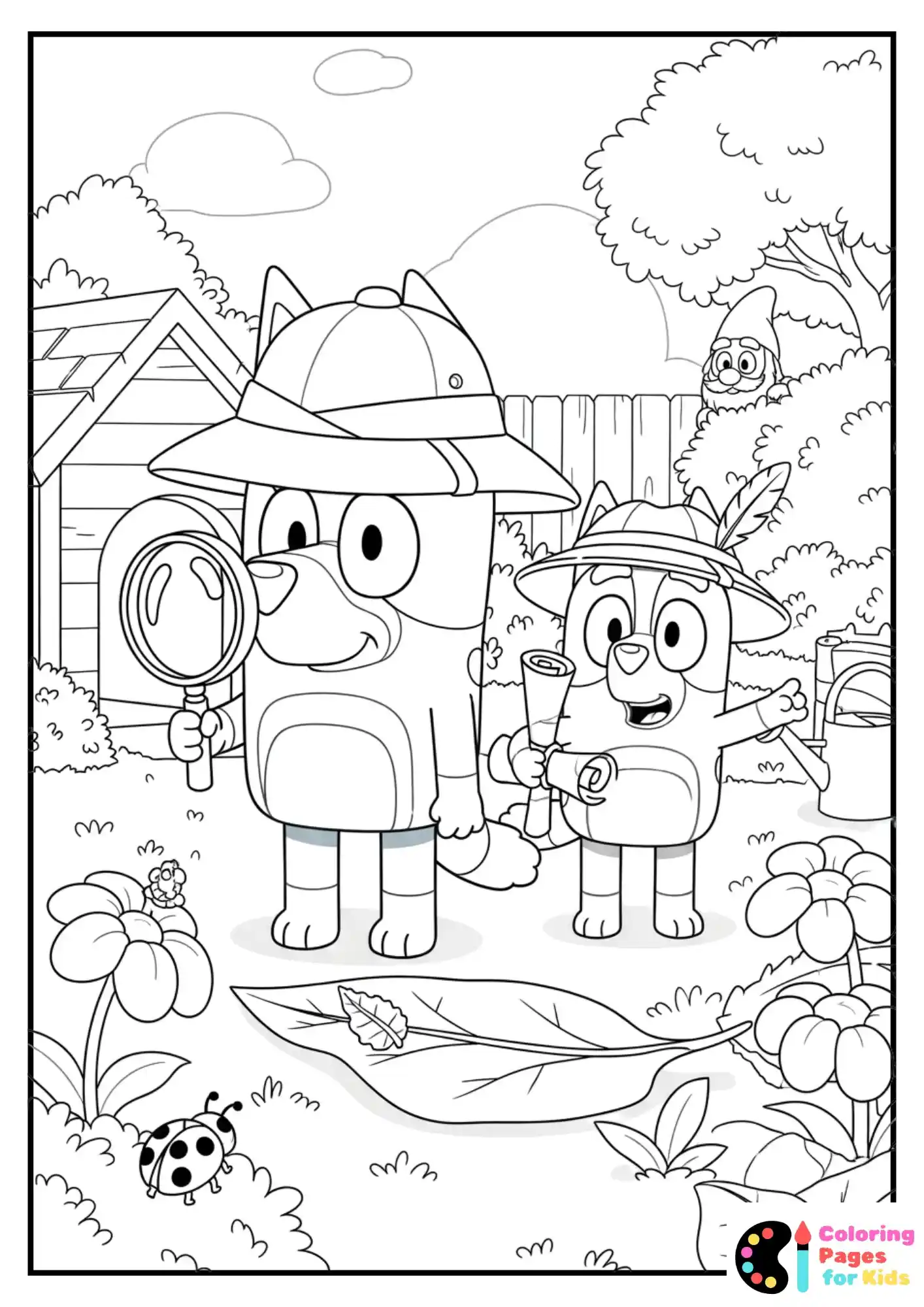
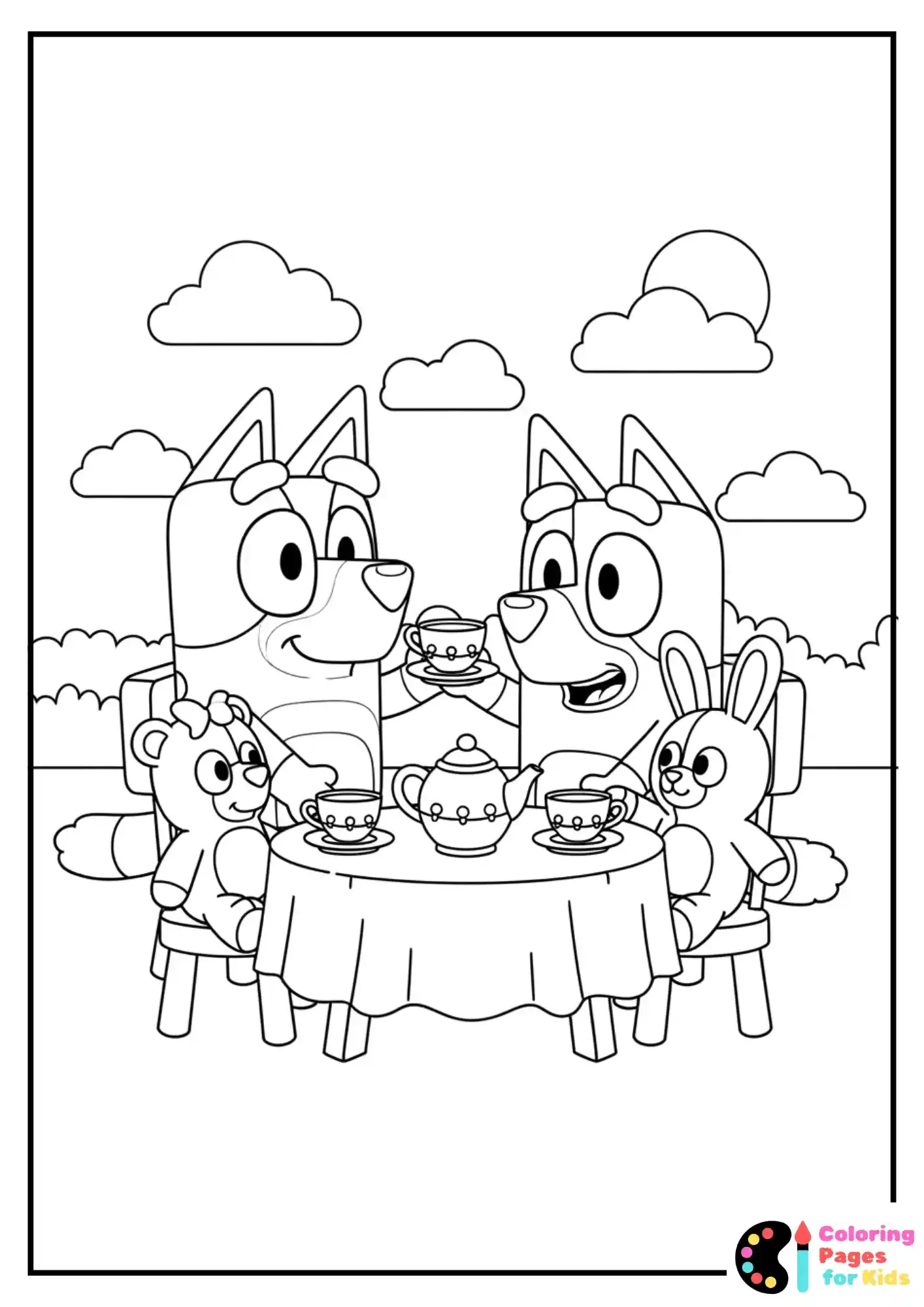
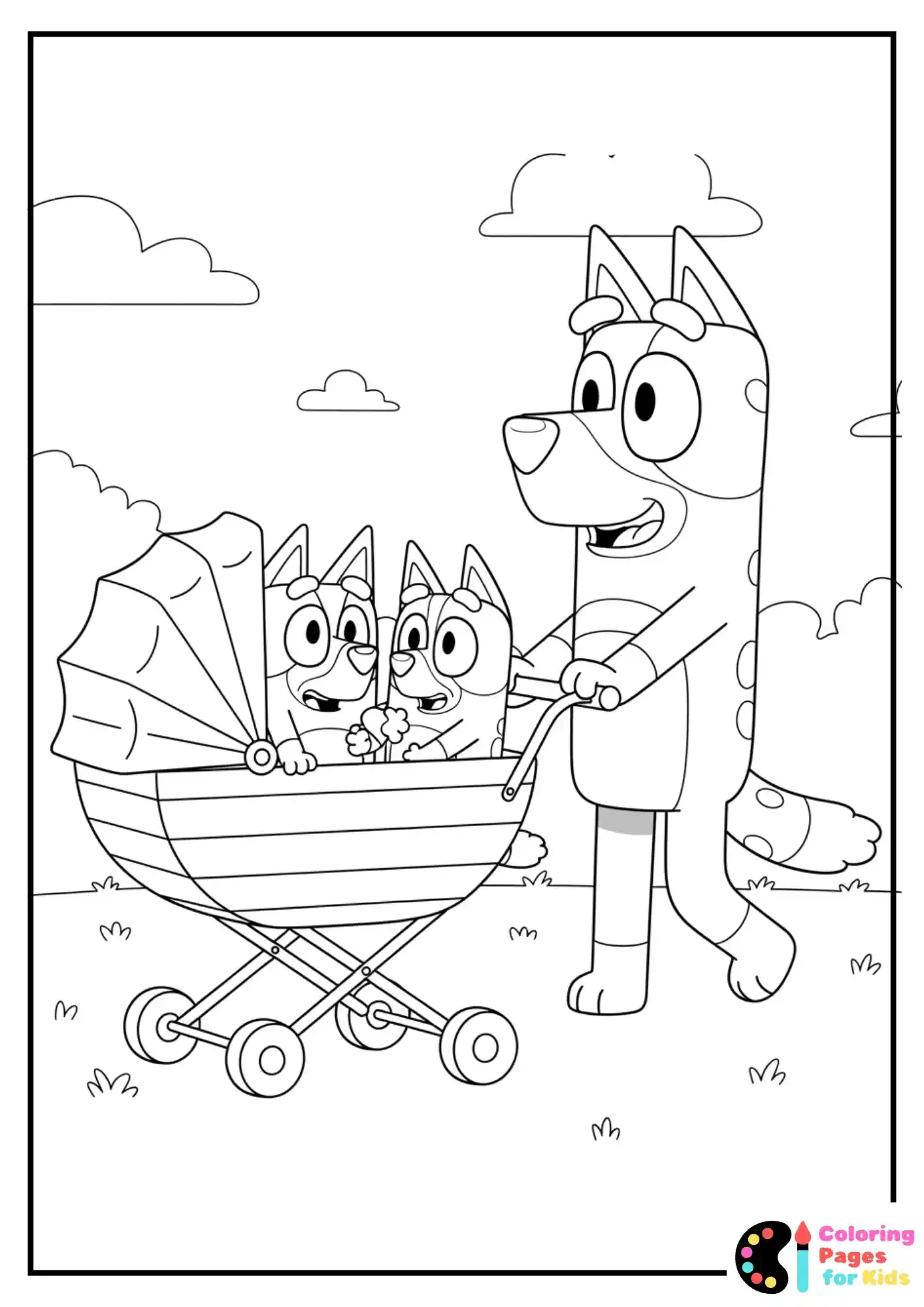
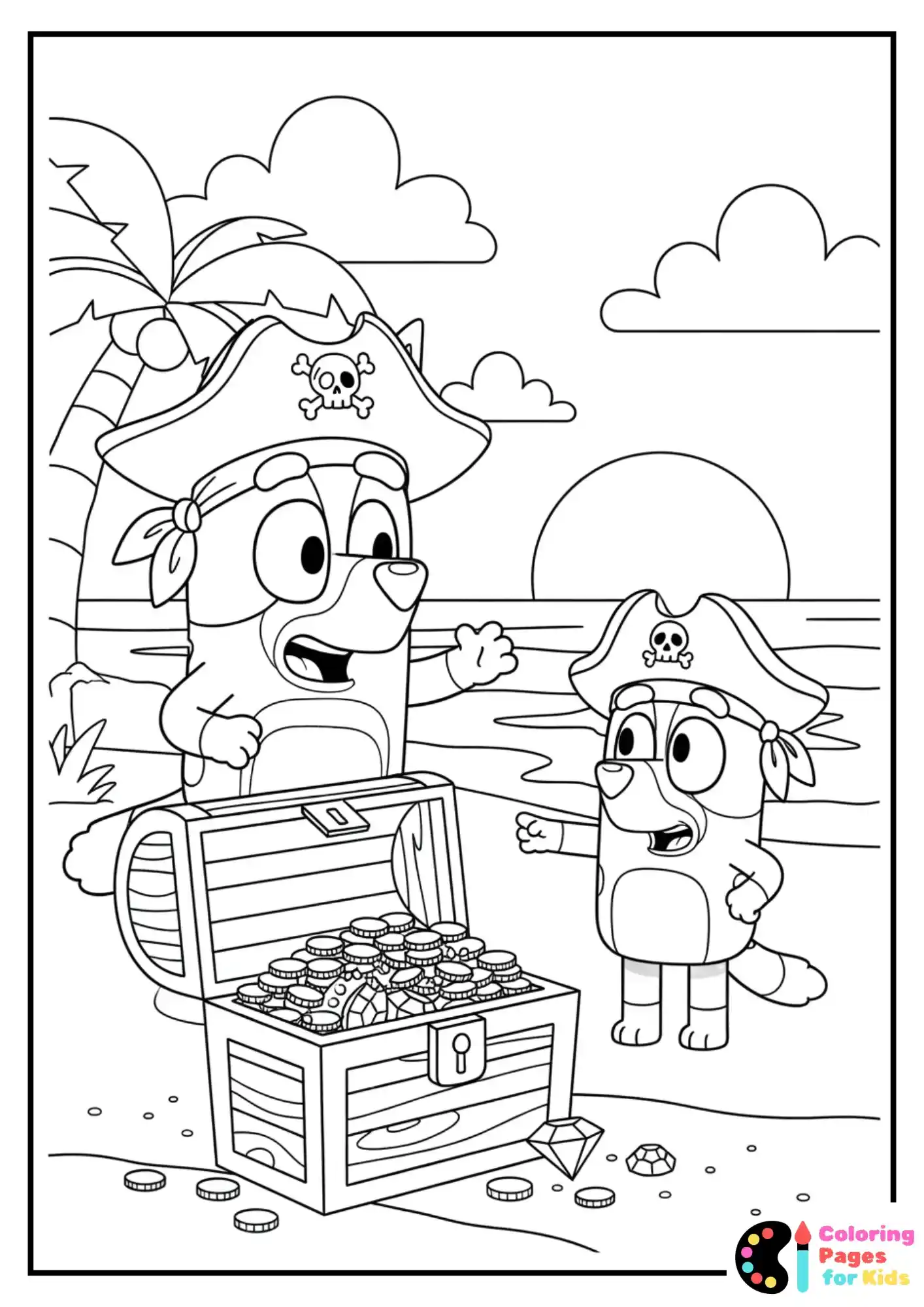
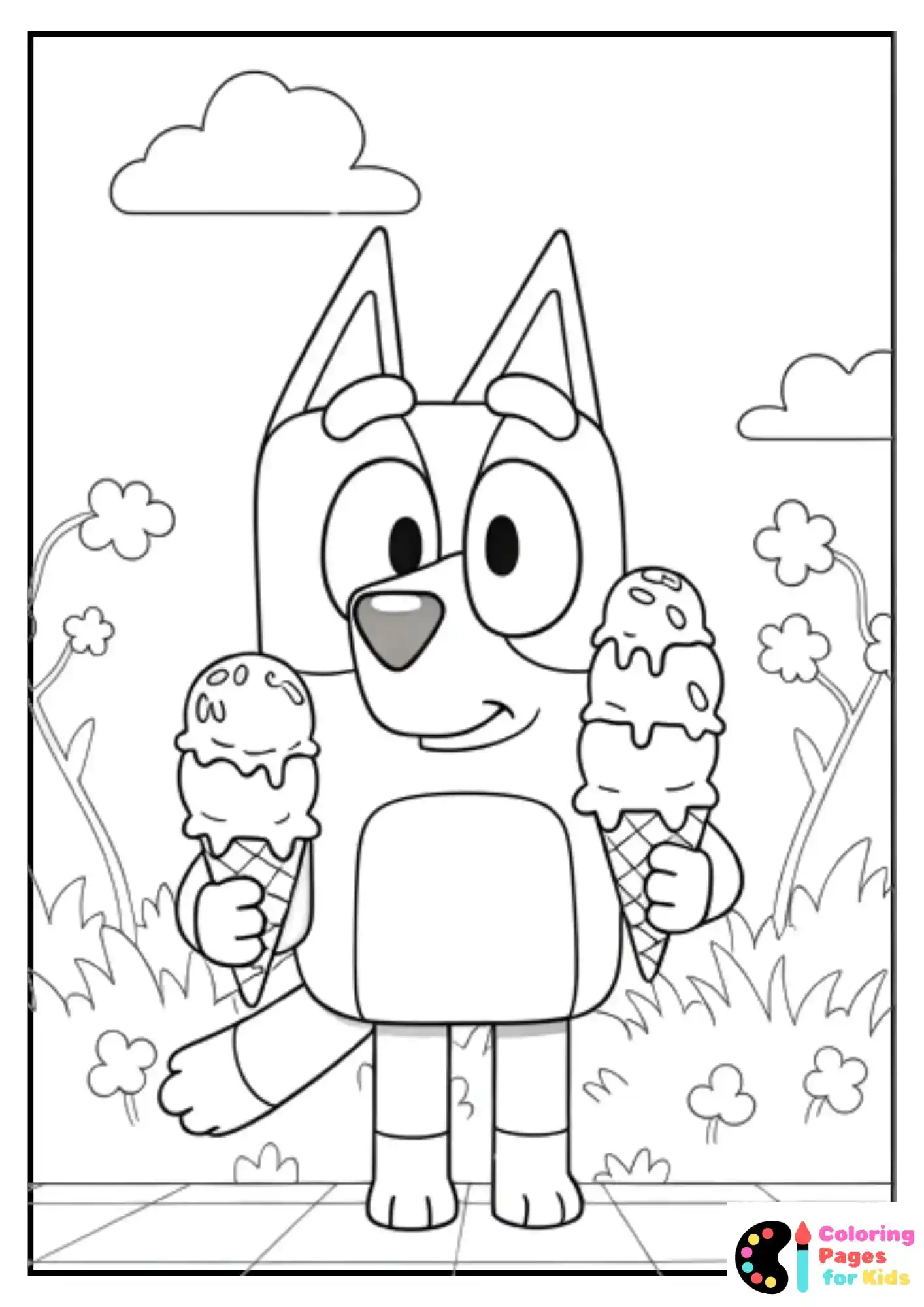
Bluey coloring pages aren’t just about pencils and markers—they’re the gateway to an entire universe of imaginative crafts that spark joy in children and parents alike. Whether you’re seeking budget-friendly activities for rainy afternoons, planning a Bluey-themed celebration, or looking for screen-free entertainment that genuinely engages young minds, these 12 craft ideas will breathe new life into your downloaded coloring pages and create keepsakes your family will treasure.
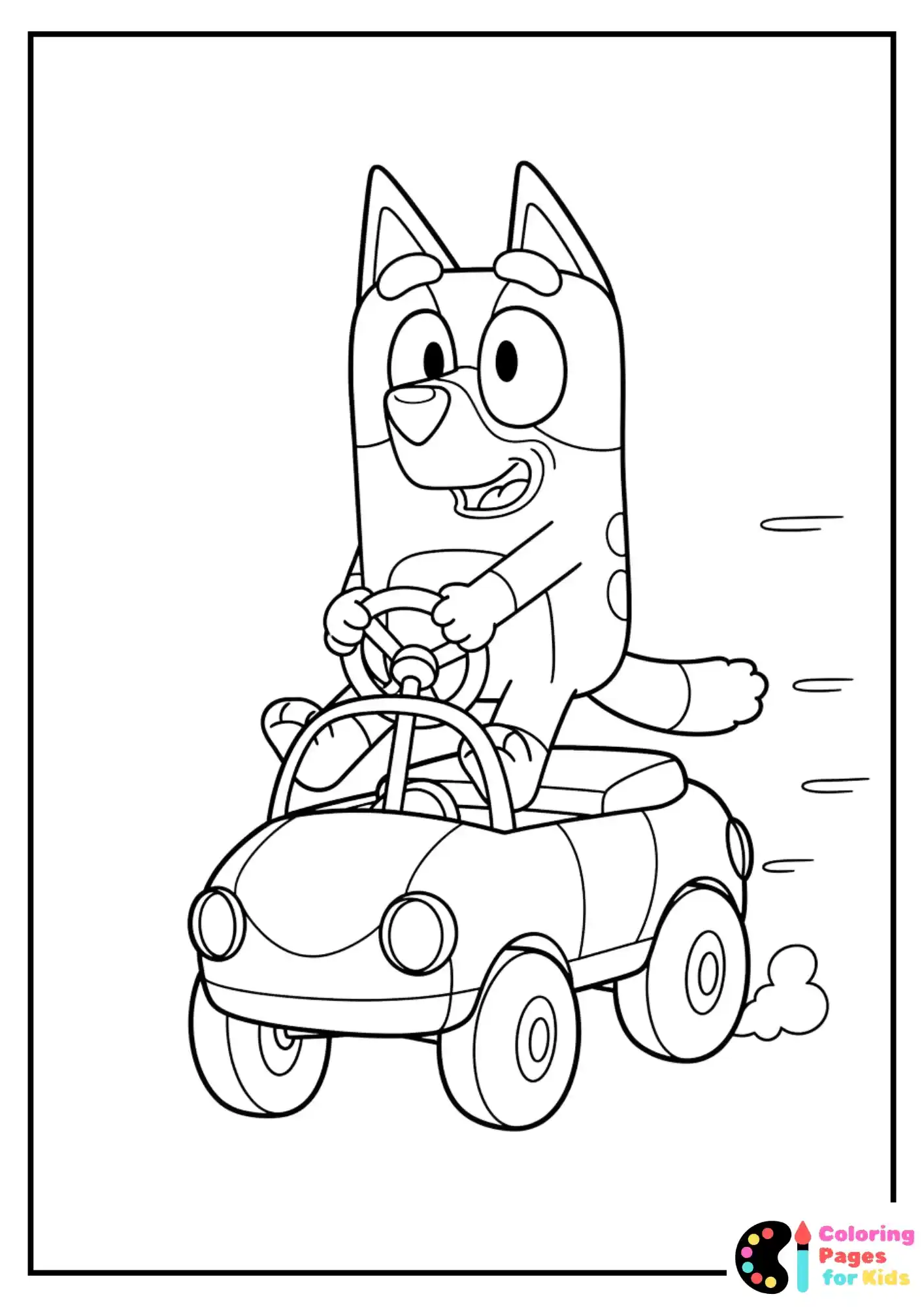
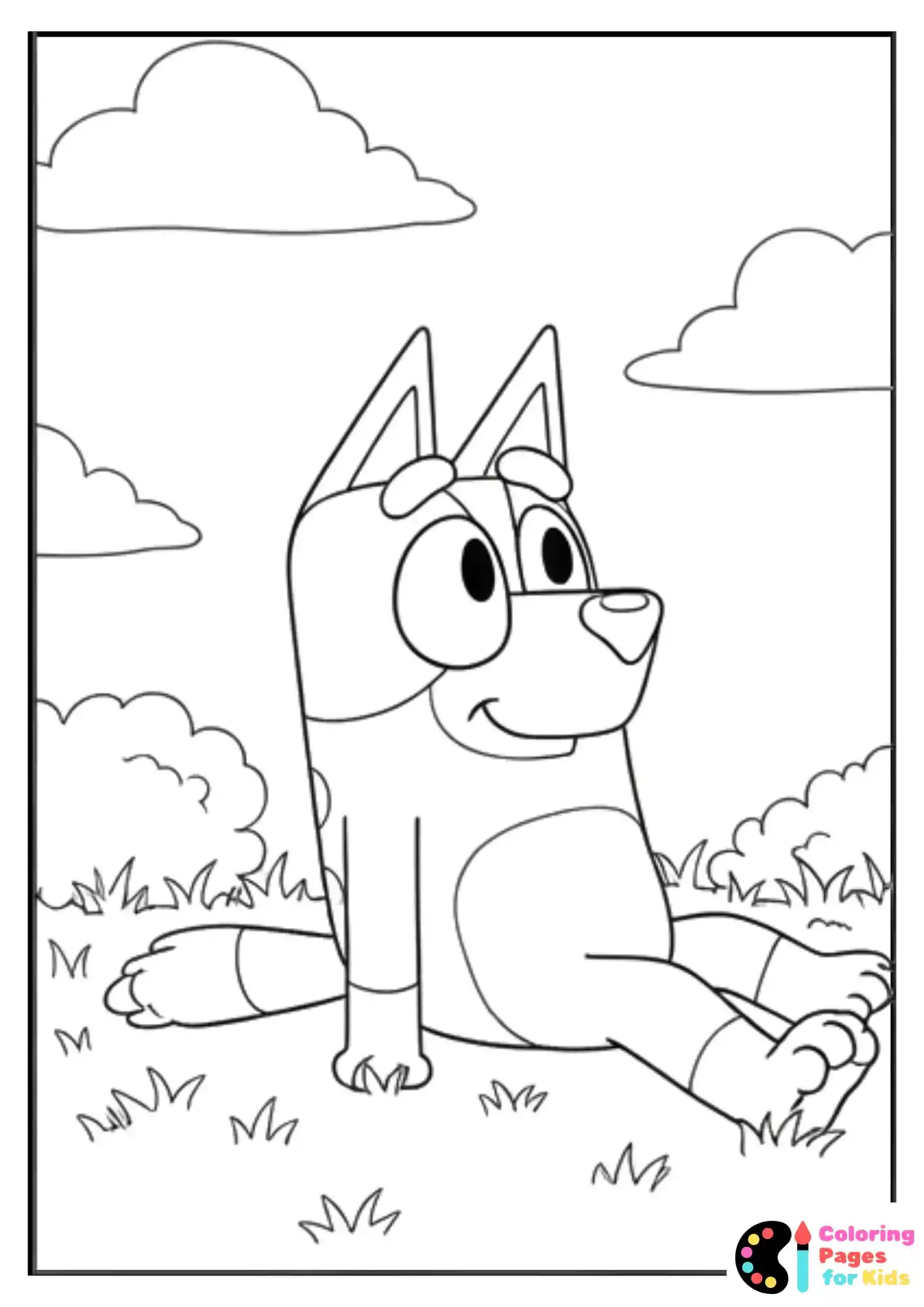
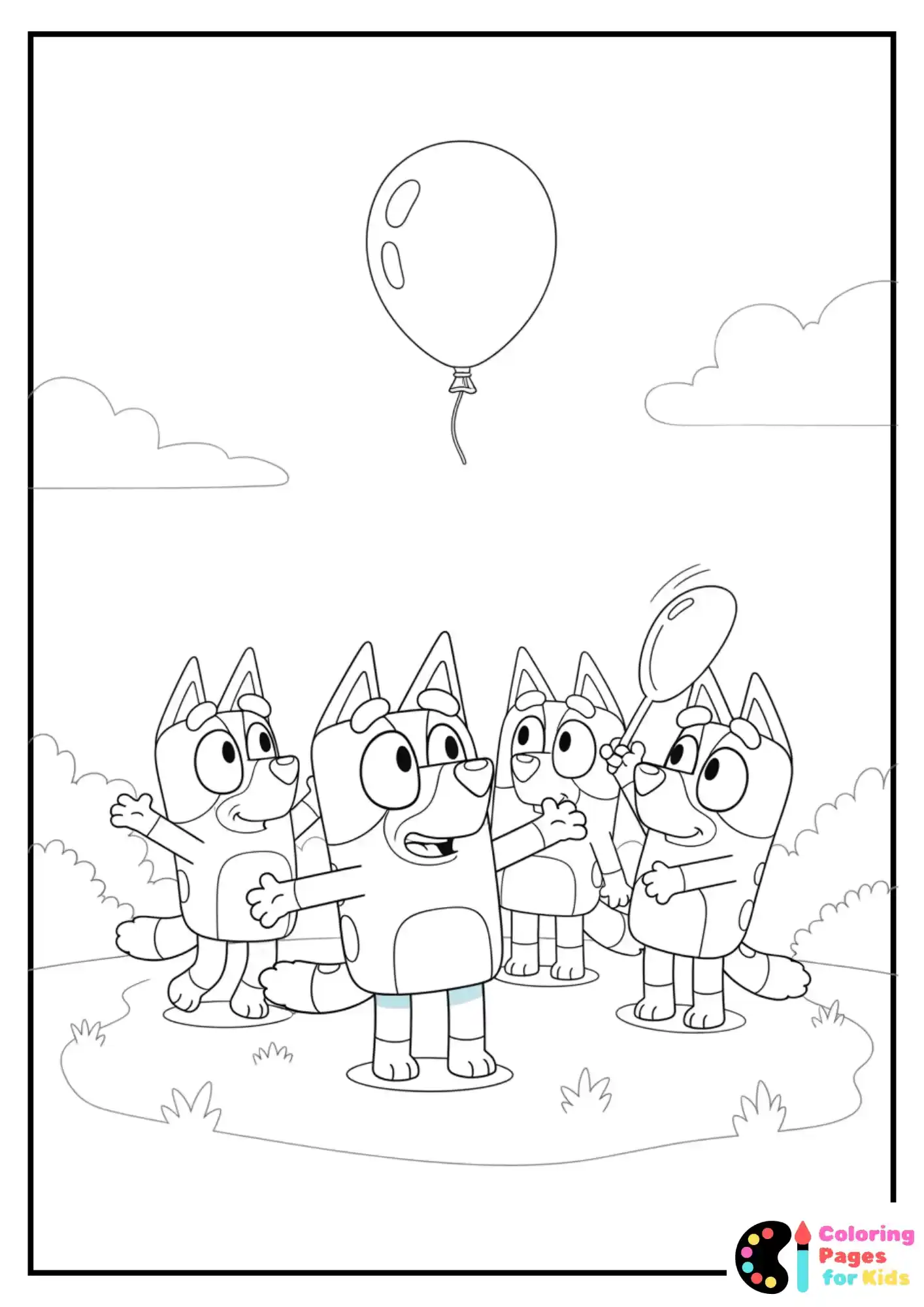
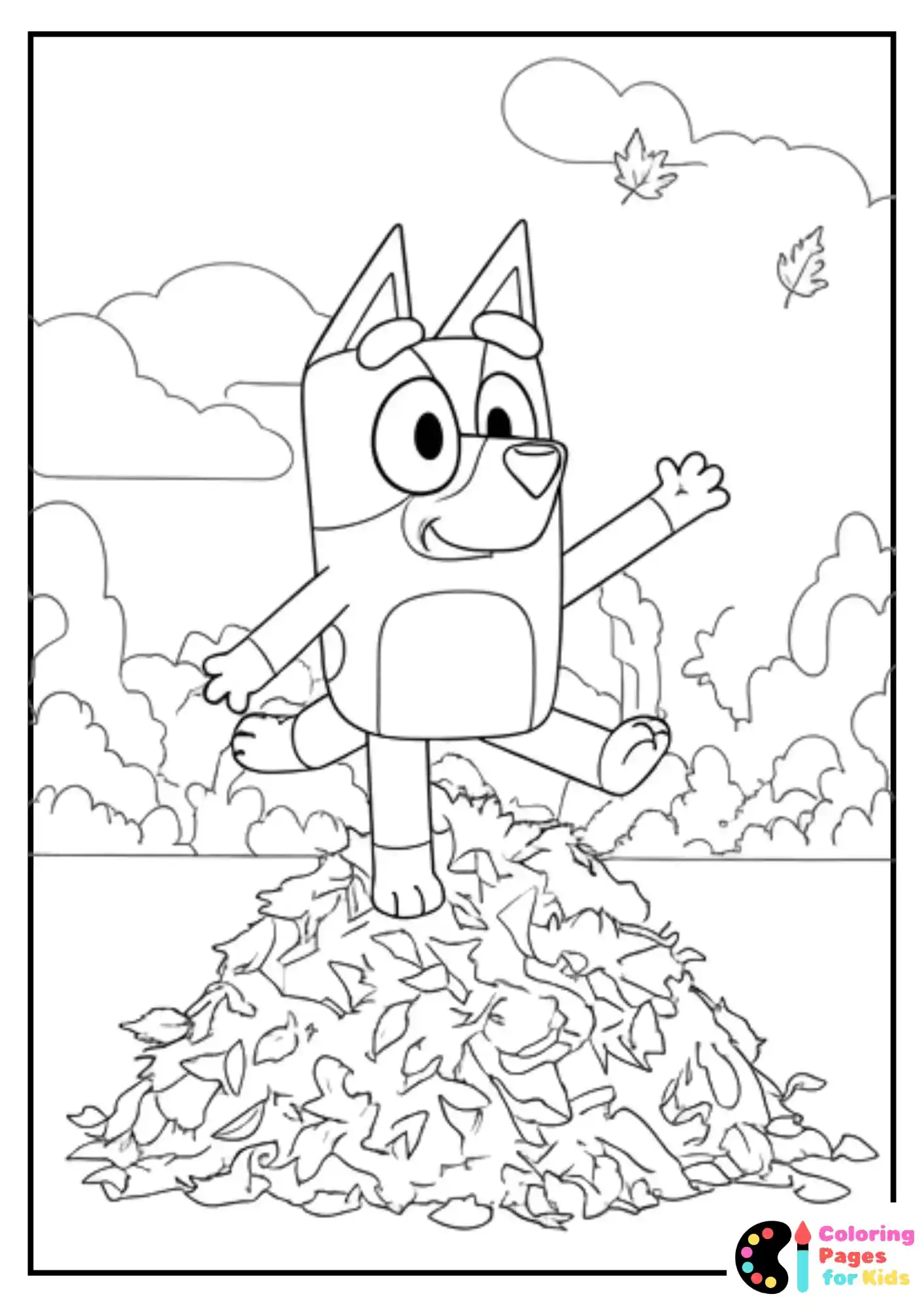

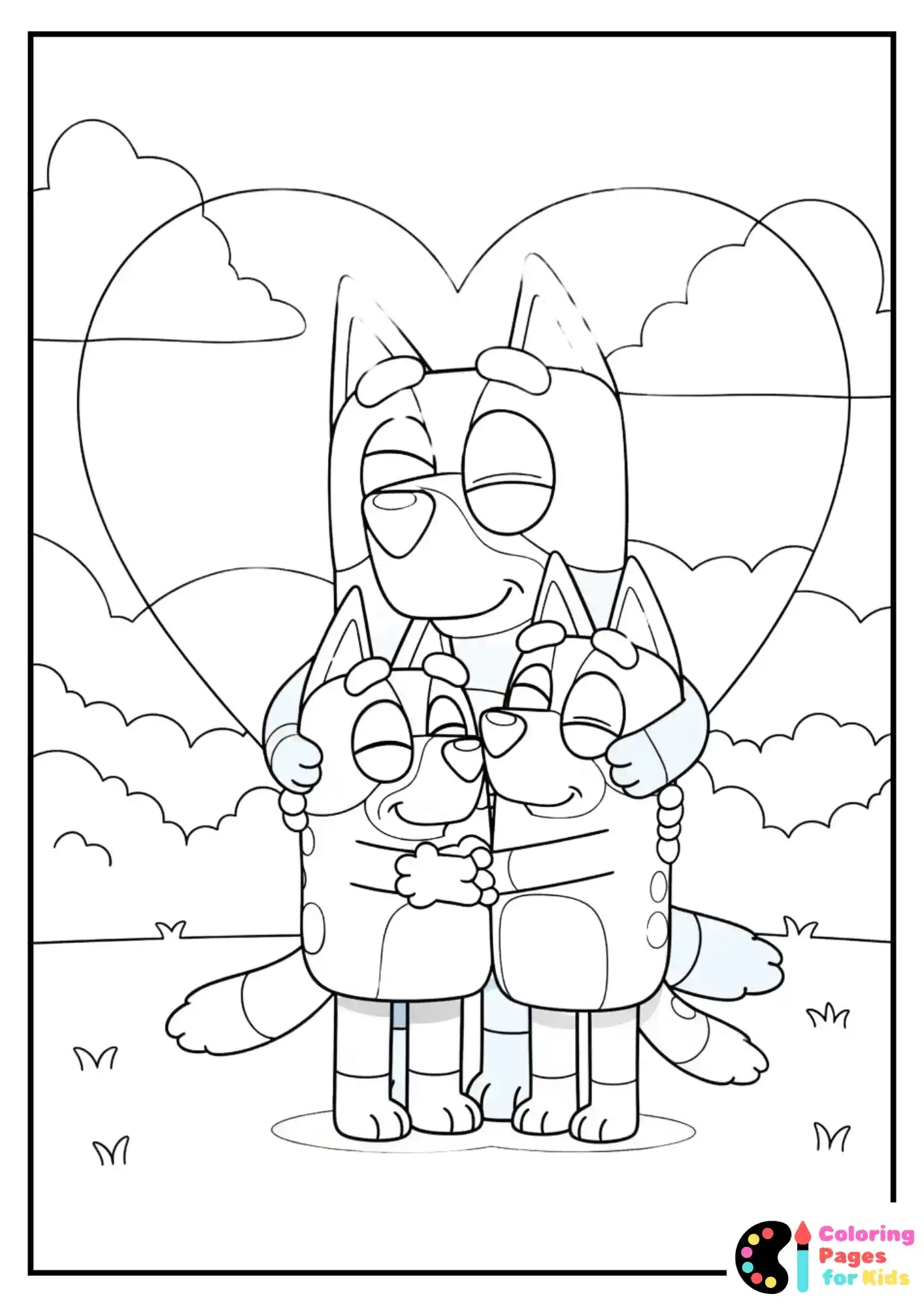
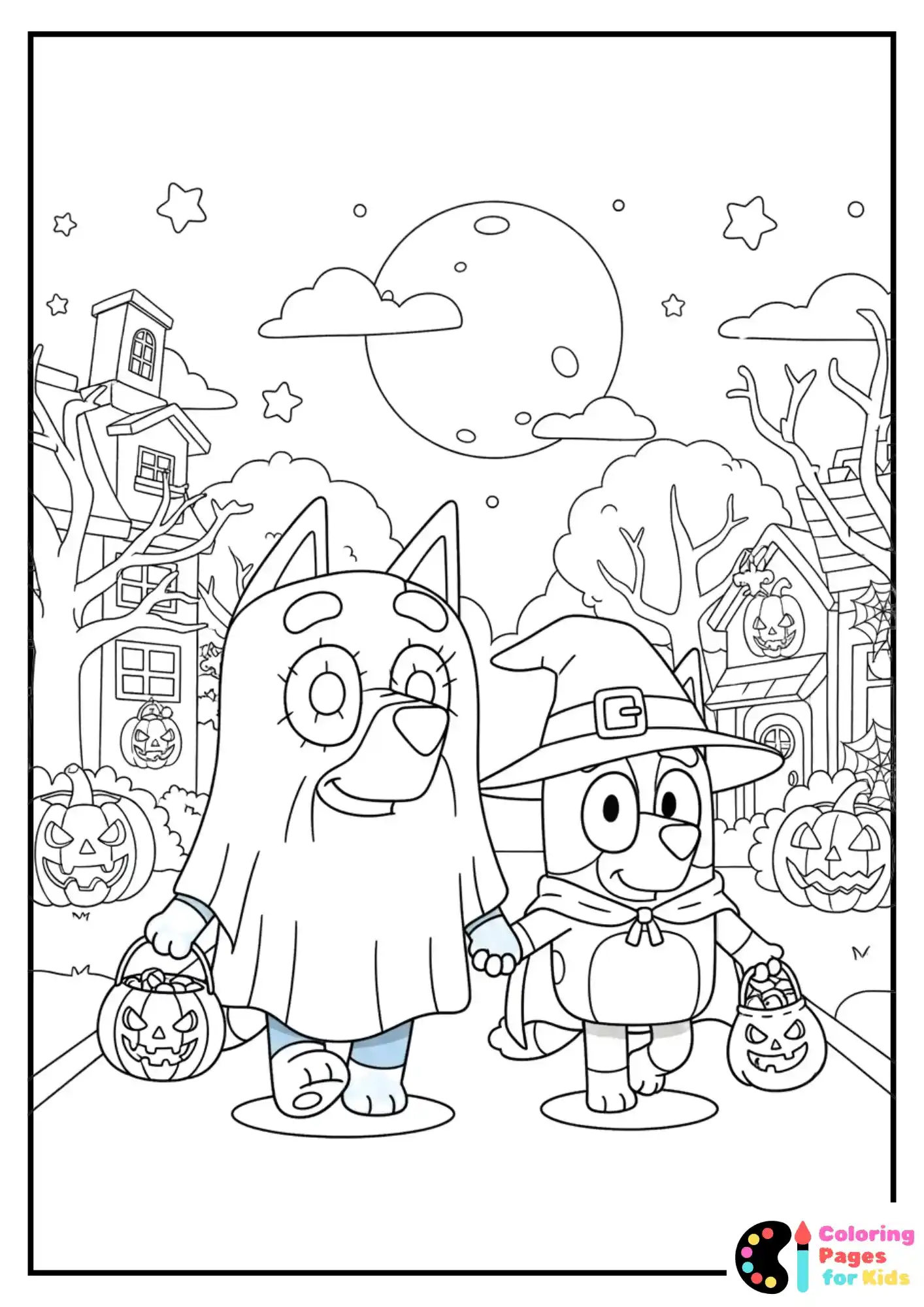

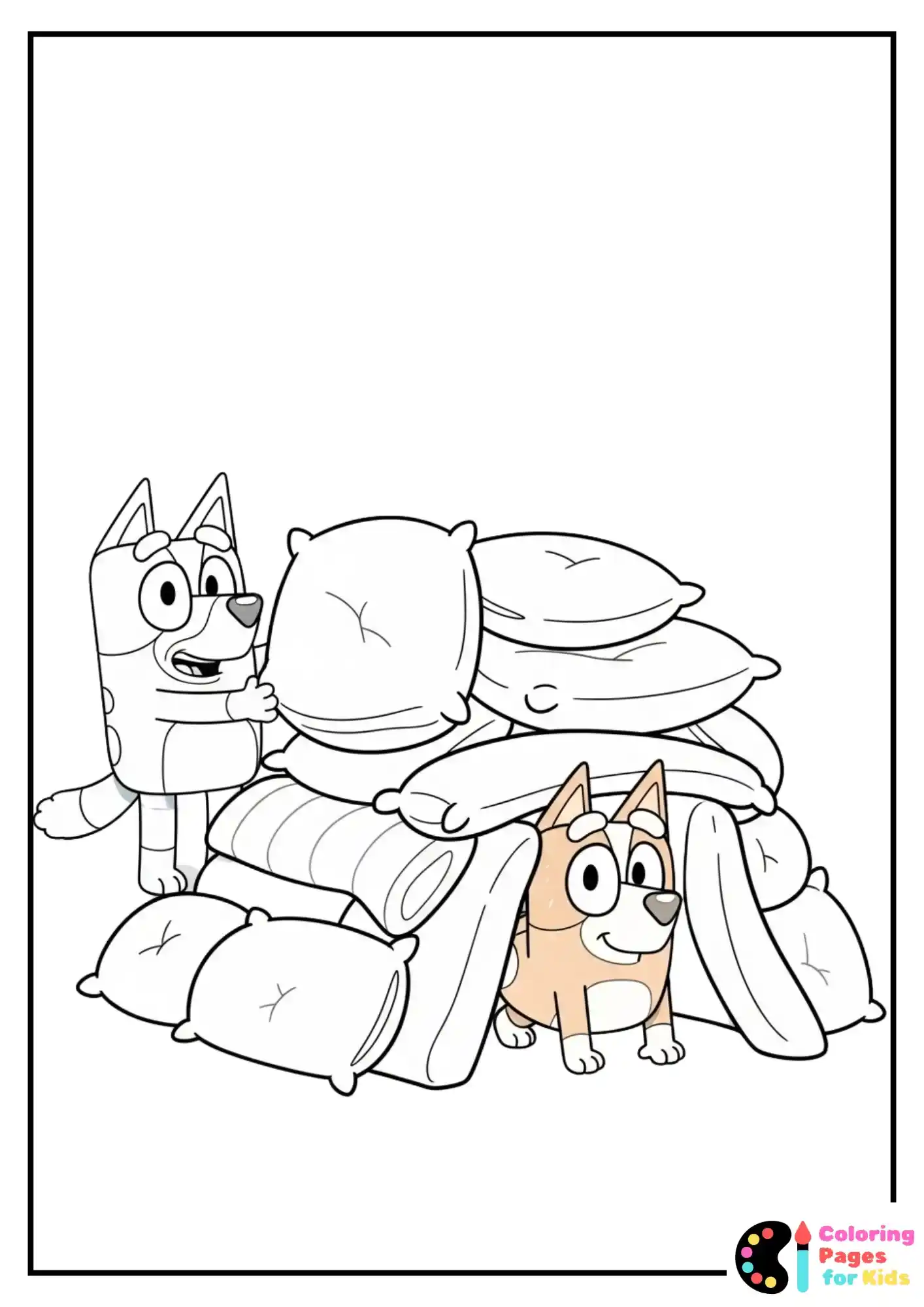


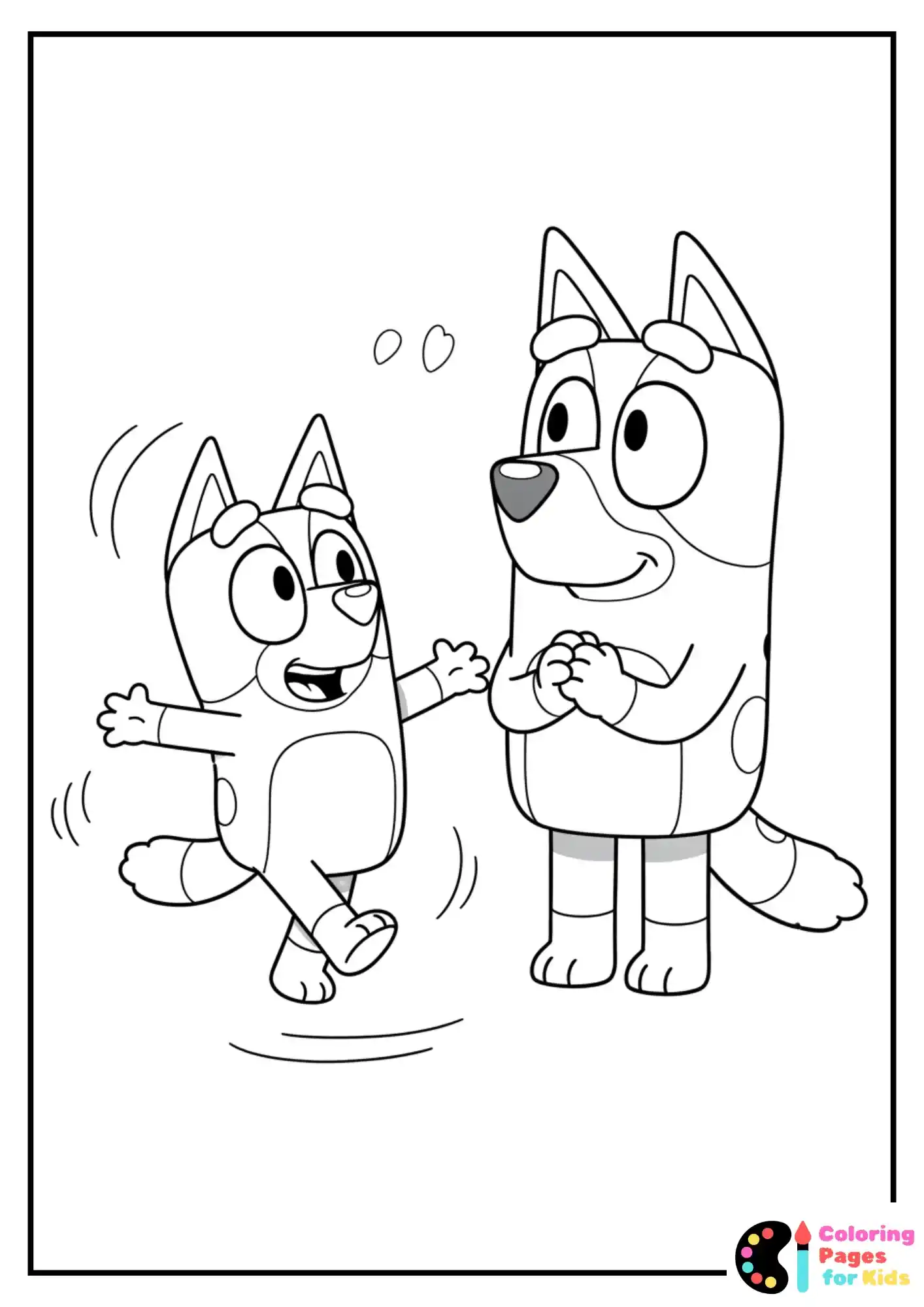
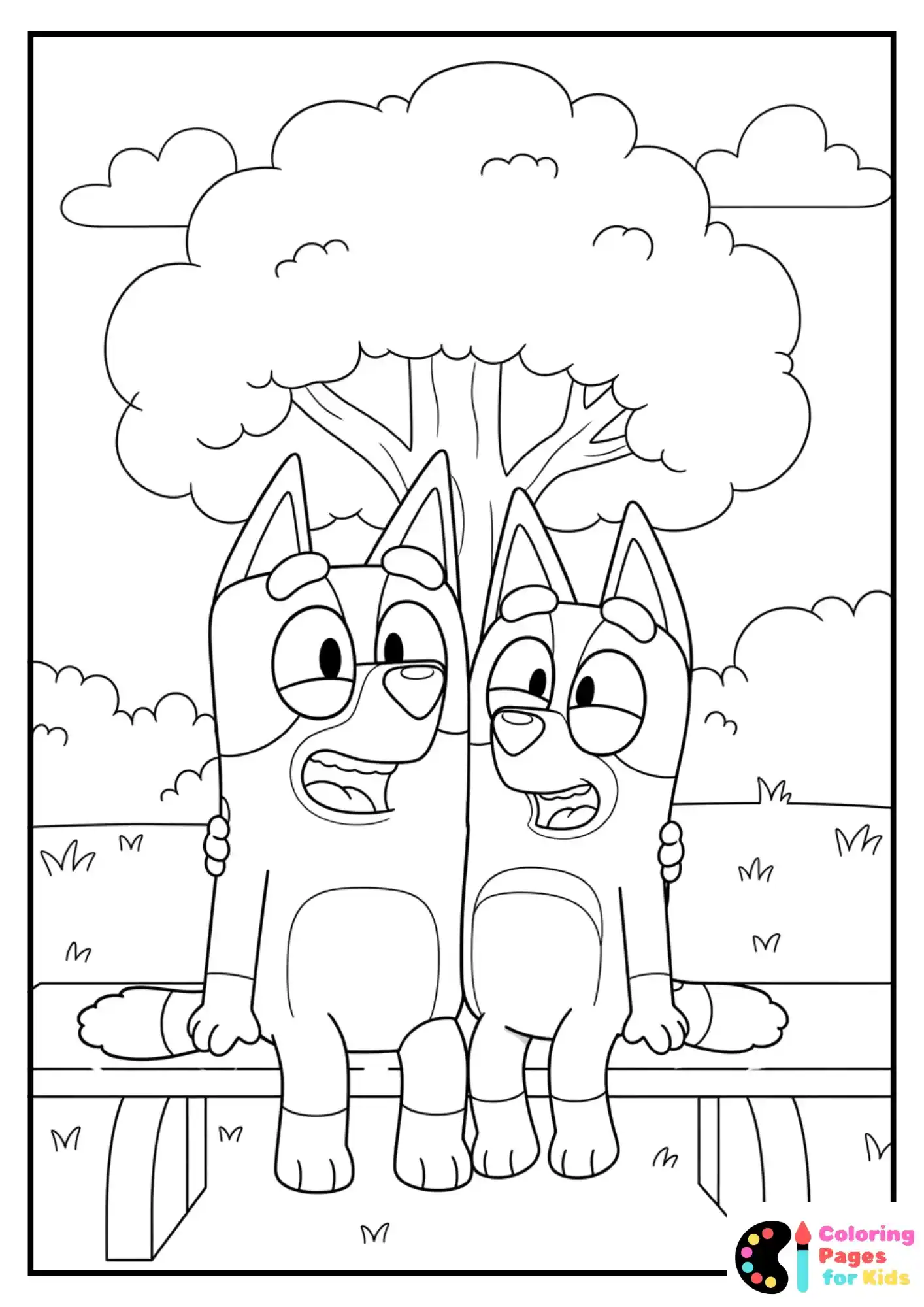
Why Bluey Coloring Sheets Make Perfect Craft Materials
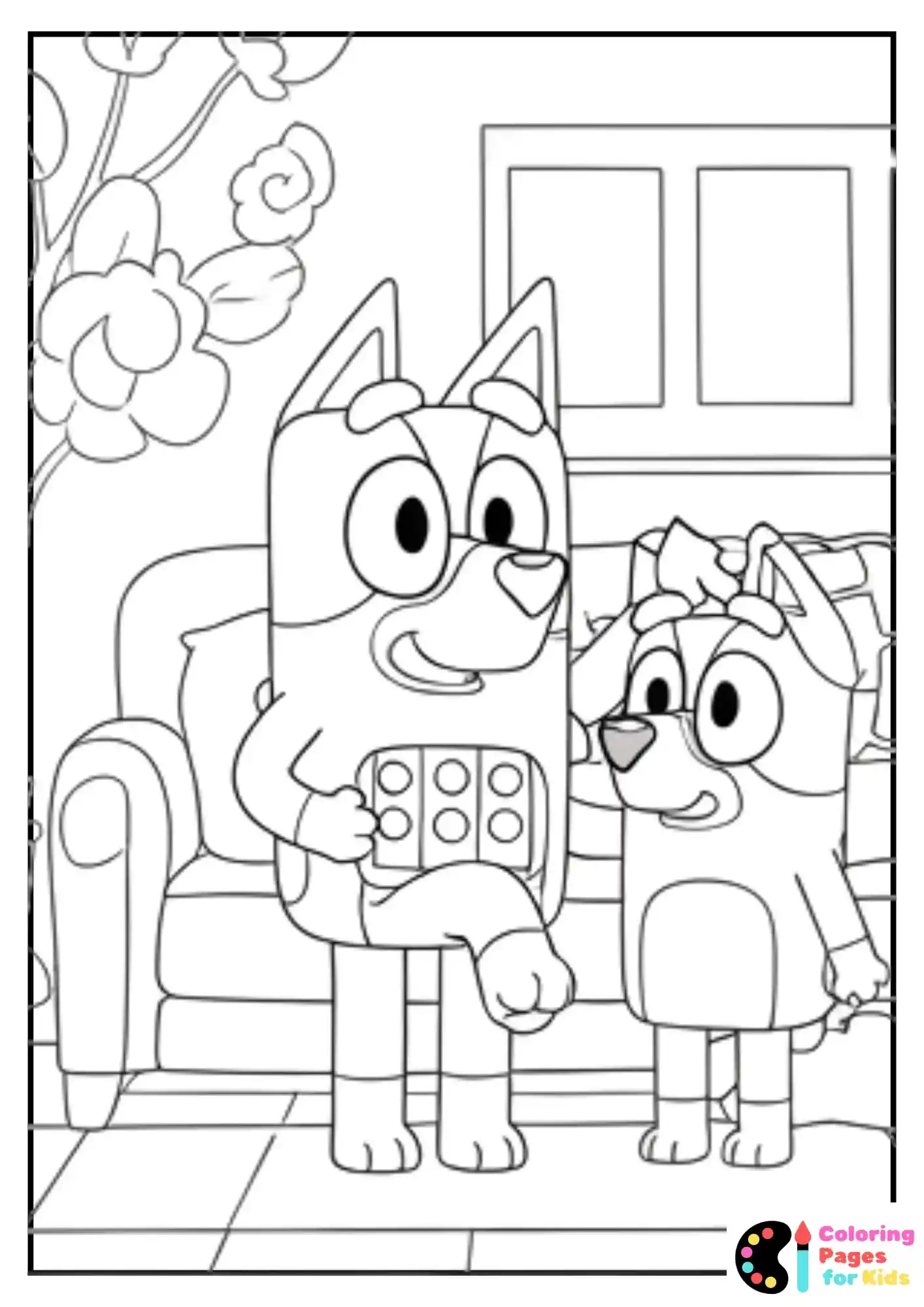
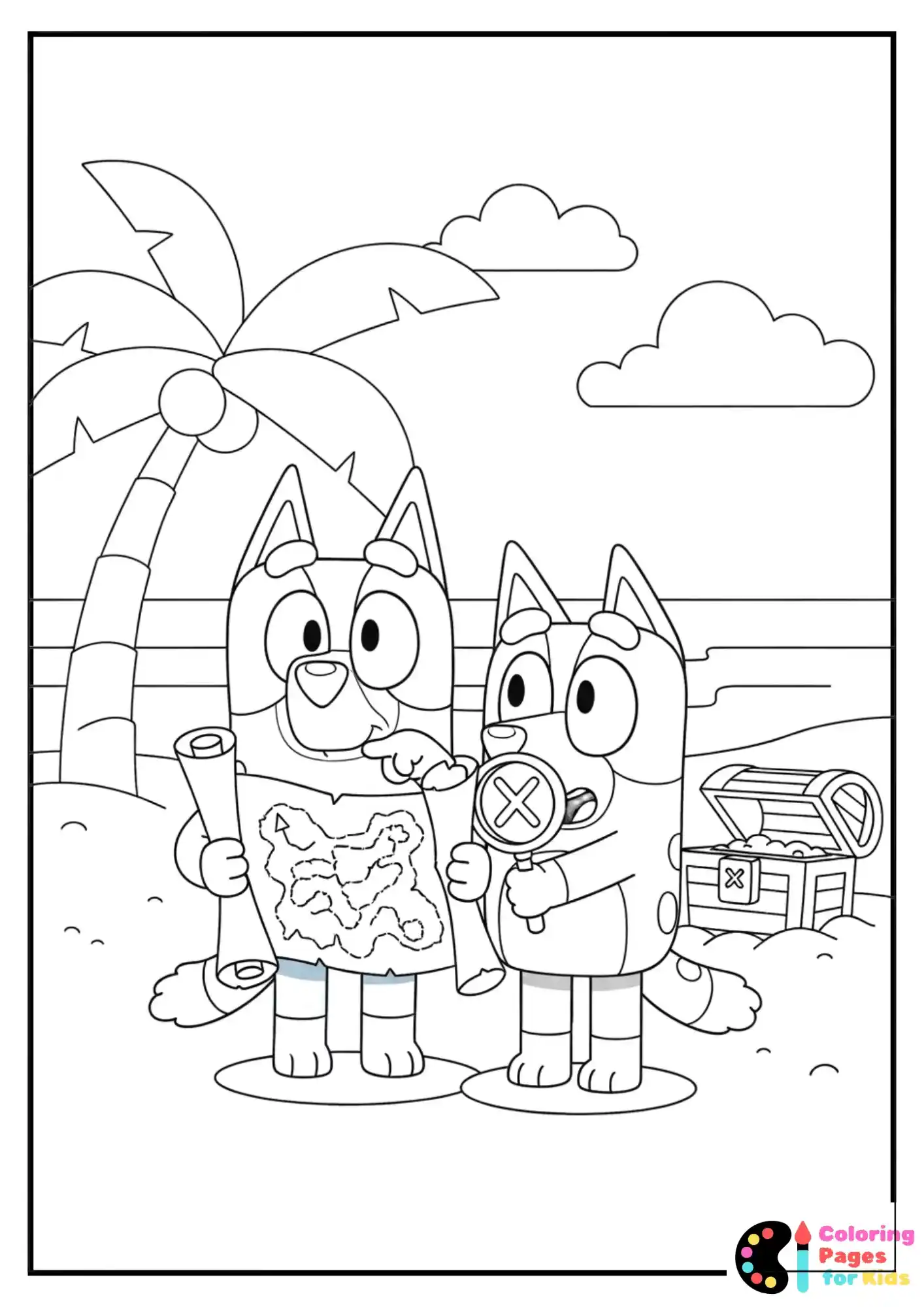
Before diving into specific projects, it’s worth understanding why Bluey coloring pages have become such a goldmine for creative parents and educators. Unlike single-purpose coloring activities, these printables serve as a versatile foundation that transforms into functional art, wearable accessories, party decorations, and interactive learning tools.
The magic lies in their accessibility. Free PDF printables mean you can print multiple copies without guilt, experiment with different techniques, and create projects tailored to your child’s age and skill level. From toddlers still developing fine motor control to school-age children ready for complex assembly projects, Bluey’s beloved characters provide the perfect canvas for creativity at every developmental stage.
12 Must-Try Craft Ideas Using Your Bluey Coloring Pages
1. Three-Dimensional Paper Puppets and Finger Theaters
Transform flat coloring pages into interactive puppets that bring storytelling to life. Print your colored Bluey pages on cardstock for durability, then carefully cut out the character. Glue a popsicle stick, straw, or wooden skewer to the back, and you’ve created an instant puppet perfect for reenacting favorite episodes or inventing entirely new adventures. If your child loves imaginative role-play, they may also enjoy creating scenes inspired by our superhero coloring pages, perfect for expanding their storytelling adventures.
For an elevated version, construct a finger theater from a cereal box. Cut a rectangular window on one side, paint the box to resemble a stage, and let your child perform their own Bluey theater production using their paper puppets. This project combines fine motor skills with dramatic play—two developmental superpowers rolled into one activity.
Materials needed: Cardstock, scissors, glue, popsicle sticks or straws, cereal box (optional)
2. Personalized Bookmarks With Decorative Elements
Elevate standard bookmarks by creating textured, embellished versions that make reading even more exciting for reluctant readers. After coloring, cut your Bluey character into a long rectangular bookmark shape (approximately 2 inches by 6 inches). Layer this on decorative cardstock or construction paper for added sturdiness.
The real creativity happens when you add dimension. Laminate for water resistance, attach a yarn tassel in Bluey’s signature blue, punch a hole and thread a ribbon, or use puffy paint to create textured details. Each bookmark becomes a miniature artwork that protects pages while inspiring daily reading habits.
Children can create a series of bookmarks featuring different characters—one for each family member—making personalized gifts that cost pennies but feel priceless. For kids who adore fantasy themes, you can even create matching bookmarks using our princess coloring pages for an extra magical reading experience.
Materials needed: Cardstock, scissors, ribbon or yarn, laminating sheets (optional), decorative elements like stickers or glitter
3. Shrink-Plastic Jewelry Collection
Shrink plastic transforms ordinary coloring pages into wearable jewelry that fascinates children with its magical shrinking process. This project introduces basic science while producing genuinely cool accessories.
Print your colored Bluey designs on shrink plastic sheets (readily available on Amazon or craft stores), carefully cut out the characters, and punch holes where you envision attachment points. Bake according to package instructions—typically 10-15 minutes at 325°F—and watch them shrink to one-third their original size while colors intensify.
Once cooled, attach jump rings and create charm bracelets, necklaces, or key fobs. Each piece becomes a tiny wearable reminder of creative effort. Children feel genuine pride wearing jewelry they crafted, and it opens conversations about creative processes with peers.
Materials needed: Shrink plastic sheets, markers or colored pencils, hole punch, baking sheet, jump rings, split rings, jewelry findings
4. Custom Greeting Cards for Every Occasion
Handmade greeting cards carry emotional weight that store-bought alternatives cannot match. Cut out your most beautifully colored Bluey characters and mount them on folded cardstock. The front showcases the character; inside, personalized messages transform simple cards into treasured keepsakes.
For advanced crafters, create multi-layered cards using the coloring page as the focal point surrounded by decorative paper, ribbon borders, or complementary illustrations. Birthday cards, thank-you notes, and get-well wishes all benefit from this personal touch.
This project teaches children the genuine value of handmade gifts while providing an authentic reason to practice writing and expression. These also pair beautifully with designs from our friends’ coloring pages, letting kids create charm sets they can share with their best buddies.
Materials needed: Cardstock, scissors, glue, markers for messaging, optional embellishments
5. Decorative Garland and Bunting for Celebrations
Transform a simple room into a Bluey-themed wonderland using colorful garland created from your printed pages. After coloring and cutting out multiple Bluey characters, connect them with yarn, string, or ribbon to create a flowing garland that drapes across walls, doorways, or above beds.
For bunting-style decorations, cut triangular flags from colored pages and construction paper, then string them together for that perfect party aesthetic. These decorations cost a fraction of store-bought alternatives while incorporating your child’s artwork directly into the celebration.
The satisfaction of a room transformed by their own creations boosts confidence while making celebrations feel personally meaningful rather than commercially generic.
Materials needed: Colored pages, string or yarn, scissors, stapler or glue, tape
6. Upcycled Tissue Box and Container Covers
Ordinary tissue boxes and storage containers become statement pieces when decorated with Bluey coloring pages. Cut out your colored characters and decoupage them onto boxes using Mod Podge or a similar adhesive. Seal with a protective coating for longevity.
This project transforms utilitarian household items into cheerful, personalized storage solutions. Tissue boxes become inviting room décor, and storage containers feel less utilitarian when decorated with beloved characters.
It’s an excellent project for teaching sustainability—transforming trash into treasure while reducing the need for packaged, plastic storage solutions.
Materials needed: Tissue boxes or containers, colored pages, scissors, Mod Podge or glue, brush, and clear sealant
7. Memory Scrapbook Pages and Visual Journals
Colored Bluey pages serve as perfect centerpieces for scrapbook layouts documenting family moments. Mount them on scrapbook paper, surround them with photos from Bluey’s birthday parties, dates, and handwritten memories, and create pages that capture specific moments in your family’s story.
Alternatively, create visual journals where children illustrate their day using Bluey characters. They color the pages, then use the surrounding space to write or draw about their experiences, creating a blend of coloring activity, journaling, and creative expression.
These scrapbook pages become increasingly precious as children grow, providing tangible reminders of their creative development and childhood imagination.
Materials needed: Scrapbook paper, colored pages, photos (optional), glue, markers, embellishments
8. Magnet Sets for Magnetic Surfaces
Turn colored Bluey characters into refrigerator magnets by gluing them to magnetic strips available at craft stores. Create a whole cast of characters that transform your fridge into an interactive gallery.
This project appeals to younger children who enjoy manipulating magnets while creating a functional, changing artwork display. Children rearrange their magnet characters throughout the day, essentially curating their own exhibition.
For extended play, create a magnetic storytelling board using a baking sheet or painted metal surface as the background, allowing characters to be positioned in different scenarios.
Materials needed: Magnetic strips, scissors, glue, cardstock or foam board for backing
9. Doorknob Hangers and Room Decor
Personalized doorknob hangers transform bedroom doors into galleries of individual expression. Create hangers from cardstock, cutting a rectangle with a notch for the doorknob. Mount your colored Bluey character in the center, and add messages like “Do Not Disturb” or “Come In!” for interactive room décor.
Children can create rotating hangers for different moods or times of day, teaching concepts of personal space while keeping their rooms organized with cute, functional art.
Materials needed: Cardstock, scissors, colored pages, glue, and markers for messaging
10. Three-Ring Binder or Storybook Projects
Older children love creating their own Bluey storybooks by arranging colored pages in sequence and writing original stories to accompany them. Bind pages using three-ring binders, spiral binding, or even simple stapling.
This project combines literacy skills with creative expression. Children practice narrative structure, descriptive writing, and illustrative storytelling simultaneously—making it both educational and entertaining.
The finished books make wonderful gifts for younger siblings, cousins, or grandparents, extending the project’s value beyond the creation process.
Materials needed: Colored pages, cardstock, three-ring binder or binding supplies, markers or pens
11. Window Clings and Suncatcher Art
Create window clings by coloring Bluey pages with window markers or glass paint, then adhering them to windows with removable adhesive. As light streams through, characters come alive with backlighting, creating stunning room ambiance.
Alternatively, create suncatchers by coloring pages, mounting them on transparent plastic sheets, and hanging them in sunny windows. This transforms your coloring pages into light-interactive art installations that shift throughout the day.
This project teaches children about light, color perception, and how changing conditions create dynamic visual experiences.
Materials needed: Window markers or glass paint, window sheets, clear plastic, suction cups, or removable adhesive
12. Layered Canvas and Mixed-Media Wall Art
For the most ambitious crafters, create layered canvas art by mounting multiple colored characters at varying heights on canvas or foam board. Add mixed-media elements like buttons, ribbon, dimensional paint, or paper embellishments to create textured, three-dimensional wall art.
This project transforms simple coloring pages into gallery-quality artwork suitable for display in bedrooms, playrooms, or living spaces. Children experience how layering and dimension create visual interest and depth.
The finished pieces often garner comments and compliments from visitors, reinforcing that their creative efforts produce genuinely impressive results.
Materials needed: Canvas or foam board, colored pages, various embellishments, adhesives, and dimensional paints
Planning Your Craft Projects: Age-Appropriate Recommendations
Selecting age-appropriate projects ensures success and maintains engagement. Toddlers (ages 2-4) enjoy simple projects like puppets and finger theater that require minimal cutting and assembly. Preschoolers (ages 4-6) excel at projects involving gluing, basic assembly, and decorative elements like stickers. School-age children (6+) can tackle more complex projects requiring multiple steps, delicate precision, and creative problem-solving.
These craft projects naturally develop fine motor skills through cutting, gluing, and assembling—essential capabilities discussed in detail in our comprehensive guide to hands-on learning activities for children.
Consider your child’s interests, attention span, and skill level when selecting projects. Some children prefer quick completions while others thrive with multi-step processes. Neither approach is superior—it’s about matching projects to individual preferences.
Budget-Friendly Strategies for Maximum Impact
These projects become even more valuable when you maximize resources and minimize waste. Print multiple copies of designs, allowing experimentation without anxiety. Gather supplies gradually rather than purchasing everything simultaneously. Household items like cereal boxes, egg cartons, and paper towel tubes become craft materials, reducing costs while teaching resourcefulness.
Sharing completed projects extends their value. Finished bookmarks make thoughtful gifts; completed cards surprise loved ones; decorated containers organize shared spaces. This teaches children that creativity multiplies in value when shared generously.
Beyond the Craft: Educational Benefits and Developmental Growth
These craft projects simultaneously deliver entertainment and learning. Fine motor skill development happens naturally through cutting, gluing, and assembling. Color theory emerges as children select palettes and consider color combinations. Planning and sequencing develop as children work through multi-step projects.
Creative confidence grows with each completed project. Children learn that mistakes become design features, that effort produces tangible results, and that their ideas hold value. These lessons extend far beyond craft time into all areas of life.
Maximizing Creative Potential
Free Bluey coloring sheet printables represent far more than simple coloring activities. They’re launching pads for imagination, tools for teaching, and materials for creating lasting memories. Whether you complete one project or tackle all twelve, you’re investing time in experiences that strengthen family bonds, develop creative confidence, and prove that the best entertainment often requires nothing more than imagination and readily available materials.
Your completed projects become more than decorations—they’re tangible evidence that creativity flourishes when we slow down, engage hands and minds, and celebrate the process alongside the product.