Architecture Coloring Pages for Kids (Free PDF Printables)
Architecture coloring pages offer more than just a relaxing coloring experience – they’re the perfect foundation for exciting craft projects that combine creativity, education, and hands-on fun. Whether you’ve just finished coloring intricate cathedral designs, modern skyscrapers, or charming historic houses, these architectural masterpieces can be transformed into stunning crafts that celebrate both art and building design.
From creating personalized greeting cards to building 3D architectural models, architecture coloring pages provide endless possibilities for creative expression. These craft ideas not only give new life to your finished coloring sheets but also help develop fine motor skills, spatial awareness, and appreciation for architectural elements like columns, arches, and geometric patterns.



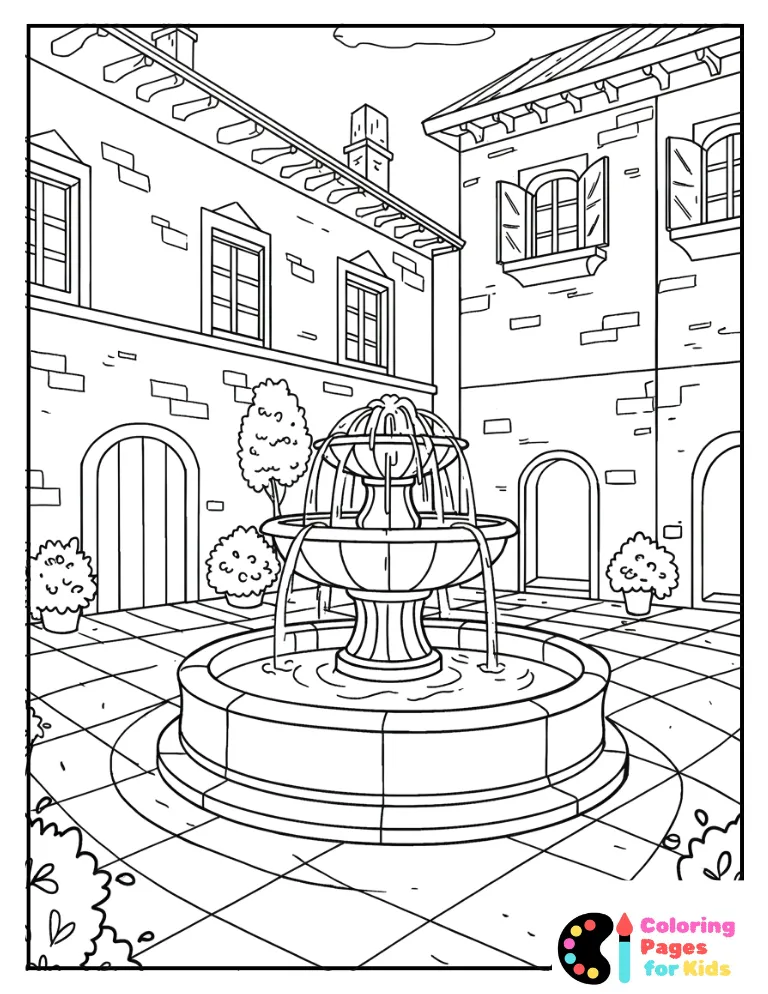

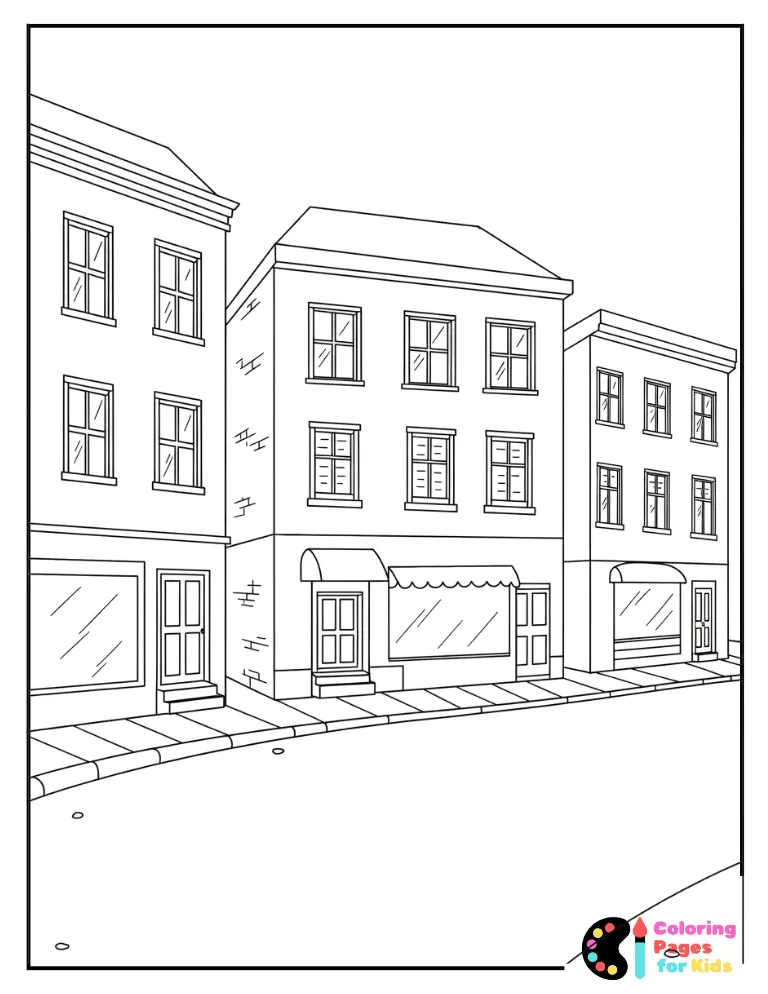


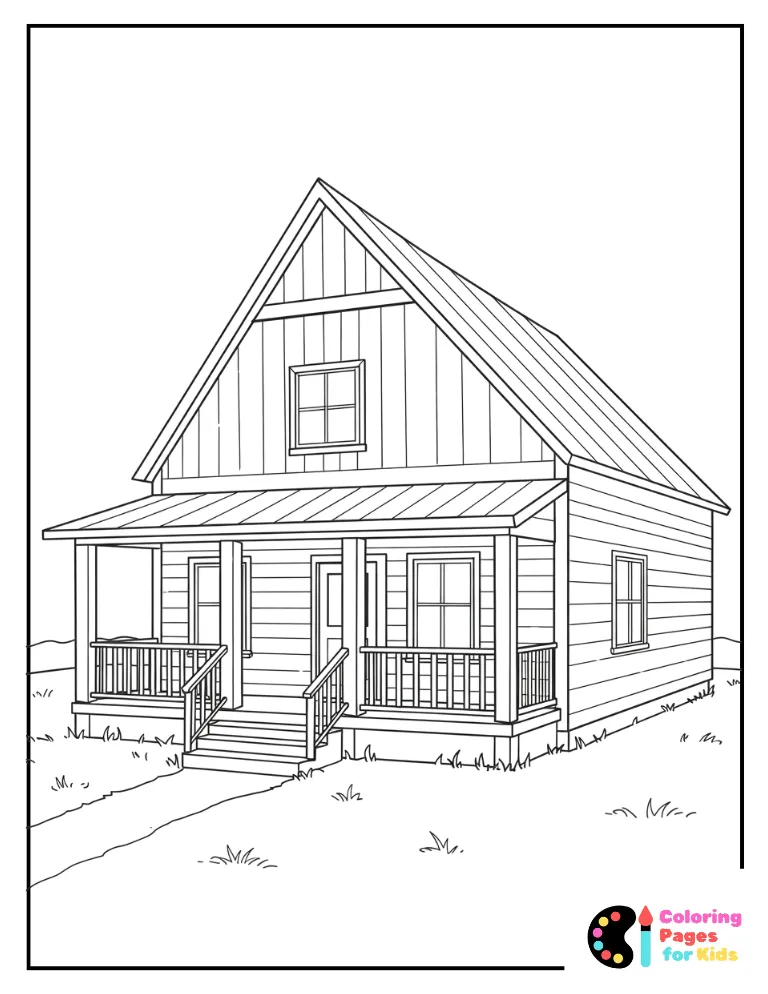

Why Transform Architecture Coloring Sheets Into Crafts?
Architecture coloring pages are uniquely suited for craft projects because they feature detailed structural elements, geometric patterns, and diverse building styles that translate beautifully into three-dimensional creations. Unlike simple coloring pages, architectural designs offer complex details that add depth and sophistication to any craft project.
The educational value is equally impressive. When children and adults work with architectural coloring pages in craft projects, they naturally learn about different building styles, from Gothic cathedrals to modern minimalist structures. This hands-on approach makes architectural concepts more tangible and memorable.
Essential Craft Supplies for Architecture Projects
Before diving into specific craft ideas, gather these essential supplies to maximize your creative potential:
Basic Materials:
- Quality cardstock or heavy paper for printing
- Scissors and craft knives
- Glue sticks and liquid glue
- Double-sided tape
- Rulers and pencils
Advanced Supplies:
- Foam boards for mounting
- Laminating sheets or contact paper
- Craft punches in architectural shapes
- Metallic markers and gel pens
- Embossing folders with geometric patterns
Specialty Items:
- Transparent acetate sheets for window effects
- Miniature LED lights for illuminated buildings
- Textured papers for realistic building materials
- Small mirrors for modern building facades
10 Creative Craft Ideas With Architecture Coloring Pages
1. 3D Architectural Pop-Up Cards
Transform your colored architectural pages into stunning pop-up greeting cards that showcase famous buildings or personalized home designs. This craft combines paper engineering with artistic expression, creating functional art pieces perfect for special occasions.
Materials Needed: Colored architecture pages, cardstock, craft knife, ruler, glue
Step-by-Step Process: Start by selecting a building with strong vertical elements like towers or columns. Cut around the main structure, leaving tabs for folding. Create a base card from sturdy cardstock, then carefully score and fold the lines on your architectural element. The key is creating precise 90-degree folds that allow the building to “pop up” when the card opens.
Pro Tips: Use buildings with symmetrical designs for easier folding. Add small details like tiny windows or doors cut from contrasting paper to enhance the three-dimensional effect.
2. Illuminated Building Displays
Create magical illuminated architectural displays by incorporating LED lights into your colored buildings. This project transforms flat coloring pages into glowing architectural landmarks perfect for display in bedrooms or playrooms.
Materials Needed: Colored pages, LED string lights, craft knife, foam board, clear tape
Installation Method: Carefully cut small holes in the windows and doorways of your colored buildings. Mount the page on foam board for stability, then thread small LED lights through the openings. The colored paper acts as a beautiful filter, creating warm, inviting glows that highlight architectural details.
Advanced Techniques: Layer multiple buildings at different depths to create cityscape dioramas. Use different colored LEDs to represent different times of day or seasons.
3. Architectural Puzzle Games
Convert your favorite architecture coloring pages into custom jigsaw puzzles that provide hours of entertainment while reinforcing spatial reasoning skills. This craft idea works exceptionally well with complex buildings featuring many architectural details.
Creation Process: Mount your colored page on sturdy cardboard or foam board. Draw puzzle piece outlines on the back, varying the shapes and sizes based on the architectural elements. Cut along the lines with a craft knife, creating pieces that follow natural boundaries like rooflines, windows, or structural divisions.
Educational Enhancement: Create multiple puzzles featuring different architectural styles – Gothic, Art Deco, Modern, or Traditional – and use them as learning tools to discuss architectural history and design principles.
4. Mixed Media Architectural Collages
Combine multiple architecture coloring pages with textured materials to create sophisticated mixed media artworks that explore different building materials and architectural textures.
Material Integration: Use sandpaper for stone textures, corrugated cardboard for metal siding, and fabric scraps for awnings or decorative elements. Layer different colored architectural elements to create depth and visual interest.
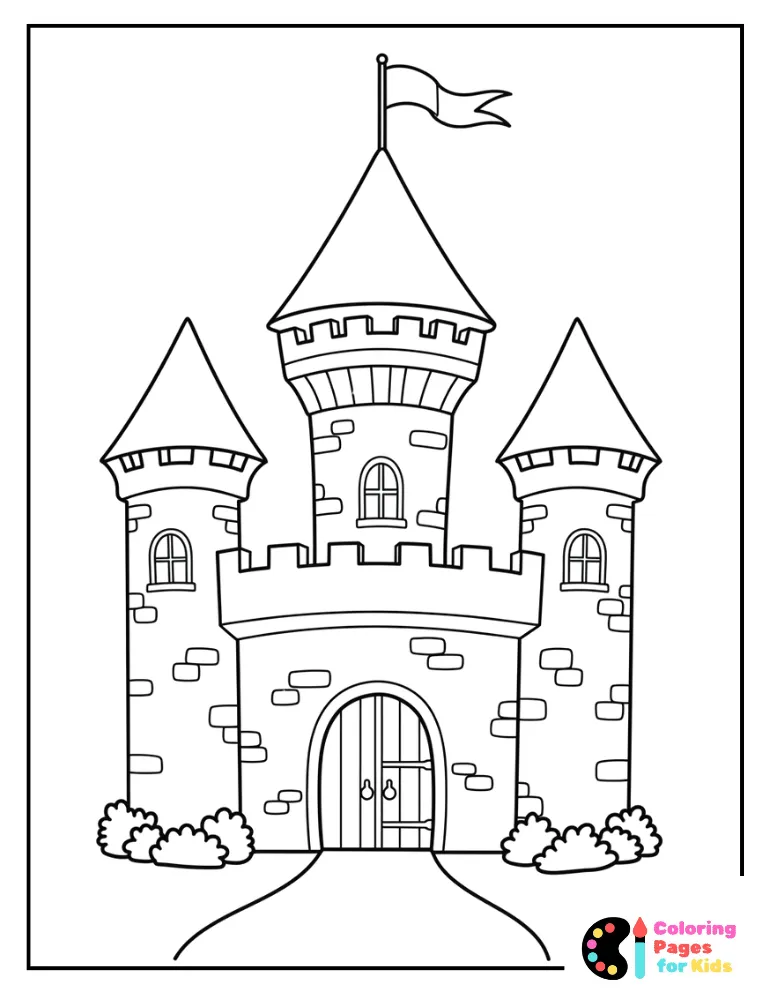
Composition Strategies: Focus on contrasting architectural styles within a single composition – perhaps pairing a medieval castle with modern skyscrapers to explore the evolution of building design through different eras.
5. Wearable Architecture Accessories
Transform small architectural elements from your coloring pages into unique jewelry and accessories that celebrate your love of design and architecture.
Jewelry Applications: Cut out individual architectural details like Gothic windows, Art Deco patterns, or geometric building elements. Laminate these pieces for durability, then attach to earring hooks, necklace chains, or bracelet bases.
Fashion Integration: Create architectural-themed brooches featuring famous buildings, or design coordinating sets that showcase specific architectural movements like Bauhaus or Victorian styles.
6. Interactive Building Models
Construct three-dimensional architectural models that can be manipulated and explored, perfect for understanding building structure and spatial relationships.
Construction Techniques: Score and fold your colored pages along architectural lines to create walls, roofs, and structural elements. Use tabs and slots to connect different sections without visible glue lines, maintaining clean architectural aesthetics.
Functional Features: Add removable roofs to explore interior spaces, or create modular designs where different architectural elements can be rearranged to form new building configurations.
7. Architectural Memory Games
Design custom memory matching games using pairs of architectural elements, building types, or stylistic details from your colored pages.
Game Development: Select 10-15 different architectural features and create two copies of each. Mount these on uniform card stock to make a matching game that reinforces architectural vocabulary and visual recognition skills.
Educational Expansion: Include architectural terms on the back of cards, turning the memory game into a learning tool for architectural styles, historical periods, and design principles.
8. Decorative Room Borders and Friezes
Create stunning architectural borders that transform any room into a sophisticated space, celebrating design and building arts.
Installation Methods: Cut architectural elements into strips that can be arranged as continuous borders around rooms, doorways, or furniture pieces. Focus on repetitive elements like column capitals, window details, or decorative moldings.
Design Coordination: Match border styles to room themes – use Gothic architectural elements for medieval-themed spaces or Art Deco patterns for sophisticated modern rooms.
9. Architectural Storytelling Books
Combine multiple architecture coloring pages into personalized books that tell stories about buildings, cities, or architectural adventures.
Narrative Development: Create storylines that follow characters through different architectural environments, from ancient castles to futuristic cities. Each page becomes both an illustration and a backdrop for architectural education.
Interactive Elements: Include fold-out sections, pop-up elements, or hidden details that encourage readers to explore architectural features more deeply.
10. Seasonal Architecture Decorations
Adapt your architecture coloring pages into seasonal decorations that celebrate holidays while maintaining sophisticated architectural themes.
Holiday Applications: Transform Gothic cathedrals into stunning Christmas decorations by adding glitter and metallic accents. Create spooky haunted house displays for Halloween using Victorian mansion coloring pages with dramatic lighting effects.
Year-Round Celebrations: Design architectural birthday decorations featuring the birthday person’s dream house, or create seasonal cityscape displays that change throughout the year.
Tips for Success With Architecture Coloring Crafts
Color Selection Strategy: Choose colors that enhance architectural details rather than overwhelming them. Earth tones work well for traditional buildings, while bold colors can highlight modern architectural elements.
Paper Quality Considerations: Use heavier paper (at least 140gsm) for craft projects to prevent tearing and ensure durability. Consider printing on cardstock for projects requiring frequent handling.
Precision Techniques: Invest in quality cutting tools and take time for accurate measuring. Architectural crafts benefit from precise construction that mirrors the attention to detail found in actual building design.
Safety Considerations: Always supervise children when using craft knives or small pieces. Choose age-appropriate techniques and tools for different skill levels.
Educational Benefits of Architecture Coloring Crafts
Architecture coloring page crafts provide numerous educational opportunities that extend far beyond simple creative expression. These projects naturally introduce concepts of geometry, spatial relationships, and engineering principles while developing fine motor skills and artistic appreciation.
STEM Integration: Architecture crafts incorporate science, technology, engineering, and mathematics concepts through hands-on construction and design challenges. Children learn about structural stability, geometric patterns, and proportional relationships.
Cultural Awareness: Working with buildings from different cultures and time periods broadens understanding of global architectural traditions and historical contexts.
Problem-Solving Development: Each craft project presents unique challenges that require creative problem-solving and critical thinking skills. Combine learning and creativity by pairing detailed buildings with science coloring pages to explore STEM themes like engineering, space, and inventions through fun crafts.
Where to Find Quality Architecture Coloring Pages
High-quality architecture coloring pages are essential for successful craft projects. Look for designs with clear lines, appropriate detail levels, and accurate architectural proportions.
Free Resources: Many websites offer complimentary architecture coloring pages featuring famous buildings, architectural elements, and various building styles.
Premium Options: Paid resources often provide higher-quality designs, more architectural accuracy, and specialized themes like specific architectural periods or building types.
Custom Creation: Consider creating custom coloring pages by tracing photographs of favorite buildings or architectural details for personalized craft projects. Add depth and detail to your creations by mixing architectural line art with pattern coloring pages, perfect for textured backgrounds, borders, or design inspiration.
Architecture coloring sheets offer unlimited creative possibilities that extend far beyond traditional coloring activities. These 10 craft ideas transform simple coloring sheets into educational tools, decorative elements, and interactive learning experiences that celebrate the beauty and complexity of architectural design.
Whether you’re creating illuminated building displays, constructing 3D architectural models, or designing wearable architecture accessories, these craft projects provide meaningful ways to engage with architectural concepts while developing creative skills. The combination of artistic expression and architectural education makes these activities perfect for learners of all ages.
Start with simple projects like architectural greeting cards or decorative borders, then gradually explore more complex creations like illuminated displays or interactive building models. Each craft project offers new opportunities to appreciate the artistry and engineering that go into architectural design while creating beautiful, functional art pieces.
Remember that the best architecture coloring sheet crafts combine creativity with learning, resulting in projects that are both beautiful and educational. Take time to explore different architectural styles, experiment with various materials and techniques, and most importantly, enjoy the process of bringing flat coloring pages to life through imaginative craft projects.